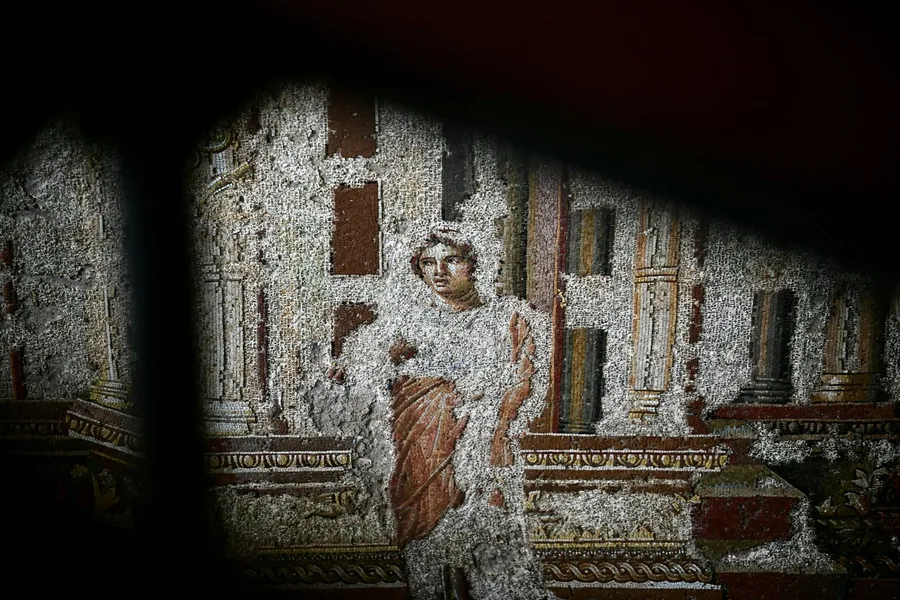
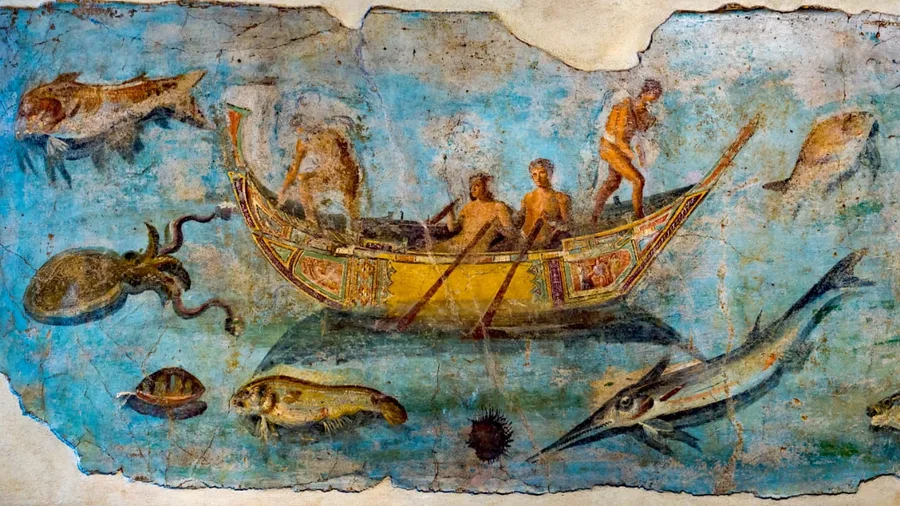
A study of Roman wall-painting fragments from northern Italy has found an unusual use of Egyptian blue. The pigment wasn’t applied only to the surface. Roman craftsmen mixed it into the lime mortar beneath a marine scene. The fragments came from the Roman villa of Torre di Pordenone in Friuli-Venezia Giulia. Archaeologists found them in […]
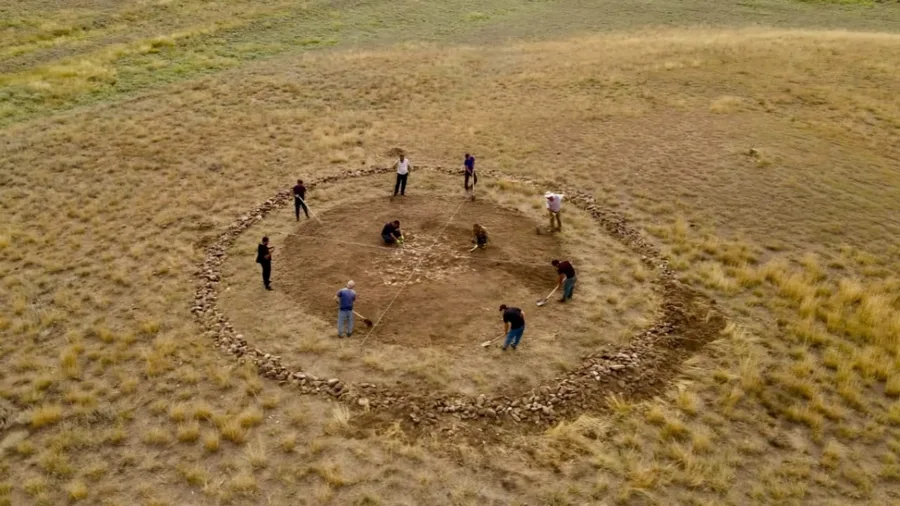
A 3,600-year-old burial in western Azerbaijan has yielded weapons and other objects linked to a high-ranking Bronze Age warrior. Archaeologists found the artifacts in Kurgan No. 4 in the Sariyokhush area of the Keshikchidagh State Historical and Cultural Reserve, in Agstafa district. The finds include a rare stone mace head, a bronze dagger, and several […]
Archaeologists have discovered a huge US Revolutionary graveyard at a former battlefield site. During a summer excavation at Red Bank Battlefield Park in southern New Jersey in 2022, a volunteer tentatively approached the professional archaeologists on site and uttered five words that would reshape understanding of a Revolutionary War engagement: "I think I found a bone." That modest discovery in…
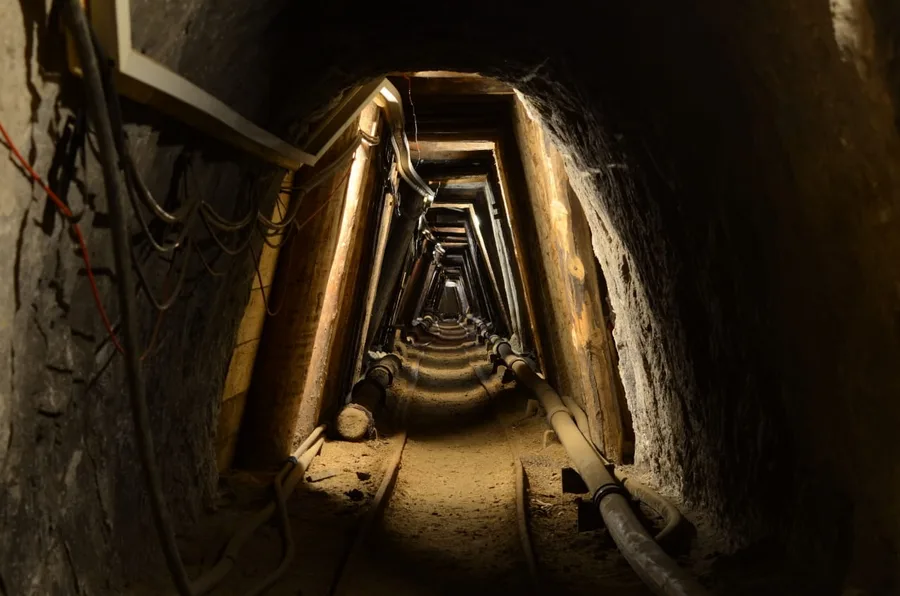
Archaeologists have found a huge network of Iron Age salt-mining chambers beneath Hallstatt, Austria. The chambers extend for at least 300 meters and offer new evidence about how prehistoric miners worked deep inside the mountain. People began living in the high valley above Hallstatt and producing salt about 7,300 years ago. Archaeologists have found Neolithic […]
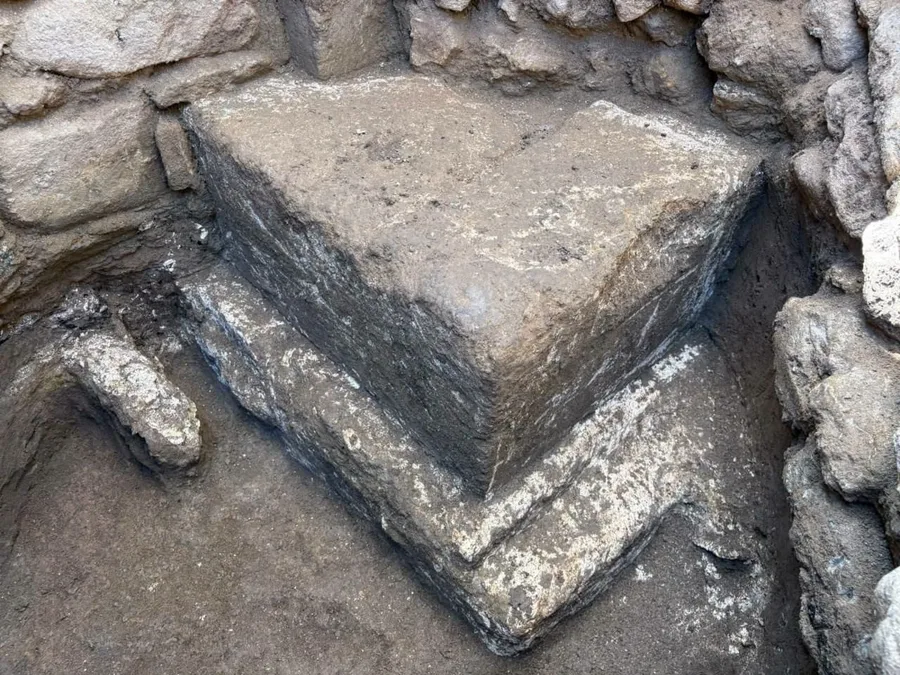
Archaeologists working at Gravisca, the ancient port of Tarquinia, have uncovered massive limestone blocks buried beneath later Roman structures. The find points to a large Etruscan building whose purpose is still unknown. Gravisca lies near today’s Porto Clementino area on the Tyrrhenian coast of Lazio. The ancient port stood about 7 to 10 kilometers from […]
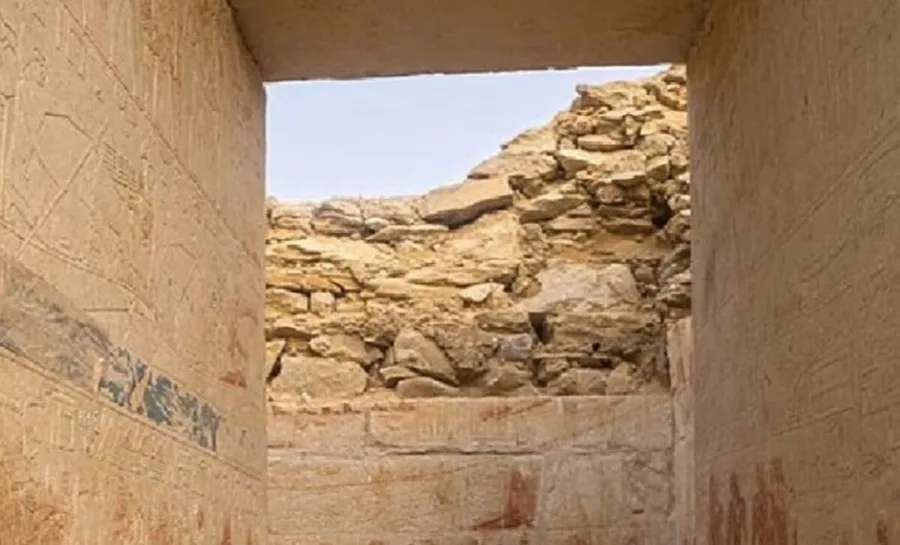
In the sands south of Cairo, archaeologists just opened a tomb that has sat untouched for over four thousand years, and what they found inside wasn't just old. It was oddly, almost impossibly, well preserved.
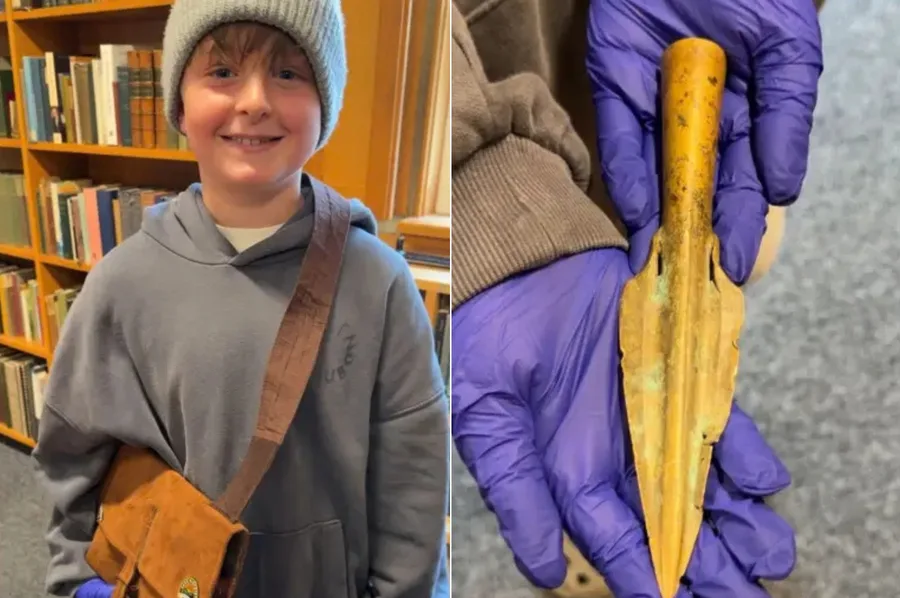
A young boy unearthed an ancient spearhead during a family outing in the Lake District. Eight-year-old George made the remarkable find while exploring near Waterhead on the shores of Windermere with his mother Kate in November 2024. He said: "I was digging and having fun, and I saw what looked like a ring, so I pulled it out, and it just kept on going." The artefact, which dates to the Bronze Age…
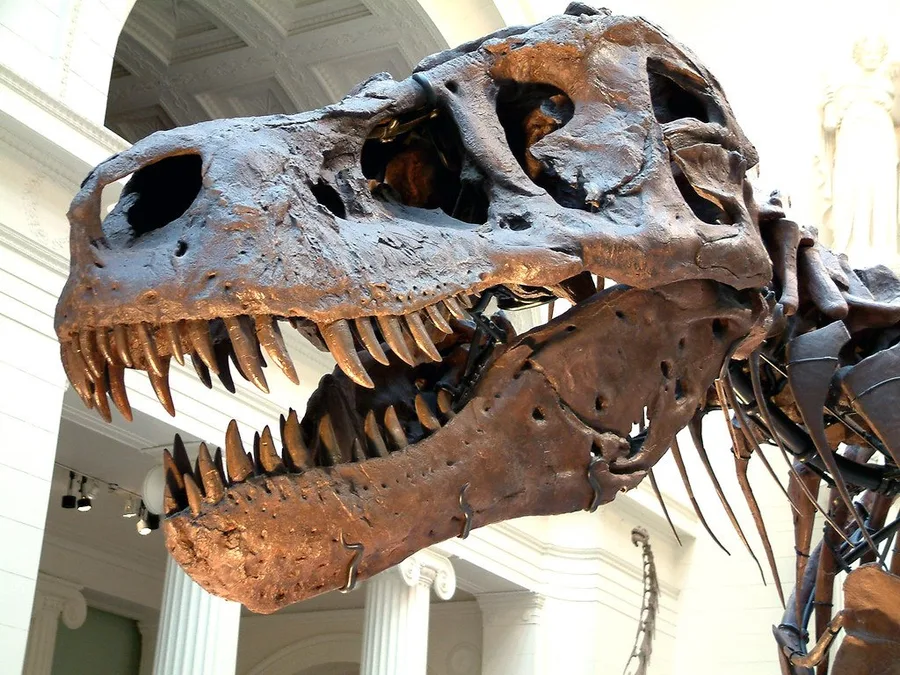
Scientists have uncovered exceptionally preserved bird feathers within a piece of fossilised dinosaur excrement dating back 66 million years, offering fresh insights into one of palaeontology's enduring puzzles. The specimen was retrieved from Montana's Hell Creek Formation and originated from a substantial carnivorous dinosaur, likely either a Tyrannosaurus rex or a Nanotyrannus. The coprolite c…
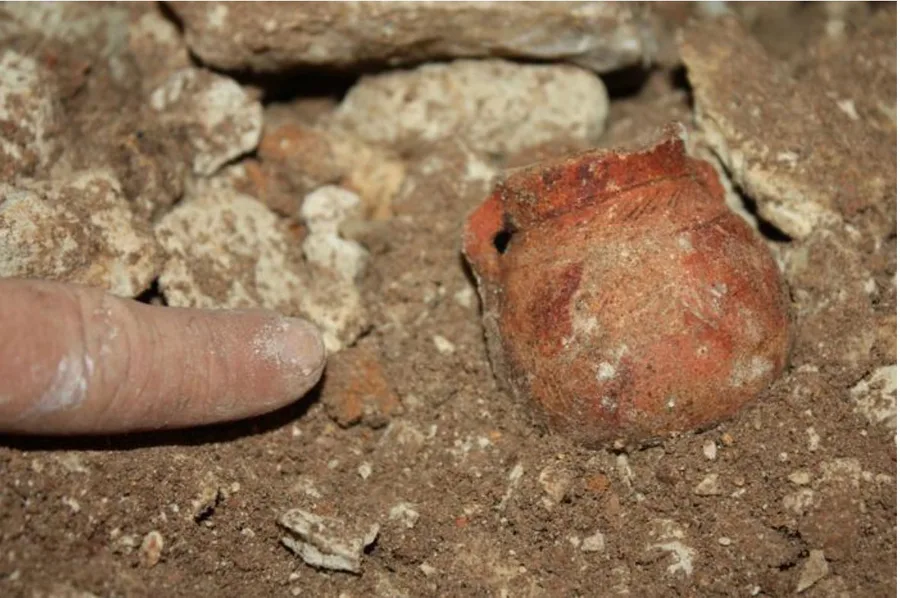
JERUSALEM, ISRAEL—Wildfires may have inspired Neolithic communities in the southern Levant to make pottery, according […] The post Study Tests “Natural Kiln Hypothesis” appeared first on Archaeology Magazine .
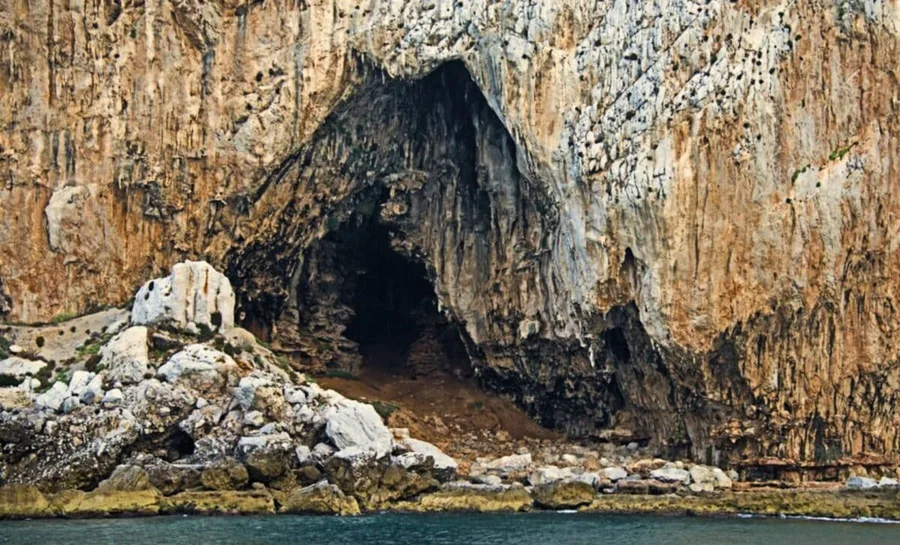
Three people buried inside Grotta Romanelli in southern Italy lived during the medieval period, new radiocarbon dates show. The finding adds a later phase of human use to one of the Mediterranean’s key Paleolithic sites. Researchers dated skeletal remains from one adult and two children using accelerator mass spectrometry, or AMS. The remains came from […]
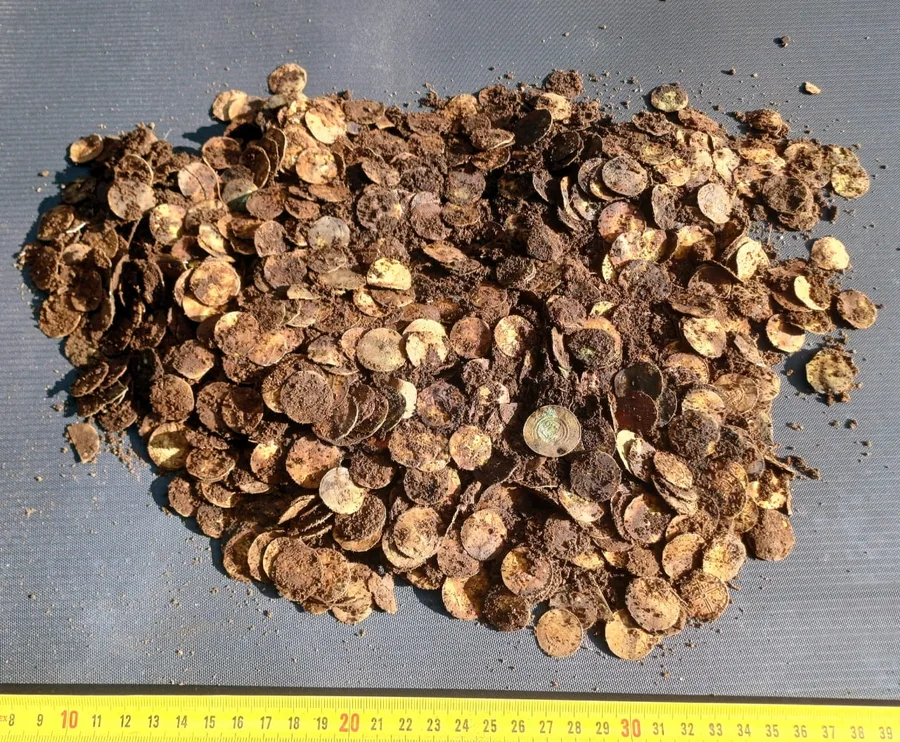
Finland’s largest known Viking Age silver hoard has been found near the town of Sysmä. A metal detectorist found the hoard on September 3, 2026. Kalle Lappinen found the silver near Sysmä’s church village and contacted a local museum. Archaeologists inspected the site the next day and recovered the find under archaeologist Esko Tikkala’s lead. […]
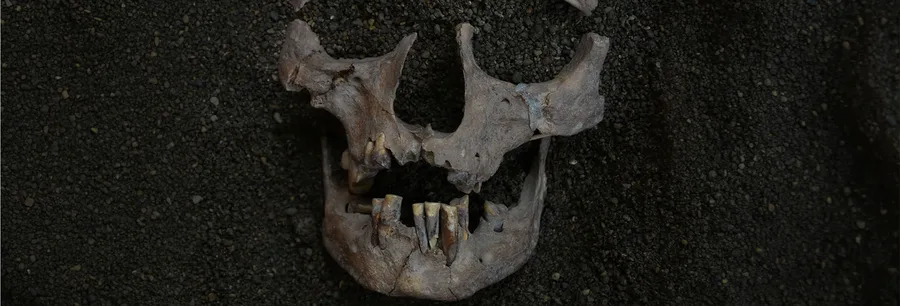
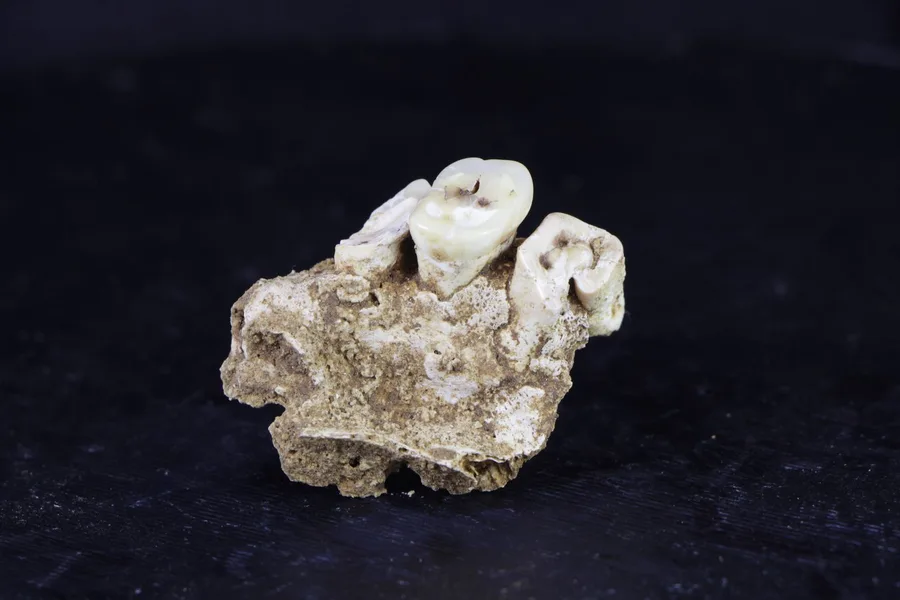
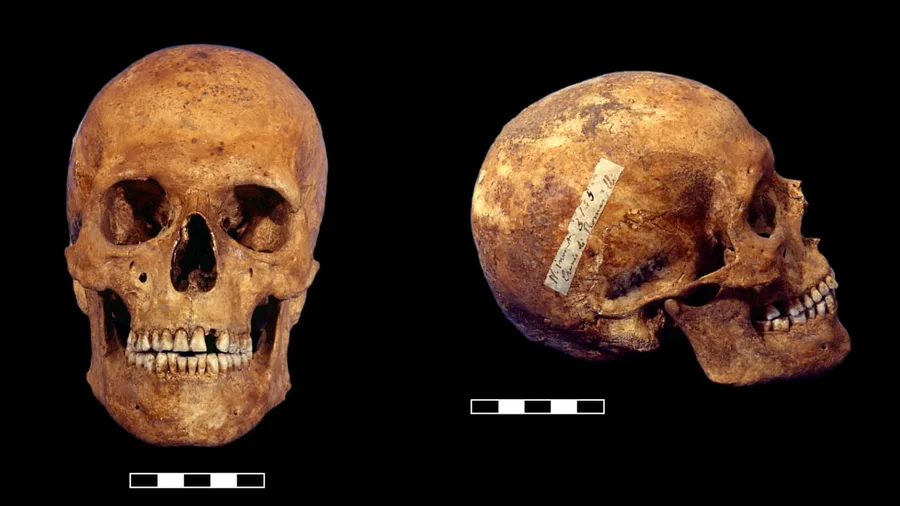
This individual may have regularly sucked on betel nuts, known for their mind-altering properties, leading to worsening dental disease. Researchers say the discovery sheds light on addiction in prehistoric environments



 research.io