

asteroids

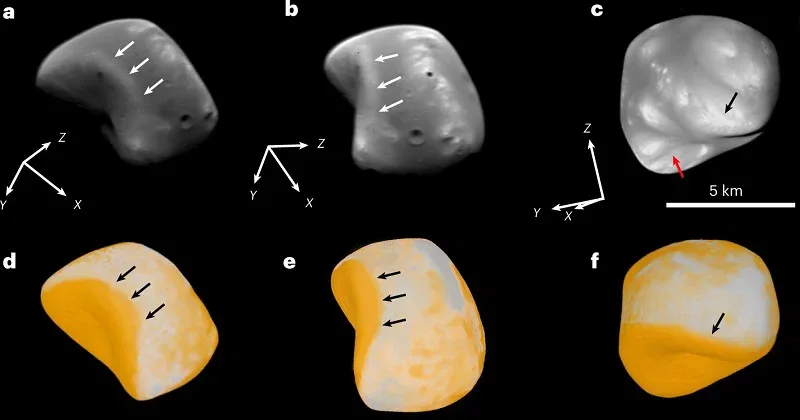
A single asteroid impact may have dramatically reshaped Deimos, the smaller of Mars’ two moons, creating both a huge depression near its south pole and the dusty surface that covers the moon today. An international team of researchers reached this conclusion after running about 100 detailed computer simulations and comparing the results with observations from […] The post One Giant Asteroid Impac…

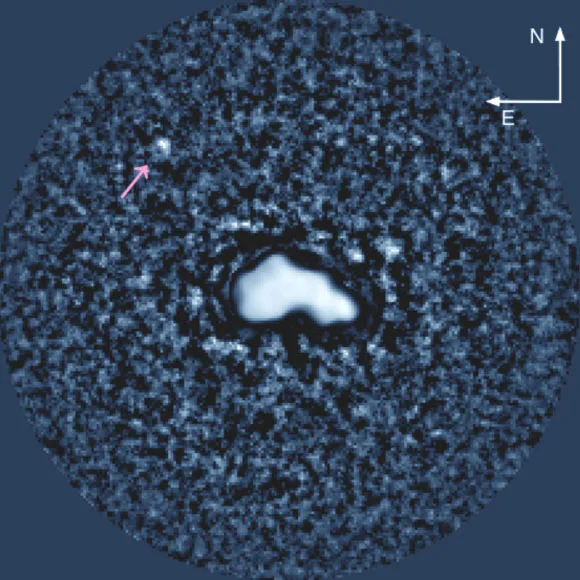
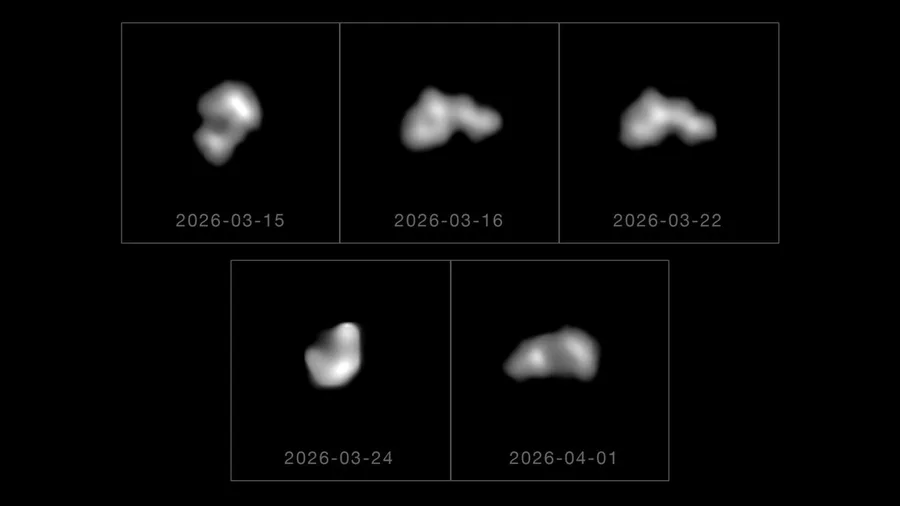
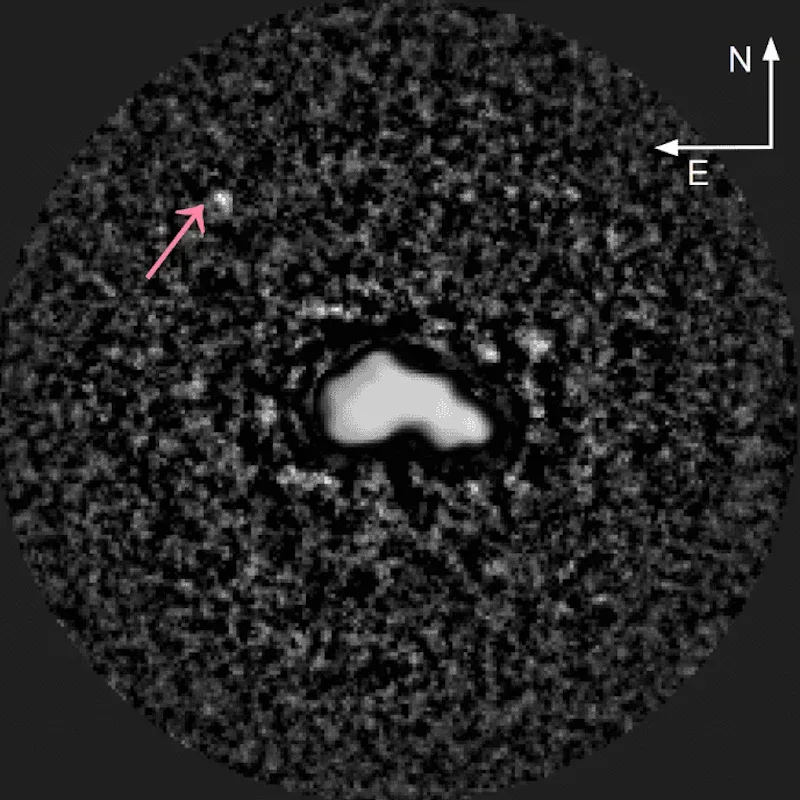
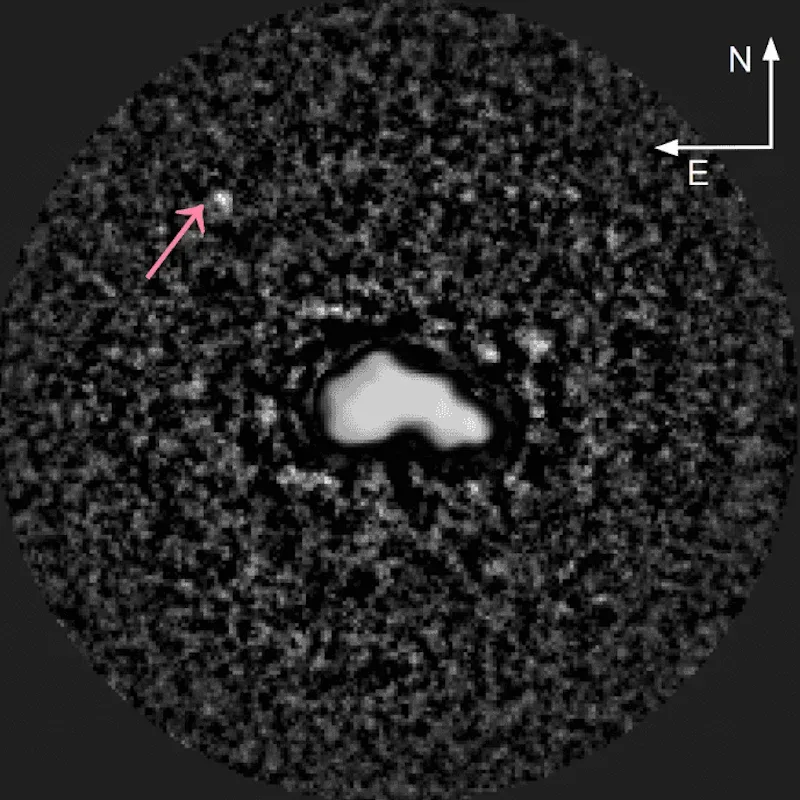
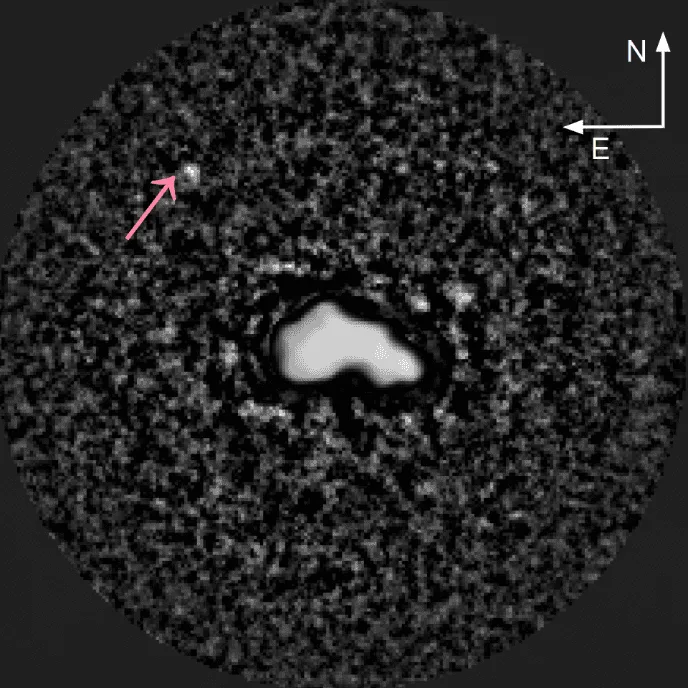
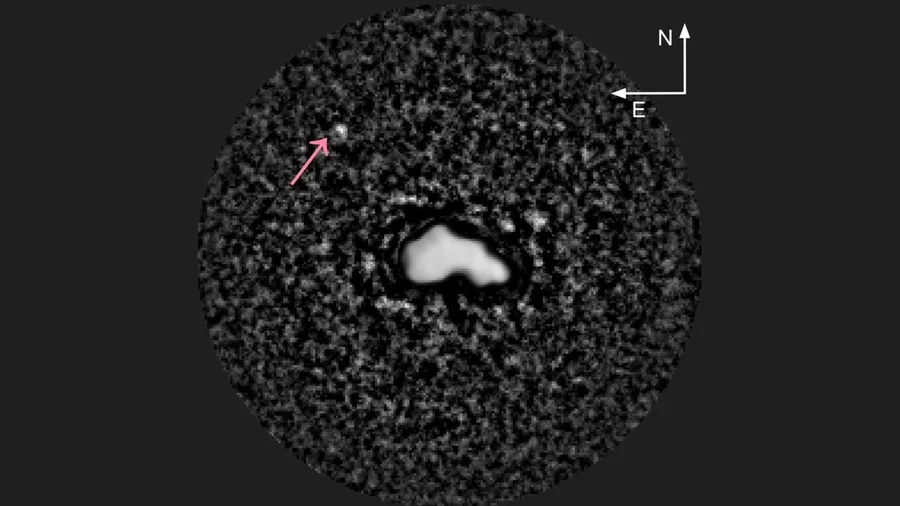
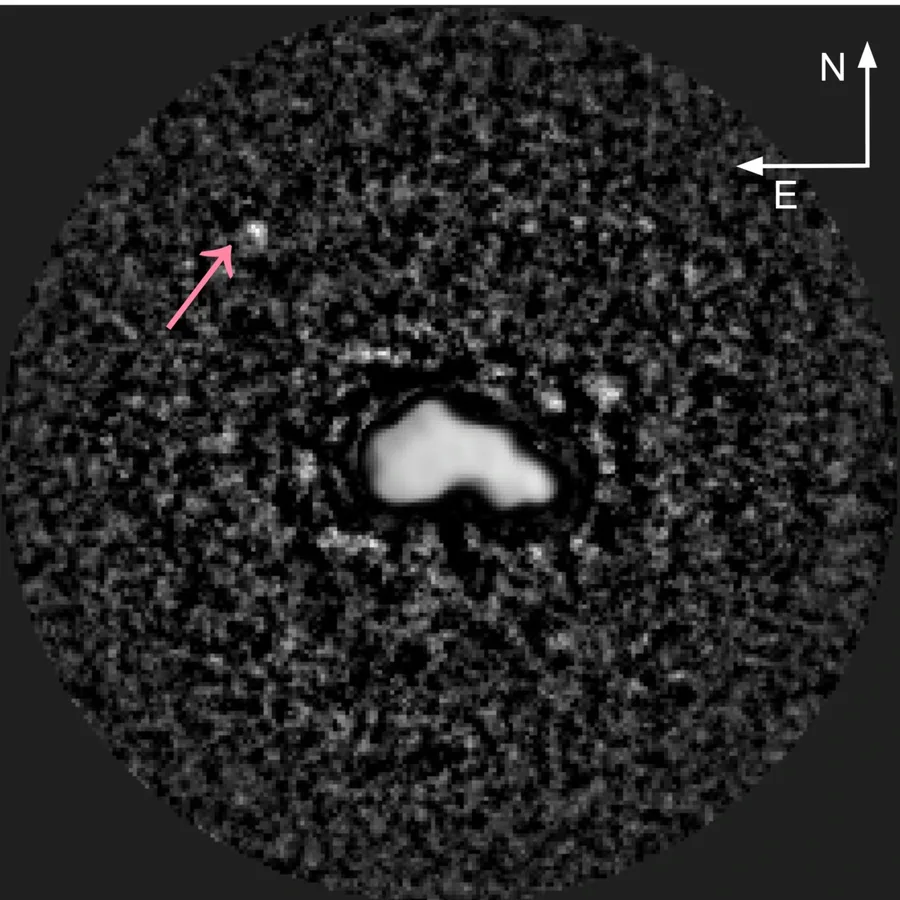
High-resolution images from ESO’s Very Large Telescope and the Large Binocular Telescope reveal that the E-type asteroid (44) Nysa may be unlike any other world in the Solar System, with three connected lobes and a newly discovered satellite that could help explain how the bizarre object formed. The post Astronomers Discover First-Ever Three-Lobed Asteroid appeared first on Sci.News: Breaking Sci…

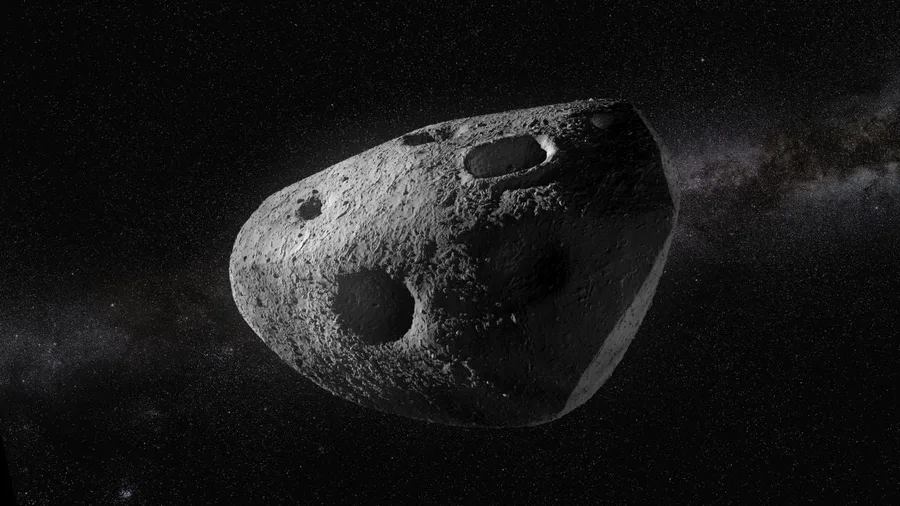
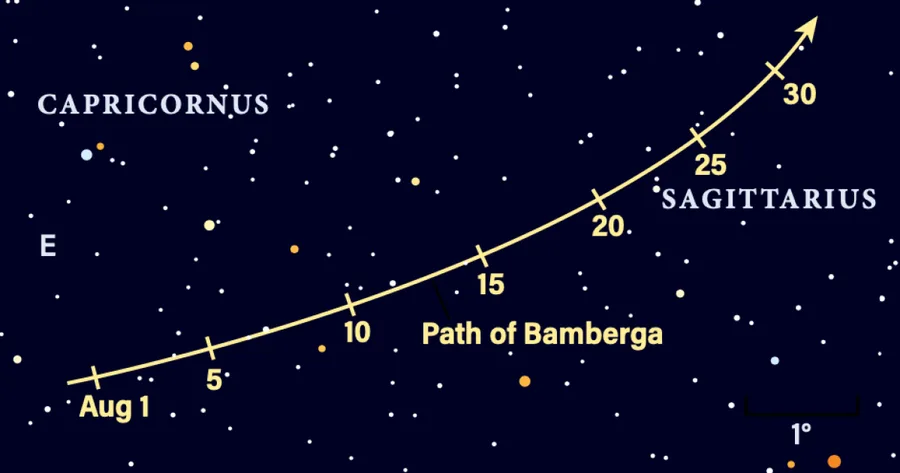
Looking for a sky event this week? Check out our full Sky This Week column.  August 3: A solar system trio Rising around sunset and standing highest around midnight, asteroid 324 Bamberga is visible in a small scope this evening, moving against the background stars of Capricornus. Look for it in the south around local midnight, about Continue reading "The Sky Today on Tuesday, August 4: Asteroid …

What shape is an asteroid? For (44) Nysa, the honest answer until now has been that nobody knew. It is one of the brightest and largest E-type asteroids in the main belt, a class with a surface rich in enstatite, and its oddness has made it a favourite target for well over a hundred years. […] The post The Asteroid That May Be Three Worlds appeared first on Knowridge Science Report .

Mark Thompson (https://www.universetoday.com/authors/mark)
21d ago
We have been watching asteroid (44) Nysa for well over a century without ever really knowing what it looks like. Now the sharpest images ever taken of it, from two of the largest telescopes on Earth, have revealed two deep valleys running right around its circumference and the team behind them think those are necks, joining three separate lobes into a single 75 kilometre body. If that holds up, N…

A new study suggests that the asteroid impact that wiped out the dinosaurs may have been even more deadly than scientists once thought. Researchers now believe that a huge cloud of dust left behind after the impact trapped heat in Earth’s atmosphere, creating temperatures high enough to ignite wildfires around the world and kill many […] The post Dinosaur-Killing Asteroid Created a Planet-Wide Fi…

A mysterious three-lobed asteroid appears to have its own moon, scientists have revealed. The asteroid known as 44 Nysa was discovered nearly 170 years ago, back in 1857. Using some of the world's most powerful ground-based telescopes, researchers have finally been able to determine the asteroid's shape. The object appears to consist of three distinct lobes, each connected to the others by slend…

44 Nysa - An Asteroid Now With Its Own Moon Asteroid (44) Nysa, discovered in 1857 by astronomer Hermann Goldschmidt, has gotten a lot of study in the last 170 years but a recent analysis of data reveals it has its own moon. News Account Wed, 07/29/2026 - 20:26 Categories Space

Mark Thompson (https://www.universetoday.com/authors/mark)
7/15/2026

After chasing a small asteroid across a billion kilometres of space, China's Tianwen-2 probe has finally caught up, closing to within twenty kilometres of its target and beginning detailed scientific study. What it uncovers next could help settle a genuinely intriguing question, whether this quiet companion of Earth is simply another asteroid, or a long lost piece of the Moon itself.

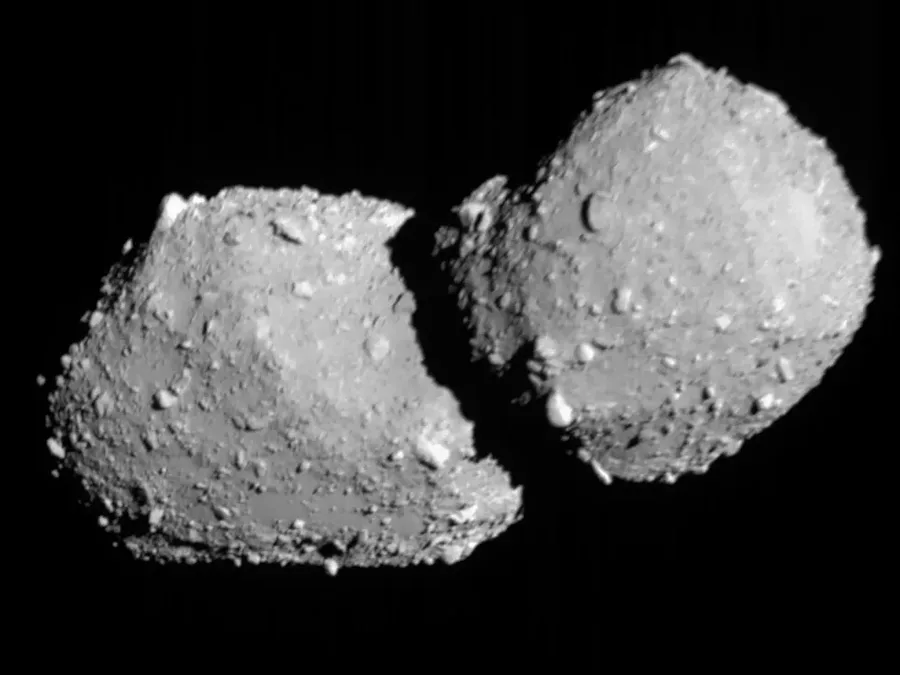
Earlier this month, Japan’s veteran Hayabusa2 sample return spacecraft performed a surprisingly rapid and close-up flyby of a near Earth asteroid. The Japan Aerospace Exploration Agency (JAXA) launched Hayabusa2 in 2014 to visit the asteroid Ryugu, arriving in June 2018, and returning samples back to Earth in December 2020. But after dropping off its precious cargo via reentry capsule, JAXA then …

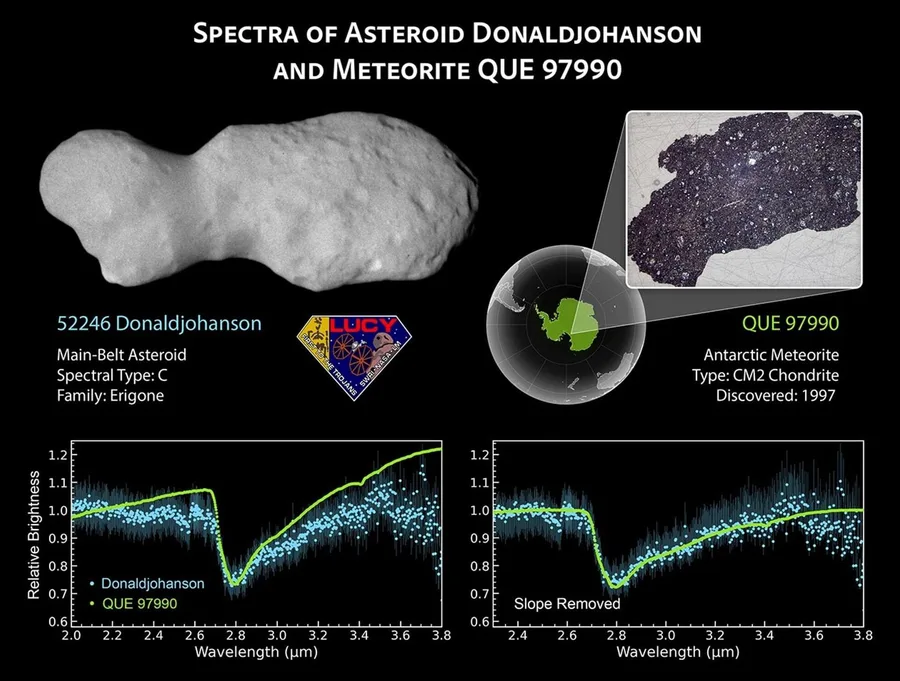
A bizarre wobbling asteroid revealed by NASA’s Lucy mission is exposing hidden clues about ancient water, cosmic collisions, and the origins of the solar system. NASA’s Lucy spacecraft discovered that asteroid Donaldjohanson is a wobbling, peanut-shaped relic born from a violent collision and slowly reshaped by the subtle force of sunlight. It also carries traces […]

research.ioresearch.io

Sign up to keep scrolling

Create your feed subscriptions, save articles, keep scrolling.

Already have an account?