Andy Tomaswick (https://www.universetoday.com/authors/andy-tomaswick)
9h ago
Monitoring Earth from above is a messy, inconsistent business. Clouds can block a satellite view, the angle of the Sun can create huge shadows, and orbital paths might not take a system across the same general area for weeks. That inconsistency is hard to deal with for traditional software, and can even confuse standard deep learning algorithms. But, according to a new review paper by researchers…
Andy Tomaswick (https://www.universetoday.com/authors/andy-tomaswick)
1d ago
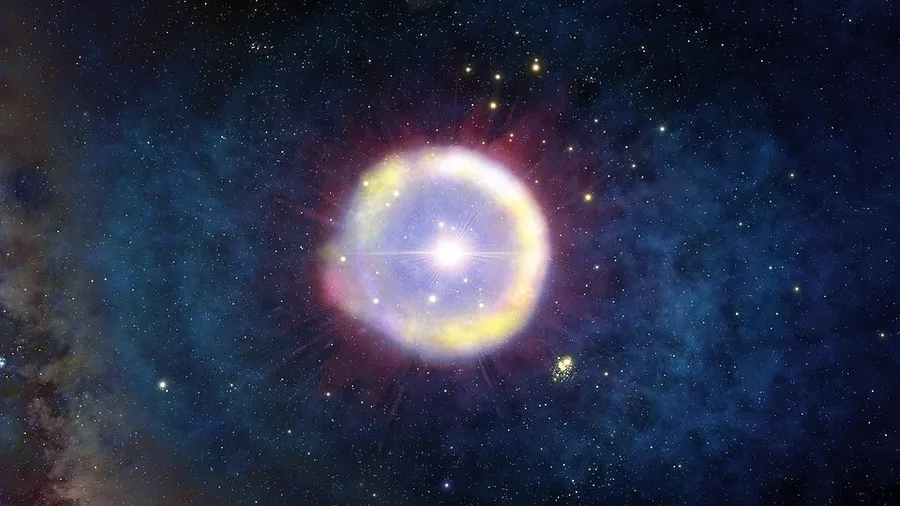
As our telescopes have improved and we’ve been able to peer farther back in time, we’ve begun finding more fascinating features of the universe. But one thing we definitely haven’t found yet is Population III (Pop III) stars. These were the earliest stars in the universe, formed completely from pristine hydrogen and helium, with no “metals” (i.e. elements heavier than those two) polluting their p…
Andy Tomaswick (https://www.universetoday.com/authors/andy-tomaswick)
2d ago
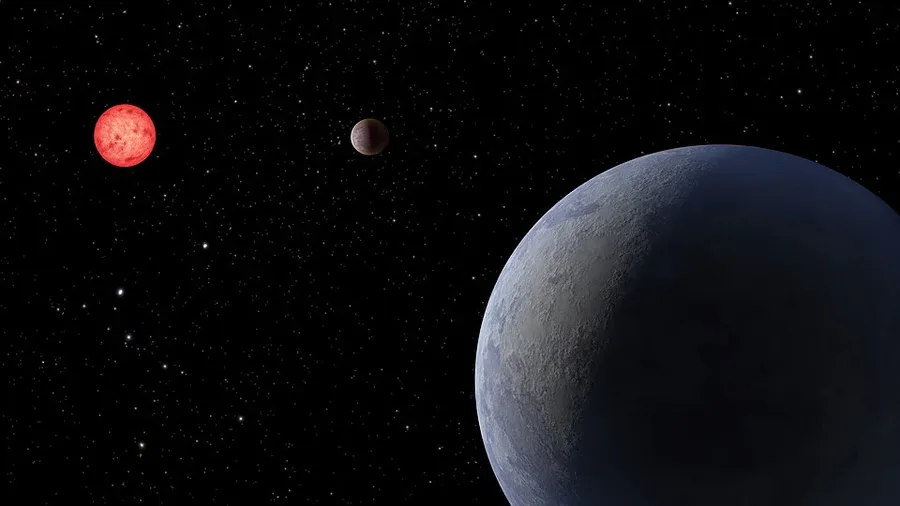
The James Webb Space Telescope (JWST) has opened up many wonders of the cosmos to scientists since it began its science operations a few years ago. But one thing that it hasn’t done is find an “exomoon”. These, as yet still theoretical, moons orbit exoplanets in other star systems, and JWST was supposed to find a plethora of them. However, so far it has found precisely none. It seems the cause is…
Matthew Williams (https://www.universetoday.com/authors/houseofwilliams)
2d ago
UK astronomers have uncovered new clues about the origin of 3I/Atlas – only the third known object from beyond our Solar System ever spotted in our cosmic neighbourhood.
Matthew Williams (https://www.universetoday.com/authors/houseofwilliams)
2d ago
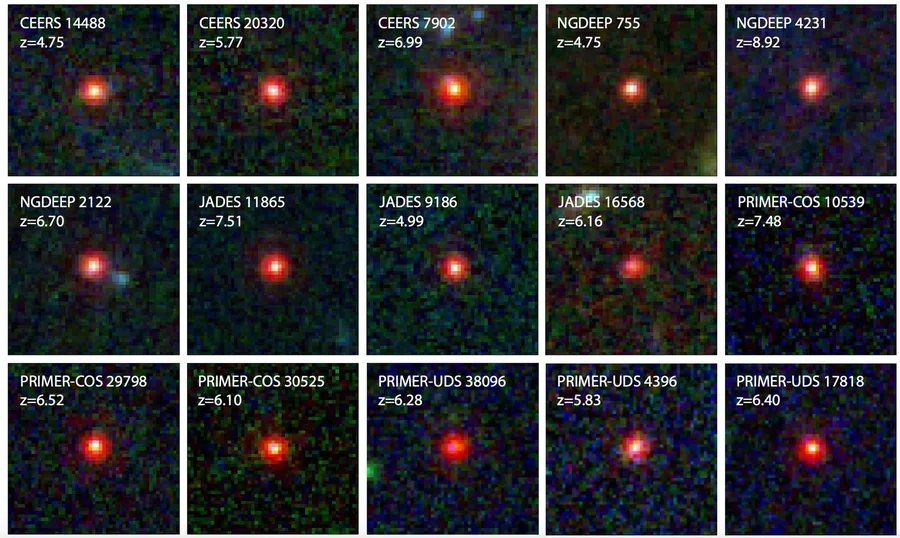
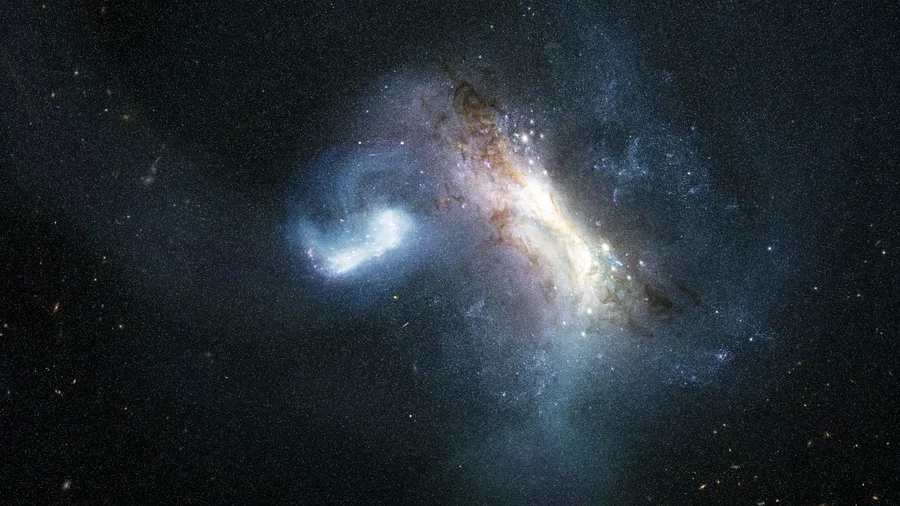
Those "Little Red Dots" discovered by the James Webb Space Telescope, galaxies that existed during the very early Universe, could be sending neutrino particles that are reaching us today.
Andy Tomaswick (https://www.universetoday.com/authors/andy-tomaswick)
3d ago
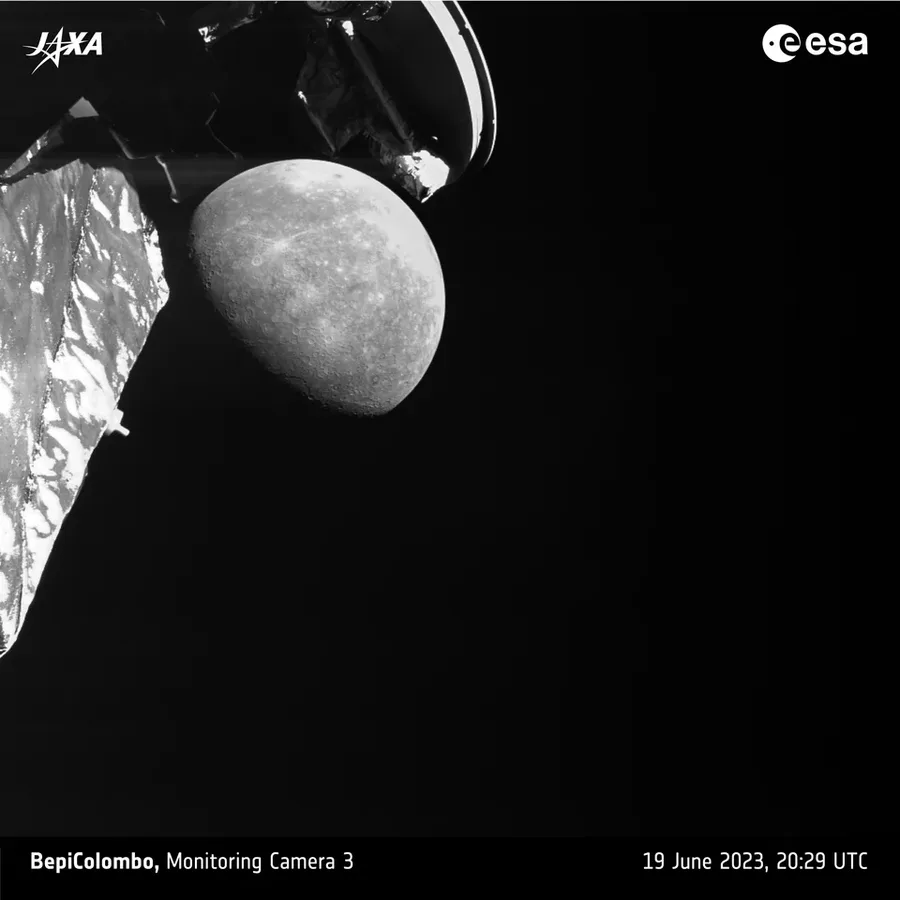
The latest mission to the innermost planet in the solar system hit a milestone last week. After an eight year journey, BepiColombo finally separated from its propulsion stage to set itself up for an orbital insertion to Mercury. Taking place on September 3rd, the separation, which is part of a much longer series of logistical steps over the next few months, seemed to go without a hitch. But getti…
Matthew Williams (https://www.universetoday.com/authors/houseofwilliams)
6d ago
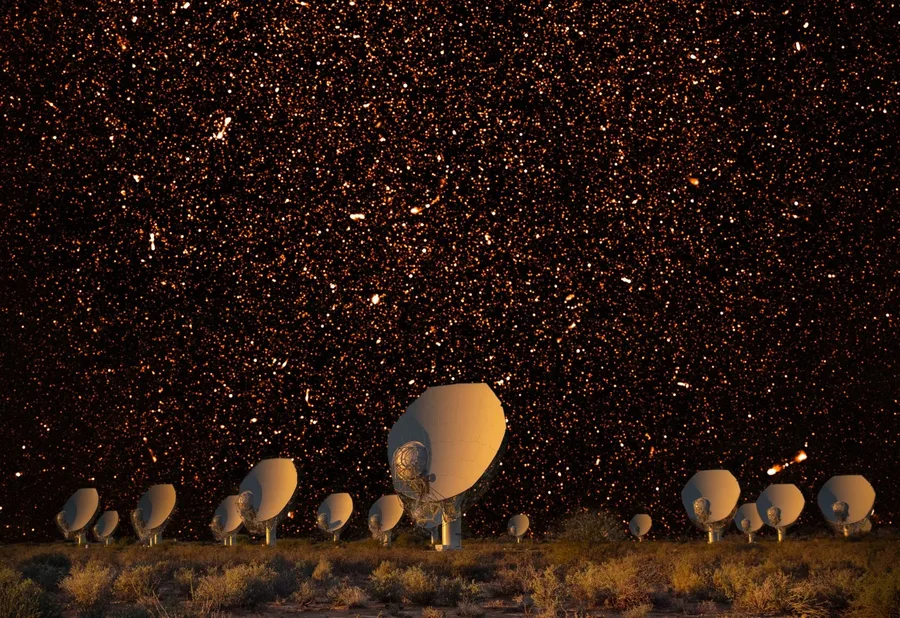
Astronomers have directly detected an extremely faint radio signal from hydrogen gas billions of light years away, demonstrating a powerful new way to map the Universe.
Matthew Williams (https://www.universetoday.com/authors/houseofwilliams)
9d ago
Cross-disciplinary research at Perimeter Institute and University of Maryland shows that dark photons could be lurking in more places than previously thought.
Brian Koberlein (https://www.universetoday.com/authors/brian)
9d ago
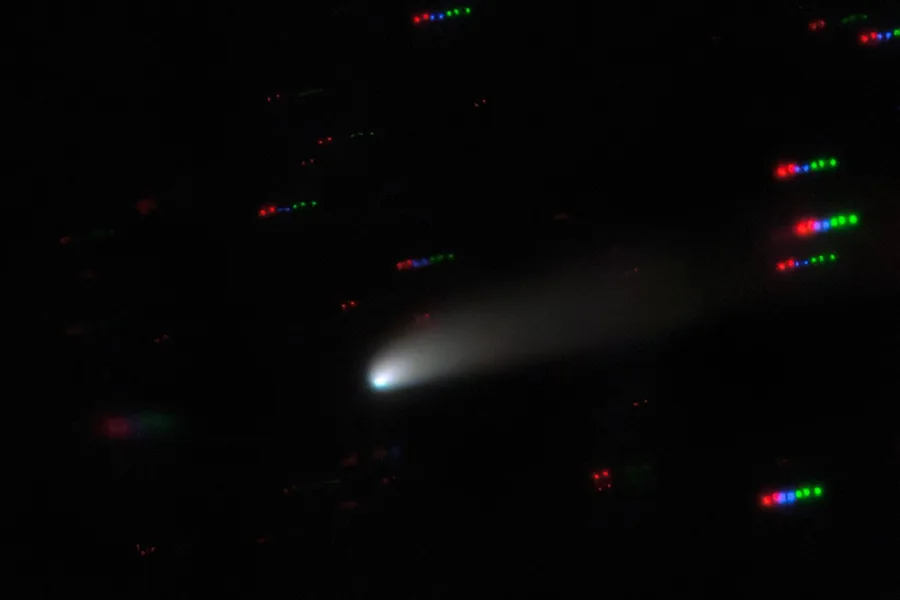
In 1992, Centaur 450P/LONEOS had a close encounter with Saturn, shifting its orbit closer to the Sun. Now astronomers can observe how a small icy body transforms into a comet over time.
Brian Koberlein (https://www.universetoday.com/authors/brian)
10d ago
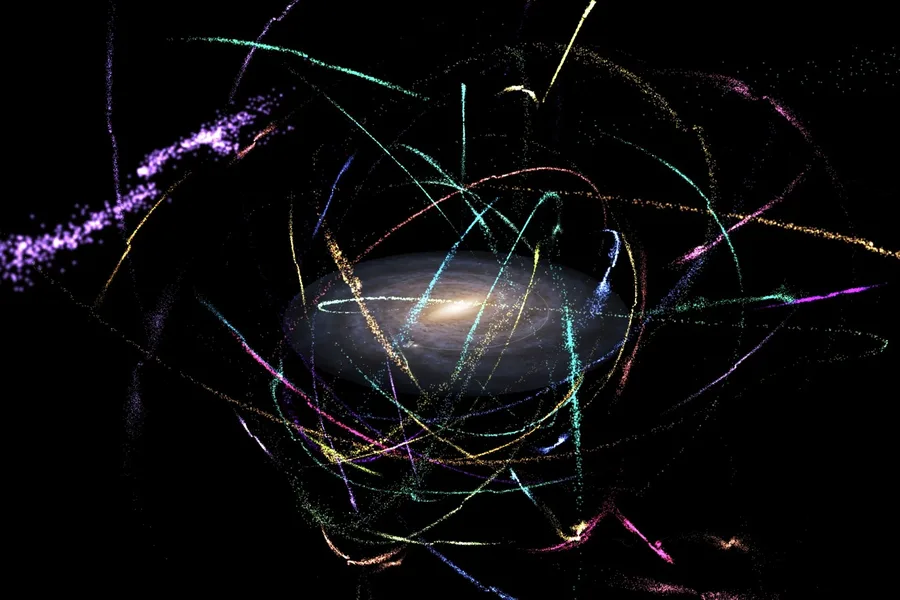
Astronomers study dark matter through simulations of stellar streams around the Milky Way. They found that kinks and clumps within these streams aren't caused by dark matter clusters within the galactic halo.
Alan Boyle (https://www.universetoday.com/authors/cosmiclog)
10d ago
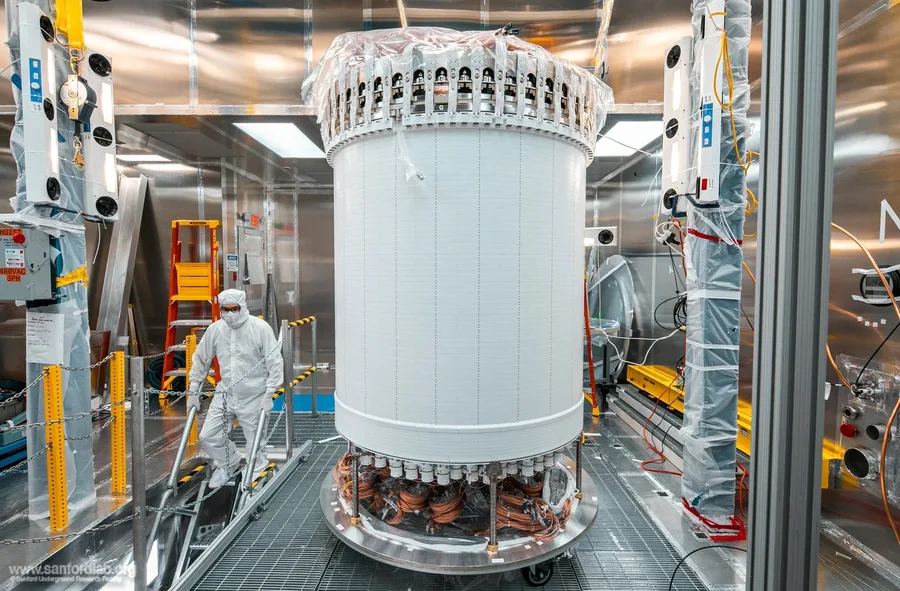
Dark matter is the invisible stuff that accounts for roughly 85% of the mass in the universe, and for decades, physicists have been trying to figure out what it's made of. Now an experimental facility located nearly a mile below ground in South Dakota has recorded a single interaction between subatomic particles that doesn't match what's expected from normal matter. Has a dark-matter particle bee…
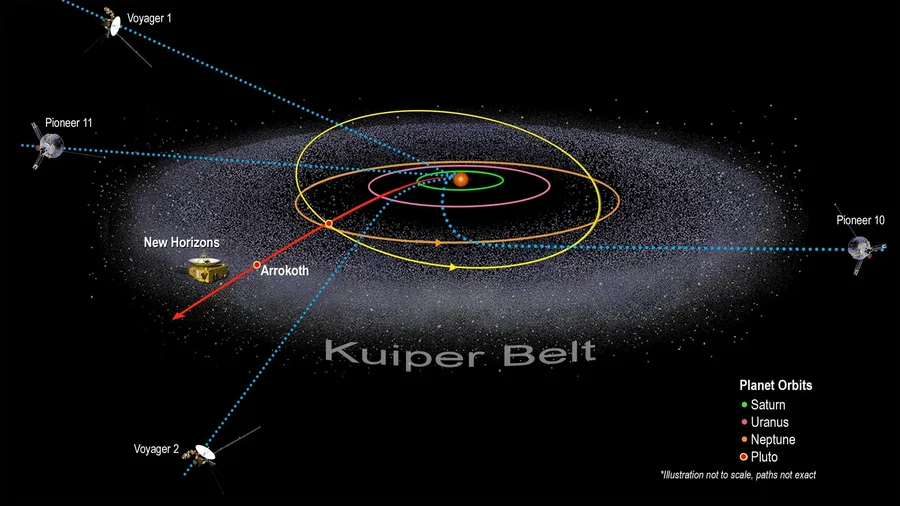
If you visit the New Horizons mission website frequently, you'll notice that the spacecraft continues to generate excellent science as it plows its way through the Kuiper Belt. It recently woke up from its latest hibernation period in good health and is transmitting data it gathered back to Earth. The spacecraft, in addition to studying the Jupiter system in 2007, the Pluto system in 2015, and th…
Matthew Williams (https://www.universetoday.com/authors/houseofwilliams)
13d ago
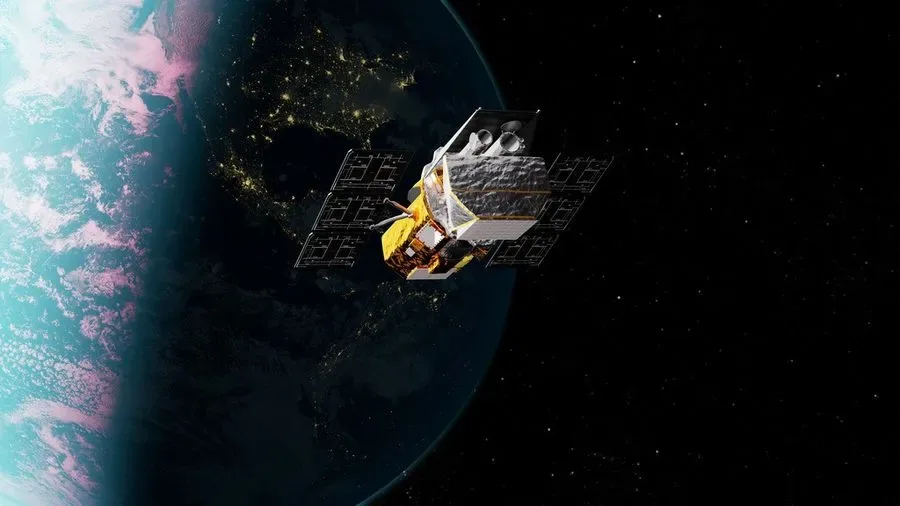
Due to an ongoing commercial spacecraft attitude control issue, NASA and Katalyst Space announced Wednesday the LINK spacecraft will attempt to conduct rendezvous and proximity operations with NASA’s Neil Gehrels Swift Observatory to demonstrate key capabilities for the future of space exploration.
Matthew Williams (https://www.universetoday.com/authors/houseofwilliams)
15d ago
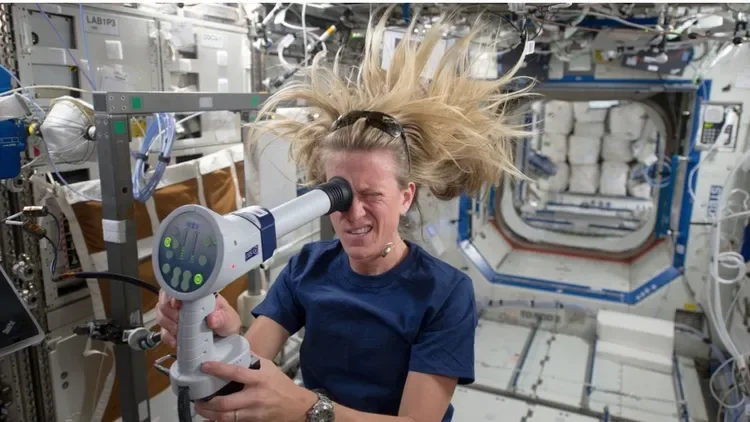
A new study identifies possible mechanisms behind changes in astronauts' lower eyelids, a symptom associated with long periods in space that can affect their eyesight.
Matthew Williams (https://www.universetoday.com/authors/houseofwilliams)
16d ago
New data from NASA’s Hubble Space Telescope shows definitive evidence of a dwarf galaxy merging with the young Milky Way galaxy in the earliest phases of its evolution. This finding extends our knowledge of our galaxy’s history 1.8 billion years farther back in time than before.
Andy Tomaswick (https://www.universetoday.com/authors/andy-tomaswick)
17d ago
Some of the strangest weather in the solar system doesn’t happen on Earth, or even Jupiter’s Great Red Spot - it happens in the interior of the Ice Giants like Neptune and Uranus. Specifically, scientists have long believed that, at certain pressure and temperatures, it literally rains diamonds inside of these planets. And for the first time, scientists have mimicked the process they believe crea…
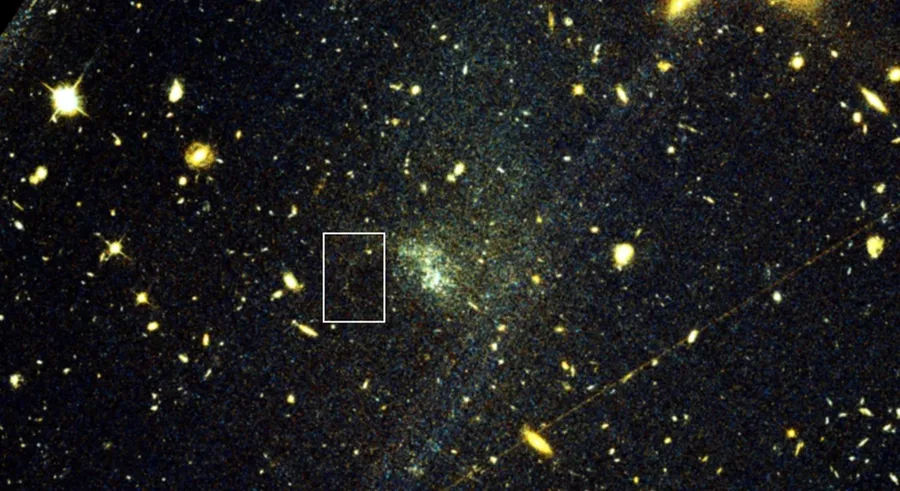
Dark matter continues to challenge astronomers as they work to solve the mystery of this so-far-unseen material that permeates the Universe. It's not that the stuff doesn't exist. It does, but we just can't see it. The only way it can be detected is by its gravitational effects on ordinary matter. A team of researchers led by University of Copenhagen PhD student Julie Kiel Holm has found a stream…
David Dickinson (https://www.universetoday.com/authors/david-dickinson)
23d ago
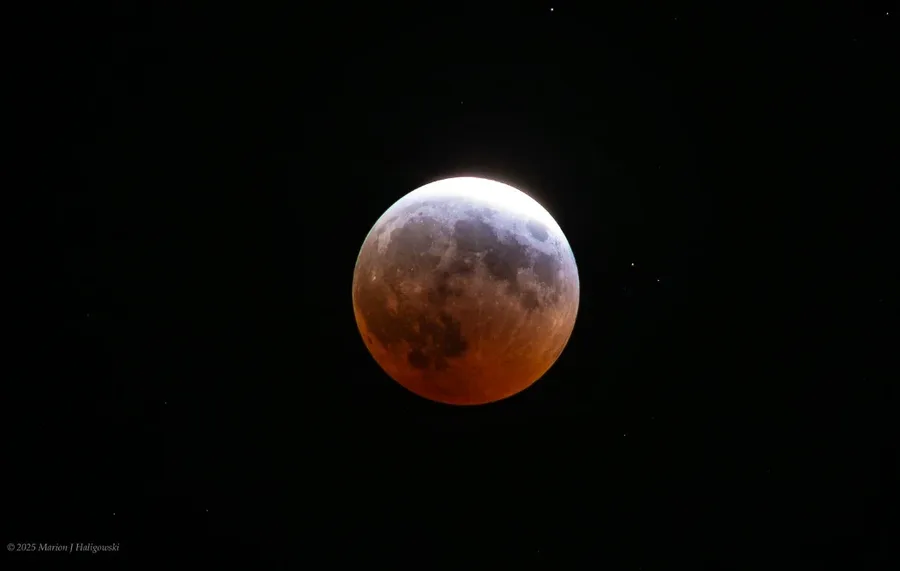
So, did you miss the August 12th total solar eclipse? Like lots of humanity, we sat out the celestial drama of this month's solar eclipse, both total and partial. But the good news is, a large swath of the world can still catch the eclipse season spirit, with a deep, nearly total partial lunar eclipse next week. The event is the last eclipse of four (two lunar and two solar) for 2026. This also m…
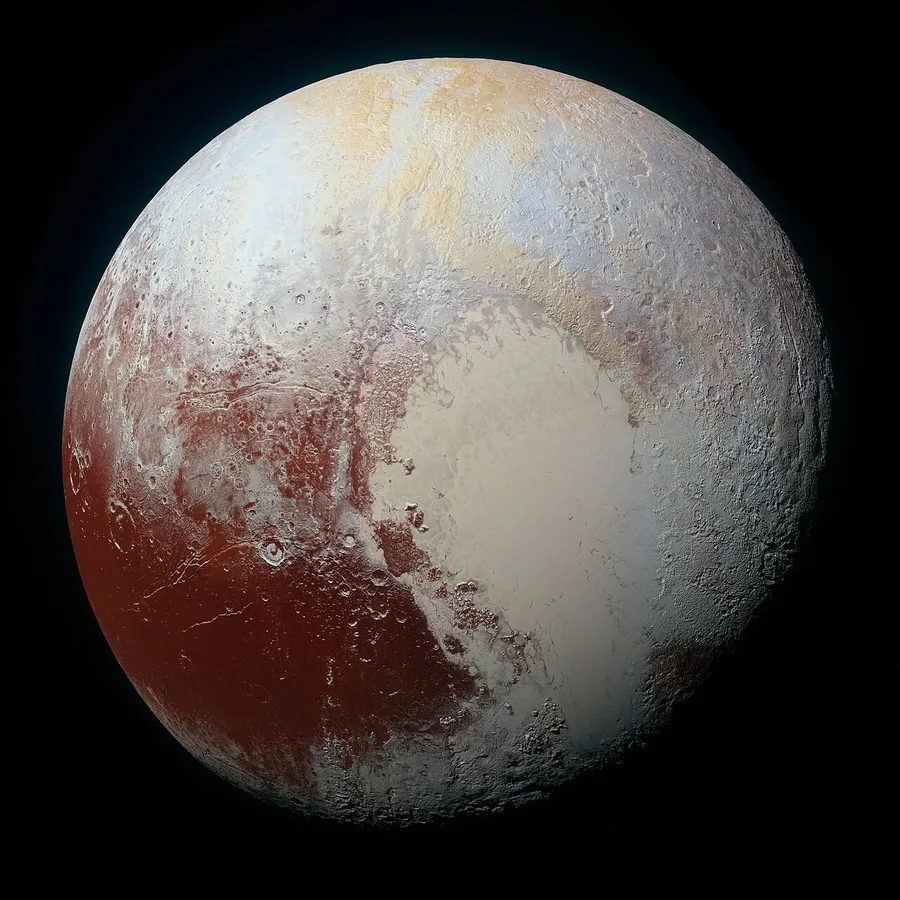
Something's wetting the surface of dwarf planet Pluto along the northern edge of Sputnik Planitia, and planetary scientists have found a good explanation for it. A recent study of new Horizons images taken during the 2015 flyby revealed evidence that liquid nitrogen is rising up through cracks in Sputnik Planitia. That's the giant heart-shaped glacial basin we see in all the Pluto images taken by…
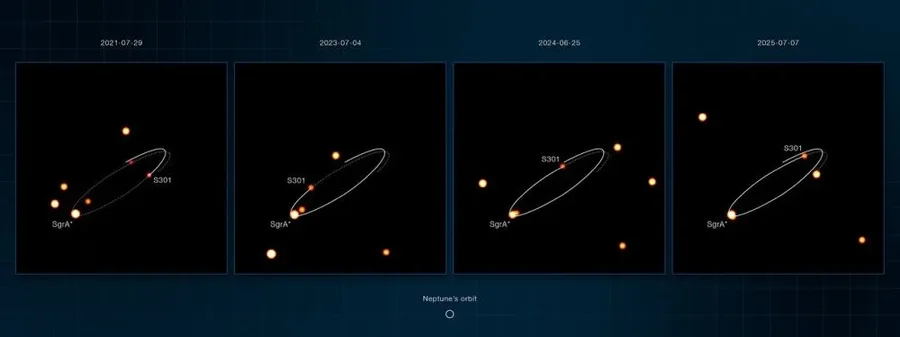
Astronomers have discovered another S star, the population of stars that orbits the Milky Way's SMBH. This one is the fastest of them all, and also comes closest to the SMBH. It will let astronomers test relativity, especially the Lense-Thirring effect.



 research.io