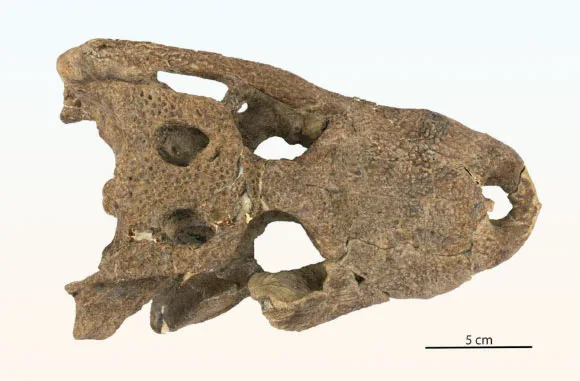
Paleontologists have identified a new species of extinct alligatorid that lived in what is now Colorado just a few hundred thousand years after the asteroid impact that wiped out the non-avian dinosaurs. The post Ancient Alligator Relative Lived Right After Dinosaur-Killing Asteroid appeared first on Sci.News: Breaking Science News .
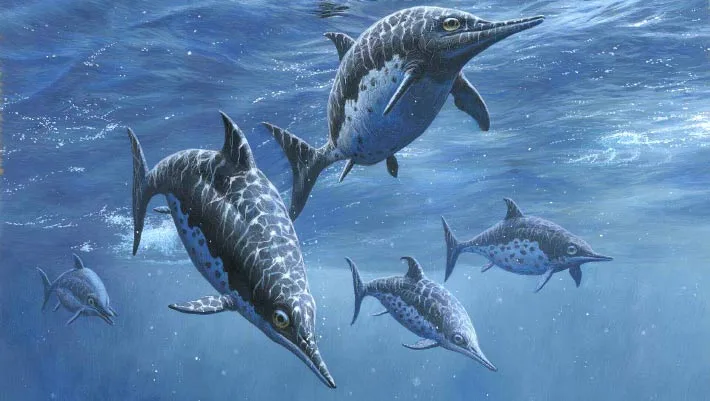
New research from the Natural History Museum at the University of Oslo suggests ichthyosaurs’ rib cages may have done a job modern whale ribs don’t: acting as ballast to help them dive. The post Ichthyosaurs Had Surprisingly Dense Ribs, New Study Finds appeared first on Sci.News: Breaking Science News .
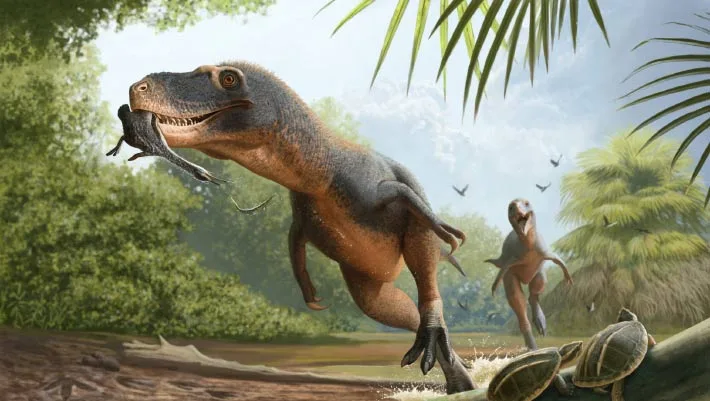
Paleontologists in Montana have discovered remarkably preserved feathers of an ancient aquatic bird inside a fossilized dinosaur dropping, offering rare insight into why certain birds survived the asteroid strike that wiped out the dinosaurs 66 million years ago. The post Exceptionally Preserved Bird Feathers Found in 66-Million-Year-Old Dinosaur Coprolite appeared first on Sci.News: Breaking Sci…
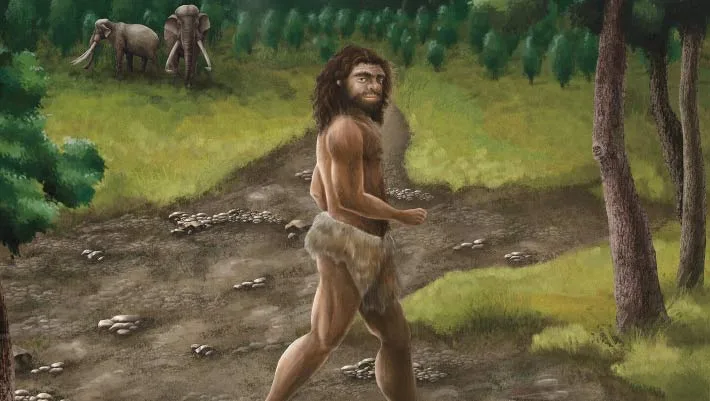
Paleoanthropologists have identified a trove of Denisovan fossils from a cave in China’s Yunnan province, extending the known range of the elusive human relative and providing the first-ever direct evidence of what its forearm bones looked like. The post Denisovans Once Roamed Southwest China, New Fossils Reveal appeared first on Sci.News: Breaking Science News .
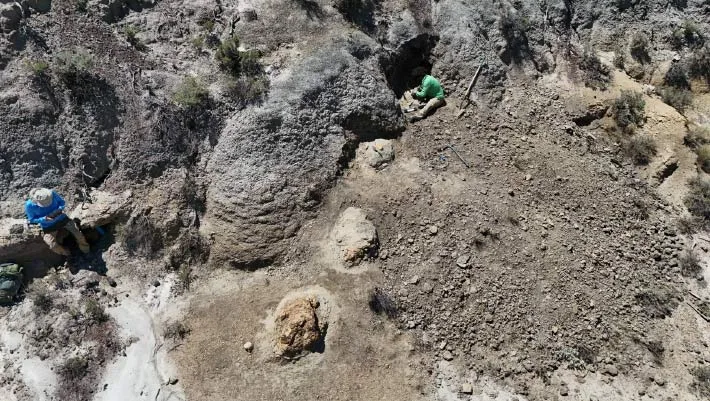
Paleontologists in North Dakota have unearthed a set of 66.5-million-year-old fossilized footprints that can be confidently attributed to a full-grown Tyrannosaurus rex. The post Paleontologists Discover First-Ever Adult Tyrannosaurus rex Trackway appeared first on Sci.News: Breaking Science News .
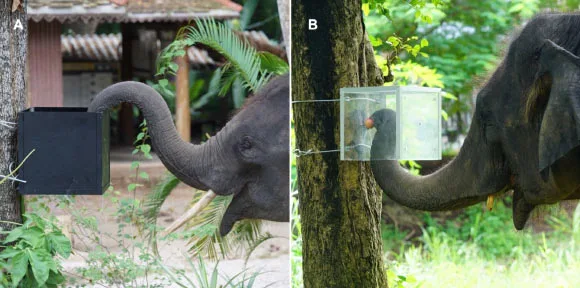
In experiments in Thailand, Asian elephants (Elephas maximus) learned to ignore an enticing but ineffective route to food and quickly adapted when a familiar solution stopped working. The post Elephants Show Talent for Resisting Impulses appeared first on Sci.News: Breaking Science News .
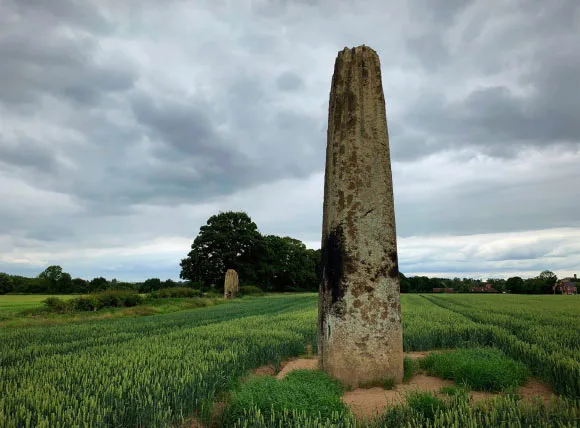
Scientists from Curtin University and the University of York have pinpointed the origin of the Devil’s Arrows, the three towering gritstone megaliths that have stood on the edge of Boroughbridge, Yorkshire, for roughly 4,000 years, ending a long-running archaeological debate. The post Britain’s Tallest Standing Stones Traced to Their Geological Source appeared first on Sci.News: Breaking Science …
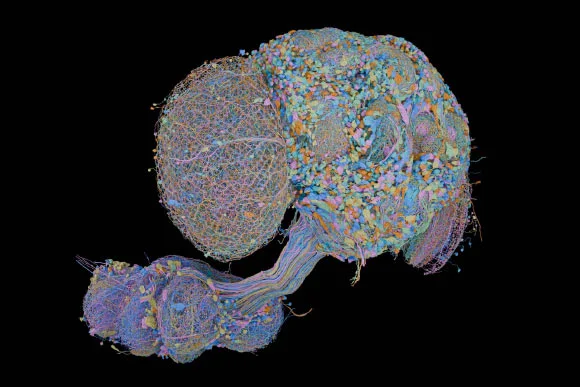
After nearly two decades of work, scientists have completed a wiring diagram of the central nervous system of an adult male fruit fly (Drosophila melanogaster). The post Researchers Unveil Complete Fruit Fly Connectome appeared first on Sci.News: Breaking Science News .
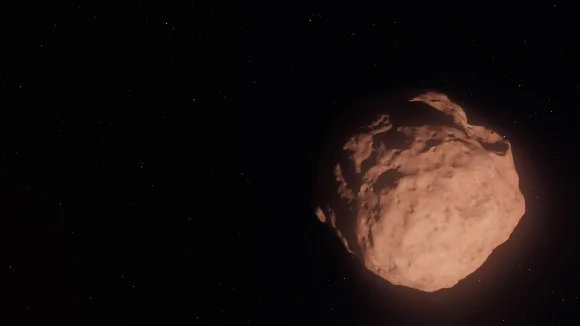
For the first time, astronomers combined Hubble and Webb space telescopes to hunt down some of the smallest, faintest objects ever spotted in the outer Solar System. The post Hubble and Webb Team Up to Spy Tiny Frozen Worlds beyond Neptune appeared first on Sci.News: Breaking Science News .
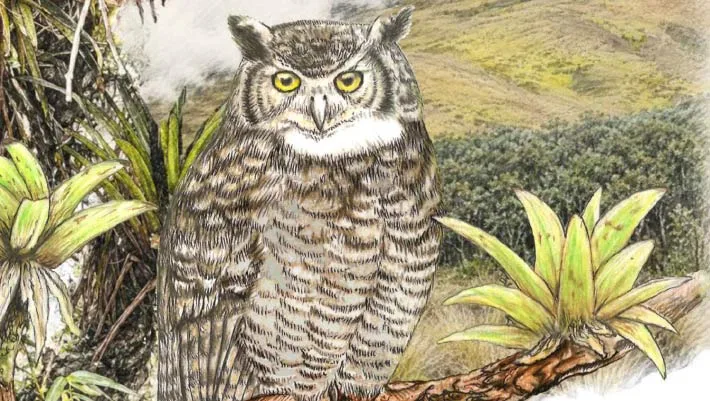
A horned owl living in a narrow strip of high-Andean grassland in northern Peru is a species new to science, according to a paper published in July 2026 in the journal Audiornis. The post New Owl Species Discovered in Peru appeared first on Sci.News: Breaking Science News .
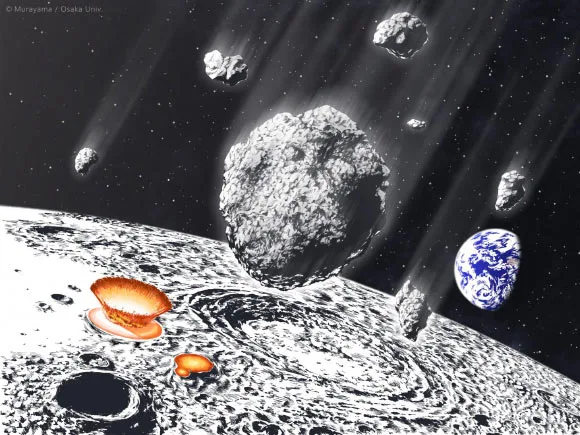
A cubic meter of lunar soil might be one of our best bets for finding physical proof that another advanced civilization once existed somewhere in the Milky Way, according to a new paper to be published in the International Journal of Astrobiology. The post Could Scoop of Moon Dust Reveal Alien Technology? appeared first on Sci.News: Breaking Science News .
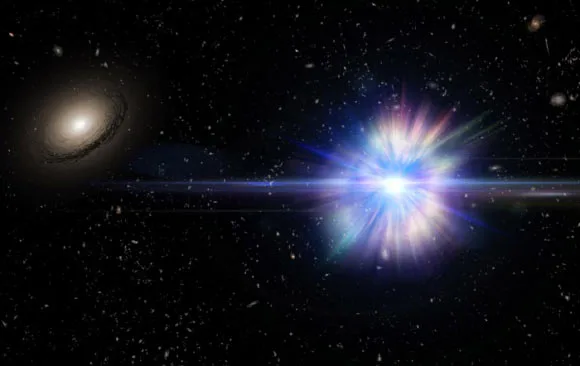
Astronomers have combined 2,884 Type Ia supernovae -- which are used to measure cosmic distances -- with cosmic microwave background and galaxy-mapping data, deepening cracks in the standard ‘cosmological constant’ model. The post Dark Energy May Not Be Constant After All, New Supernova Survey Suggests appeared first on Sci.News: Breaking Science News .
Scientists have identified the first dinosaur fossil from a remote western section of the Bayan Gobi Formation in China’s Inner Mongolia, extending the known geographic range of dinosaur fossils in this important Early Cretaceous rock unit. The post 115-Million-Year-Old Dinosaur Fossil Recovered from Deep Drill Core in China appeared first on Sci.News: Breaking Science News .
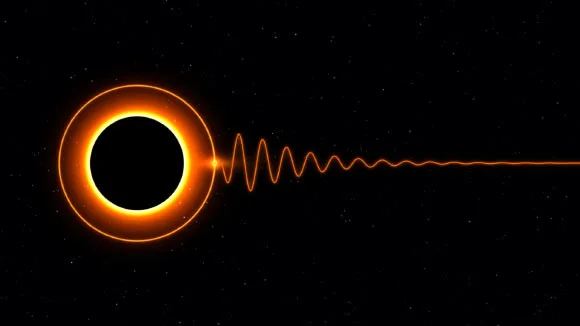
When two black holes merge, the resulting object rings like a struck bell, radiating gravitational waves that fade in a distinctive pattern called ringdown. The post Physicists Devise New Way to Listen for ‘Hairy’ Black Holes appeared first on Sci.News: Breaking Science News .
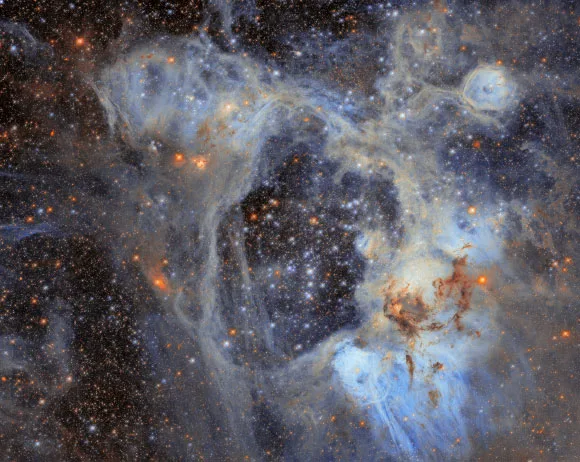
A new images from the NASA/ESA Hubble Space Telescope reveals LHA 120-N44, a striking nebula located roughly 160,000 light-years away in the Large Magellanic Cloud, a satellite galaxy of the Milky Way. The post Hubble Spots ‘Superbubble’ in Large Magellanic Cloud appeared first on Sci.News: Breaking Science News .
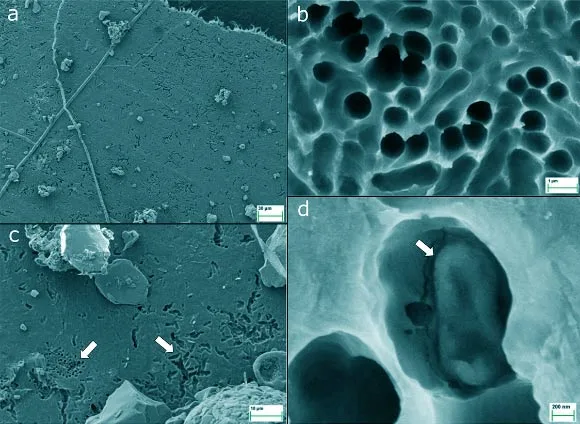
Biologists studying how bacteria break down a new generation of plant-based bioplastics -- long-chain aliphatic polyesters -- have discovered an enzyme that can dismantle both plastic and antibiotics. The post Scientists Discover Soil Bacteria Enzyme that Breaks Down Both Plastic and Antibiotics appeared first on Sci.News: Breaking Science News .
After nearly eight years and billions of kilometers of travel, BepiColombo -- a science mission led by ESA in close collaboration with JAXA -- has begun its long-awaited arrival at the smallest and innermost planet in our Solar System. The post BepiColombo Begins Final Approach to Mercury appeared first on Sci.News: Breaking Science News .
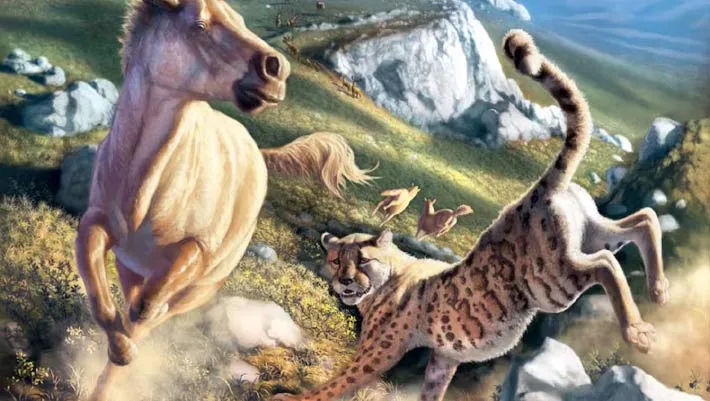
For several decades, paleontologists have described Miracinonyx trumani -- an extinct species of cheetah-like felid that roamed the North American prairies and steppe terrains more than 13,000 years ago -- as North America’s answer to the African cheetah (Acinonyx jubatus). The post Ancient DNA Rewrites Story of Enigmatic ‘American Cheetah’ appeared first on Sci.News: Breaking Science News .
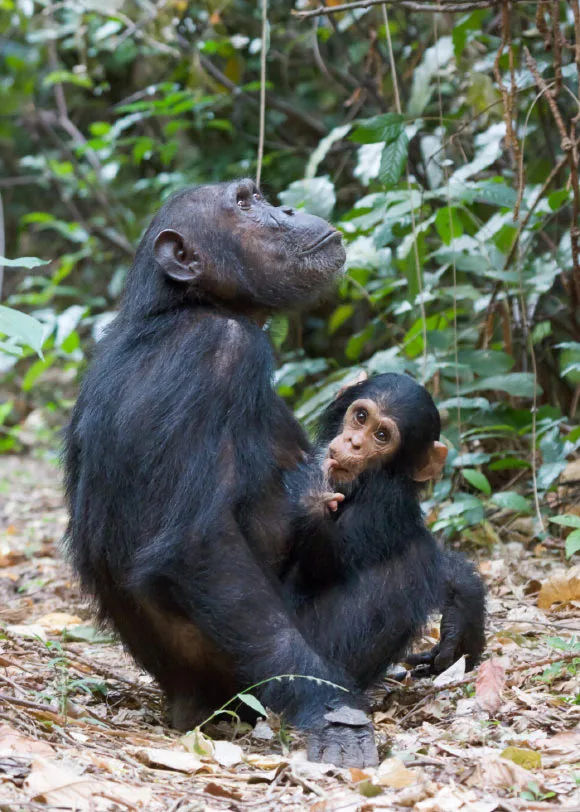
Researchers tracking grunts, whimpers and laughter across two geographically separated chimpanzee populations found that vocal differences sharpen with age. The post Young Chimps Develop Their Own Accents, New Study Finds appeared first on Sci.News: Breaking Science News .
Researchers have identified more than 1,200 locations in the human genome associated with personality traits, offering the most detailed look yet at the biological underpinnings of traits like sociability, anxiety and curiosity. The post Scientists Map Genetics of Personality across Million People appeared first on Sci.News: Breaking Science News .


 research.io