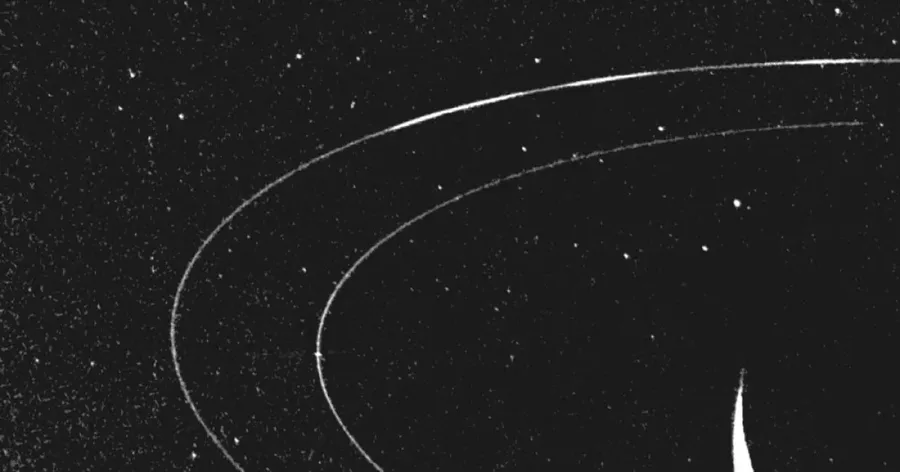
On Aug. 20, 1977, Voyager 2 launched from Cape Canaveral and began its epic journey to the outer planets – and beyond. Twelve years later, the spacecraft photographed Neptune as it approached the ice giant. Two days after that, on Aug. 22, 1989, NASA announced that Neptune had a ring system; the images had revealed Continue reading "Aug. 22, 1989: Voyager 2 reveals Neptune" The post Aug. 22, 1989…
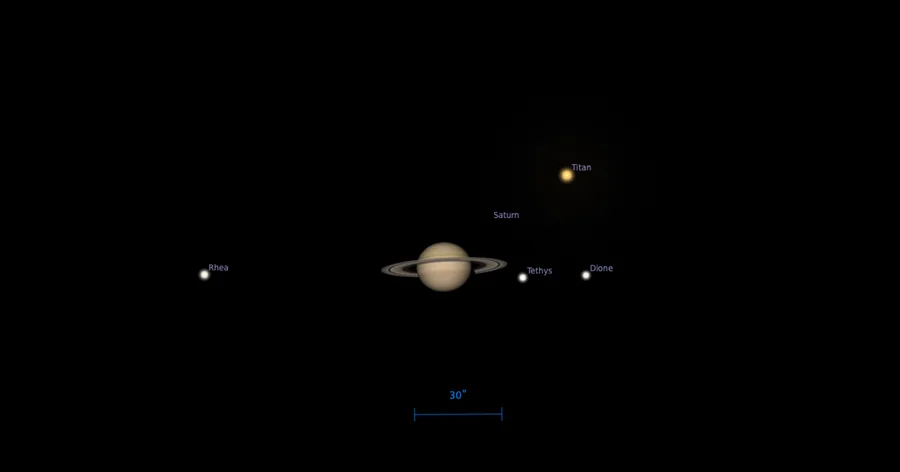
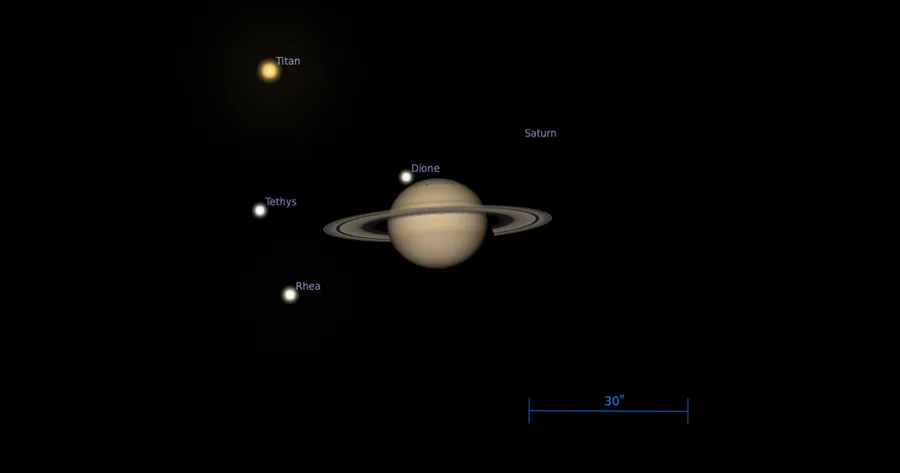
Looking for a sky event this week? Check out our full Sky This Week column. August 21: Titan nears Saturn as Dione skims past Titan, Saturn’s largest moon, was near the planet yesterday and remains close to its parent world today as it moves through its 16-day orbit. Visible in the early-morning sky, Saturn is highest in Continue reading "The Sky Today on Saturday, August 22: Titan northwest of …
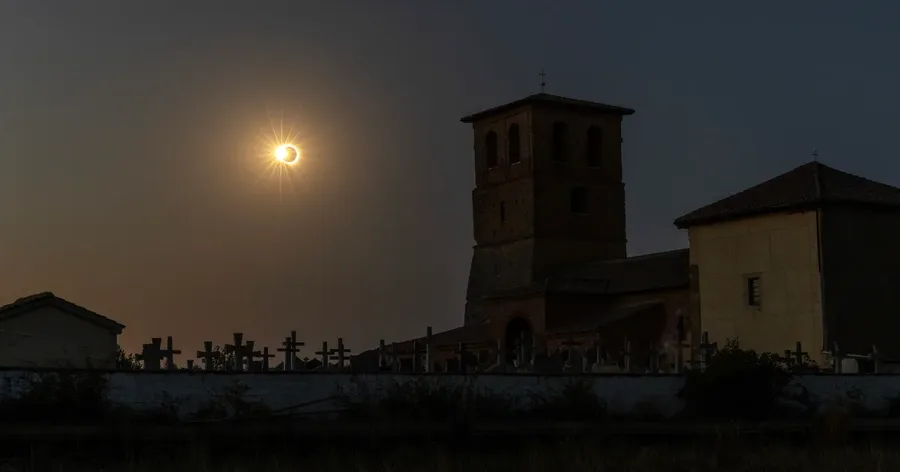
On Aug. 12, a total solar eclipse crossed Iceland and Spain — the first time totality has touched European soil since 1999, and the first time it’s crossed Iceland since 1954. Clouds spoiled the view for many in Iceland, but skies cleared for eclipse chasers in Spain. There, totality fell almost at sunset: some viewers Continue reading "Our favorite reader images of the 2026 total eclipse" The po…
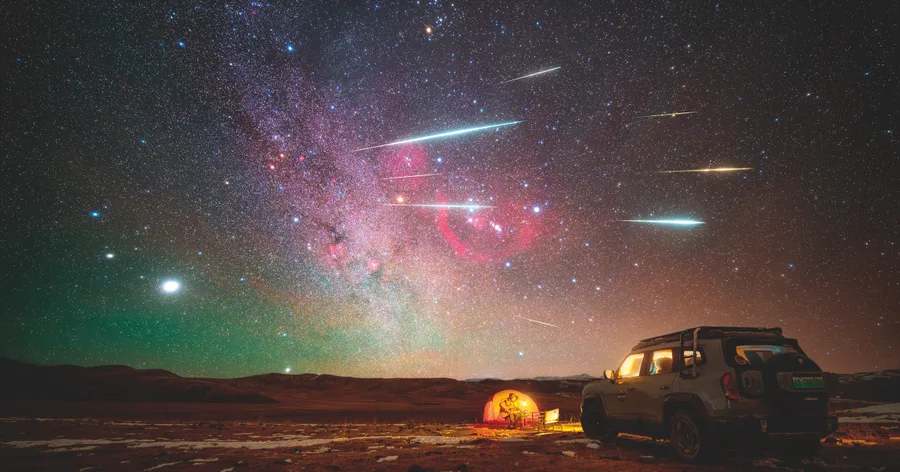
The Geminid meteor shower in mid-December is one of the highlights of the observing year, with as many as 120 meteors visible per hour from a dark site. To capture them, Qu Xiaofeng set off for the grasslands of Hongyuan County in China’s northwest Sichuan province, known for its wide expanses at altitudes above 11,000 Continue reading "Geminid melodies" The post Geminid melodies appeared first o…
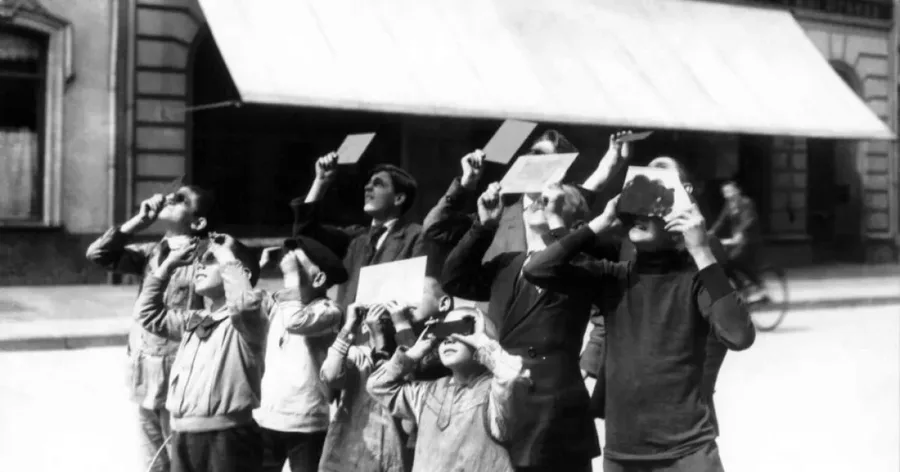
On Aug. 21, 1914, a total solar eclipse over Europe on the eve of World War I drew much attention. Albert Einstein had been waiting for an eclipse to verify his theory of relativity – specifically the light-bending effects of gravity – and enlisted help from Erwin Findlay-Freundlich of Berlin Observatory. Findlay-Freundlich was to lead Continue reading "Aug. 21, 1914: Total solar eclipse tensions…
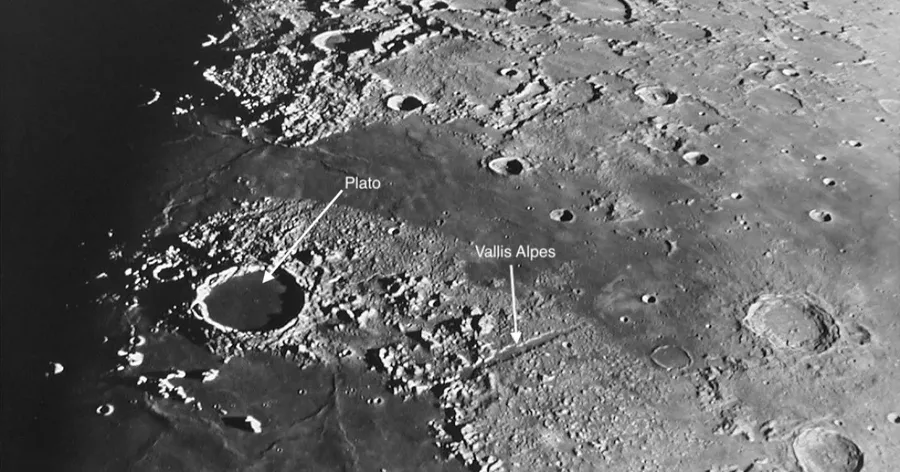
Looking for a sky event this week? Check out our full Sky This Week column. August 20: Dark, flat Plato Turn your gaze southeast early this morning to find Saturn already some 30° high, shining so brightly it’s easy to pick out among the dim stars populating this region. You’ll want a telescope — even a small Continue reading "The Sky Today on Friday, August 21: Titan nears Saturn as Dione skims…
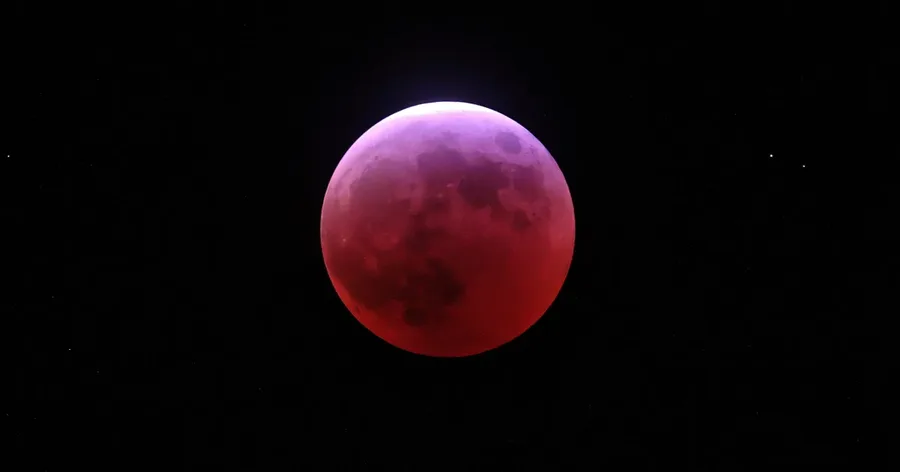
Friday, August 21The Moon passes 0.6° south of Antares in Scorpius at 1 A.M. EDT. By the time darkness falls this evening, the Moon has already pulled more than 10° away, now standing side by side with the bright red giant in the nighttime sky, to the far left of the star. An hour after Continue reading "The Sky This Week from August 21 to 28: Eclipsed Sturgeon Moon " The post The Sky This Week f…
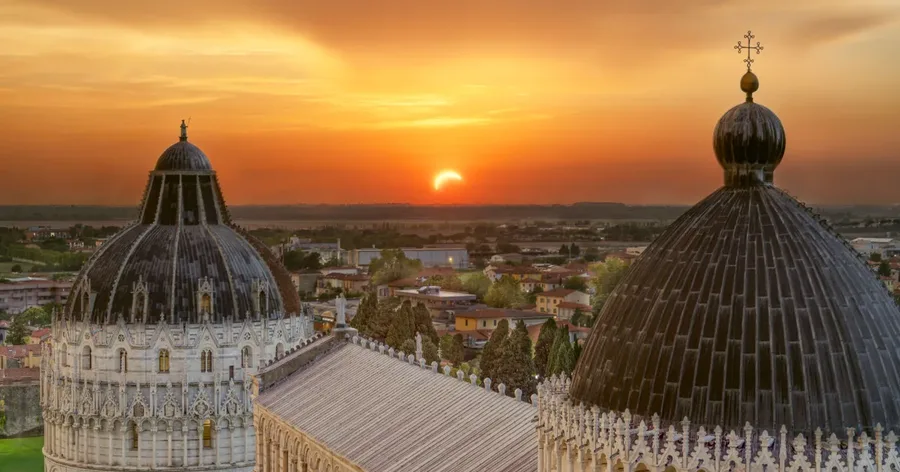
Marco Meniero, taken from Pisa, Italy A total solar eclipse crossed Greenland, Iceland, and Spain on Aug. 12, 2026; from Pisa, Italy, only a partial eclipse was visible, reaching about 94 percent obscuration as the Sun set behind the domes of the city’s cathedral complex in Piazza dei Miracoli. The photographer shot the single 0.3-second Continue reading "A leaning tower with a view" The post A l…
Born in 1915 in England, cosmologist Fred Hoyle attend Cambridge University, where he would later become a professor. Among other things, Hoyle would become known as the man who coined the term big bang – but, ironically, he used the phrase in his criticism of the theory. Instead of believing that the universe originated in Continue reading "Aug. 20, 2001: Cosmologist Fred Hoyle dies" The post Au…
Looking for a sky event this week? Check out our full Sky This Week column. August 19: The Helix Nebula The waxing gibbous Moon dominates the evening sky, located in Scorpius. You’ll find it close to the Scorpion’s red giant heart, 1st-magnitude Antares. Watch it close in as the hours tick by — our satellite will pass Continue reading "The Sky Today on Thursday, August 20: Dark, flat Plato" The …
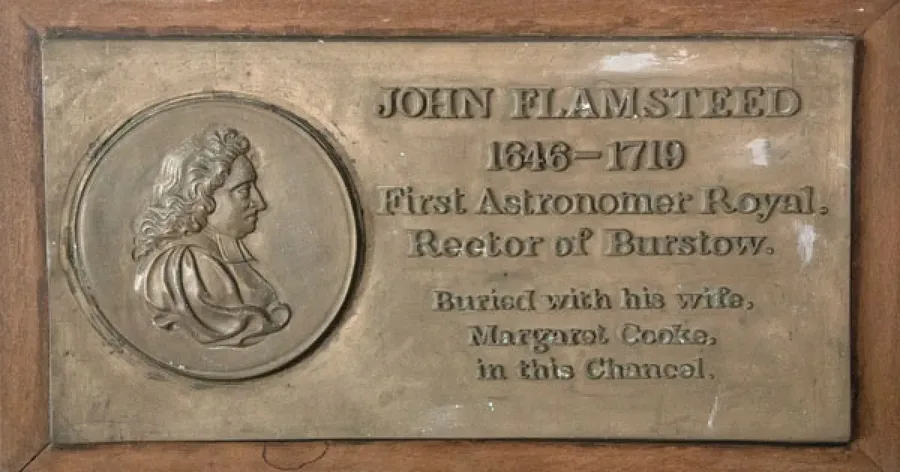
On Aug. 19, 1646, John Flamsteed was born in Derbyshire, England. Though he left school early due to illness and family obligations, he studied astronomy independently and eventually attended Cambridge University. European maritime trade was rapidly expanding during his lifetime, yet sailors still struggled with the longitude problem – north-south distance was easy to calculate Continue reading "…
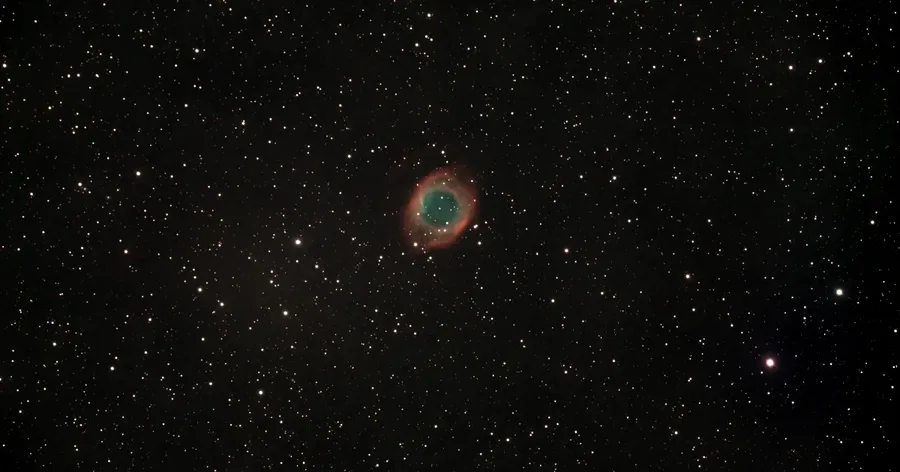
Looking for a sky event this week? Check out our full Sky This Week column. August 18: Stars and sparklers First Quarter Moon occurs at 10:46 p.m. EDT. The Moon is up nearly all evening, not setting until after 11 P.M. local daylight time, so our viewing options are a bit more limited, with only a short Continue reading "The Sky Today on Wednesday, August 19: The Helix Nebula" The post The Sky T…
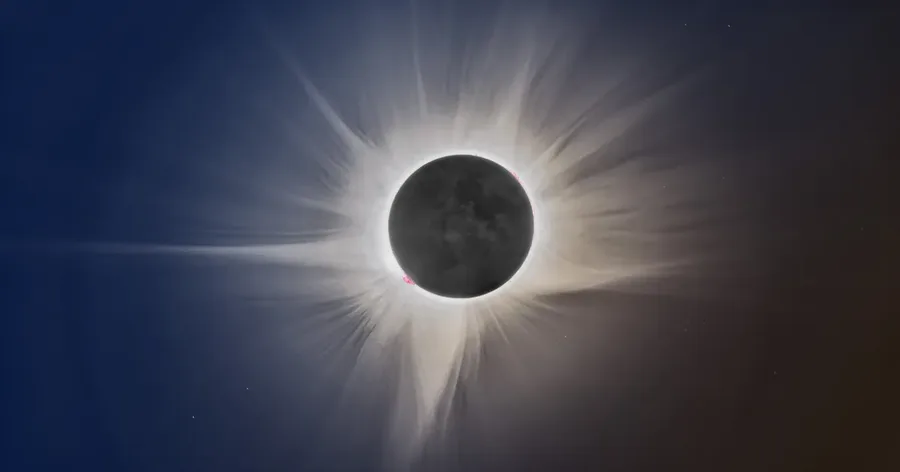
Alessandro Carrozzi, taken near Palencia, Spain The Sun’s corona glows in all its glory in this high-dynamic range image taken during totality on Aug. 12. Bright prominences are visible at the Sun’s limb, as well as faint outer structures formed by the solar wind streaming out along magnetic field lines. Earthshine is also apparent, dimly Continue reading "The corona from Spain" The post The coro…
During the total solar eclipse of Aug. 18, 1868, two astronomers, Pierre Jules César Janssen of France and J. Norman Lockyer of England, each independently discovered a new line in the Sun’s spectrum. Lockyer thought it showed an undiscovered element, which he named helium. (In Greek mythology, Helios was the Sun god.) Although scientists would Continue reading "Aug. 18, 1868: Helium is discovere…
Looking for a sky event this week? Check out our full Sky This Week column. August 17: Mars at Gemini’s feet Wait until after about 10 P.M. tonight to begin your deep-sky observing and the Moon won’t be a bother. An excellent target is NGC 6939, an open cluster in Cepheus the King. This cluster is quite Continue reading "The Sky Today on Tuesday, August 18: Stars and sparklers" The post The Sky …
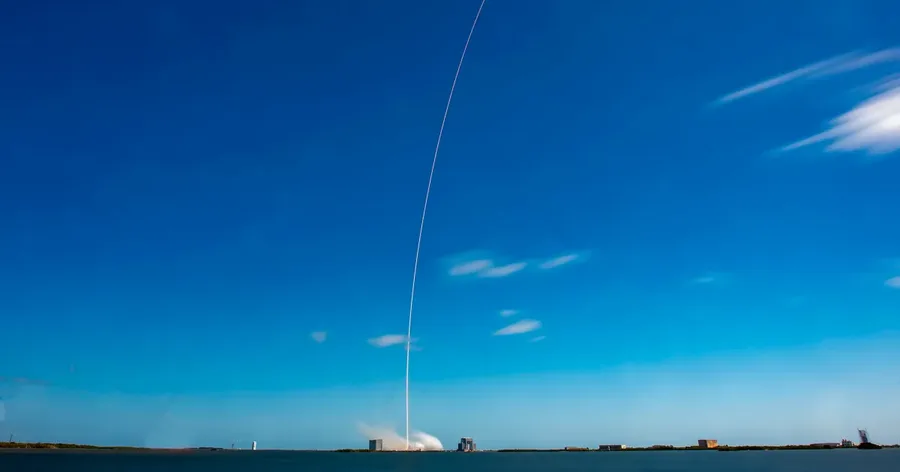
Rocket launches this week On Tuesday, Aug. 18, Chinese aerospace firm LandSpace is targeting 7:35 p.m. EDT for the second flight of its Zhuque-3 rocket from the Jiuquan Satellite Launch Center in China, according to tracking from Next Spaceflight. The launch was scrubbed last week after a Long March 7A rocket exploded hours before Zhuque-3’s Continue reading "More Starlink satellites and two big …
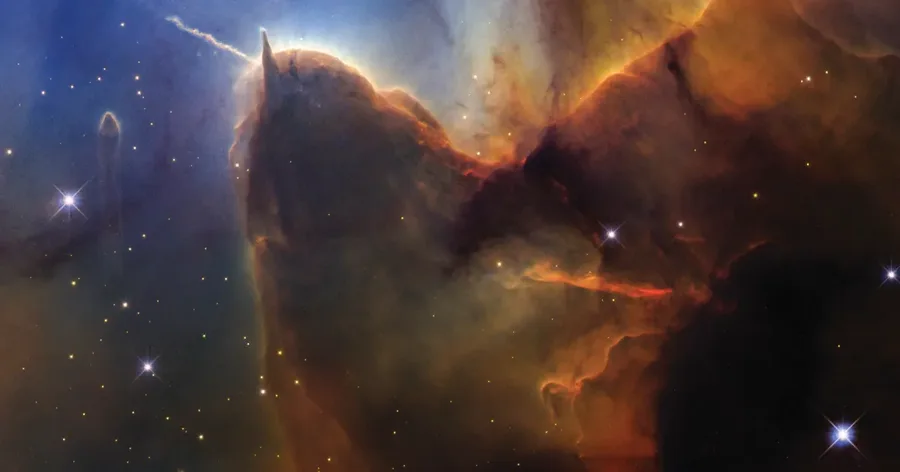
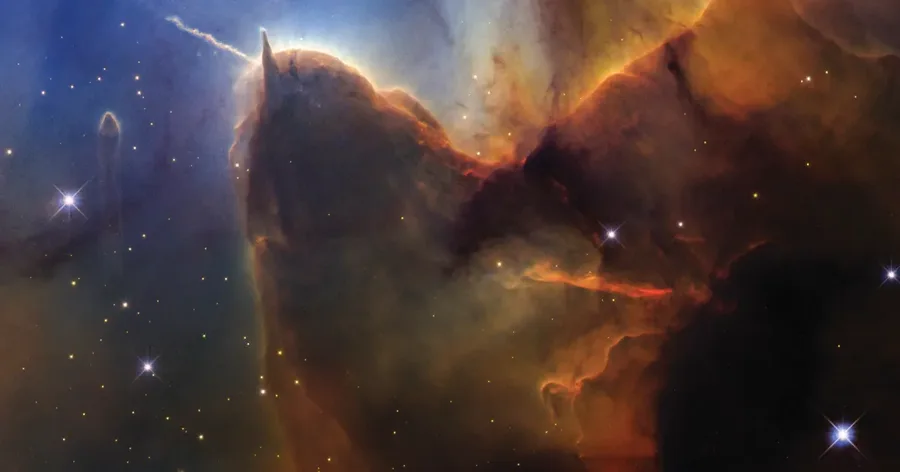
Life in space is hard. Most orbiting observatories retire well before their 20th birthday. Yet the Hubble Space Telescope has survived and continues to thrive well into its 30s. Astronomers celebrated the observatory’s 36th birthday in April by releasing a new image of the Trifid Nebula (M20). This stellar nursery lies about 5,000 light-years from Continue reading "Hubble captures a corner of M20…
Life in space is hard. Most orbiting observatories retire well before their 20th birthday. Yet the Hubble Space Telescope has survived and continues to thrive well into its 30s. Astronomers celebrated the observatory’s 36th birthday in April by releasing a new image of the Trifid Nebula (M20). This stellar nursery lies about 5,000 light-years from Continue reading "Hubble captures a corner of M20…
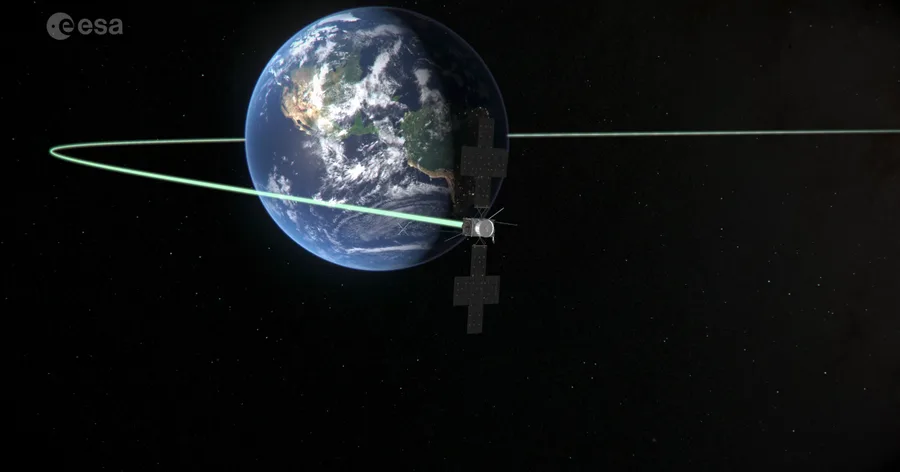
If a satellite’s velocity increases as it approaches a planet during a slingshot maneuver, why does it not decrease by the same amount when it leaves the planet? How can it experience a net gain in velocity? Robert WaltyStephens City, Virginia Slingshot maneuvers can seem counterintuitive. We know that a spacecraft speeds up as it Continue reading "How do slingshot maneuvers work to propel spacec…
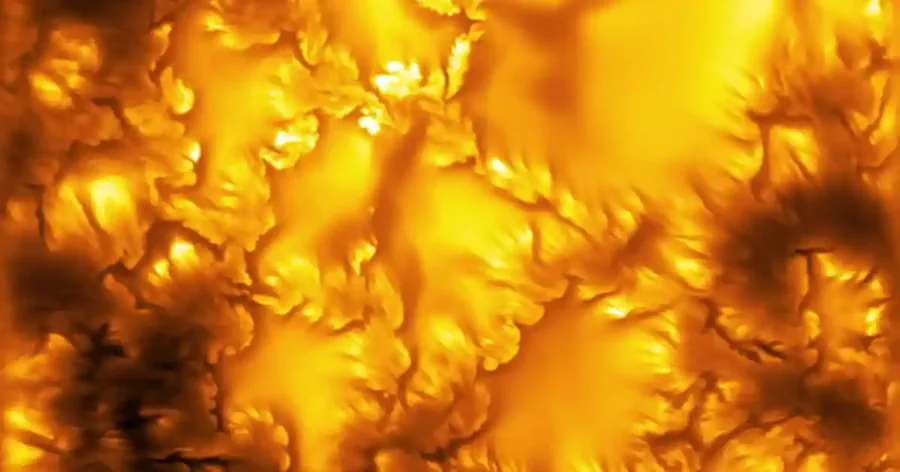
The sharpest images ever taken of the Sun’s surface reveal ribbons of solar plasma curling into tight, wave-like vortices near the edge of a sunspot — a pattern never before seen on our star. The experiment behind the discovery was designed to push the technical limits of a new camera system, not hunt for new Continue reading "World’s largest solar telescope reveals the Sun’s hidden texture" The …


 research.io