Science News Explores


Researchers used two quantum devices and a math trick to ensure that newly generated “random” numbers are truly unpredictable.

To show how monkeys think about math and shapes, scientists had them play games — including some designed by kids.


New high-tech tools let scientists “tag” along with these red-footed seabirds to solve the mystery of how boobies spend their days at sea.

Recently, AI agents undergoing tests acted in surprising and concerning ways. This wasn’t supposed to happen, so how worried should we be?

Concerts and football games shake the ground. Other events, such as eclipses, can lead to a seismic hush.


New sensors can map infrasound — a deep-bass thrumming lower than what human ears can hear — emitted by a fire as its flames spread.

Explore the science of food, from the big three macronutrients — proteins, fats and carbohydrates — to vitamins, antioxidants and other micronutrients.

Many carbohydrates are important sources of energy, while others offer little benefit. Learn why not all carbs are the same and how our bodies use them.

We’re naturally drawn to sweet foods and drinks. Scientists have designed several ways to make things taste sweet with little or no sugar.

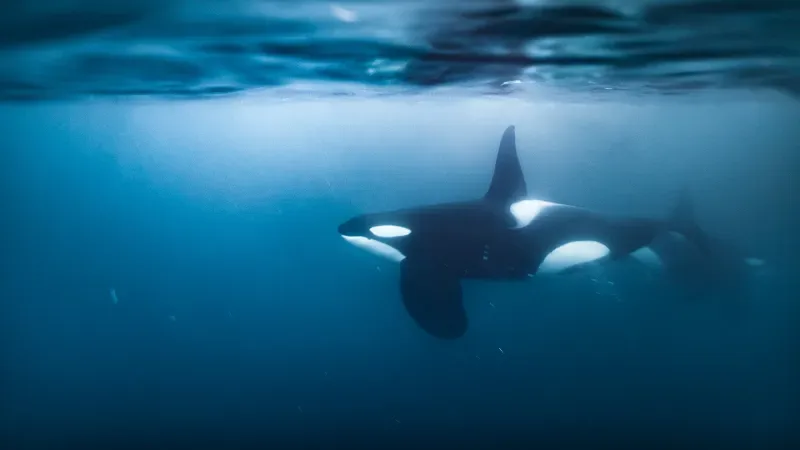
People exposed to low infrasound frequencies had higher levels of a stress hormone in spit and were more likely to rate music as sad.

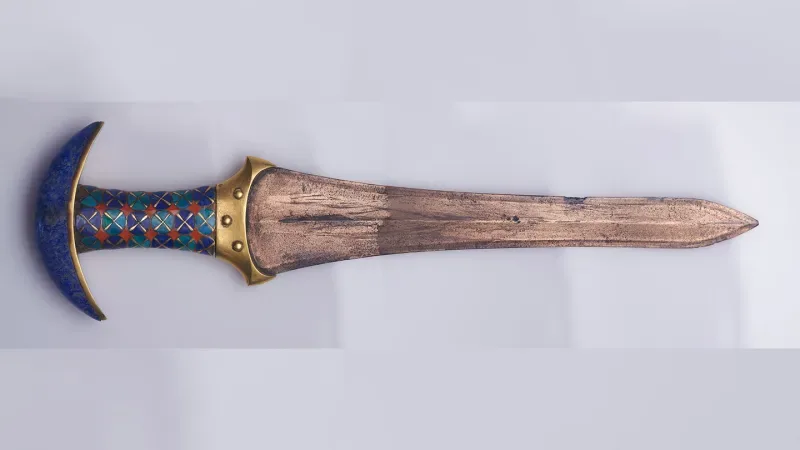
A study of six mummies from ancient Egypt challenges the idea that the weapons buried with some royal women were merely ceremonial.

Soft, sticky marshmallows can be made with just three ingredients. Finding the right ratio of sugar and corn syrup is key to making this sweet treat.

From snowflakes to animal body plans, repeating patterns of shapes show up throughout nature.

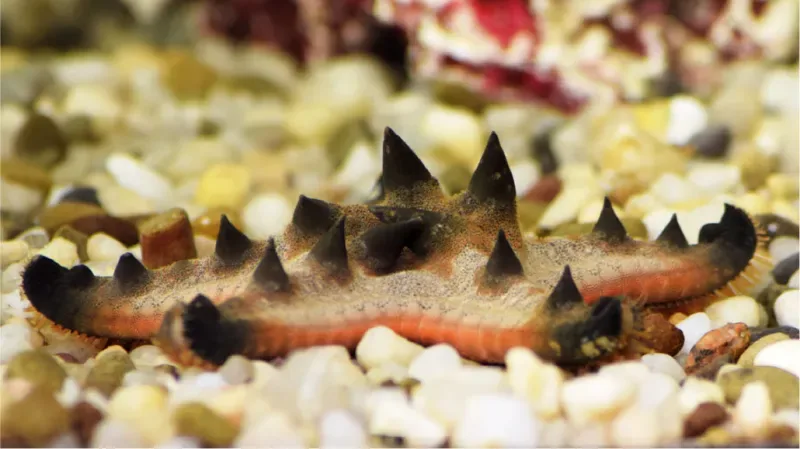
The tiny cone-shaped structures in arms of chocolate-chip sea stars also triple their skeleton’s strength.

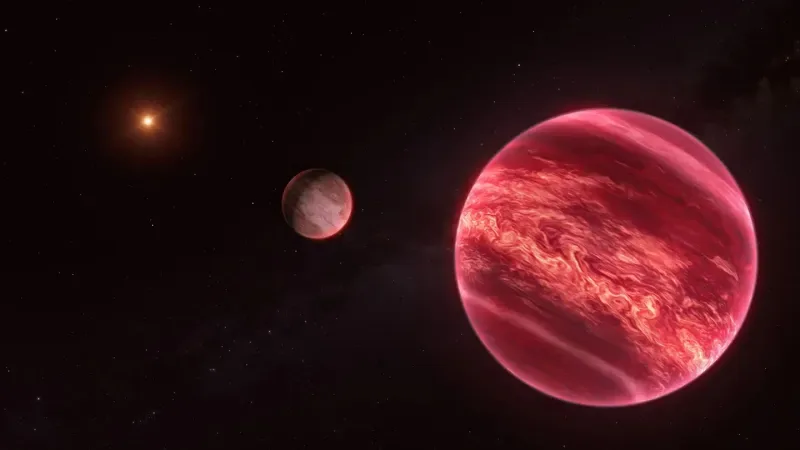
The object orbits a brown dwarf that orbits a star. Astronomers aren’t sure if it’s a planet, a moon — or something else entirely.

These towering walls of water carry a lot of energy. Scientists are investigating what gives rise to such behemoths and their destructive power.

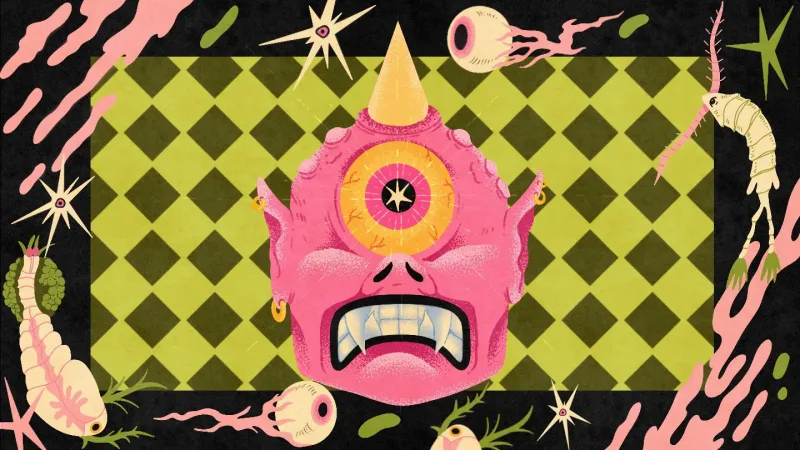
The iconic Cyclops of The Odyssey might look like a massive, one-eyed person, but it might have more in common with creatures other than humans.

research.ioSign up to keep scrolling
Create your feed subscriptions, save articles, keep scrolling.