Researchers have identified the brain circuitry that links deep sleep with the release of growth hormone, revealing how the two regulate each other. The newly discovered feedback loop helps explain why poor sleep can interfere with growth, muscle repair, fat metabolism, and brain function. Understanding this system could pave the way for new therapies for sleep disorders and diseases tied to meta…
A newly identified group of amygdala neurons appears to play a central role in anxiety and social behavior. Restoring normal activity in this tiny brain circuit reversed anxiety and social deficits in mice, revealing a promising new target for future treatments.
Deep sleep does far more than rest the body — it activates a powerful brain-driven system that controls growth hormone, fueling muscle and bone strength, metabolism, and even mental performance. Scientists have now mapped the neural circuits behind this process, uncovering a delicate feedback loop in which sleep boosts growth hormone, and that same hormone helps regulate wakefulness.
Just a few minutes of getting out of breath each day could dramatically cut your risk of major diseases—including heart disease, dementia, and diabetes. A large study of nearly 100,000 people found that it’s not just how much you move, but how intensely you move that matters. Short bursts of vigorous activity—like rushing for a bus or climbing stairs quickly—were linked to striking reductions in …
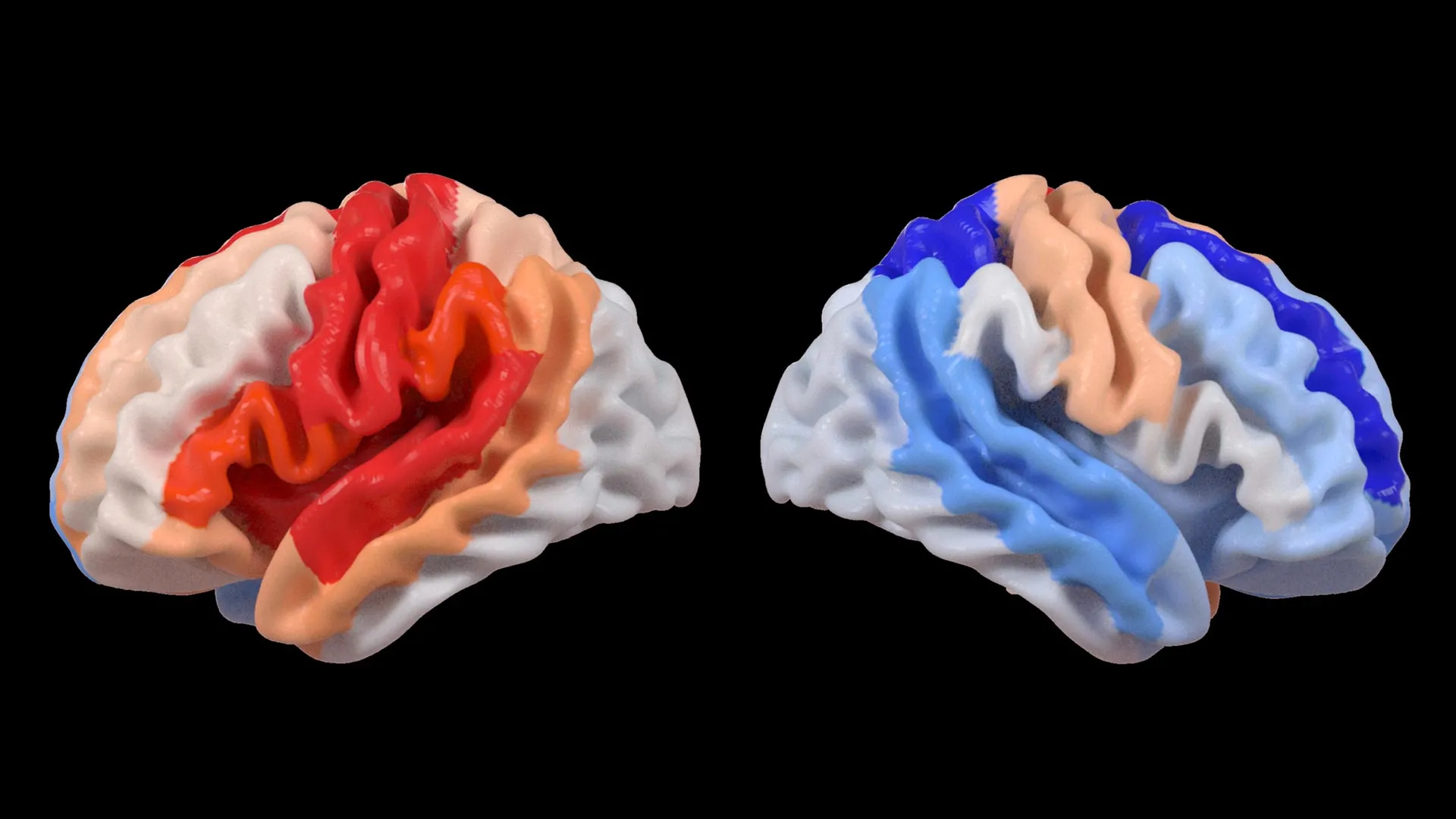
After a stroke, the brain may do something surprisingly hopeful—it can “refresh” parts of itself. Researchers analyzing brain scans from over 500 stroke survivors found that while the damaged side of the brain appears to age faster, the opposite, unaffected side can actually look younger. This unexpected shift seems to reflect the brain’s effort to rewire itself, strengthening healthy regions to …
Vivid dreams might be doing more than just entertaining your mind at night. Researchers found that immersive dreaming can actually make sleep feel deeper and more refreshing, even when brain activity is high. Surprisingly, people reported their deepest sleep after intense dream experiences, not just during quiet, inactive periods. This suggests dreams may play a key role in helping us feel truly …
Scientists have found that your brain separates memories into “what” and “where/when” using two different groups of neurons. One set responds to specific objects or people, while another tracks the context or situation. When you remember something correctly, these groups briefly connect and reconstruct the full memory. This system may be the secret behind how we recognize the same things across t…
Scientists have uncovered a hidden “death switch” in the brain that may be driving Alzheimer’s disease—and even found a way to turn it off in mice. The culprit is a toxic pairing of two proteins that, when combined, triggers the destruction of brain cells and fuels memory loss. By using a new compound to break apart this deadly duo, researchers were able to slow disease progression, protect brain…
Many people believe closing their eyes sharpens hearing, but that is not always true. In noisy settings, participants struggled more to hear faint sounds with their eyes closed, while matching visuals made it easier. Researchers found that shutting the eyes leads the brain to over-filter incoming sounds. Keeping your eyes open may actually improve how well you hear in noise.
Early life stress may set the stage for long-term digestive problems by disrupting the gut-brain connection. Studies in both mice and thousands of children found links to symptoms like pain, constipation, and IBS. Scientists discovered that different biological pathways control different gut issues, hinting at more personalized treatments in the future. The research also highlights how a child’s …
Researchers have identified a surprising brain pattern that may help explain why people with ADHD often struggle to stay focused. Even while awake, their brains can slip into brief episodes of “sleep-like” activity during demanding tasks. These moments are linked to more mistakes, slower reaction times, and lapses in attention.
A new UCLA Health study suggests that long-term exposure to the pesticide chlorpyrifos may dramatically raise the risk of Parkinson’s disease. Researchers found that people living in areas with sustained exposure had more than 2.5 times the likelihood of developing the disorder. Lab experiments reinforced the finding: animals exposed to the chemical developed movement problems, lost dopamine-prod…
Scientists have developed a promising new approach to treating Alzheimer’s disease by turning ordinary brain cells into powerful plaque-clearing machines. Instead of requiring frequent antibody infusions like current therapies, the experimental treatment uses genetically engineered astrocytes — abundant support cells in the brain — that are equipped with a CAR “homing device” similar to those use…
Researchers have discovered a new way to increase a key brain protein damaged in Rett syndrome, a rare genetic disorder that affects thousands of children worldwide. Early studies in mice and patient-derived cells show the approach can restore normal brain cell function, raising hopes for future therapies.
Cocaine addiction isn’t simply a failure of willpower — it’s the result of lasting biological changes in the brain. Researchers at Michigan State University discovered that repeated cocaine use rewires communication between the brain’s reward system and the hippocampus, the region responsible for memory. A protein called DeltaFosB builds up with continued drug use and acts like a genetic switch, …
Growing neurons rely on chemical cues to find their targets, but new research shows that the brain’s physical properties help shape those signals. Scientists discovered that tissue stiffness can trigger the production of guidance molecules through a force-sensing protein called Piezo1. This protein not only detects mechanical forces but also helps maintain the structure of brain tissue. The disco…
For decades, scientists have mapped attention, memory, language, and reasoning to separate brain networks — yet one big mystery remained: why does the mind feel like a single, unified system? Researchers at the University of Notre Dame now suggest that intelligence doesn’t live in one “smart” region of the brain at all. Instead, it emerges from how efficiently and flexibly the brain’s many networ…
As millions turn to ChatGPT and other AI chatbots for therapy-style advice, new research from Brown University raises a serious red flag: even when instructed to act like trained therapists, these systems routinely break core ethical standards of mental health care. In side-by-side evaluations with peer counselors and licensed psychologists, researchers uncovered 15 distinct ethical risks — from …
Scientists at Rice University have produced the first full, dye-free molecular atlas of an Alzheimer’s brain. By combining laser-based imaging with machine learning, they uncovered chemical changes that spread unevenly across the brain and extend beyond amyloid plaques. Key memory regions showed major shifts in cholesterol and energy-related molecules. The findings hint that Alzheimer’s is a whol…
Subtle changes in brain blood flow and oxygen use are closely linked to hallmark signs of Alzheimer’s, including amyloid plaques and memory-related brain shrinkage. Simple, noninvasive scans may one day help spot risk earlier—by looking at the brain’s vascular health, not just its plaques.







 research.io