

addiction
IntroductionDrug addiction is a major global health problem marked by compulsive drug-seeking and profound neuropsychiatric disturbances. This systematic review and network meta-analysis aimed to evaluate the effectiveness of various acupuncture-related therapies for managing drug addiction.MethodsOverall, 10 databases were searched for acupuncture-related therapies for drug addiction from incept…
Addiction to illicit drugs remains a major global health challenge that requires integrative efforts across neuroscience, psychiatry, and pharmacology. A deeper understanding of the neural mechanisms underlying addictive behavior is essential for developing effective and targeted interventions. It is increasingly recognized that addiction cannot be fully explained by dysfunction within dopaminerg…
Cigarette smoking is the leading preventable cause of death in the United States, even as rates of cigarette smoking have fallen to an all-time low of approximately 10% in 2024.
The Trump administration has a surprising new agenda item: It’s all-in on legalizing a psychedelic drug called ibogaine. Ibogaine is classified as a Schedule I drug, which means it’s illegal on the federal level. But some studies show it may be able to treat opioid addiction, and researchers are also hopeful that it can help […]
Teens may turn to marijuana use for many reasons: curiosity, stress relief, peer pressure, help with mental health, or for the positive feelings of being "high." However, there is a difference between casual use and reliance on cannabis to function.
Participants who got single dose of psilocybin were more likely to abstain from cocaine than those who got placebo Results from a new clinical trial show that a single dose of psilocybin could be an effective treatment for cocaine addiction. The study, published in Jama Network Open this month, showed that 19 participants who received a single dose of psilocybin were more likely to abstain from c…

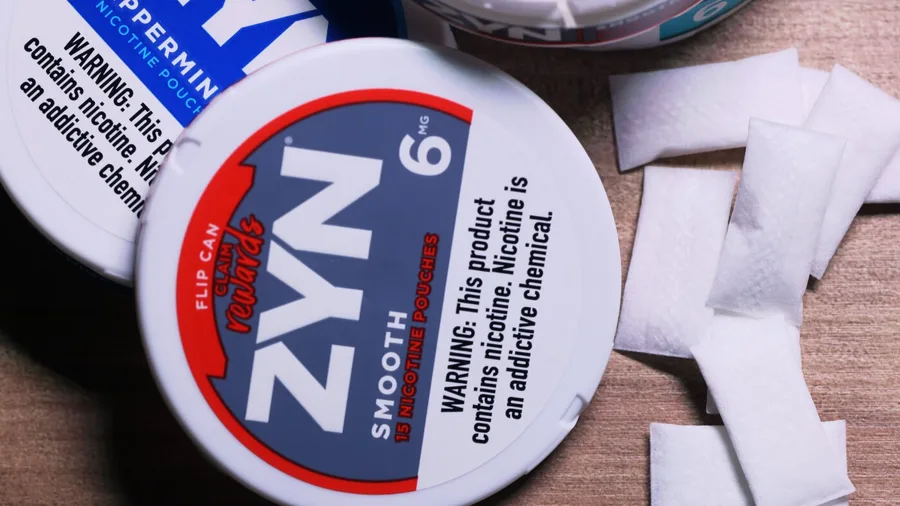
The World Health Organization (WHO) today issues a strong warning over the rapid global expansion of nicotine pouch products, which are being aggressively marketed to adolescents and young people.
Addiction and obsessive behaviors are commonly interpreted as disorders of the brain’s reward system. However, many dominant models in neuroscience overlook the role of the search for meaning, identity, and existential peace in intensifying these cycles. This article presents an interdisciplinary conceptual framework at the intersection of neuroscience, philosophy of consciousness, and spirituali…

A national study of kratom use in the U.S. found rising popularity among young adults, and it is linked to addiction and mental health issues, according to new research from the University of Michigan and Texas State University.
BackgroundSchizophrenia frequently co-occurs with alcohol use disorder (AUD), resulting in a complex clinical profile associated with poor functional outcomes and reduced quality of life (QoL). Although both conditions independently impair psychosocial functioning, few studies have examined the combined effects of clinical, social, and treatment-related factors on QoL in patients with this dual d…
Cannabis use has increased rapidly in many parts of the world over the past decade. In some countries and states, laws have changed to allow medical or recreational cannabis use, while public attitudes toward the drug have also become more relaxed. Many people use cannabis to help them relax, sleep, reduce stress, or cope with […] The post Cannabis use disorder strongly linked to depression appea…
As cannabis becomes more widely used around the world, scientists are paying closer attention to how it may affect mental health. While some people use cannabis to relax or reduce stress, others may develop serious problems linked to frequent use. One growing concern is cannabis use disorder, often called CUD, a condition where a person […] The post Large study finds strong link between cannabis …
Surviving an opioid overdose is often seen as a second chance at life. But a major new study suggests that the period immediately after an overdose may actually be one of the most dangerous times for a person struggling with opioid addiction. Researchers from ICES and the Center for Addiction and Mental Health in Canada […] The post The days after an opioid overdose may be the most dangerous appe…
The obvious target, if you want to help someone stop smoking, seems like it would be the craving itself. Kill the desire, kill the habit. It’s the kind of logic that has driven decades of pharmacology aimed at the brain’s reward circuitry, with results that have been, at best, modest. Fewer than one in ten smokers achieves long-term abstinence even with the best available medications. Researchers…
There are misconceptions about the addictiveness of cannabis and many users are struggling with dependency Amy knew it wasn’t great. But there she was, at the bottom of a dumpster, desperately searching for the THC vape cartridge she’d thrown away just hours earlier. Amy, 18, had previously tossed that same cartridge, known colloquially as a cart, into a public trash can. Passersby stared as she …


Early-stage studies of medications to treat high-risk alcohol use may be missing opportunities to identify potential therapeutic effects in certain populations, including women and people at risk for relapse, according to a systematic review published in Alcohol: Clinical and Experimental Research.

Disrupted metabolic function in people with alcohol use disorder (AUD) may be amplified in the context of obesity, contributing to intensified alcohol cravings. This is according to a preliminary study that supports ongoing investigation of GLP-1 agonists as a potential AUD treatment. AUD and obesity frequently co-occur.

For people trying to reduce their heavy drinking, the quality of their interpersonal relationships early in their recovery process may contribute to their success. A study published in Alcohol: Clinical and Experimental Research found that those who were successful in achieving remission from alcohol use disorder had reduced negative interactions with their family and social network in the first …
Experts are already treating addicted people with at-home neuromodulation devices to control cravings, and the future is bright for such aids to prevent harm in people with SUDs.
research.ioSign up to keep scrolling
Create your feed subscriptions, save articles, keep scrolling.