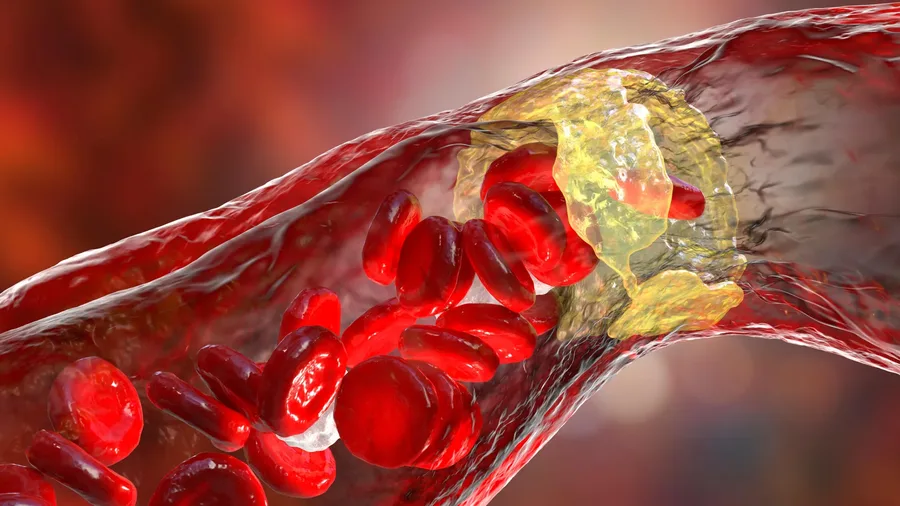
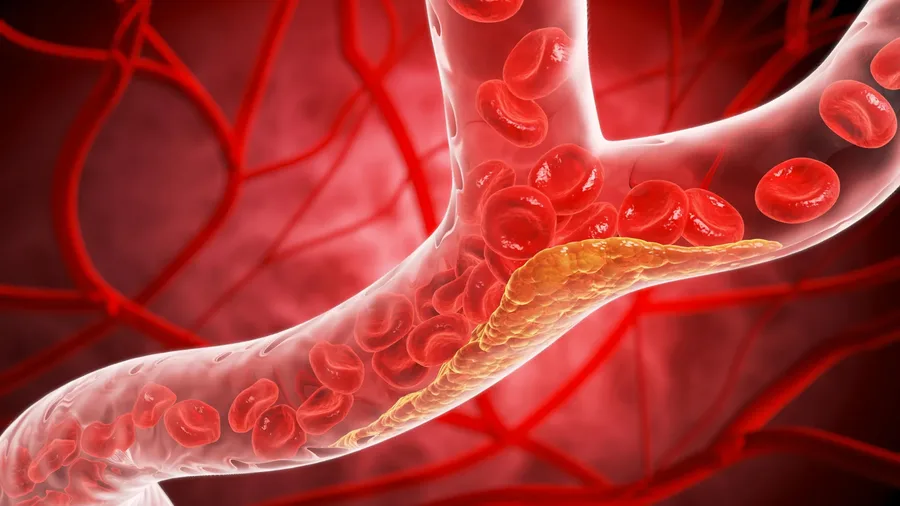
A powerful cholesterol-lowering drug may be changing the rules of heart disease prevention. Researchers found that evolocumab, typically used for people who already have cardiovascular disease, can significantly cut the risk of first-time heart attacks and strokes in high-risk patients with diabetes—even before any artery-clogging plaque is detected.
A major new U.S. cholesterol guideline is shifting the focus toward earlier, more personalized prevention of heart disease. It urges people to start screening sooner—sometimes even in childhood—and highlights the importance of tracking not just LDL (“bad”) cholesterol but also genetic risk factors like lipoprotein(a). A new, more advanced risk calculator now uses broader health data to better pre…
A new pill, enlicitide, reduced LDL (“bad”) cholesterol by about 60% in a large clinical trial, matching the power of injectable therapies. Because it’s taken orally, it could overcome one of the biggest barriers keeping patients from using current treatments. Researchers say many people still don’t reach safe cholesterol levels—even on statins—highlighting the need for better options.
Heart disease is on track to tighten its grip on American women. New projections from the American Heart Association warn that over the next 25 years, cardiovascular disease will rise sharply, driven largely by a surge in high blood pressure, diabetes, and obesity. By 2050, nearly 60% of women in the U.S. could have high blood pressure, and close to one in three women ages 22 to 44 may already be…
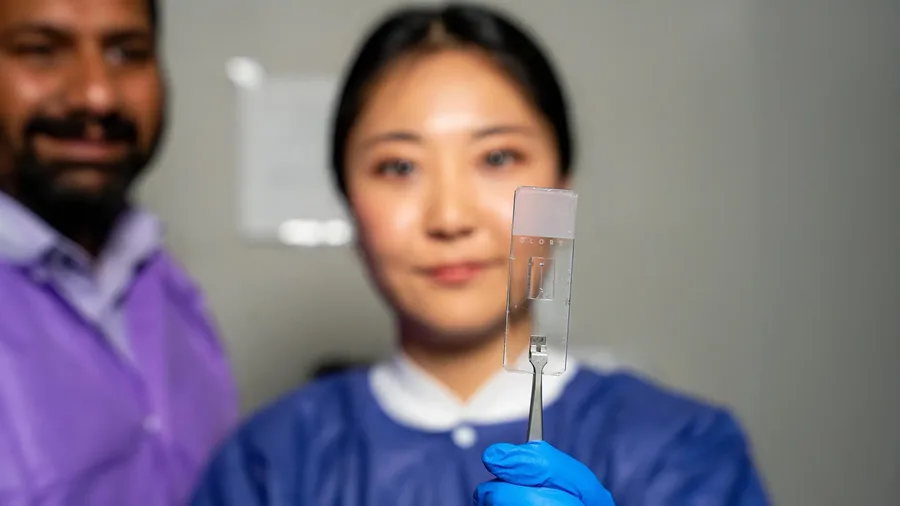
Blood vessels twist, branch, narrow, and balloon in ways that dramatically affect how blood flows — but most lab models have long treated them like straight pipes. Researchers at Texas A&M have now built a new kind of “vessel-chip” that mirrors the real complexity of human blood vessels, from aneurysms to dangerous constrictions.
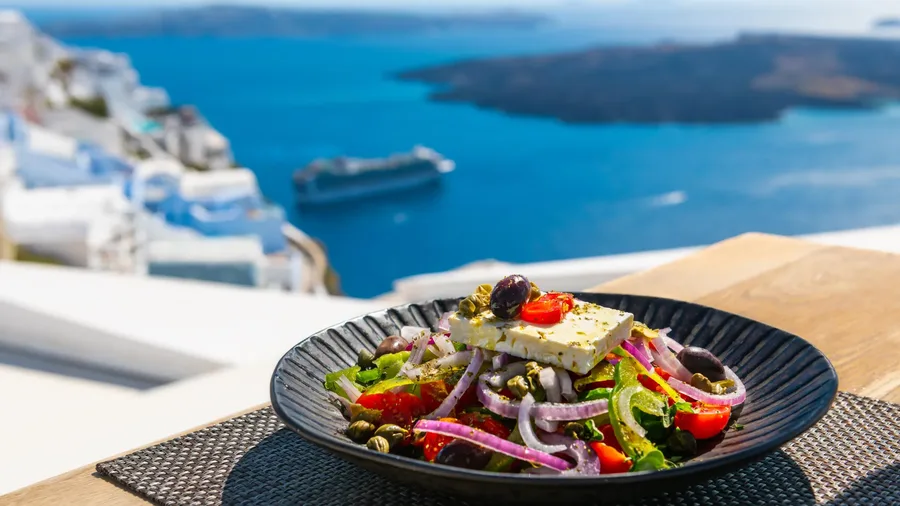
A long-term study found that women who closely followed a Mediterranean diet had a much lower risk of stroke. The strongest benefits were seen in women who ate more plant-based foods, fish, and olive oil while cutting back on red meat and saturated fats. Their risk dropped across all major stroke types, including bleeding strokes, which are less commonly studied. The findings suggest diet may be …
Lowering salt in everyday foods could quietly save lives. Researchers found that modest sodium reductions in bread, packaged foods, and takeout meals could significantly reduce heart disease and stroke rates in France and the U.K. The key advantage is that people would not need to alter their eating habits at all. Small changes to the food supply could deliver large, long-term health benefits.
An experimental drug once known for helping control type 2 diabetes may also fight heart disease. Researchers found IC7Fc lowered cholesterol, blood fats, and artery-clogging plaques while calming inflammation linked to heart attacks and strokes. Notably, these benefits appeared even without weight loss, suggesting the drug could help lean people at risk of heart disease.
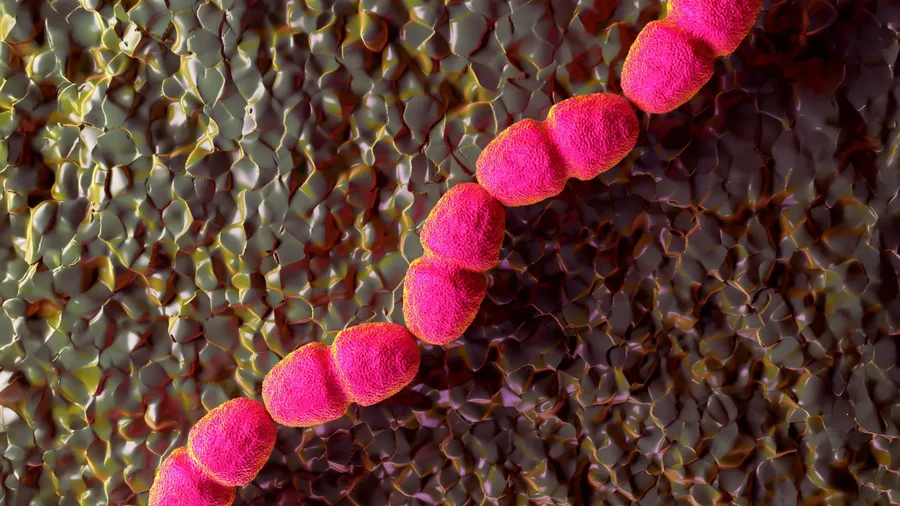
Scientists have uncovered a surprising reason why some chronic wounds refuse to heal, even when treated with antibiotics. A common bacterium found in long-lasting wounds does not just resist drugs. It actively releases damaging molecules that overwhelm skin cells and stop them from repairing tissue. Researchers discovered that neutralizing these harmful molecules with antioxidants allows skin cel…
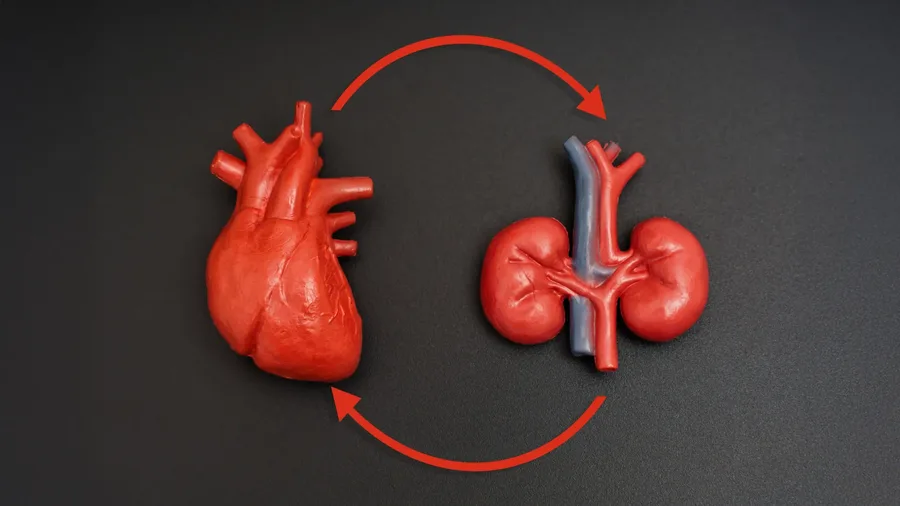
Most U.S. adults have risk factors tied to a little-known condition called CKM syndrome, which connects heart disease, kidney problems, diabetes, and obesity into one powerful health threat. When these issues overlap, the danger rises far more than when they occur alone. Despite low awareness, people are eager to learn how CKM is diagnosed and treated. Experts say understanding how these systems …
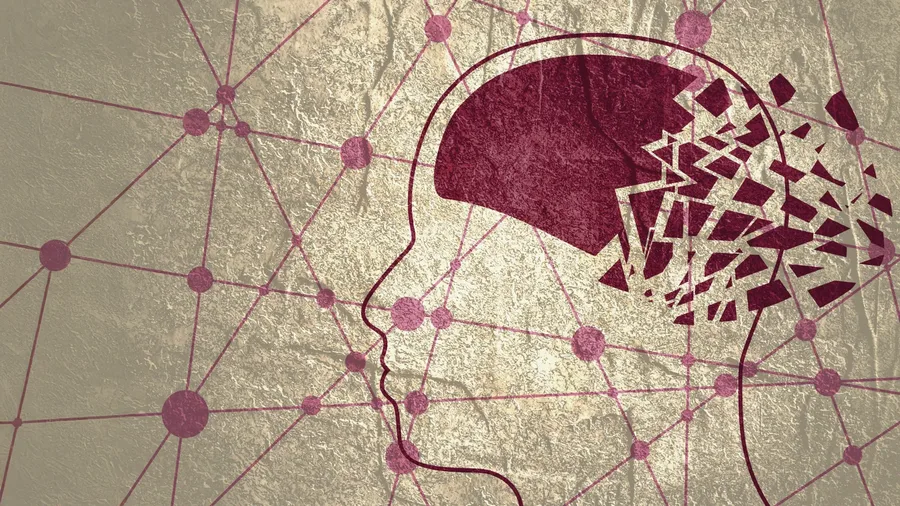
Researchers discovered that clogged brain “drains” show up early in people at risk of Alzheimer’s disease. These blockages, easily seen on standard MRI scans, are tied to toxic protein buildup linked to memory loss and cognitive decline. In some cases, they may signal Alzheimer’s earlier than other commonly used brain markers. This could help physicians detect the disease earlier, before irrevers…
New research suggests that even light alcohol use may carry serious risks. A large study in India found that drinking just one standard drink a day is linked to a roughly 50% higher risk of mouth cancer, with the greatest danger tied to locally brewed alcohol. When alcohol use overlaps with chewing tobacco, the effect becomes especially severe, potentially explaining nearly two-thirds of all case…
Stanford scientists have uncovered how mRNA COVID-19 vaccines can very rarely trigger heart inflammation in young men — and how that risk might be reduced. They found that the vaccines can spark a two-step immune reaction that floods the body with inflammatory signals, drawing aggressive immune cells into the heart and causing temporary injury.
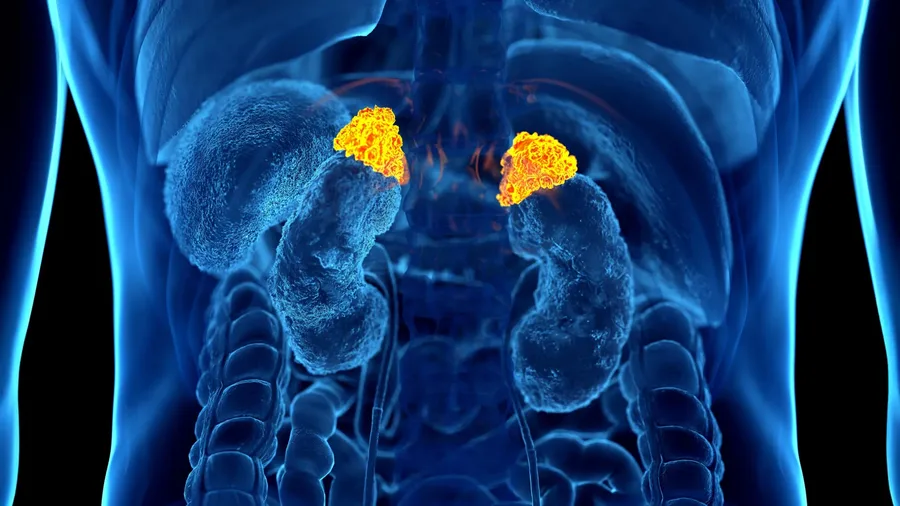
Researchers used a deep learning AI model to uncover the first imaging-based biomarker of chronic stress by measuring adrenal gland volume on routine CT scans. This new metric, the Adrenal Volume Index, correlates strongly with cortisol levels, allostatic load, perceived stress, and even long-term cardiovascular outcomes, including heart failure risk.
Researchers found that both how often and how much someone drinks significantly shape their cancer risk, even at moderate levels. Vulnerability varies across groups, with genetics, socioeconomic status, obesity, and lifestyle behaviors amplifying harm. The review also uncovered gender differences, beverage-specific risks, and biological pathways that intensify cancer development.
New research is challenging one of medicine’s oldest assumptions: that cancer must be attacked to be cured. By treating glioblastoma patients with a simple combination of resveratrol and copper, the researchers found dramatic reductions in tumor aggressiveness, cancer biomarkers, immune checkpoints, and stem-cell–related markers—all without side effects. Their approach focuses on “healing” tumors…
The study reveals that widely used heart-attack risk calculators fail to flag nearly half of those who will soon experience a cardiac event. Even the newer PREVENT model misclassifies many patients as low-risk. Since most people develop symptoms only within 48 hours of their heart attack, current screening offers little time for intervention. Researchers say earlier detection with imaging could d…
Scientists found that high-flavanol foods can prevent the decline in blood vessel function that occurs after prolonged sitting. Even physically fit men weren’t protected unless they had consumed flavanols beforehand. A cocoa drink rich in these compounds kept arteries functioning normally. Everyday foods like berries, apples, tea, and certain cocoa products could offer a simple way to protect lon…
Microplastics—tiny particles now found in food, water, air, and even human tissues—may directly accelerate artery-clogging disease, and new research shows the danger may be far greater for males. In mice, environmentally realistic doses of microplastics dramatically worsened plaque buildup, altered key vascular cells, and activated harmful genes linked to inflammation and atherosclerosis, all wit…
Chronic pain might quietly push people toward developing high blood pressure—and the more widespread the pain, the greater the danger. A massive analysis of over 200,000 adults uncovered strong links between long-lasting pain, depression, inflammation, and rising hypertension risk.






 research.io