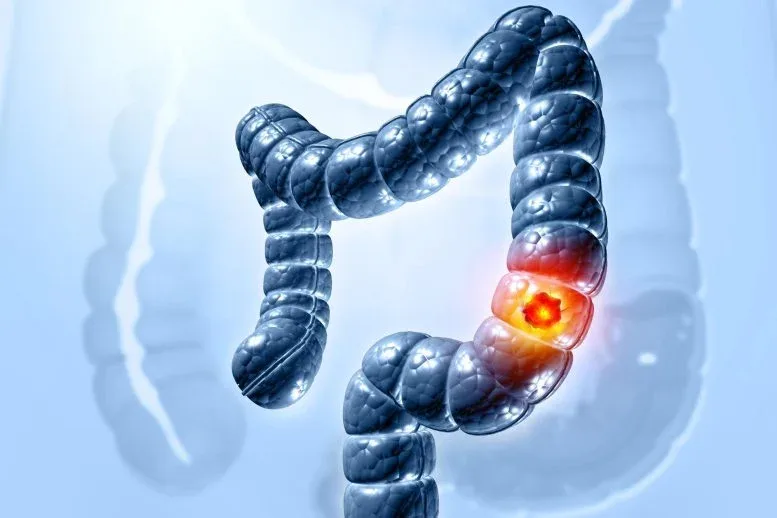
Epigenetic fingerprints may help explain how environmental exposures contribute to colorectal cancer in people under 50. Why is colorectal cancer becoming more common in people under 50 when their tumors often lack obvious genetic differences from those diagnosed later in life? A new study suggests part of the answer may be written not in the [...]
Keeve E. Nachman, PhD, MHS, an internationally recognized exposure and risk scientist, has been named chair of the Department of Environmental Health and Engineering, a cross-divisional Department that bridges the Johns Hopkins Bloomberg School of Public Health and the Johns Hopkins Whiting School of Engineering.
A filter used to clear excess fats from the blood of people with cardiovascular disease may also trap much smaller stowaways: some persistent synthetic chemicals and microplastics. The treatment, known as therapeutic apheresis, passes a patient’s blood through a machine, filters out targeted substances, and returns the blood to the body. It was not developed […]
Most people think of dirty air as something that mainly harms the lungs. Doctors have warned for years that breathing polluted air raises the risk of asthma, heart disease, and stroke. But scientists are now learning that pollution may continue damaging the body long after it leaves the lungs. A new study from Taiwan has […] The post Air Pollution May Help Bladder Cancer Spread appeared first on …
Acrylamide, bisphenols, phthalates, and micro- and nanoplastics are pervasive environmental pollutants with well-documented carcinogenic, neurotoxic, and reproductive effects. Nonetheless, their potential contribution to cardiovascular diseases remains strikingly unrecognised, despite the rising incidence of their clinical manifestations in younger populations and growing evidence of their effect…
Air pollution has long been linked to diseases of the lungs and heart, but scientists are discovering that its effects reach much further. Tiny particles in polluted air, known as PM2.5, are so small that they can enter the lungs, pass into the bloodstream, and travel throughout the body. These particles come from vehicle exhaust, […] The post How Pollution May Make Bladder Cancer More Aggressive…
Can environmental pressure changes affect the vitreoretinal interface? This case describes spontaneous resolution of symptomatic vitreomacular traction immediately after a 60-meter scuba dive, generating a novel hypothesis linking hyperbaric exposure to vitreous separation.
Although air pollution is associated with the onset and exacerbation of allergic rhinitis (AR), epidemiological studies alone cannot reveal the tissue-level immune mechanisms because factors such as the strength of exposure, duration of exposure, presence of co-pollutants and individual susceptibility are all difficult to control. Experiments on animals have provided support for research on the i…
Hot weather does more than make people feel uncomfortable. It can also place extra strain on the heart and blood vessels. Doctors from Vanderbilt University Medical Center say that rising temperatures, air pollution and other environmental changes are becoming increasingly important threats to heart health. Their work, including a review published in Circulation: Heart Failure, […] The post Heat …
People who have suffered a serious heart attack had higher levels of micro and nanoplastics in their blood, compared to patients diagnosed with chronic ischemic heart disease and those who have normal blood vessels supplying the heart, according to a study published in the European Heart Journal today (Wednesday).
The air we breathe every day may have a greater effect on our brains than many people realize. A new study published in Environment International suggests that people who spend many years breathing polluted air may face a higher chance of developing Parkinson’s disease. Researchers from the University of Cambridge reached this conclusion after carefully […] The post Dirty Air Could Slowly Damage …
Could tiny particles from car tires affect the human brain? A new study suggests they might, although much more research is needed before scientists know for sure. Every time a car, truck, or bus travels on the road, its tires slowly wear down. Tiny pieces of rubber break away and mix with dust in the […] The post Could Tire Pollution Increase Your Alzheimer’s Disease Risk? appeared first on Know…
The post UCLA Fielding Student Perspectives: Department of Environmental Health Sciences appeared first on Association of Schools and Programs of Public Health (ASPPH) .
Do you need funding to examine a pressing environmental health research question? If so, the Harvard Chan NIEHS Center for Environmental Health Pilot Project Program can help! Apply by AUGUST 14 for funding of up to $30,000!
The ICMR-funded study has reportedly shown, for the first time, in comprehensive molecular detail, how fine particular matter from urban air pollution crosses the placenta, triggers a wave of inflammation and shuts down a protein that is essential for growth
Most microplastic research usually focuses on tissue build-up, but a new Circulation study suggests Bisphenol F (BPF) damages our heart muscle through an unexpected pathway in the gut. To determine if BPF causes harm, researchers first examined its prevalence in humans and then used germ-free mouse models and single-cell sequencing to map BPF’s path from […] The post One Microplastic’s Way to You…
National Research Council of Science and Technology
5/26/2026
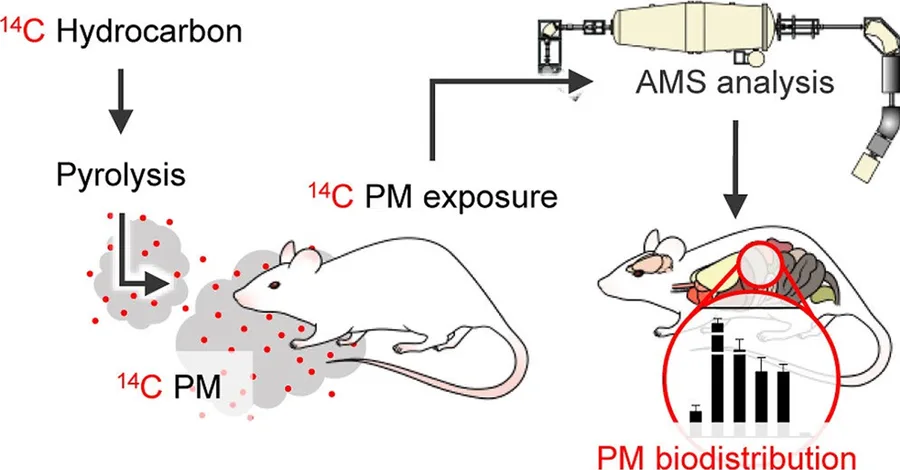
A research team led by Drs. Byung-Yong Yu and Gwan-Ho Lee at the Advanced Analysis and Data Center of the Korea Institute of Science and Technology (KIST; President Sang-Rok Oh) announced that it has developed a new analytical platform that can precisely measure the accumulation of fine particulate matter in individual organs, overcoming the limitations of existing analytical technologies.
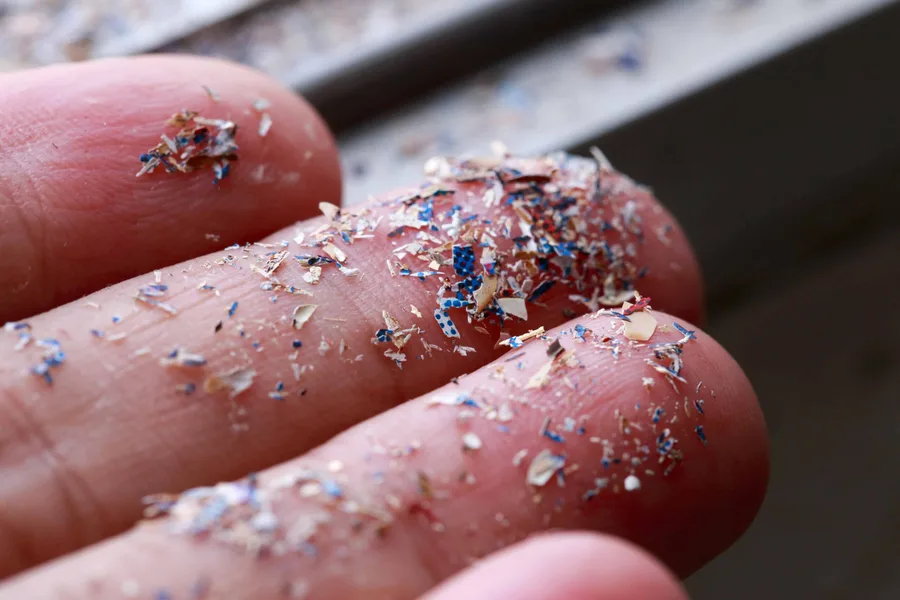
Microplastics are turning up all over our bodies, from our lungs and brains to even the placenta during pregnancy. A new article in JAMA by scientists in the Mahalingaiah Lab and others at the Harvard Department of Environmental Health pulls together the latest research and makes a clear case that we need to take microplastics seriously, both as individuals and as a global community.
Nature Medicine, Published online: 21 April 2026; doi:10.1038/s41591-026-04349-y A study shows that extensively limiting plastic use in food systems, diet and daily life can reduce exposure to plastic-associated chemicals such as phthalates and bisphenols, indicating that large-scale regulatory actions are needed for true public health impact.



 research.io