A compound made when gut bacteria break down dietary fiber may do more than briefly calm inflammation—it could leave a lasting protective “memory” in the gut. Northwestern Medicine researchers found that butyrate can reprogram intestinal lining cells so they continue encouraging anti-inflammatory immune responses even after the compound is gone. In mice, this effect boosted production of the immu…
Scientists have identified a key biological system that helps brown fat burn energy by building the networks it needs to function. A protein called SLIT3 splits into two parts, with each piece guiding the growth of blood vessels and nerves inside brown fat. These structures allow the tissue to pull in nutrients and rapidly convert them into heat instead of storing them as fat.
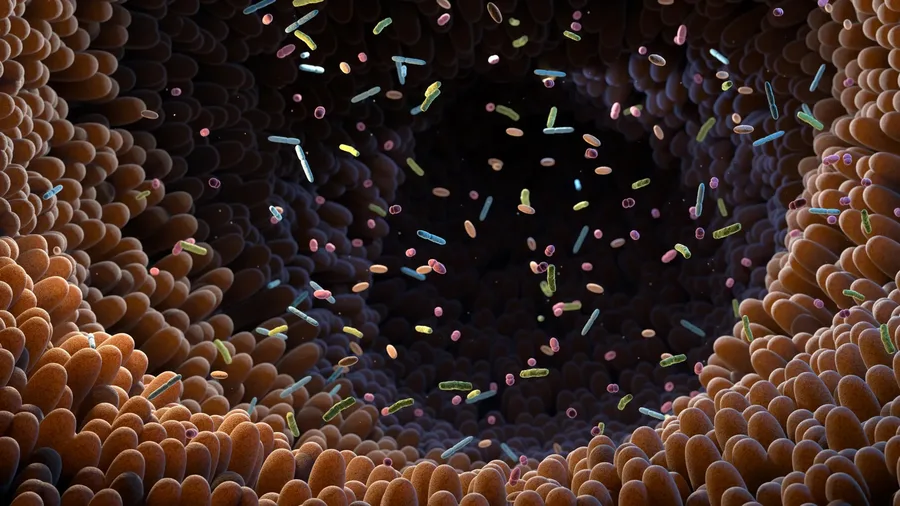
A global study has uncovered a mysterious group of gut bacteria that shows up again and again in healthy people. Known as CAG-170, these microbes were found at lower levels in people with a range of chronic diseases. Genetic clues suggest they help digest food and support the broader gut ecosystem. Researchers say the discovery could reshape how we measure and maintain gut health.
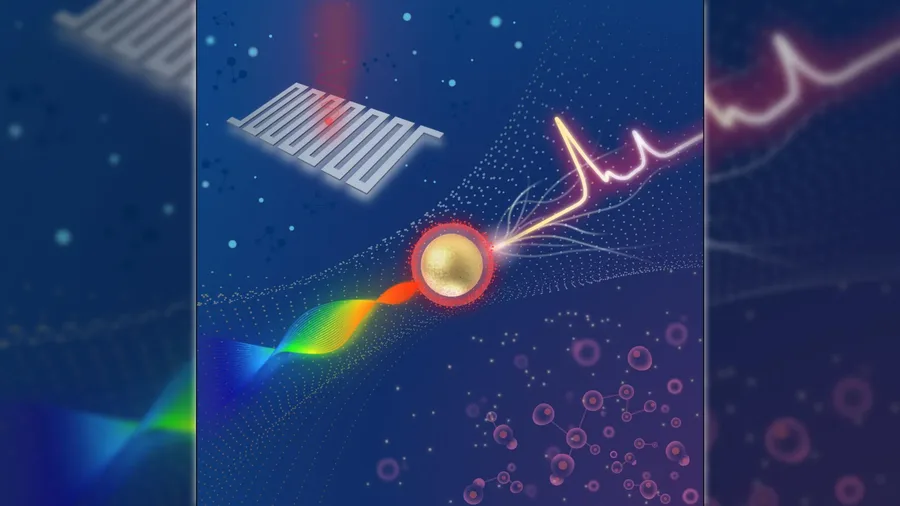
A new imaging technology can distinguish cancerous tissue from healthy cells by detecting ultra-weak light signals. It relies on nanoparticles that bind to tumor markers, making cancerous areas easier to identify. The system is far more sensitive than existing tools and could speed up cancer screening. Scientists believe it may help detect tumors earlier and reduce delays in diagnosis.
AI tools designed to diagnose cancer from tissue samples are quietly learning more than just disease patterns. New research shows these systems can infer patient demographics from pathology slides, leading to biased results for certain groups. The bias stems from how the models are trained and the data they see, not just from missing samples. Researchers also demonstrated a way to significantly r…
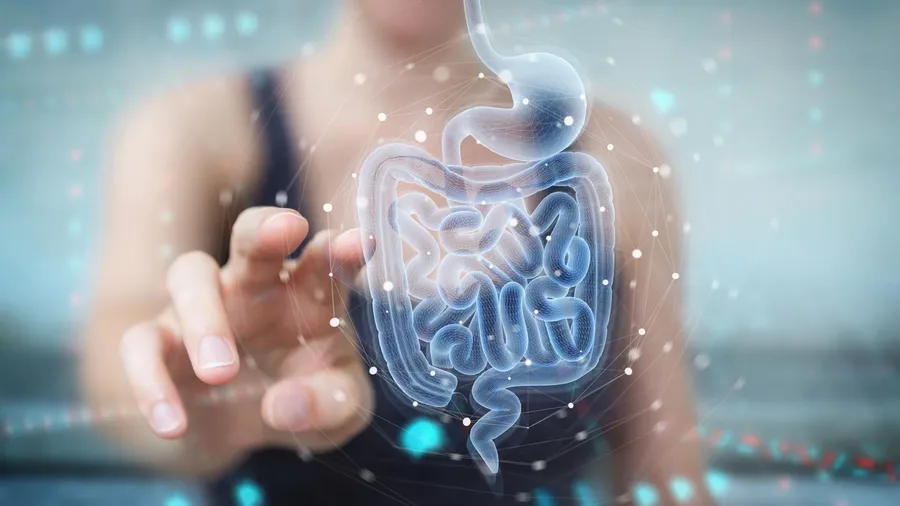
Scientists found that certain molecules made by gut bacteria travel to the liver and help control how the body uses energy. These molecules change depending on diet, genetics, and shifts in the microbiome. Some even improved insulin response in liver cells when tested in the lab. The findings could open the door to new ways of preventing or managing obesity and diabetes.
Scientists in Seoul have uncovered 15 gut bacterial species linked to coronary artery disease, showing that microbes can influence heart health far beyond digestion. Their findings reveal how shifts in gut microbial function — including inflammation, loss of protective species, and overactive metabolic pathways — may drive disease progression. Intriguingly, even “good” bacteria like Faecalibacter…
Scientists have found that keratin, the protein in hair and skin, can repair and protect tooth enamel. The material forms a mineralized layer that halts decay and restores strength, outperforming traditional fluoride. Made from sustainable sources like hair, it could soon be available in toothpaste or gels. The discovery could transform dentistry by turning waste into a powerful tool for regenera…
ASU scientists found that people whose gut microbes make more methane extract more calories from fiber-rich foods. Methanogens help the microbiome turn fiber into energy by consuming hydrogen and producing methane. Using advanced metabolic chambers, researchers measured how diet and gut chemistry interact, showing that methane may signal efficient digestion. The work could lead to personalized di…
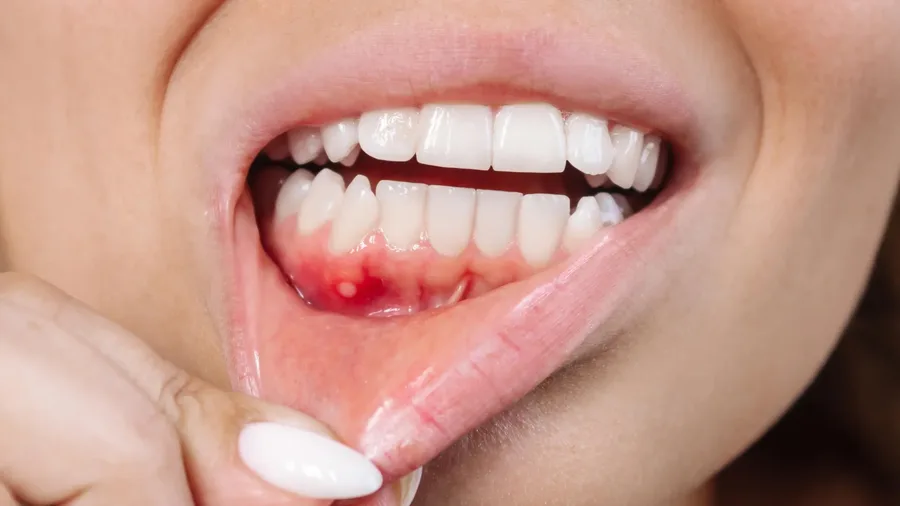
A team of researchers tested morin, a plant compound, against gum disease bacteria and found strong antimicrobial benefits. By encapsulating it in polymers, they created a powdered form for oral hygiene products. This could replace antibiotics, avoid side effects from existing treatments, and help vulnerable patients maintain oral health.
Stepping into a virtual forest or waterfall scene through VR could be the future of pain management. A new study shows that immersive virtual nature dramatically reduces pain sensitivity almost as effectively as medication. Researchers at the University of Exeter found that the more present participants felt in these 360-degree nature experiences, the stronger the pain-relieving effects. Brain sc…
Scientists have documented the way a single gene in the bacterium that causes bubonic plague, Yersinia pestis, allowed it to survive hundreds of years by adjusting its virulence and the length of time it took to kill its victims, but these forms of plague ultimately died out.
The skin microbiome plays an important role in health and disease. Researchers have now substantiated that certain skin bacteria can protect us from the sun's ultraviolet (UV) radiation specifically by metabolizing cis-urocanic acid using an enzyme called urocanase. This enables the skin's ability to fine-tune how it responds to UV radiation. The findings demonstrate the ability of the skin micro…
New research shows that the gum disease bacterium P. gingivalis can slip into the bloodstream and infiltrate the heart. There, it quietly drives scar tissue buildup -- distorting the heart's architecture, disrupting electrical signals, and raising the risk of atrial fibrillation.
The technology described uses a nanomechanical platform and tiny cantilevers to detect multiple HIV antigens at high sensitivity in a matter of minutes. These silicon cantilevers are cheap and easy to mass produce and can be readily equipped with a digital readout. Built into a solar-powered device, this technology could be taken to hard-to-reach parts of the world where early detection remains a…
A machine learning algorithm was able to correctly identify in 97 cases out of 100 whether or not an individual had Celiac disease based on their biopsy, new research has shown. The AI tool, which has been trained on almost 3,400 scanned biopsies from four hospitals, could speed up diagnosis of the condition and take pressure off stretched healthcare resources, as well as improving diagnosis in d…
Neuroscientists have shown that experiencing nature can alleviate acute physical pain. Surprisingly, simply watching nature videos was enough to relieve pain. Using functional magnetic resonance imaging, the researchers found that acute pain was rated as less intense and unpleasant when watching nature videos -- along with a reduction in brain activity associated with pain. The results suggest th…













 research.io