Physics – The Conversation


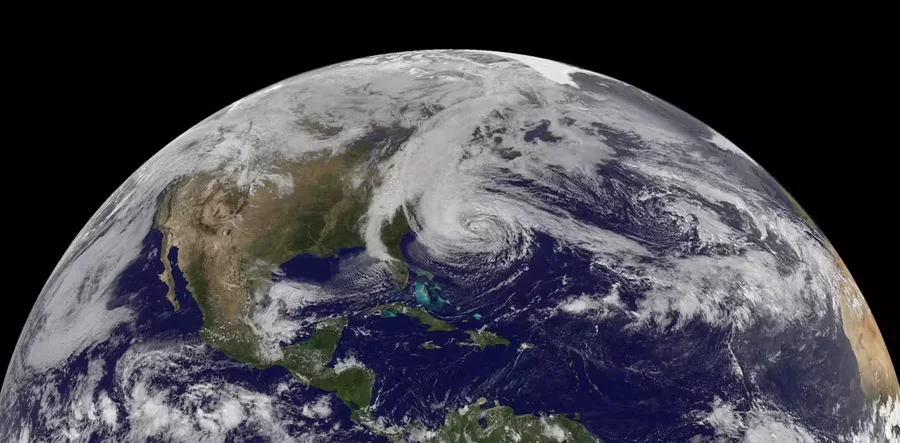
Behind the long-term climate projections that affect our lives sits one of the most remarkable scientific achievements of the modern era.


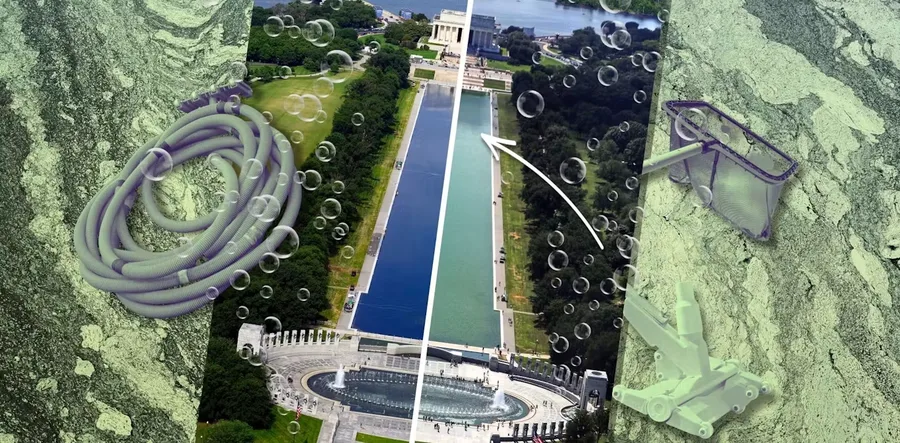
Nanobubbles are invisible, mysteriously stable, a thousand times thinner than a human hair, and surprisingly versatile.

Taking inspiration from Leonardo da Vinci’s studies of friction, the ‘sneaker squeak’ question cuts to a deep problem in physics.

Scientists are using AI and physics-based simulations together to design new peptides that will kill previously drug-resistant bacteria.

For two decades, researchers have studied soccer ball aerodynamics. Latest tests suggest the 2026 ball is more stable, but with a slightly shorter range.

While direct evidence of multiple universes is hard to come by, indirect evidence raises intriguing possibilities.


The government wants a knowledge-rich physics curriculum, but packing in too many topics without a clear order could backfire.

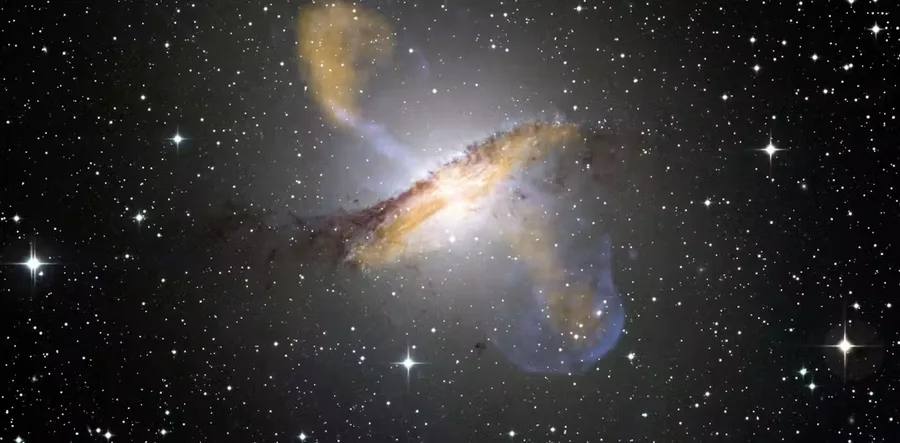
The expansion of the universe may not in fact be accelerating, calling dark energy into question.

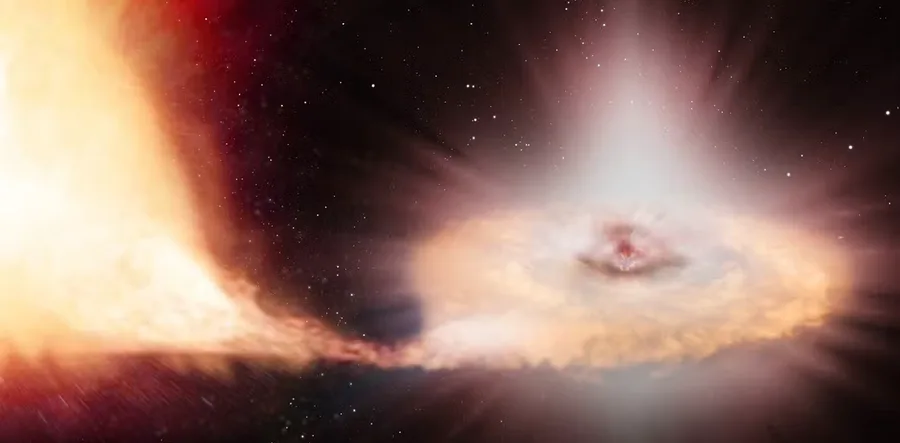
An astronomer explains why artificial black holes are pure science fiction – at least for now.

What do cacti spines and wasp stingers have in common? What about snail genitalia and shark teeth?

An avalanche during a storm in the Sierra Nevada killed at least eight skiers on a guided backcountry excursion.

Extreme storm surges can be predicted much faster with high accuracy thanks to a new AI model that helps researchers and practitioners improve coastal flood risk assessment and adaptation planning.

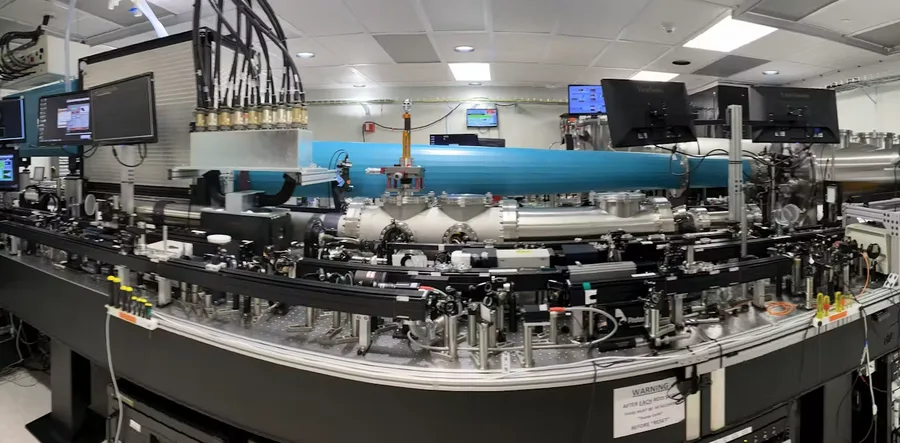
US-UK company Quantinuum has produced a fault-tolerant quantum computer with high performance.

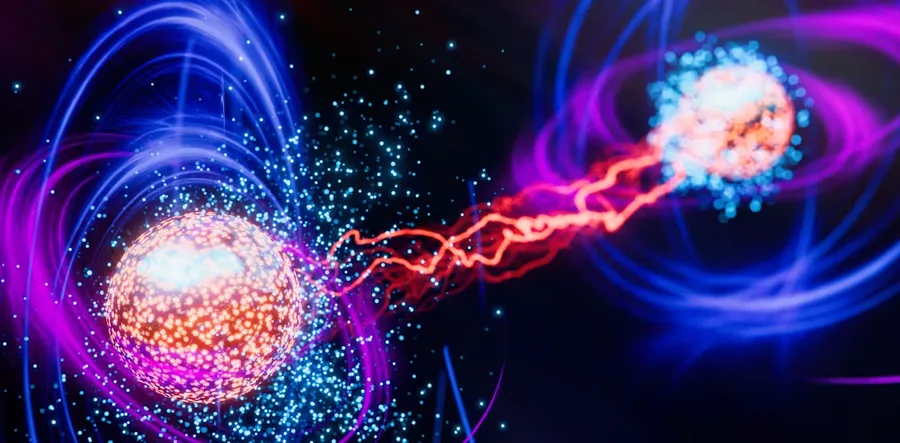
Particles’ properties at the quantum level could one day enable faster computing and better cybersecurity.

Fiber optics allow you to search the internet, text your friends and check your social media feeds. They also have geological, security and manufacturing applications.

Sensors cannot replace bridge inspectors. They can help engineers see corrosion, cracks, scour and weak magnetic signals that eyes alone can miss.

What happens in the deep ocean might seem far removed from your everyday life. A new study shows otherwise.

research.ioSign up to keep scrolling
Create your feed subscriptions, save articles, keep scrolling.