Chemistry – The Conversation


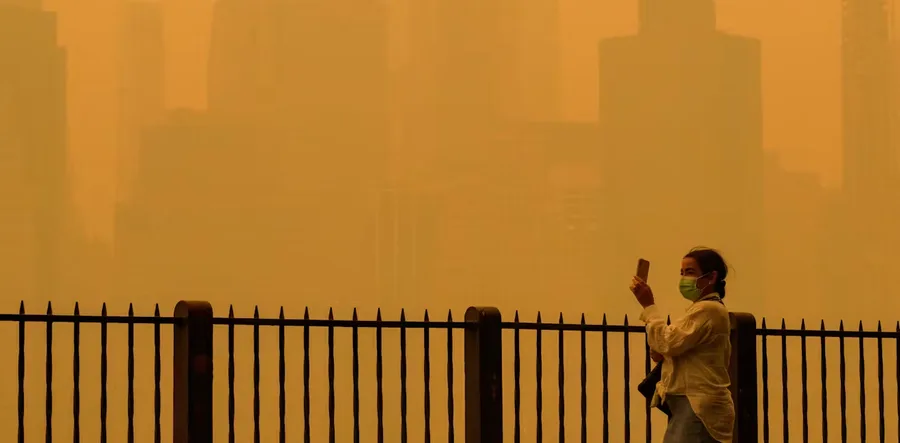
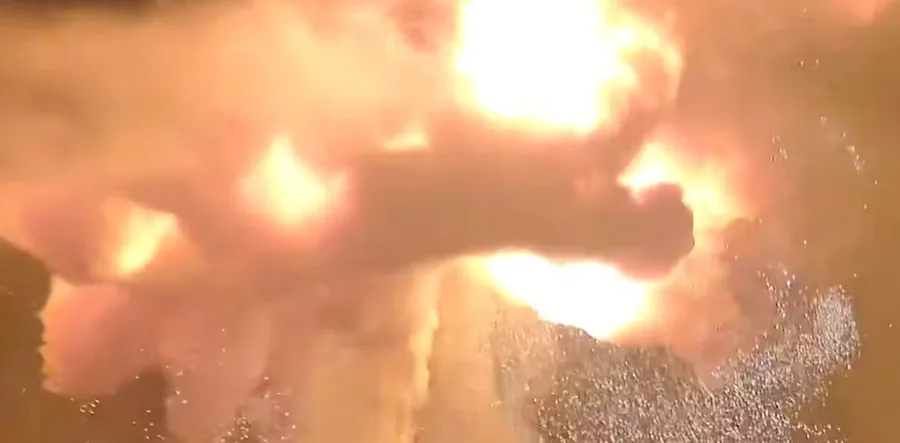
You can feel wet when you can see water and when you can’t see water. You can also feel dry even when there’s a lot of water vapor in the air – like during a fire.

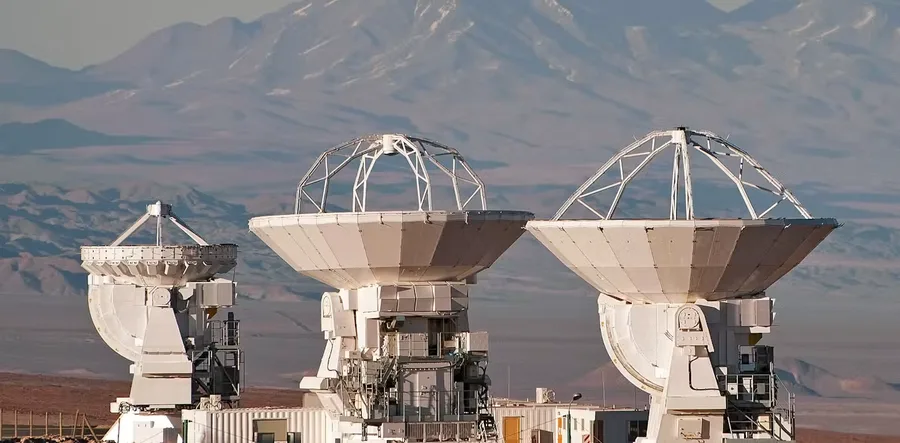
Interstellar maps can help scientists find patterns that tell them about fundamental chemical processes in the cosmos.

Eating fiber can prevent a number of health issues, and you might need to eat more than you think.

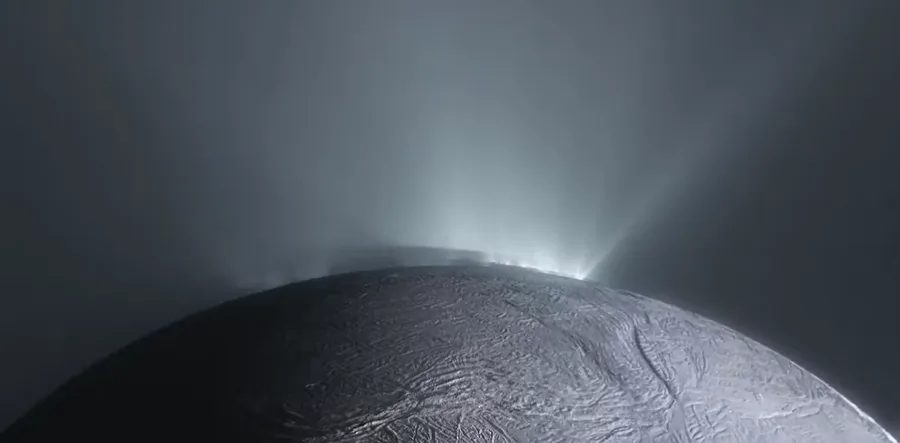
Ingredients for life may have been widespread throughout the Solar System in its early years.

Two garments made from the same fibre may have very different environmental footprints depending on how they were processed and finished.

A physical chemist outlines the promises and risks associated with methane fuel and describes why SpaceX and Blue Origin use it in their superheavy rockets.

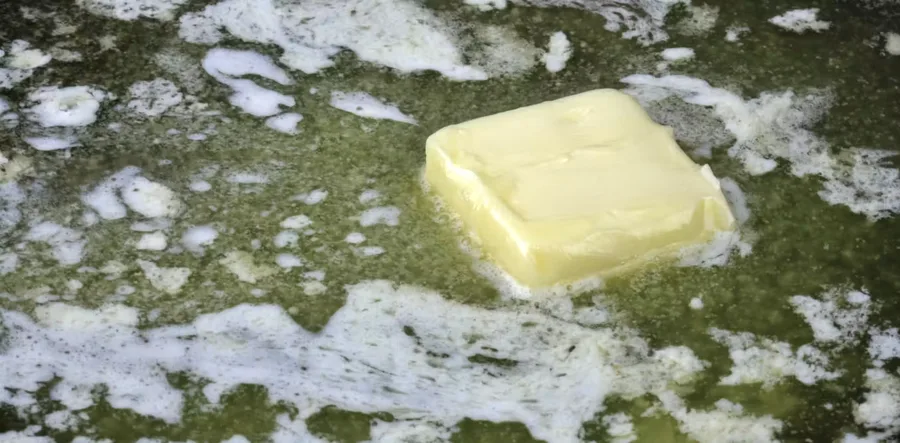
Negative ions are supposed to produce sleek, shiny hair – but how exactly does this happen?


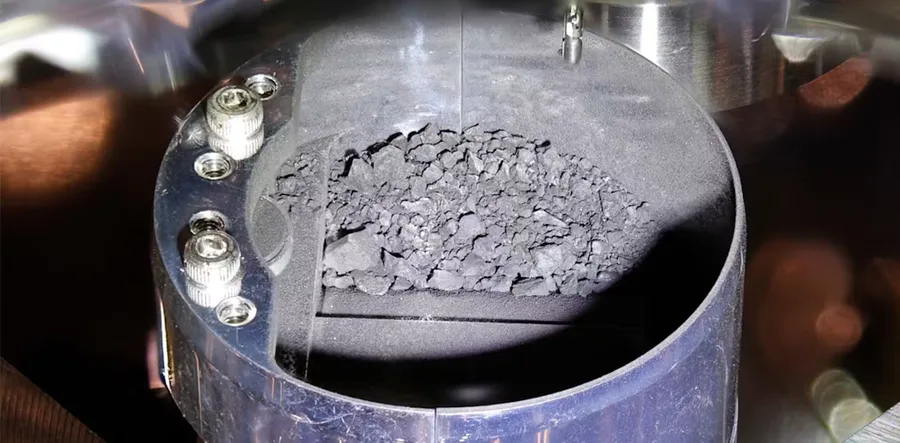
Future missions may be able to take only a small, damaged sample from space back to Earth. A simple analysis tool could help determine whether its contents suggest the presence of life.

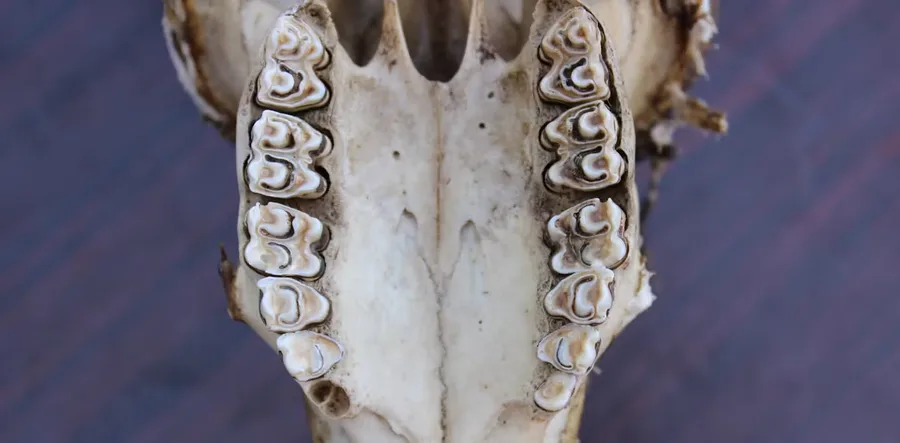
Through fossilized tooth enamel, scientists are reconstructing the diets and landscapes that existed millions of years ago. We really are what we eat.

If Spider-Man were real, he could help scientists revolutionize healthcare. Since he’s not, researchers develop creative ways to produce spider silk to study.

From beetles to sustainable packaging – one failure in the lab led to a new line of promising research.

Chemists have been working on new approaches to reducing waste and finding new functions for existing materials.

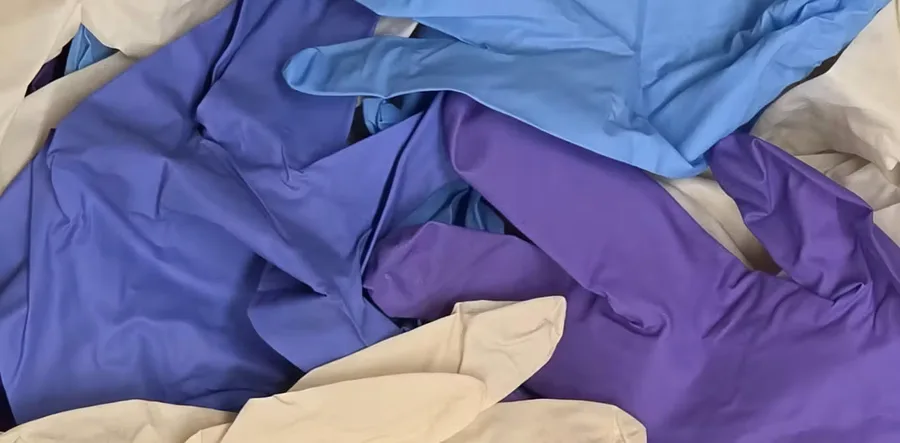
Tiny particles from certain lab gloves look like microplastics, and they can contaminate samples, new study finds.

Petrochemicals derived from oil and fossil fuels underlie the production of many consumer goods − and many you wouldn’t know from looking at the final product.

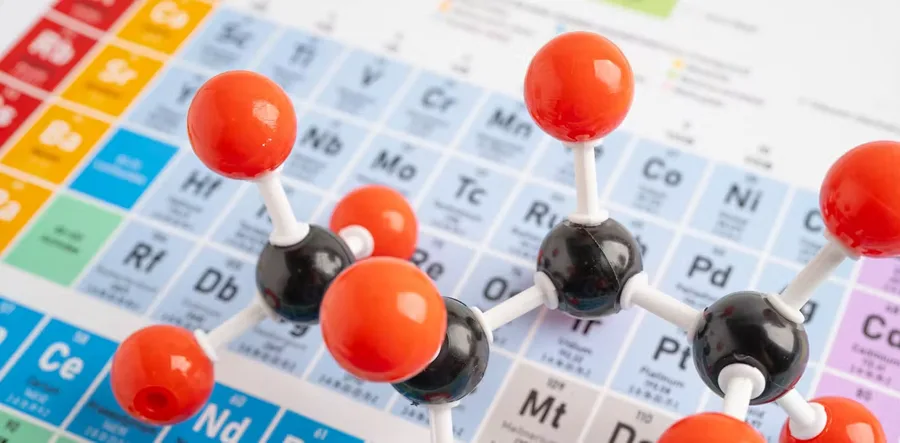
Listen to the The Conversation’s Curious Kids podcast to hear biochemist Mark Lorch explain how scientists are trying to make new elements for the periodic table.

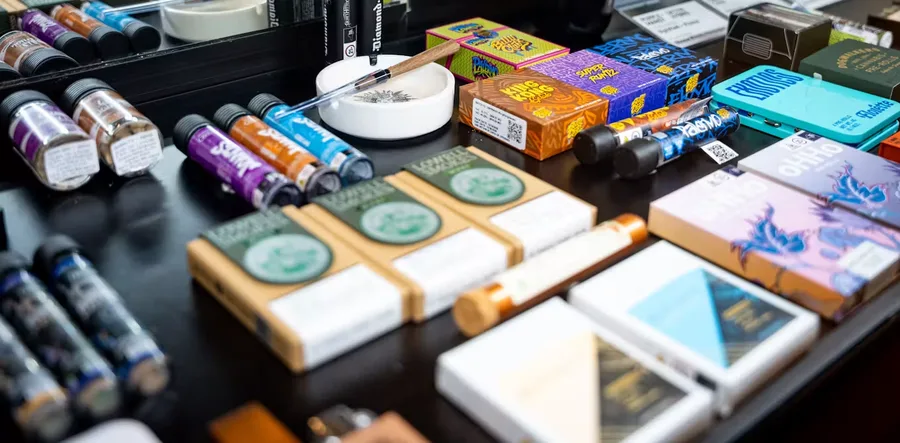
Hemp-derived THC products are federally legal, for now. A chemist describes the different THC forms these products can contain and the legal restrictions placed on them.


From slowly rusting iron to quick crystals, heat packs and hand warmers use simple but clever chemistry to keep you toasty.

As lunar missions are back in vogue with engineering more sustainable human presence on the Moon in mind, there’s no getting away from the fact that you can’t breathe on a satellite that has no atmosphere.

research.ioSign up to keep scrolling
Create your feed subscriptions, save articles, keep scrolling.