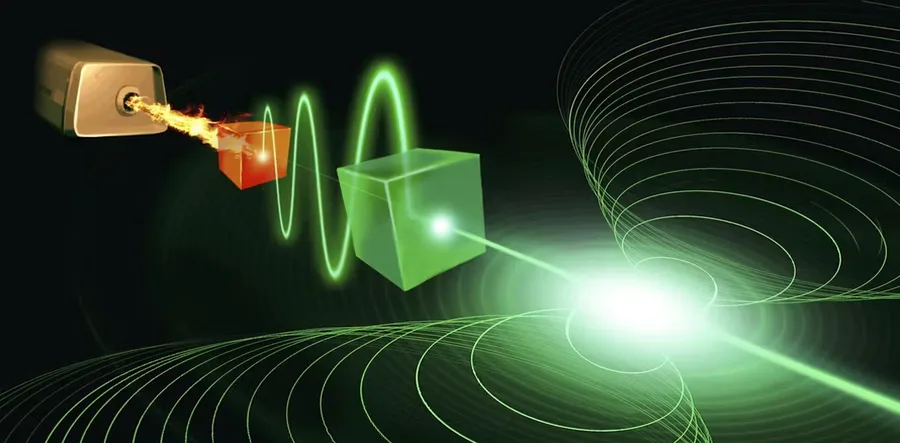
In an update of one of the most famous experiments in physics, scientists have used ‘slits in time’ to explore the properties of light and ultrafast optical materials.
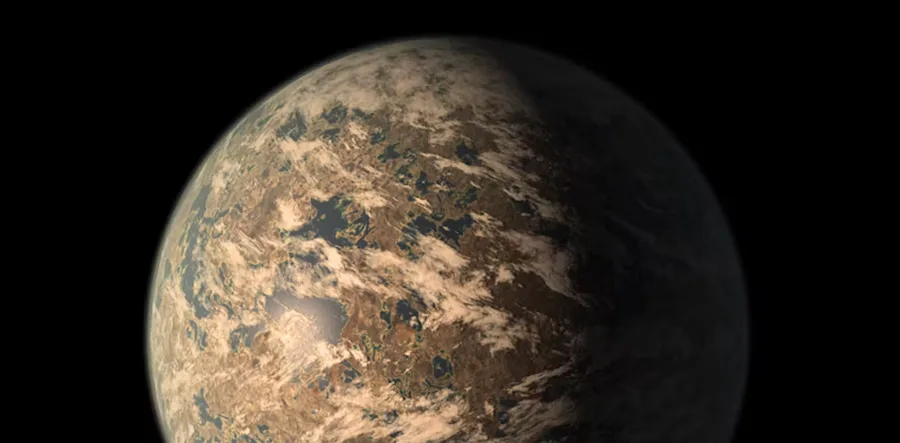
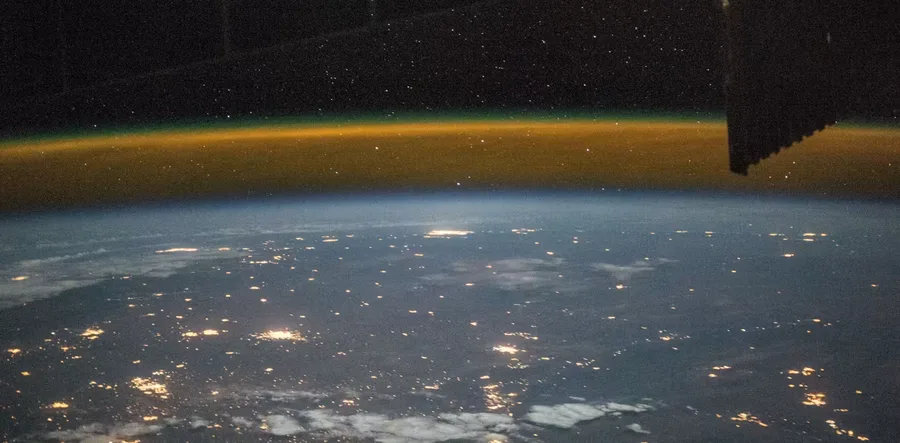
Life on Earth has dramatically changed the chemistry of the planet. Astronomers will measure light that bounces off distant planets to look for similar clues that they host life.
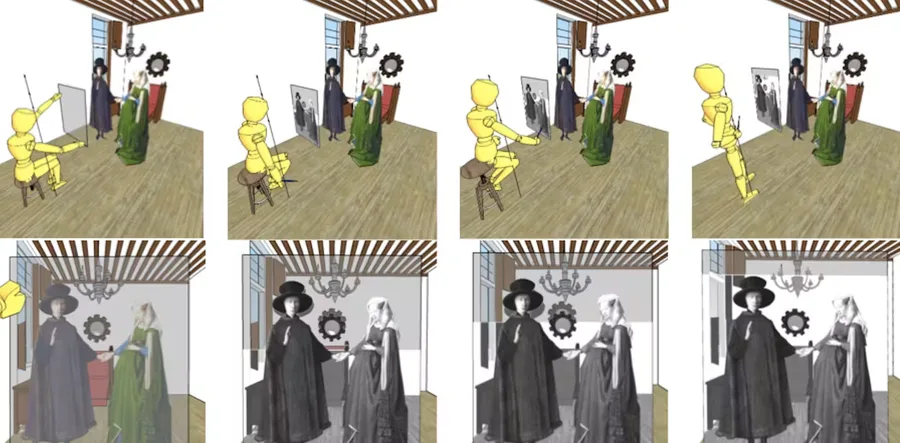
Researchers have long tried to unravel the puzzle of Jan van Eyck’s use of perspective in his masterpiece, the Arnolfini Portrait. New research suggests he may have had help from a novel machine.
Anish Kapoor made “Cloud Gate”, a giant bean-shaped mirror in Chicago. Visitors play with the light in the city and its surroundings, where our future lays.
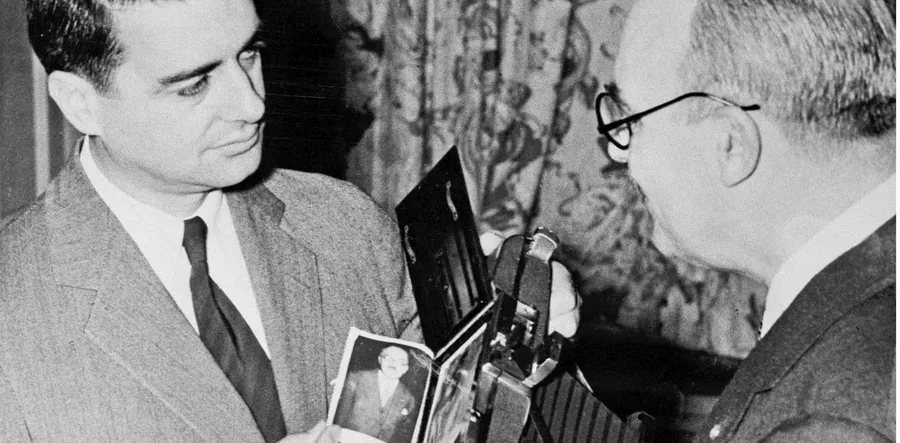
Whether at a family gathering or in a research lab, getting access to images immediately was a game-changer. And Land’s innovations went far beyond the instant photo.
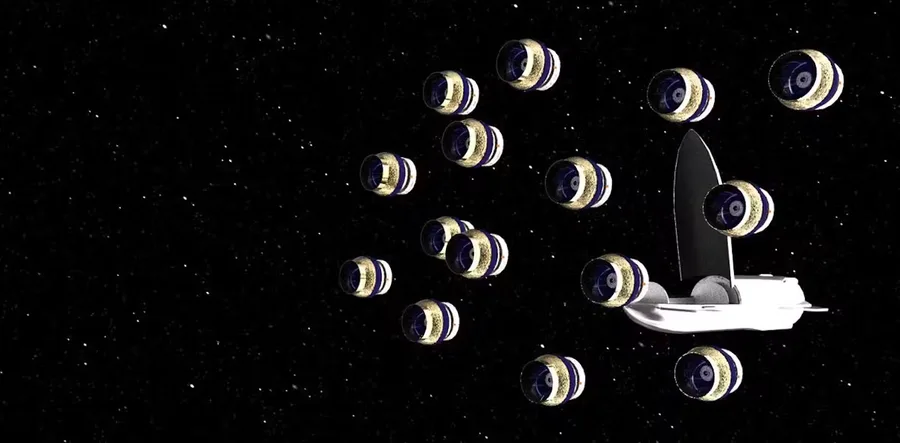
Space telescopes are limited in size due to the difficulties and cost of getting into orbit. By revamping an old optical technology, researchers are working on a lightweight and thin telescope design.
19th-century Irish physicist William Rowan Hamilton’s pioneering work contained hints of the enigmatic wave–particle duality that governs the universe.
For 60 years, physicists thought they knew exactly how coherent a laser could get. Now the ultimate quantum limit to laser coherence has been found, and it’s much much bigger than anybody thought.
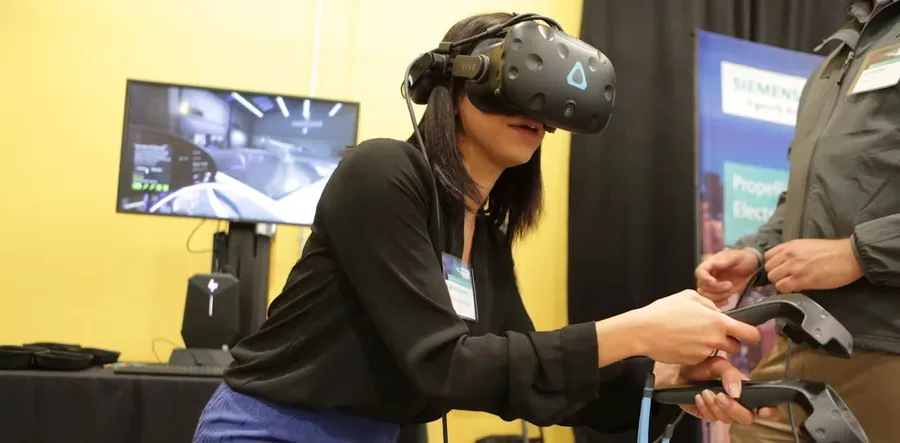
The impact of using electronic devices is critical during the first years of life, both visually and on the cognitive and social development of the child.
Gottfried Lechner·...·University of South Australia
3d ago
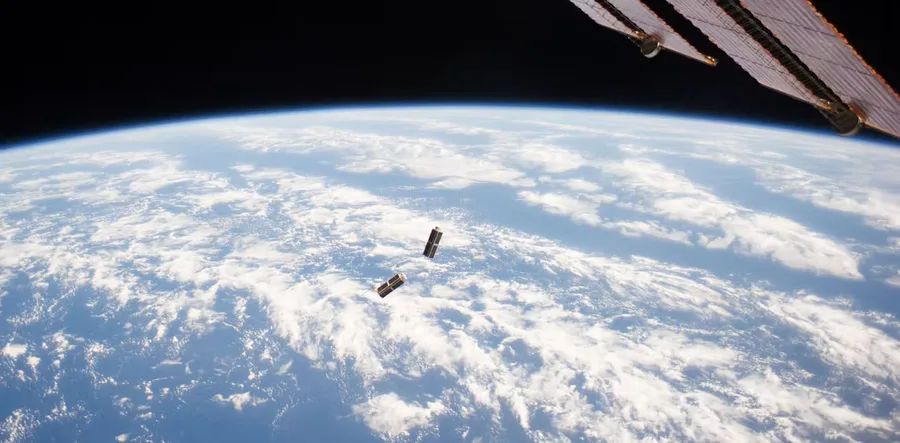
Free space optical communication will allow the same connectivity in space we already have on Earth. And this will provide benefits across a number of sectors.
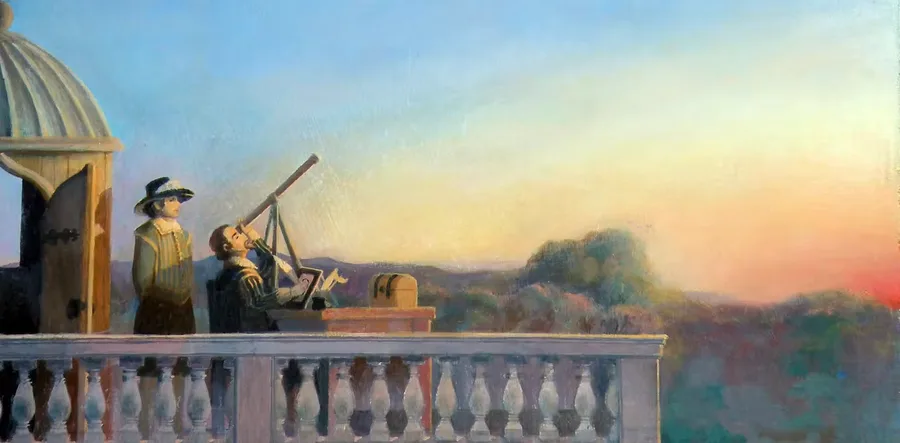
The English astronomer and navigator Thomas Harriot died in 1621, leaving behind 8,000 pages of notes containing a trove of unpublished scientific discoveries.
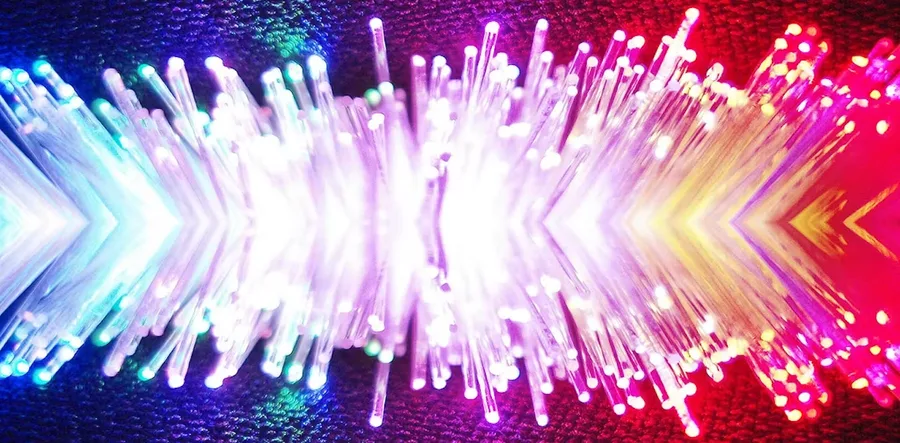
In 1954, three scientists observed a paradox to which they gave their name: the Fermi-Pasta-Ulam recurrence. Now, fibre optics are on the way to finally providing an explanation.




 research.io