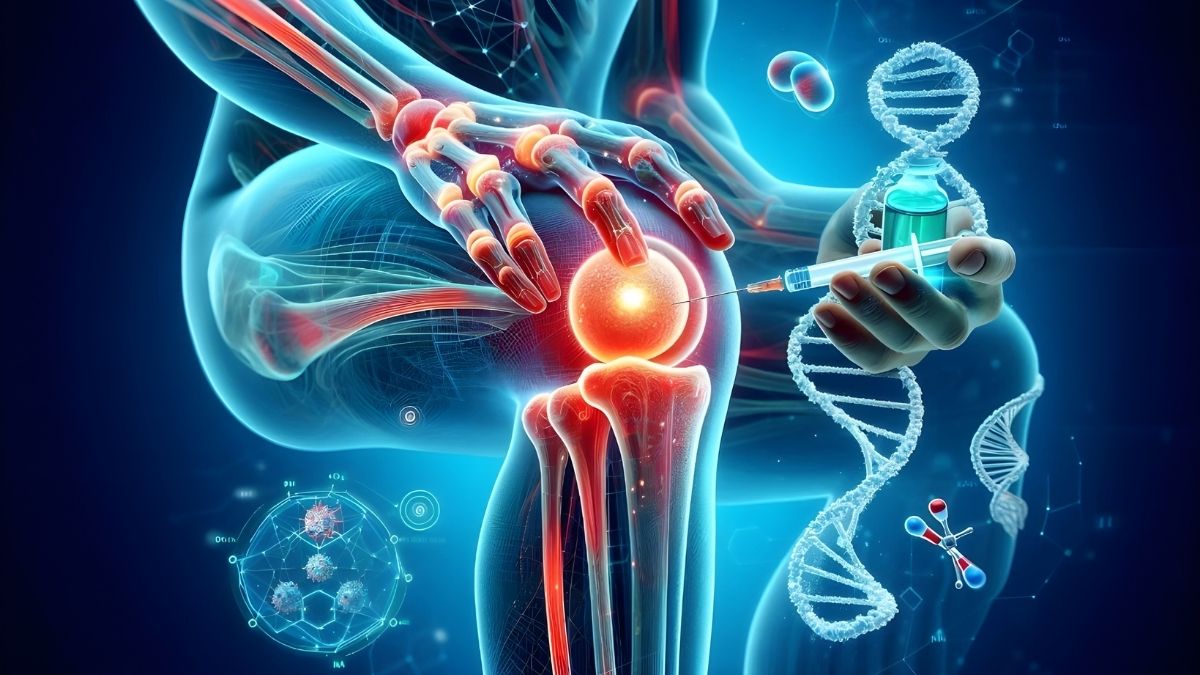
Osteoarthritis (OA) is a prevalent degenerative joint disorder characterized by progressive cartilage destruction, chronic inflammation, pain, and functional impairment. Conventional therapies primarily focus on symptom management and are unable to restore damaged articular cartilage or effectively modify disease progression. Consequently, increasing attention has been directed toward biologic an…
Because the adult human heart cannot repair itself the way skin does, scientists have studied ways to reprogram heart cells to regenerate after heart attacks. Heart cells have very stable identities, however, and are resistant to being reprogrammed.
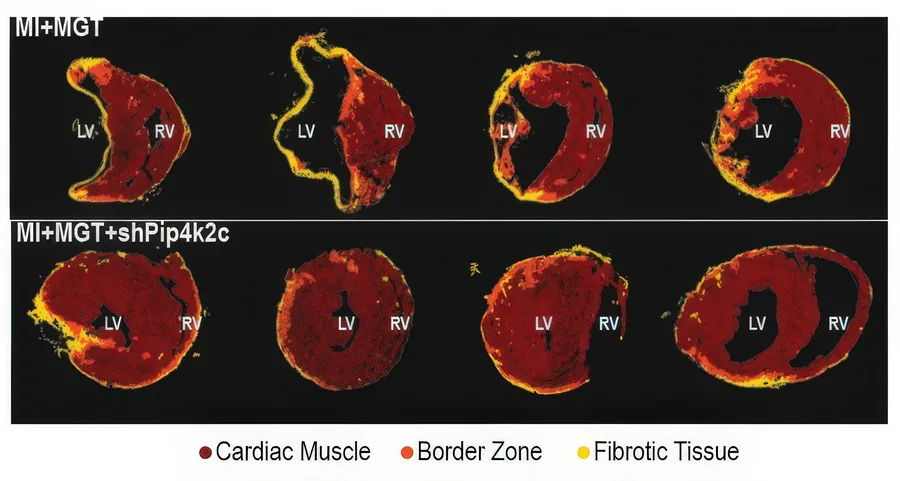
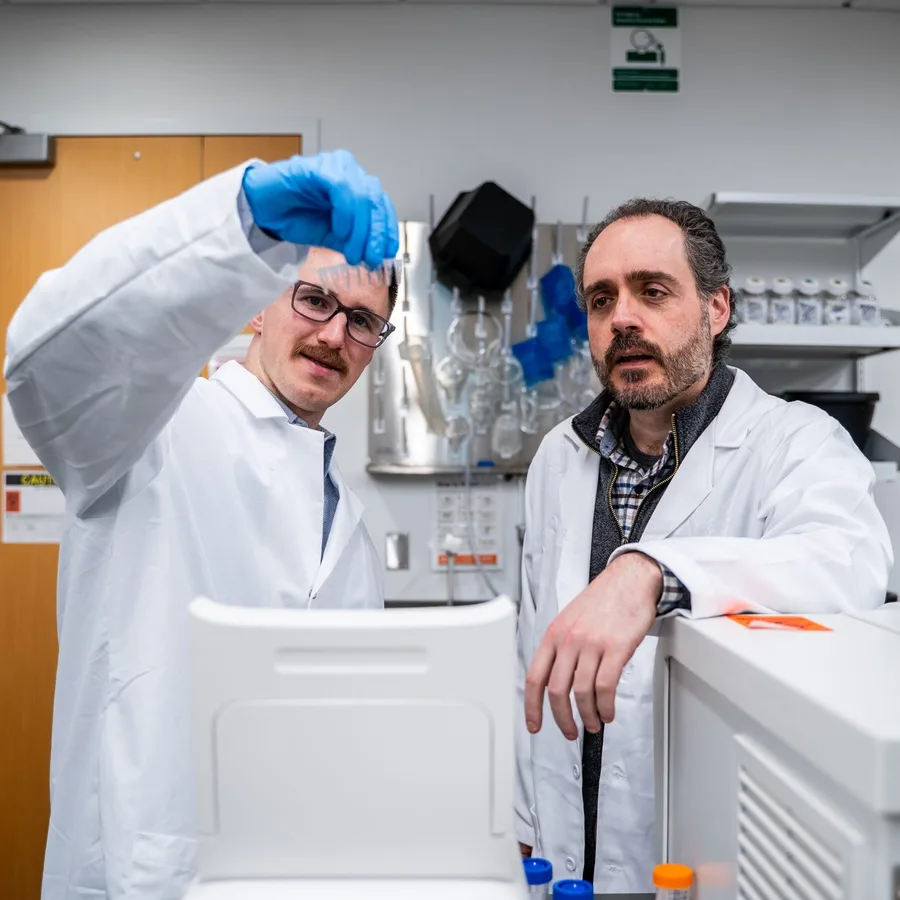
Scientists at Sanford Burnham Prebys Medical Discovery Institute and collaborators at The Johns Hopkins University School of Medicine published findi…
The Central Social Insurance Medical Council, which advises the health minister, on Wednesday approved the application of public health insurance to RiHeart, a cardiac muscle cell sheet that uses induced pluripotent stem (iPS) cells, effective on Sept. 1. It is the second case of insurance coverage approval in the country for an iPS cell-derived regenerative […]
Human cardiac organoids are important *in vitro* models for cardiovascular disease research, drug screening, and regenerative medicine. Unlike traditional reviews that focus on single technological advances, this article adopts a multi-dimensional integration perspective to systematically summarize innovative breakthroughs in the construction of cardiac organoids through intelligent biomanufactur…
IMDEA Materials Institute has developed mechanically tunable hydrogel membranes that closely mimic the mechanical environment of human skin while remaining highly biocompatible, representing an improved platform for skin tissue engineering and regenerative medicine.
A healthy bone marrow (BM) produces nearly all types of cells in our blood. Many blood disorders occur when hematopoietic stem cells (HSCs) in the BM malfunction.
Conexeu Sciences, a preclinical-stage regenerative tissue platform company, debuted on Nasdaq, framing the public listing as a milestone for its mission of “Architecting Bioregeneration” and for the development of a platform designed to support the biological conditions needed to restore lost or damaged tissue. “At Conexeu, we believe regenerative medicine requires more than incremental improveme…
From Lab to Life: How 3D Bioprinting Could Change Medicine Forever Scientists are developing 3D bioprinting technology to create tissues, blood vessels, skin, and experimental organ structures using living cells and biomaterials. 3D bioprinting is reshaping personalized medicine. It permanently solves the global organ shortage and prevents immune rejection. Surgeons use a patient's own stem cells…
A new study helps advance the knowledge of transplanted liver cell biology. The post Understanding Transplanted Liver Cells for Regenerative Therapies appeared first on Advanced Science News .
The Wake Forest Institute for Regenerative Medicine to host events, including annual summer course bringing together global leaders, researchers, clinicians and industry experts to explore latest advancements in regenerative medicine.
BackgroundCoronary microvascular recovery is essential for cardiac repair post-myocardial infarction (MI), but the endogenous signals driving endothelial cell (EC) cycle reentry remain elusive. While tumor necrosis factor-alpha (TNF-α) is typically considered a pro-inflammatory mediator, its biological effects are profoundly influenced by protein conformation. In this study, we identify a novel p…
Imagine holding a miniature, beating human heart in the palm of your hand—not a metaphor, but a real, living mini-heart grown from stem cells. That’s not science fiction. It’s science fact, and it’s happening thanks to a powerful partnership between Michigan State University (MSU) and CytoHub Inc., a biotech company poised to revolutionize cardiac research, drug development, and regenerative medi…
Radix Regenerative today announced its position as a leading provider of bioidentical hormone replacement therapy (BHRT), professional-grade peptides, and regenerative medicine solutions for medical practices across the United States.
Mayo Clinic researchers have developed a new method to identify which proteins are most likely to trigger an immune response - a discovery that could help improve transplant care, regenerative medicine and other areas where the immune system plays a critical role. The results, published in Biomaterials, challenge a common assumption in the field that all proteins are equally likely to provoke imm…
A newly identified lung cell “switch” could help doctors unlock the lungs’ natural ability to heal themselves. Scientists at Mayo Clinic have uncovered a molecular “switch” inside lung cells that determines whether those cells focus on healing damaged tissue or defending against infection. The discovery offers new insight that could shape future regenerative treatments for [...]
Using lab-grown human spinal cord organoids — miniature organs derived from stem cells — Northwestern scientists have modeled different types of spinal cord injuries and tested a promising new regenerative therapy. The post Paralysis Treatment Heals Lab-Grown Human Spinal Cord Organoids appeared first on News Center .
Living with chronic joint pain can wear people down. Simple movements become harder. Daily routines take more effort. Many people want relief without surgery or long recovery periods. Because of that, regenerative medicine has gained attention as a non-surgical option for joint pain.
Stem cell therapy is one approach that uses the body’s own biological processes to support joint function and redu…





 research.io