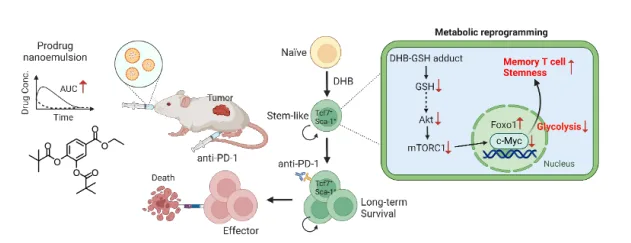
Engineered a DHB prodrug-based oral nano-emulsion with enhanced bioavailability, dramatically improving the efficacy of immune checkpoint blockade therapy
Glioblastoma multiforme (GBM) is the most aggressive and lethal type of brain tumor. Both therapeutic resistance and restricted permeation of drugs across the blood–brain barrier (BBB) play a major role in the poor prognosis of GBM patients. Accumulated evidence suggests that in many human cancers, including GBM, therapeutic resistance can be attributed to a small […]
Nanomedicine has emerged as a promising platform for targeted drug delivery, molecular diagnostics, cancer therapy, and regenerative medicine by exploiting the unique physicochemical properties of nanomaterials. However, conventional nanoparticle synthesis often relies on hazardous chemicals, energy-intensive processes, and complex purification steps that may limit biocompatibility, reproducibili…
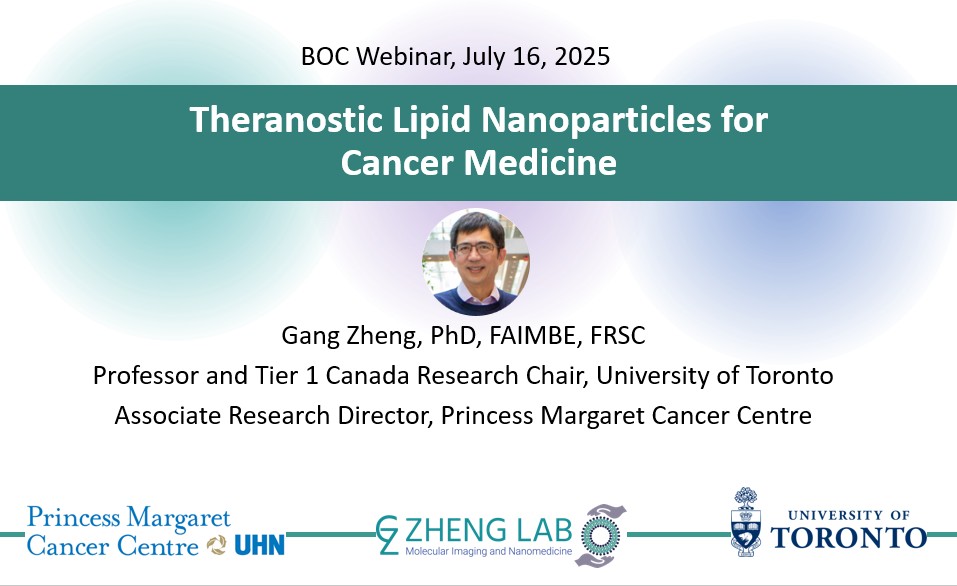
Introduction: The Next Frontier of Lipid Nanoparticles (LNPs) in Cancer Nanomedicine
For decades, cancer nanomedicine has pursued a central goal — to deliver potent therapies directly to tumors while sparing healthy tissues. Lipid nanoparticles (LNPs) have emerged as one of the most clinically validated nanocarriers, from mRNA delivery to small-molecule encapsulation. Yet, a new generation of lip…
Artzi’s promotion and Feng’s appointment strengthen the Institute’s efforts in nanomedicine and immunoengineering, as well as modeling of chronic kidney diseases
The 17th International Nanomedicine and Drug Delivery Symposium (NanoDDS’19) will be held on the MIT campus September 22-24, 2019. We anticipate accommodating >400 participants from around the world. This symposium will particularly focus on translation medicine, and will be featuring speakers from both biotech industry and academia. Co-Chairs Daniel Anderson Associate Professor, Chemical Engin…