BOC Sciences Blog
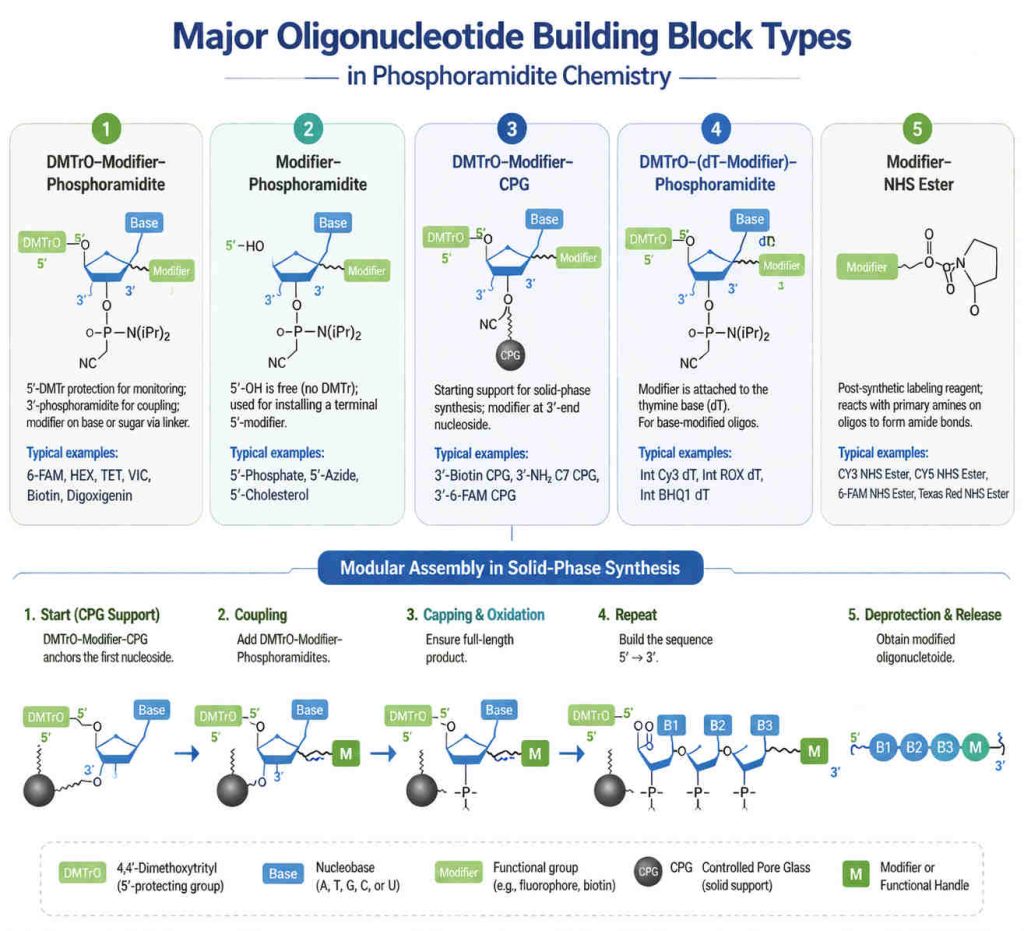
Why Impurity Analysis Matters in Oligonucleotide Quality Control In the quality control of chemically synthesized oligonucleotides, impurity analysis is a critical component for ensuring drug safety, efficacy, and consistent product quality. The industry has now reached a clear consensus on the classification of oligonucleotide impurities. In practice, these impurities are primarily categorized c…
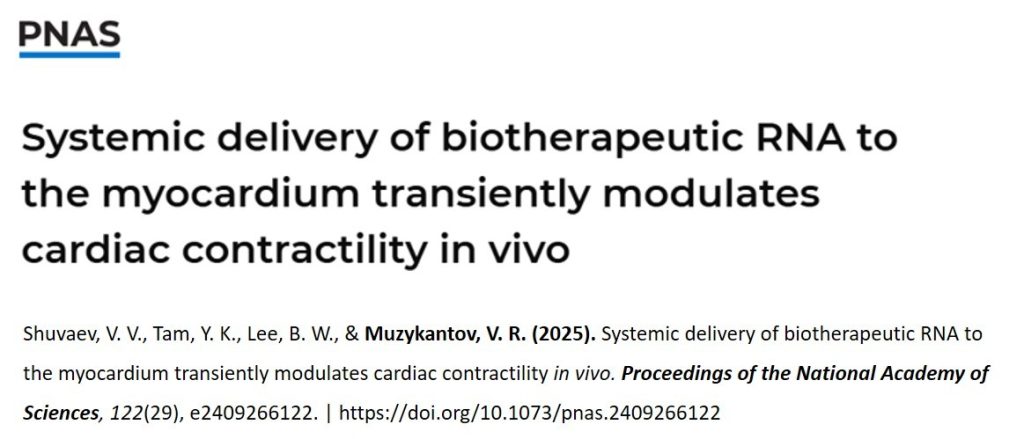
Delivering therapeutic agents to the heart has long been a formidable challenge. While cardiovascular diseases remain the world’s leading cause of mortality, modern therapeutic strategies—including RNA medicines, protein drugs, and gene-editing tools—struggle to reach the myocardium in meaningful amounts. The heart’s unique structural and physiological barriers have historically limited the succe…
The growing need for sustainable and efficient production systems has positioned microbial engineering and synthetic biology at the forefront of the modern bioeconomy. In a recent BOC Sciences webinar, “Engineering Microbes and Microbial Communities for Sustainable Bioproduction,” Prof. Rodrigo Ledesma-Amaro from Imperial College London shared his pioneering work on microbial design, synthetic co…
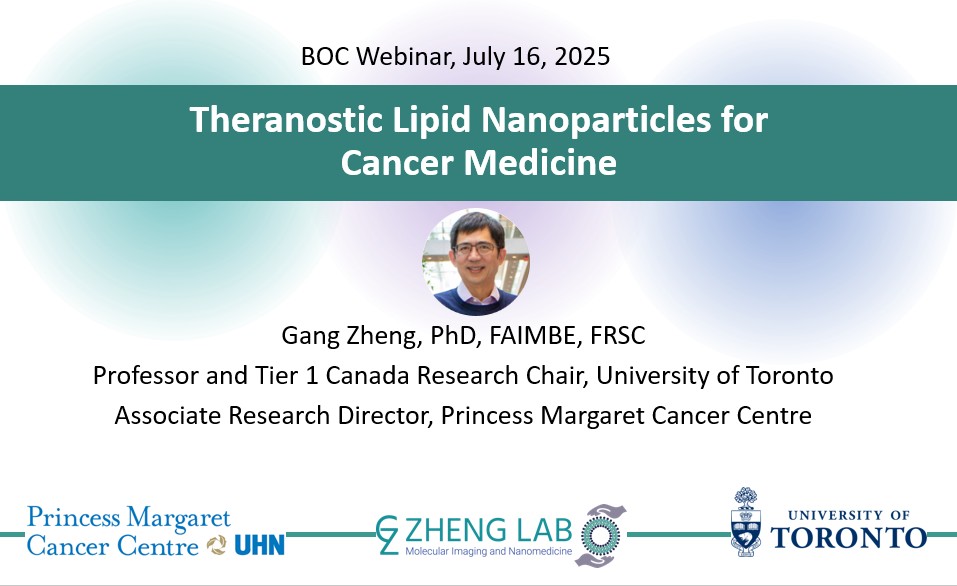
Introduction: The Next Frontier of Lipid Nanoparticles (LNPs) in Cancer Nanomedicine For decades, cancer nanomedicine has pursued a central goal — to deliver potent therapies directly to tumors while sparing healthy tissues. Lipid nanoparticles (LNPs) have emerged as one of the most clinically validated nanocarriers, from mRNA delivery to small-molecule encapsulation. Yet, a new generation of lip…
The Rising Global Demand for GLP-1 Therapies As global rates of diabetes and obesity continue to climb, GLP-1 receptor agonists (GLP-1 RAs) have attracted tremendous attention for their remarkable glucose-lowering and weight-reducing effects. However, all currently approved GLP-1 RAs-such as semaglutide and tirzepatide-are peptide-based drugs, predominantly administered by injection. Even the few…
Hyperlipidemia is one of the most significant controllable risk factors for cardiovascular and cerebrovascular diseases such as myocardial infarction and stroke. These conditions have long ranked among the leading causes of death worldwide, posing a serious threat to public health. Dyslipidemia is not only directly linked to atherosclerosis but is also closely associated with metabolic disorders …
A very high proportion of approved drugs contain nitrogen-containing heterocyclic structures. Taking the period from 2013 to 2023 (11 years) as an example, 82% of all approved drugs featured at least one nitrogen-containing heterocycle. This article presents the 35 most frequently occurring nitrogen-containing heterocyclic frameworks found among the 321 drugs approved during that time. - Pyridine…
Transfer RNA-derived small RNAs (tsRNAs) are a class of small non-coding RNAs (sncRNAs) generated from precursor or mature tRNAs through specific cleavage by ribonucleases such as Angiogenin (ANG), Dicer, and RNase Z [1,4]. Once regarded as random degradation products, tsRNAs are now recognized as critical regulators of gene expression, with significant roles in physiological and pathological pro…
Technology Overview Aptamer-ASO chimeras are innovative bifunctional oligonucleotide therapeutics that combine the high-affinity targeting of aptamers with the gene-silencing capabilities of antisense oligonucleotides (ASOs) [1]. This hybrid design enables precise delivery of ASOs to specific cells or tissues, enhancing therapeutic efficacy while minimizing off-target effects. By leveraging aptam…
Introduction to GalNAc-ASO Technology GalNAc (N-acetylgalactosamine)-conjugated antisense oligonucleotides (ASOs) utilize triantennary GalNAc ligands to bind the asialoglycoprotein receptor (ASGPR) on hepatocytes. This enables receptor-mediated endocytosis, delivering ASOs specifically to liver […]
Introduction Toll-like receptors (TLRs) play a crucial role in innate immunity by detecting foreign RNA and triggering immune responses. Among these, TLR7 and TLR8 recognize RNA degradation products in endolysosomal compartments, […]
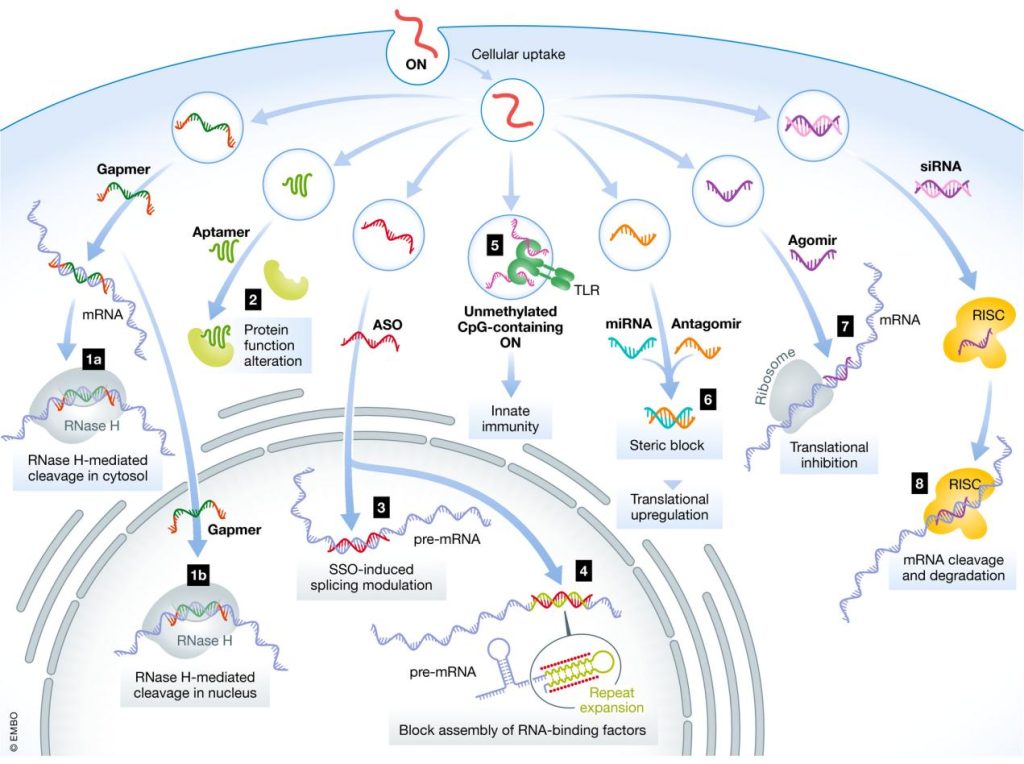
Oligonucleotide-based therapeutics represent a transformative approach in modern biomedicine, enabling targeted modulation of gene expression, splicing, protein interactions, and immune activation. From antisense oligonucleotides to siRNA, these therapies are redefining […]
A Breakthrough in Post-Transcriptional Regulation Key Takeaways Introduction In the intricate “micro-city” of the cell, messenger RNA (mRNA) molecules function like delivery parcels, carrying genetic instructions from DNA to ribosomes […]
Step-by-Step Guide for Research Applications The rapid expansion of mRNA technology from vaccine development to gene editing, protein replacement, and cellular reprogramming has created an urgent need for small-scale, high-quality […]
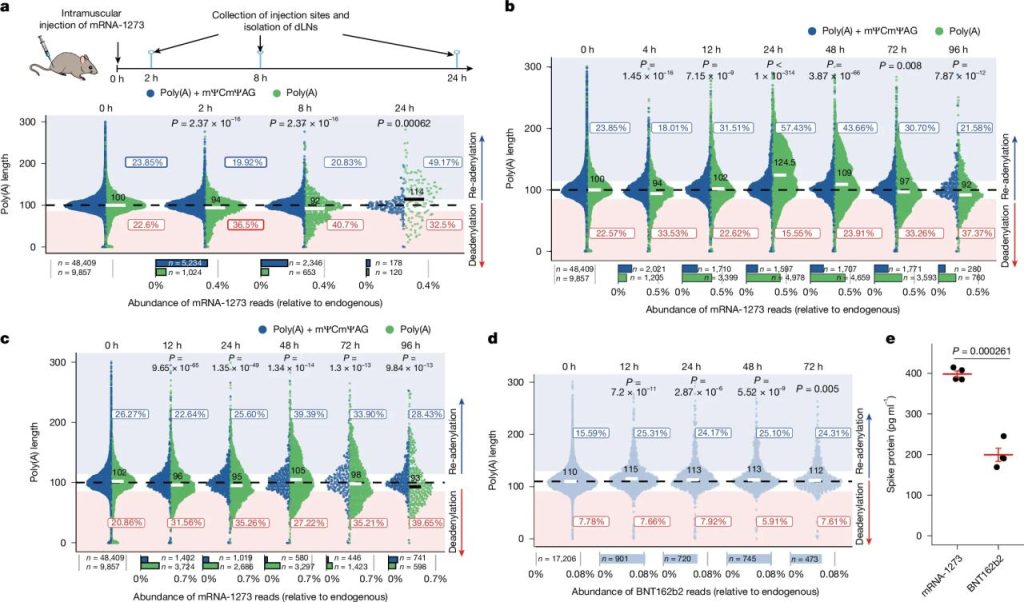
mRNA vaccines have played a pivotal role in curbing the COVID-19 pandemic. However, mRNA molecules are inherently unstable and prone to degradation—a feature that, while beneficial for safety, can limit […]
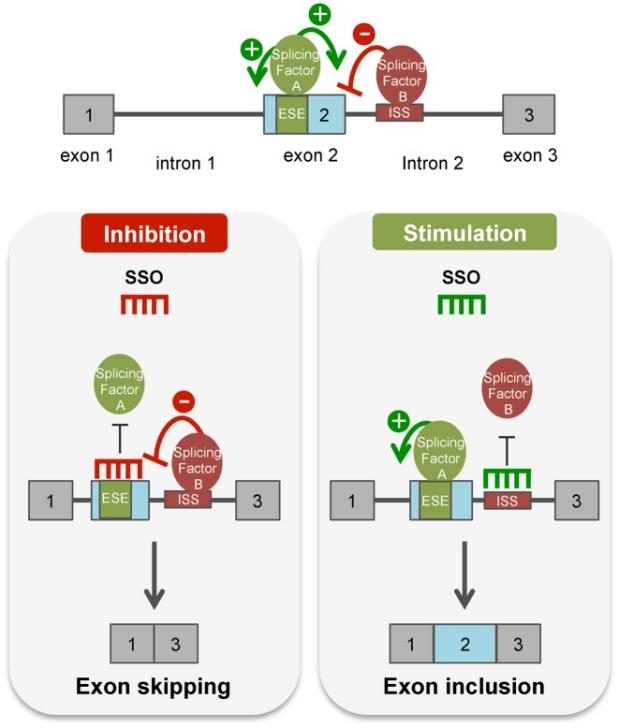
Introduction Splice-switching oligonucleotides (SSOs) are a class of antisense oligonucleotides (ASOs) designed to modulate pre-mRNA splicing by redirecting the splicing machinery to alter exon inclusion or exclusion [1]. By binding to […]
Principle of Deuterated Drugs Deuterium is an isotope of hydrogen, where its atomic nucleus contains one additional neutron compared to hydrogen, giving it an atomic mass that is twice that […]
Antibody-drug conjugates (ADCs) are at the forefront of targeted cancer therapy, and next-generation ADCs are redefining the landscape by overcoming the limitations of earlier designs. These advancements span all three core […]
Traditional ADCs: The Need for Precision Over the past decade, all FDA-approved antibody-drug conjugates (ADCs) have been heterogeneous mixtures composed of monoclonal antibodies (mAbs) conjugated with varying numbers of cytotoxic drugs […]
research.ioSign up to keep scrolling
Create your feed subscriptions, save articles, keep scrolling.