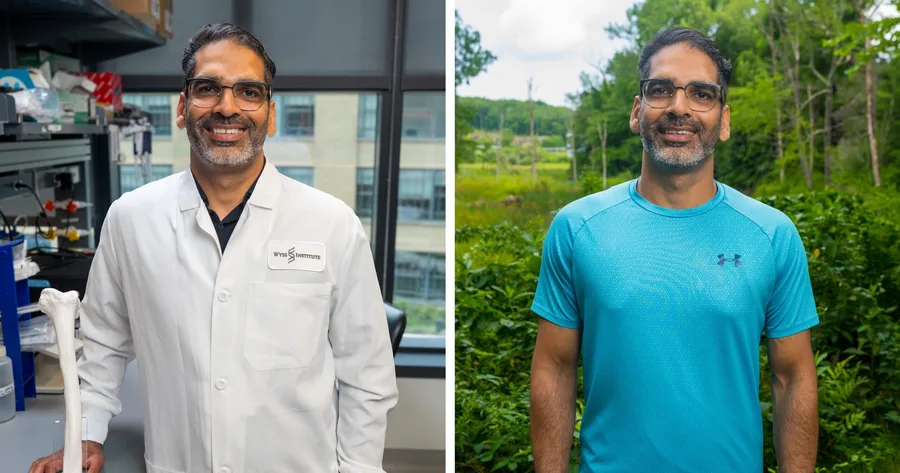
The Humans of the Wyss (HOW) series features members of the Wyss community discussing their work, the influences that shape them as professionals, and their collaborations at the Wyss Institute and beyond. Harkamal (Hark) Jhajj is always climbing physical and metaphorical mountains. In his spare time, he loves doing physical activities and exploring nature by hiking and visiting national parks. S…
Award enables unprecedented instrument capabilities at the Institute, facilitating collaborative research across many areas of human and environmental health
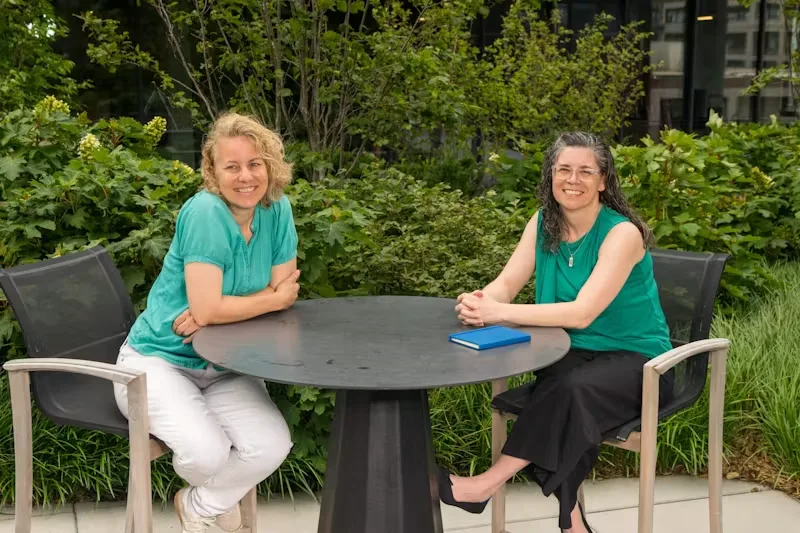
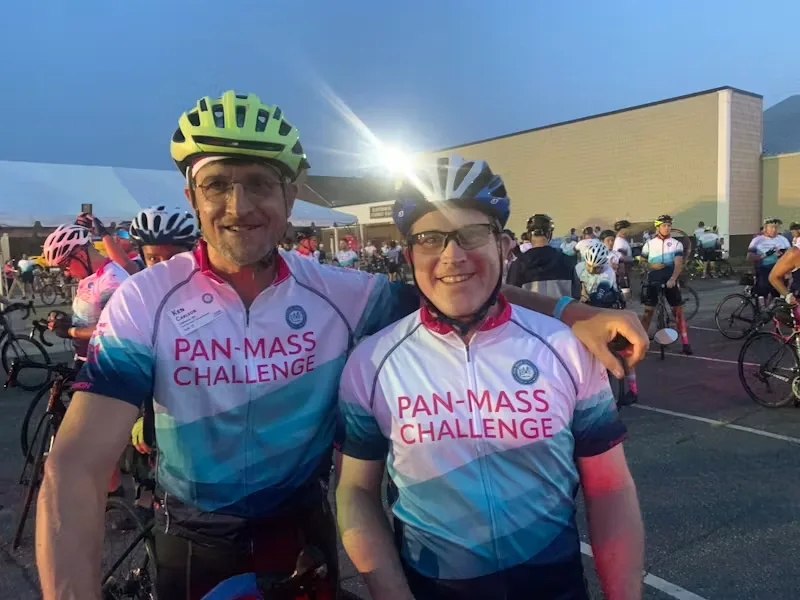
A conversation with Ken Carlson and Jay Culverwell about how they’re addressing the Grand Challenge of cancer through their work and their participation in the Pan-Mass Challenge
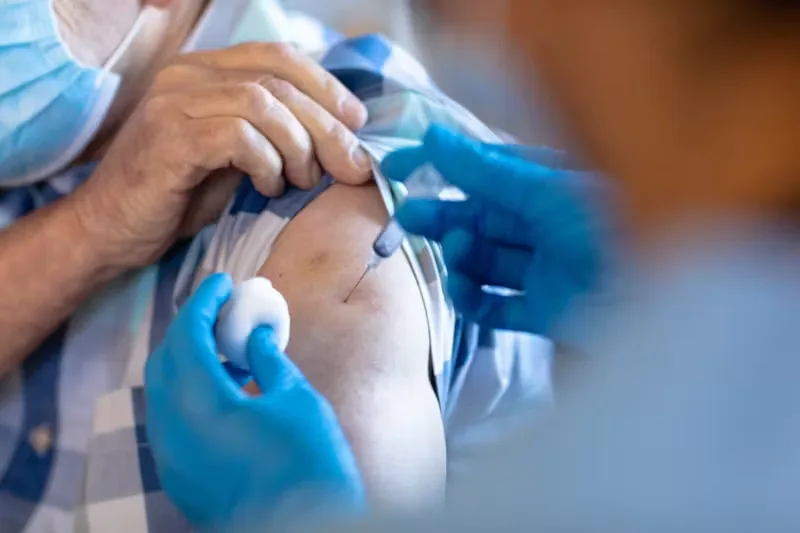
Expanded Lymphoid Organ Chip model captures mRNA vaccination from injection to protective antibody production with unprecedented complexity, with unique potential for mRNA vaccine research
The Humans of the Wyss (HOW) series features members of the Wyss community discussing their work, the influences that shape them as professionals, and their collaborations at the Wyss Institute and beyond. In sailing and in science, it’s important to communicate and stay calm in stressful situations, which is something postdoctoral fellow Sarah Sandler knows well. As a competitive sailor… Source
AI-enabled antibiotic discovery proves effective at identifying new chemical structures and targets in the constant fight against antibiotic-resistant gonorrhea
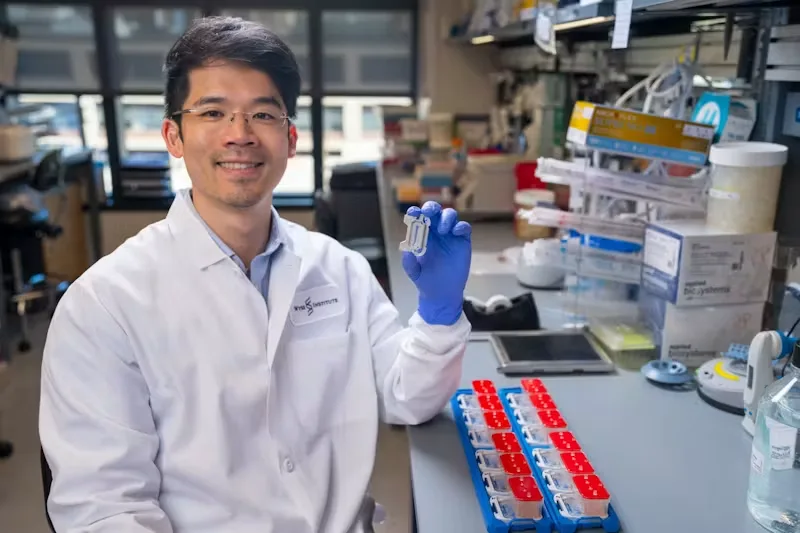
The Humans of the Wyss (HOW) series features members of the Wyss community discussing their work, the influences that shape them as professionals, and their collaborations at the Wyss Institute and beyond. David Chou’s work is literally out of this world! In addition to identifying radiation countermeasures for use on Earth, he is part of the AVATAR project, which aims to understand how humans… S…
A conversation with Matthew Woodworth about mental health awareness and how his work on the CircaVent project will help improve the way we understand and treat mental health issues, like bipolar disorder
Replication of patient- and sex-specific hallmarks of IBD in a human organ chip reveals stromal fibroblasts as drivers of inflammation, fibrosis, and enhanced cancer risk
Generalizable framework for Implantable Living Materials composed of highly engineered hydrogels and synthetically engineered bacteria opens diverse novel therapeutic avenues
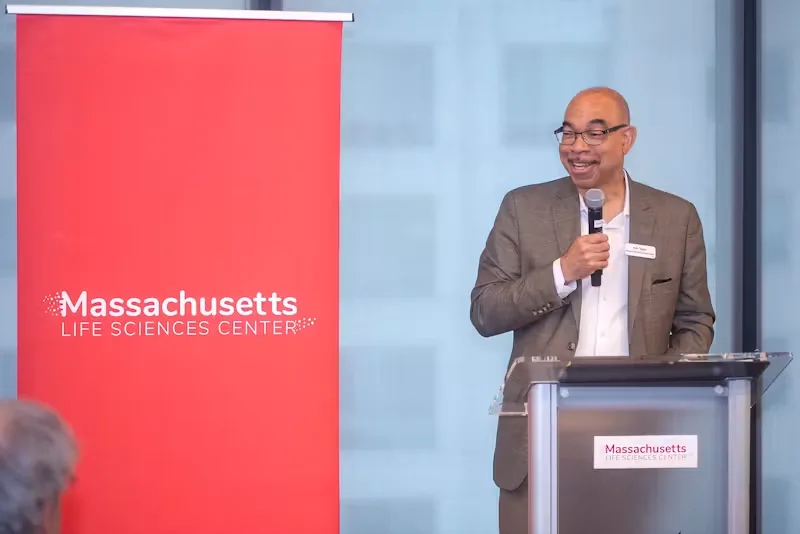
This collaboration will fund translational research, accelerate commercialization, and advance breakthrough healthcare innovations across multiple disciplines
The Humans of the Wyss (HOW) series features members of the Wyss community discussing their work, the influences that shape them as professionals, and their collaborations at the Wyss Institute and beyond. Alex Li has always been fascinated by the idea of using living systems to make a positive impact. He initially pursued his interest in science, but after working at a venture capital firm… Sour…
New study combines tissue engineering with synthetic biology tools to grow healthy liver tissue inside the body, and lays foundation for “smart” solid organ therapies
Wyss Institute-enabled Organ Chip “avatars” will provide insights into astronaut health risks and provide a tool for future discovery of countermeasures necessary for travel to the Moon and beyond

 research.io