Nature Communications, Published online: 05 September 2026; doi:10.1038/s41467-026-77599-6 There is still limited data reported on virus diversity in South American bats. In this study, the authors report a divergent betacoronavirus with a functional furin cleavage site in South American bats, expanding knowledge of coronavirus diversity and features linked to zoonotic potential.
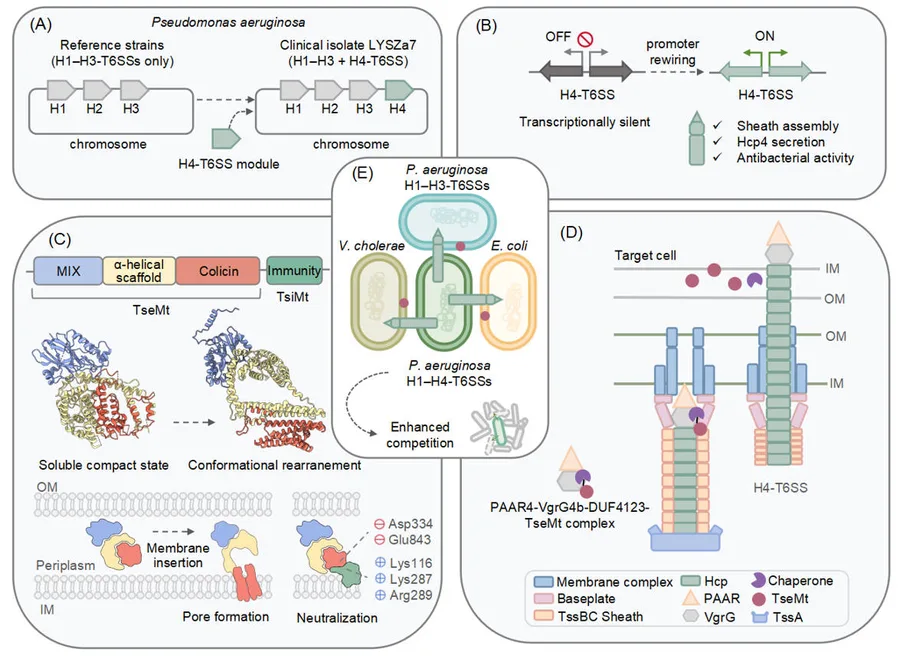
Pseudomonas aeruginosa typically carries three T6SSs, but clinical isolates can harbor an additional H4 system whose function was unknown. Wu et al. show that the H4-T6SS of clinical isolate LYSZa7 is a functional secretion apparatus when transcriptionally activated. They identify TseMt as a major antibacterial effector that acts in the periplasm, binds membranes, and forms ion-conducting pores. …
Researchers at the University of Oslo and Oslo University Hospital have, together with international collaborators, discovered that a small molecule made exclusively by gut bacteria can actively drive disease in the bile ducts and worsen primary sclerosing cholangitis (PSC), a serious liver and bile duct disease.
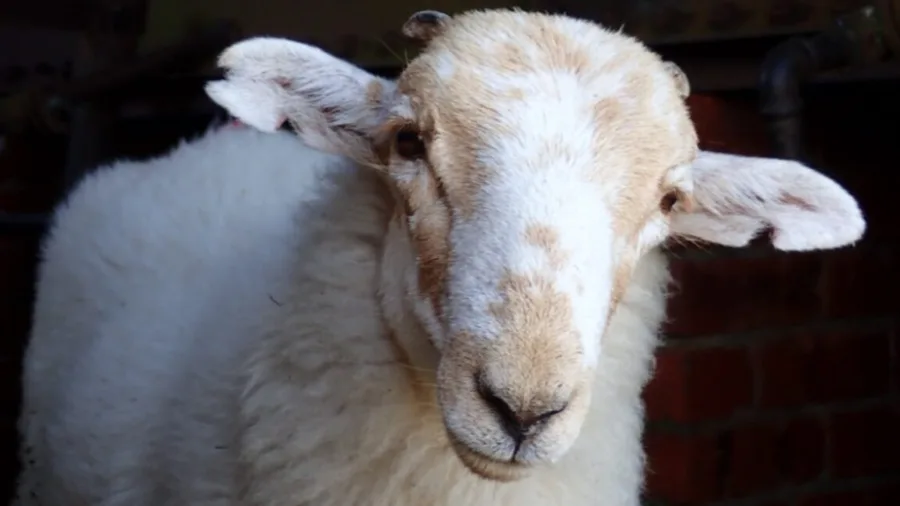
Some of Europe's most well-known historic manuscripts, including the York Gospels, have proven to be biological time capsules for uncovering the 3,500-year history of the sheeppox virus (SPPV).
DUBLIN, IRELAND—According to a statement released by University College Dublin (UCD), DNA samples obtained from […] The post Sheep Pox Virus Tracked With Medieval Parchment appeared first on Archaeology Magazine .
Nature Communications, Published online: 04 September 2026; doi:10.1038/s41467-026-77542-9 The study reports the emergence of a new Ebola variant in a remote area of Kasai Province, DR Congo. The findings highlight the need for rapid detection and sequencing to better identify variants and quickly respond to outbreaks.
Nature Water, Published online: 03 September 2026; doi:10.1038/s44221-026-00693-y Using hybrid-capture metagenomics, an analysis of 31 months of wastewater samples detected 339 viral species and 715 strains, retrospectively tracked seasonal trends and provided early warnings of clinically relevant outbreaks, including rotavirus A and parvovirus B19.
Nature Microbiology, Published online: 03 September 2026; doi:10.1038/s41564-026-02466-5 Researchers identify interleukin-17A+ γδ T cells as key immune defenders against non-tuberculous mycobacteria infections, demonstrating their ability to protect hosts when IFNγ immunity is impaired.
Nature Microbiology, Published online: 03 September 2026; doi:10.1038/s41564-026-02464-7 Inhibition of the pro-survival protein BCL-2 at the initiation of antiretroviral therapy in macaques reduced persistent viral reservoirs in both blood and lymph nodes during SIV infection.
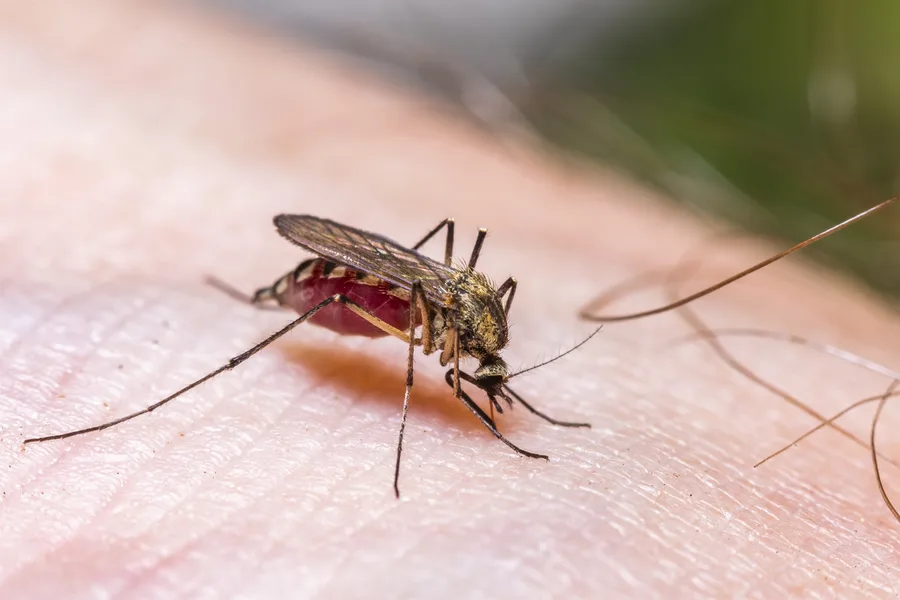
A breeding colony of Aedes aegypti mosquitoes – the species responsible for transmitting Zika virus, dengue and yellow fever – has been identified in east London, marking the first sighting of reproduction on British soil. The UK Health Security Agency confirmed the discovery of the mosquitoes, along with their larvae, in a residential area of the capital. Specialist teams have been dispatched by…
New research published today in Nature Reviews Disease Primers is shedding light on the surprisingly broad range of neurological and systemic diseases that can be caused by varicella zoster virus (VZV), the virus that causes chickenpox and shingles.
CLEMSON, S.C. — Does it feel like Salmonella is contaminating everything these days? From the food you eat and the pets you love to the surfaces you touch and the recreational areas you enjoy, this deadly bacterium can be found almost everywhere. As of August 2026, the U.S. Centers for Disease Control and Prevention has […] The post How Does Salmonella Contaminate Everything Under the Sun? appear…
Medieval manuscripts preserve genetic traces of a sheep disease that has threatened herds across Eurasia for more than 3,700 years, according to a new study. Researchers recovered ancient DNA from sheeppox virus, or SPPV, in animal skins used to make parchment. The team studied manuscripts from Britain and mainland Europe, along with older remains from […]
Nature Communications, Published online: 03 September 2026; doi:10.1038/s41467-026-77329-y Author Correction: High expression of Rex-orf-I and HBZ mRNAs and bronchiectasis in lung of HTLV-1A/C infected macaques
Tibet orbivirus (TIBOV) is a poorly characterized orbivirus whose antigenic diversity and circulation in livestock remain incompletely defined. Here, we report the isolation of a TIBOV strain, MS18C217-16, from Culicoides spp. collected in Mangshi, Yunnan Province, China, in 2018. MS18C217-16 replicated efficiently in multiple mammalian cell lines and induced clear cytopathic effects. Phylogeneti…
ObjectiveHigh-fat diet (HFD) is closely related to the increased incidence of inflammatory bowel disease (IBD), and excessive fecal deoxycholic acid (DCA) induced by HFD makes significant contribution to the colonic inflammation. However, the precise mechanisms remain unclear. This study aims to explore the association between DCA-induced alteration of gut microbiota as well as related metabolite…





 research.io