Archaeology News Online Magazine
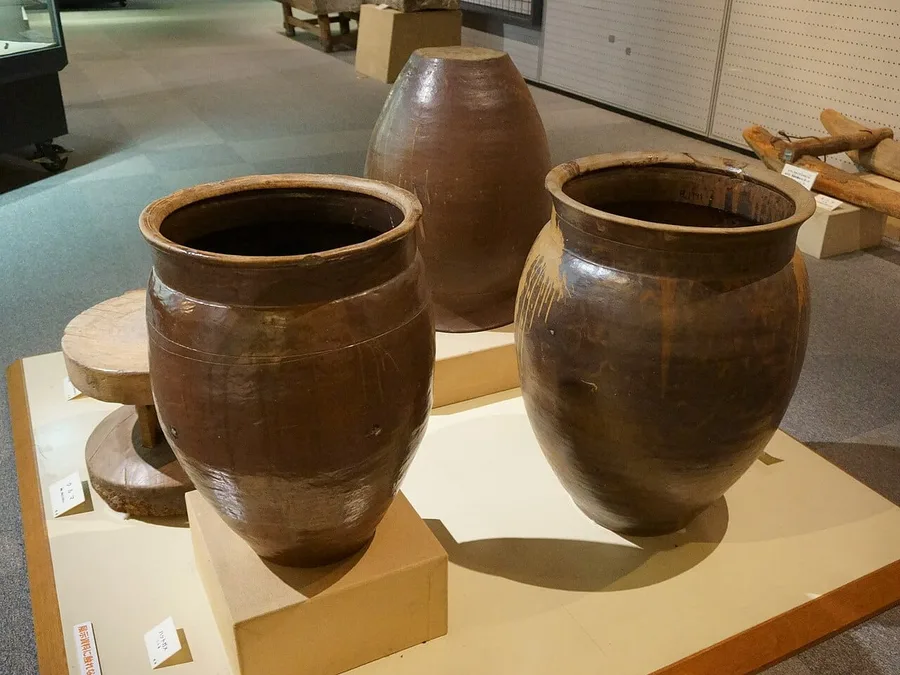

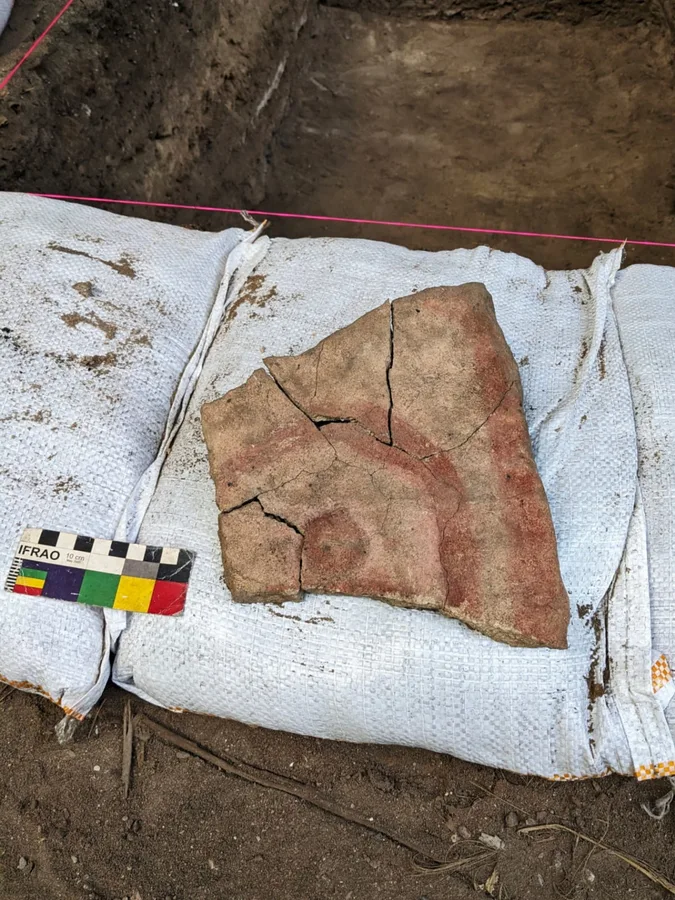
Large ceramic jars used in daily life and burials became more uniform during Japan’s Edo period, according to a new study from the Institute of Science Tokyo. Researchers used shape analysis and machine learning to track changes across 243 Ogame jars from sites in present-day Saga and Fukuoka prefectures. Ogame, meaning “large jar,” served many […]

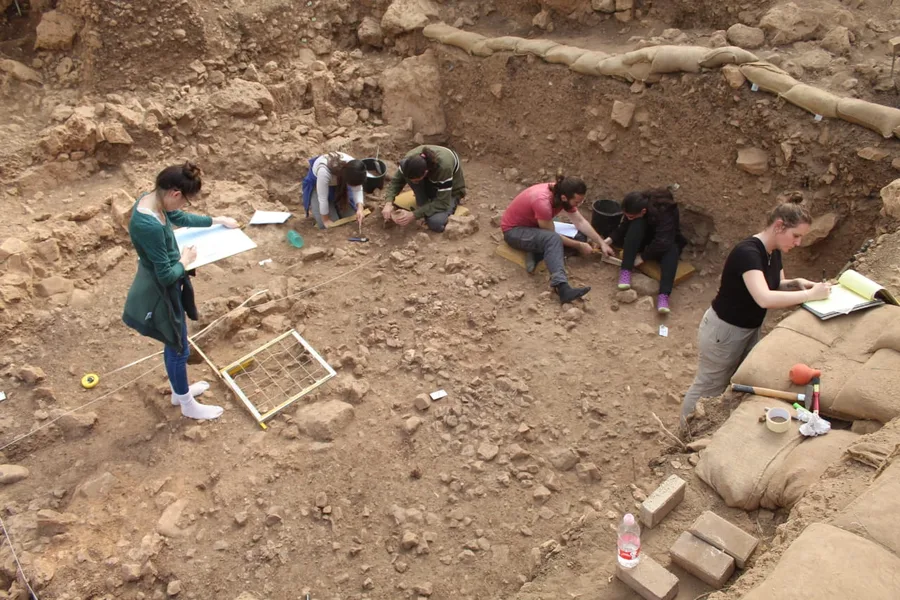
A 6,500-year-old ritual center near Chleby in the Czech Republic was built more than 1,000 years before Stonehenge, new research shows. The large enclosure appears to have been planned around key movements of the Sun and Moon. Archaeologists from the University of West Bohemia led several excavation campaigns at the site. Their work revealed an […]

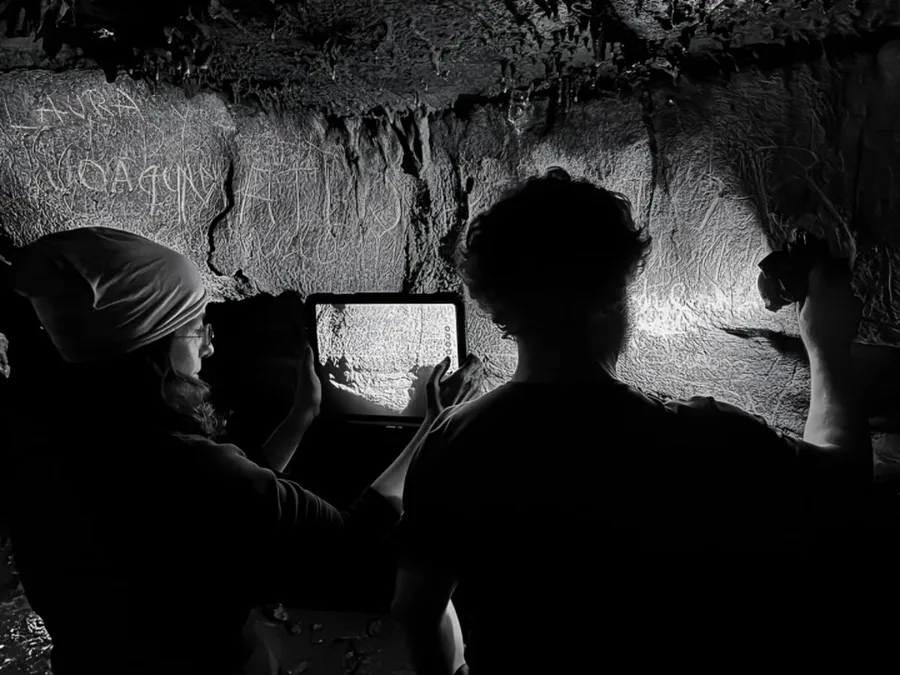
A Roman cave sanctuary in eastern Spain has yielded more than 120 Latin inscriptions, including five linked to a previously unknown goddess called “the Lady.” Archaeologists recorded the inscriptions during a 2026 campaign at Cova de les Dones, near Millares in Valencia. Most date from the first and second centuries CE. The new finds raise […]

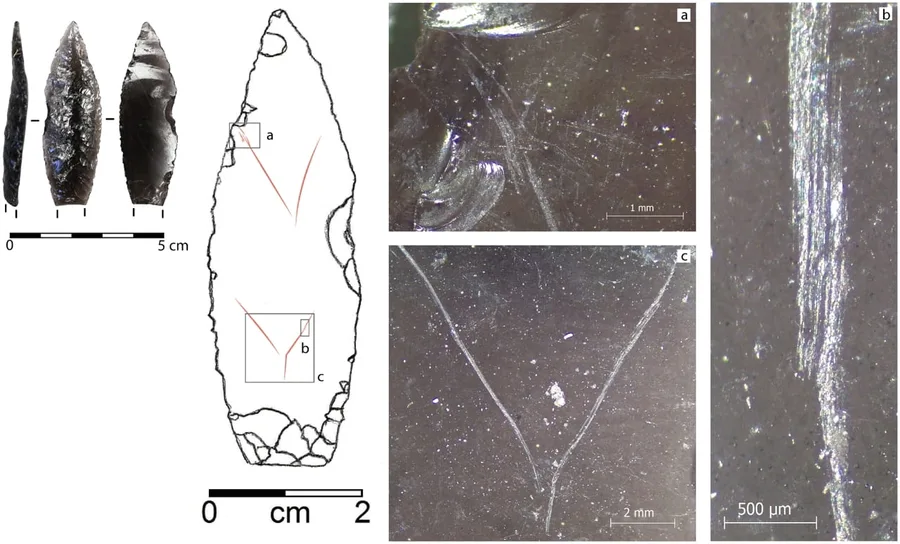
Archaeologists have found 11 more carved obsidian arrowheads at Tepecik-Çiftlik in Cappadocia, Turkey. The finds raise the site’s total to 12 and add to a regional group of 54 known examples. The arrowheads date to the Neolithic, between the late eighth and seventh millennia BCE. They belong to a rare practice found only in Central […]

About 15,000 years ago, hunter-gatherers in the southern Levant began living in more fixed settlements. This shift marked a major change in daily life before farming began. New research shows another change followed. Natufian communities regularly ate lizards and snakes, adding reptiles to their food supply for thousands of years. The study, published in Proceedings […]

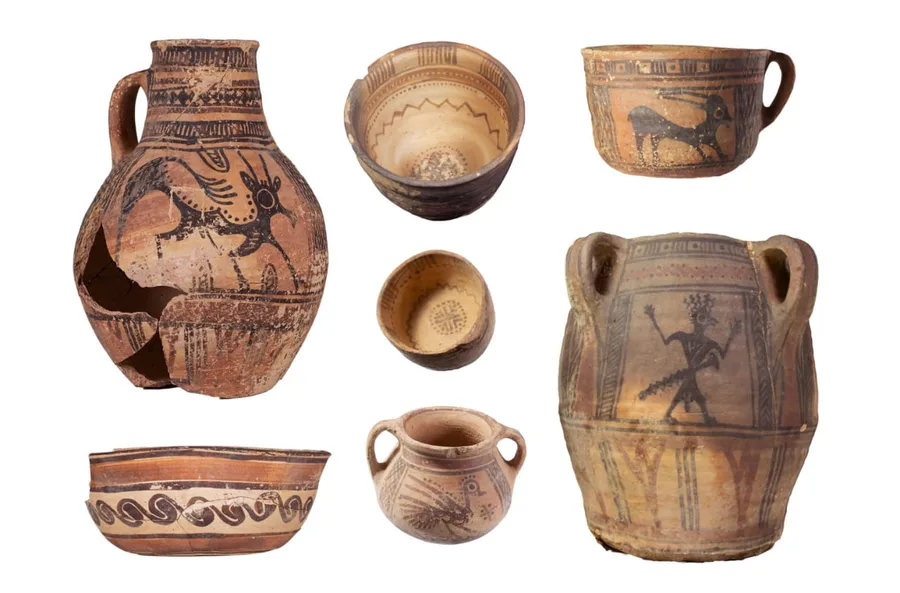
Bronze Age pottery from a desert oasis in northwestern Arabia shows signs of one of the earliest known brands, according to a new study. Researchers say the vessels had a fixed visual style, a steady method of production, a known place of origin, and a strong regional reputation. The pottery, known as Qurayyah Painted Ware, […]
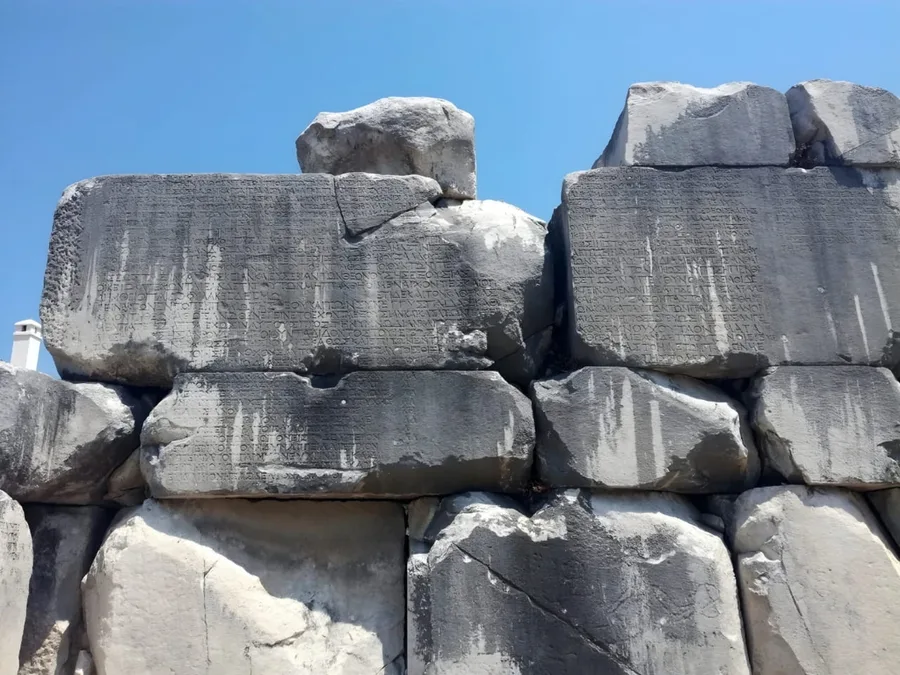
New pieces of a Roman stone inscription in western Turkey help reconstruct a legal order from CE 480. The text describes a long-running tax scam in Asia Minor and the Roman response. Archaeologists found the fragments in 2024 near ancient Stratonikeia. Researchers first thought the verses belonged to a funerary text for a local official. […]
A Bronze Age barrow became the center of a Roman rural shrine at Red Lodge in Suffolk, where people returned for ritual acts for centuries. Archaeological work recorded use from the Early Bronze Age through the medieval period. The main focus was a large round barrow later placed inside a Roman sacred enclosure. The barrow […]

Stone tools from Saudi Arabia suggest Neanderthals reached deep into Arabia about 55,000 years ago. The finding adds to evidence of Neanderthal life in warm, dry settings. The study, published August 12 in Quaternary Science Reviews, focused on tools from Jebel Katefeh-1. The site sits beside an ancient lake near Jubbah in Saudi Arabia’s Nefud […]

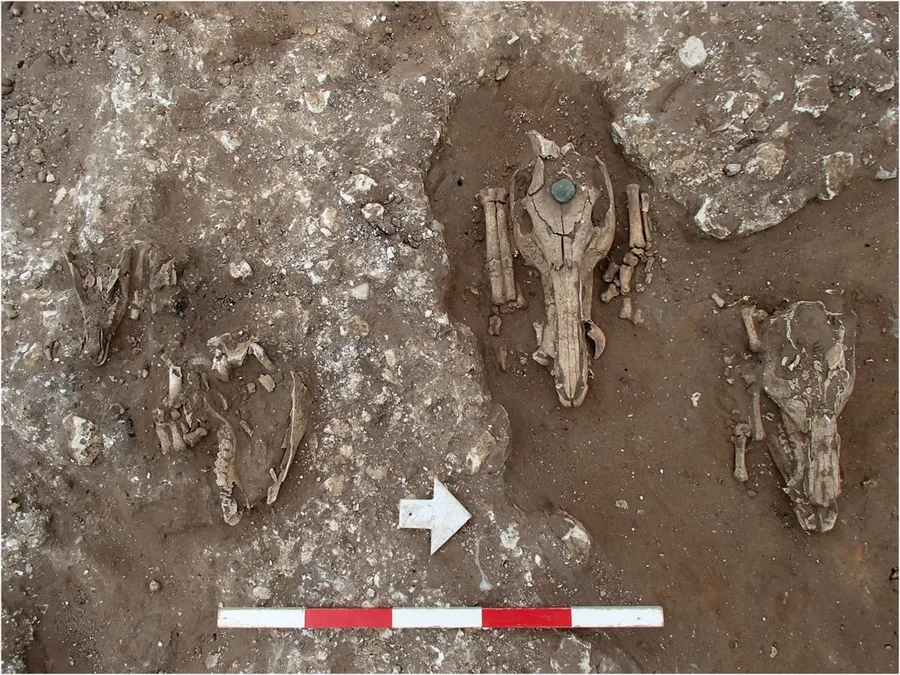
A new study has overturned a long-held idea about when farming reached Ireland. Bone fragments from Ferriter’s Cove, once seen as the earliest signs of domestic cattle, came from a bear and a wild boar. Ferriter’s Cove sits on the Dingle Peninsula in County Kerry. Archaeologists excavated the site during the 1980s and 1990s. Several […]

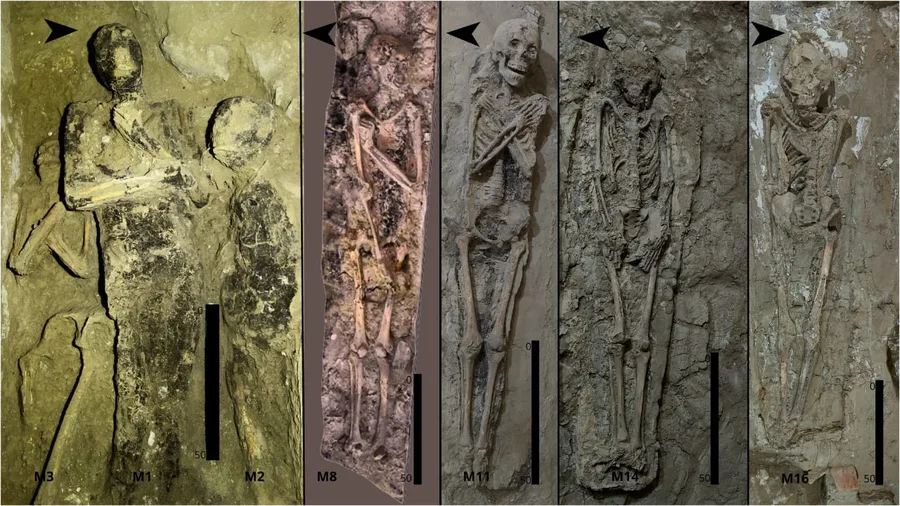
A tomb in the Theban Necropolis near Luxor offers a detailed record of how ancient Egyptians reused burial spaces over several centuries. A new study of Chamber 3 in Tomb TT 209 shows a shift from separate burials in coffins to dense, stacked deposits of mummified bodies. The chamber held 16 mummified people, a mummified […]

A 4,000-year-old painted stone plaque from an Indonesian island offers new evidence about the spread of Austronesian culture across the Pacific. Archaeologists found the plaque at Huknaur rockshelter on Wetar Island, in eastern Indonesia. An international team from The Australian National University and Indonesia’s National Research and Innovation Agency recovered the object during excavations. T…

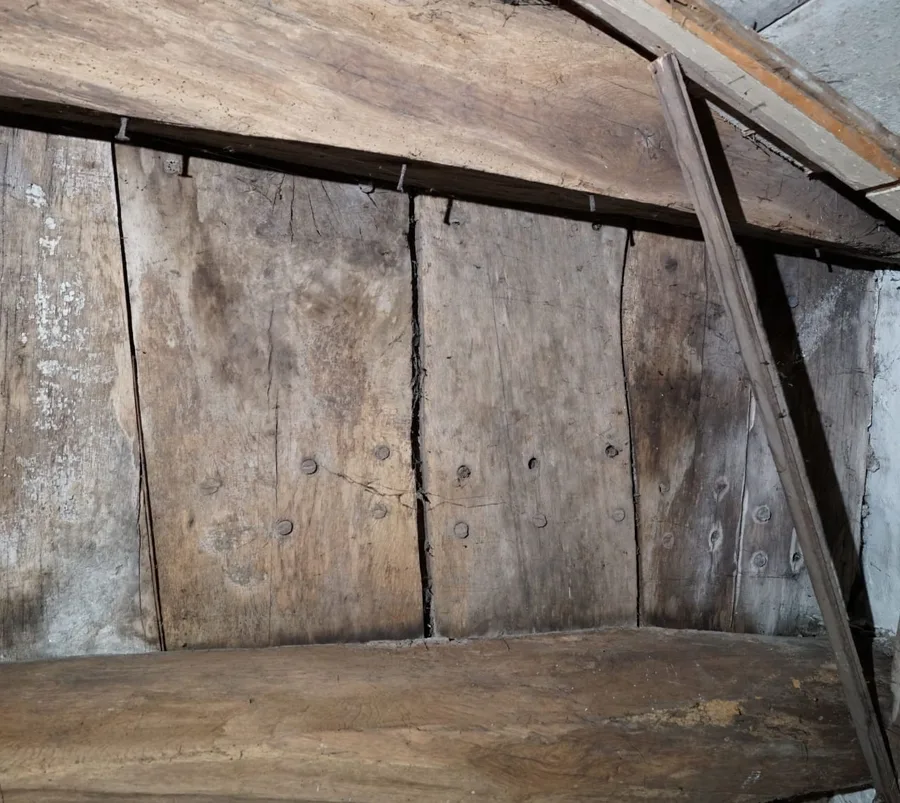
A medieval ship was reused as the ceiling of a basement built in 1244 in Constance, southern Germany. The finding came during a building study on Konradigasse by the State Office for Monument Preservation in Stuttgart. Researchers first thought the ceiling used old timber planks. A closer study showed something far more unusual. At least […]
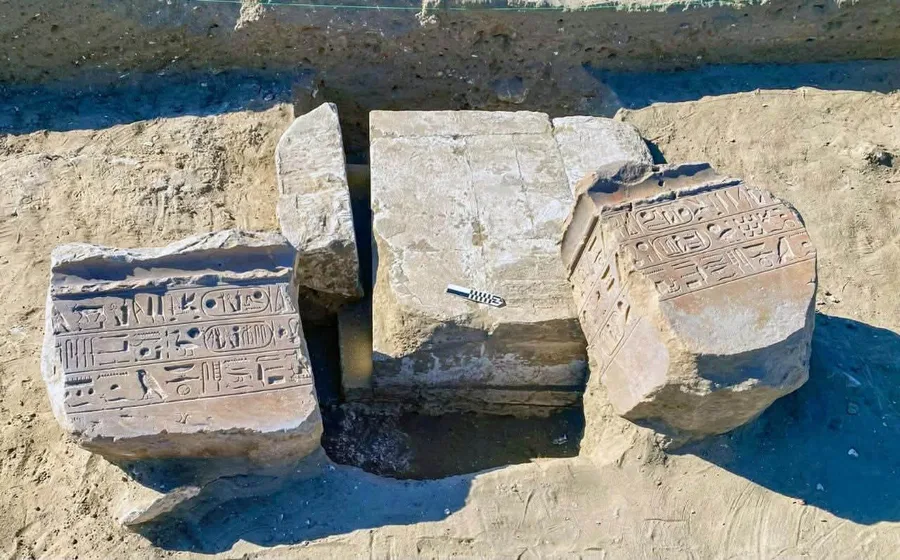
A new excavation at Tell Abu Saifi in eastern Egypt is strengthening the case for a lost ancient settlement called Mesn. The site also offers new clues about the Way of Horus, an old military road linking Egypt with the eastern Mediterranean. The Egyptian archaeological mission working at Tell Abu Saifi, near East Qantara in […]
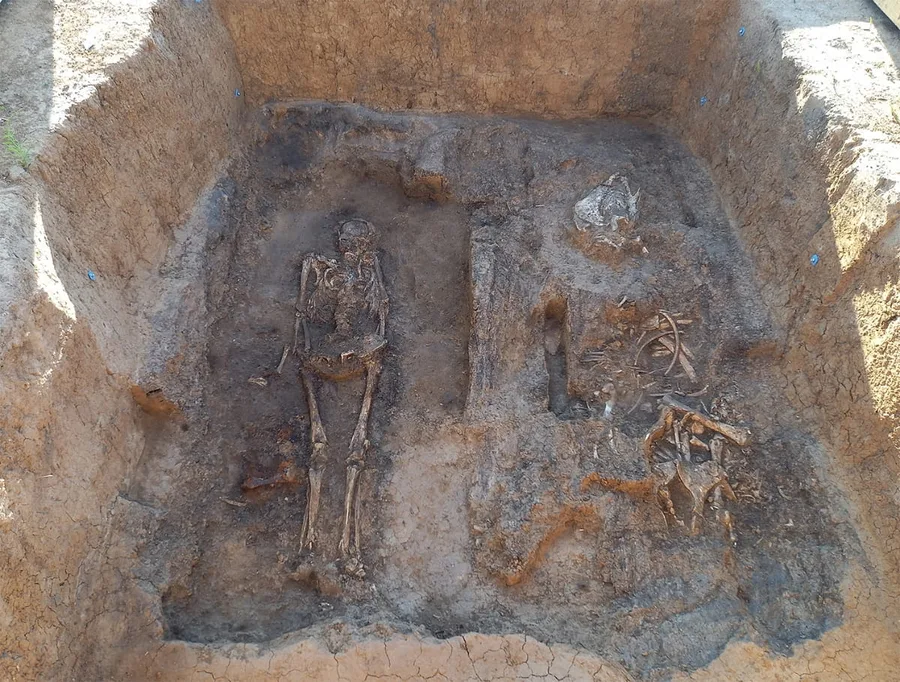
A 10th-century chamber grave found near Suzdal has given archaeologists new evidence of an early elite presence in northeastern Rus’. The burial contains the remains of a man, a horse, and a dog, along with weapons, riding gear, and other objects linked to high social status. The find came during the 2026 field season at […]

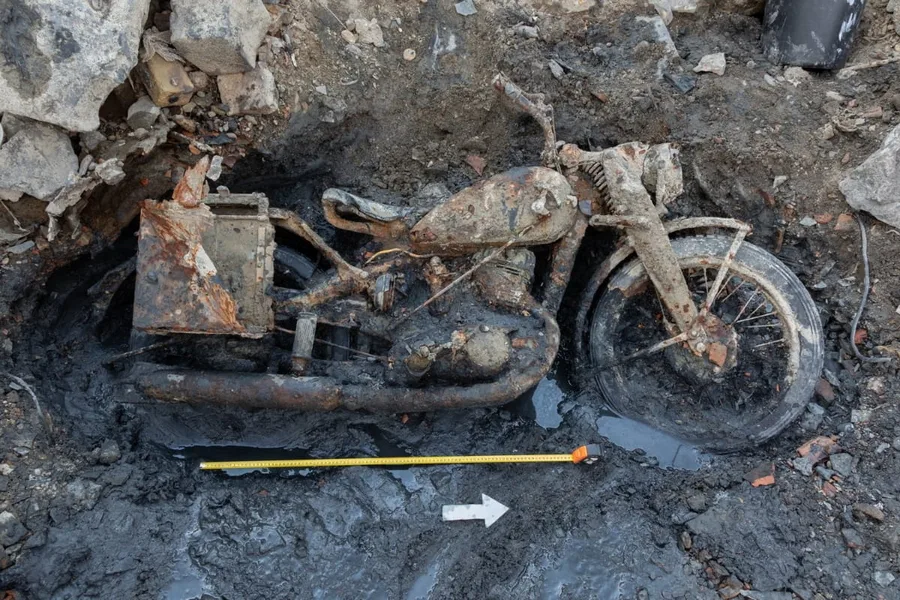
Exceptionally low water levels in the Danube have exposed the remains of two German soldiers who likely died during World War II. Their remains were found beside a German military motorcycle, identification tags, anti-tank mines, and other wartime items in Budapest. The finds appeared on August 2 along the Buda side of the river, near […]
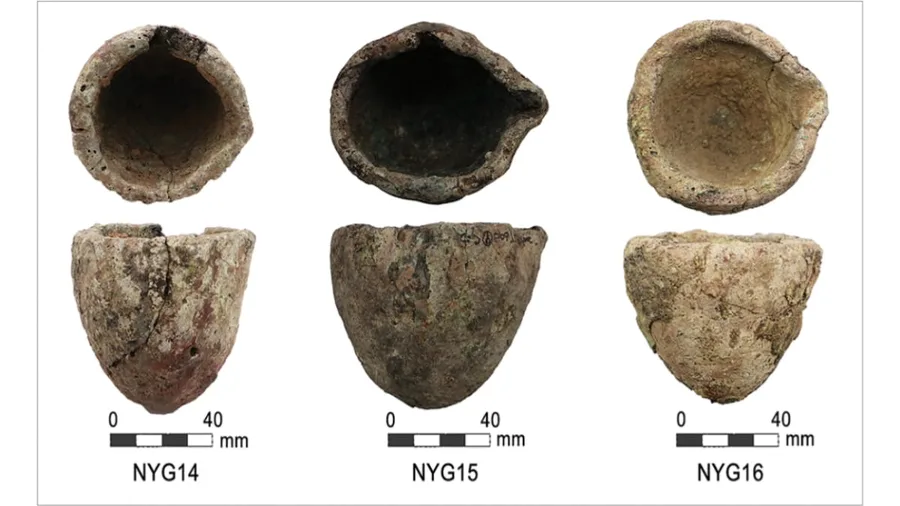
Chinese texts have described brass production during the 10th century CE, yet archaeologists lacked physical proof from the period. A new study now fills much of that gap with crucibles from Guangzhou in southern China. Researchers found the earliest known brass-making crucibles in East Asia at a metalworking workshop linked to local government. Tests show […]
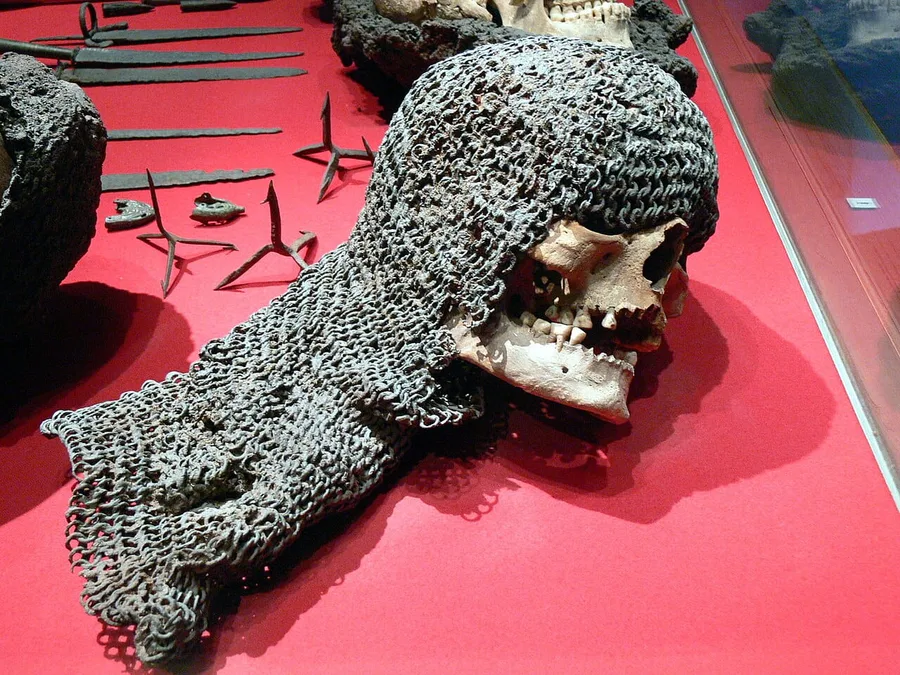
A spiked club delivered the fatal blow to some soldiers killed in the Battle of Visby in 1361, new research suggests. The finding comes from a detailed study of square-shaped holes found in skulls from the battle’s mass graves in Sweden. The Battle of Visby took place in July 1361, when Danish forces invaded the […]

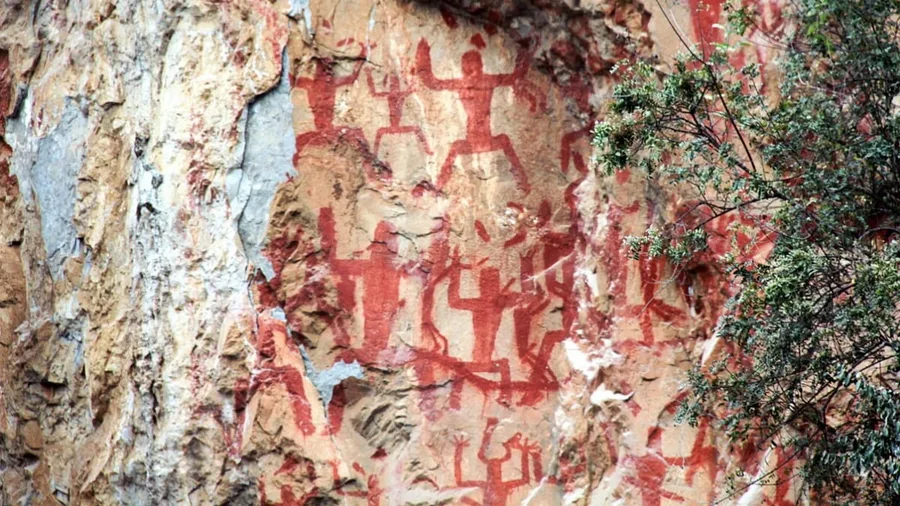
Ancient paintings on limestone cliffs in southern China have survived more than 2,000 years of heat, rain, and storms. A new study suggests their unusual durability came from a paint binder made from lime and blood. The Huashan rock art belt stretches about 260 kilometers along the Zuojiang River in Guangxi, near China’s border with […]

research.ioSign up to keep scrolling
Create your feed subscriptions, save articles, keep scrolling.