Nanotechnology – The Conversation


The proteins that cover nanoparticles are essential to understanding how they work in the body. Across 17 proteomics facilities in the US, less than 2% of the identified proteins were identical.

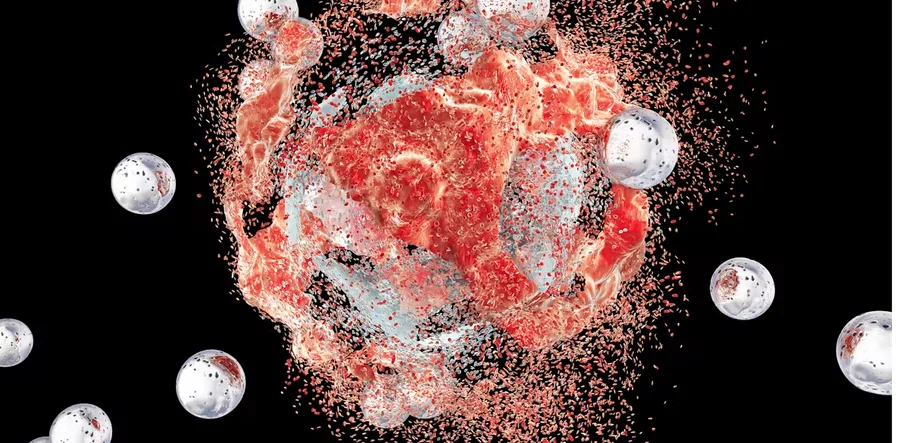
Cardiovascular disease and cancer share many parallels in their origins and how they develop. Nanoparticles offer one potential way to effectively treat both with reduced side effects.

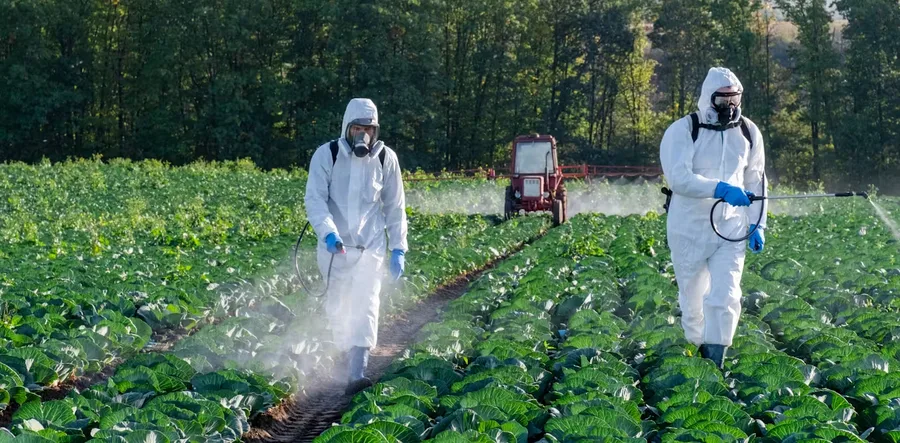
Nano-enabled pesticides could pose huge risks and they aren’t being regulated effectively enough yet.

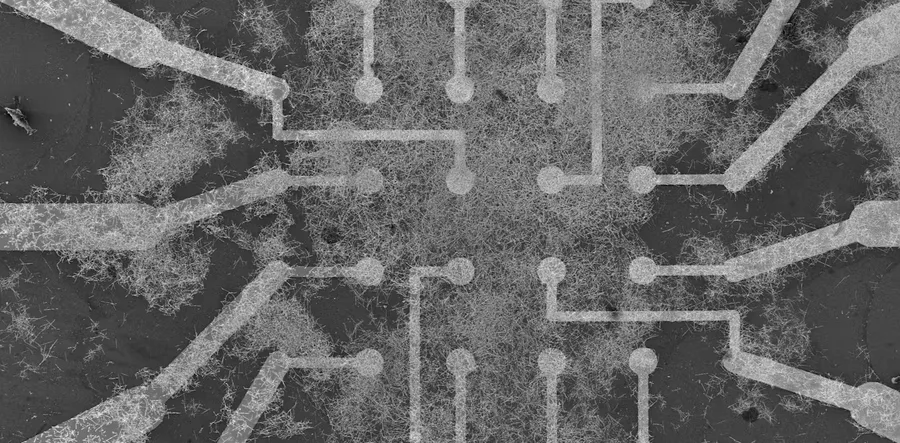
A tangle of silver nanowires may pave the way to low-energy real-time machine learning.

A new study investigated the source of a leak in a ‘miracle measurement’ from 2010 – and engineers found a potential solution.


Researchers compared the environmental footprints of several techniques used to make magnetic nanoparticles.


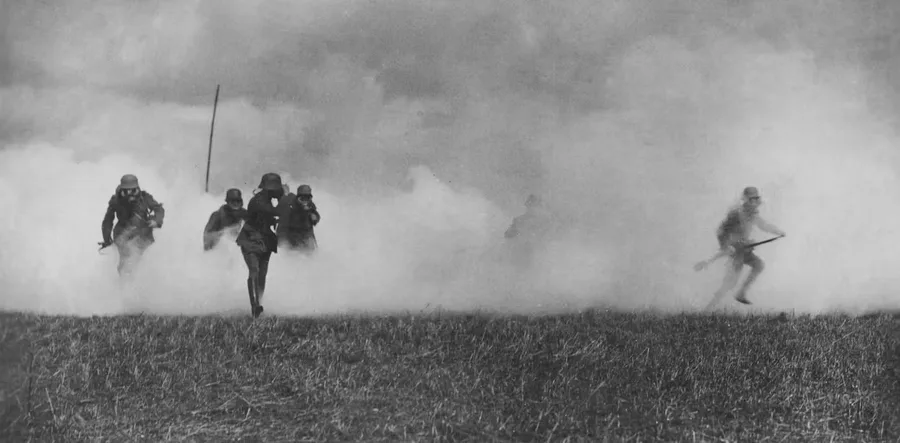
Mustard gas exposure is dangerous and traumatic – scientists are coming up with ways to detect its presence in the environment.


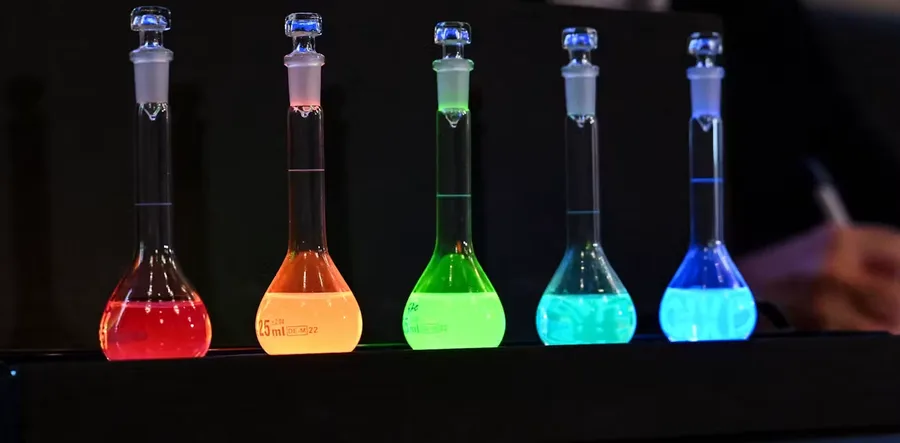
Quantum dots are a prime example of the way nanotechnology engineers materials at an atomic scale.

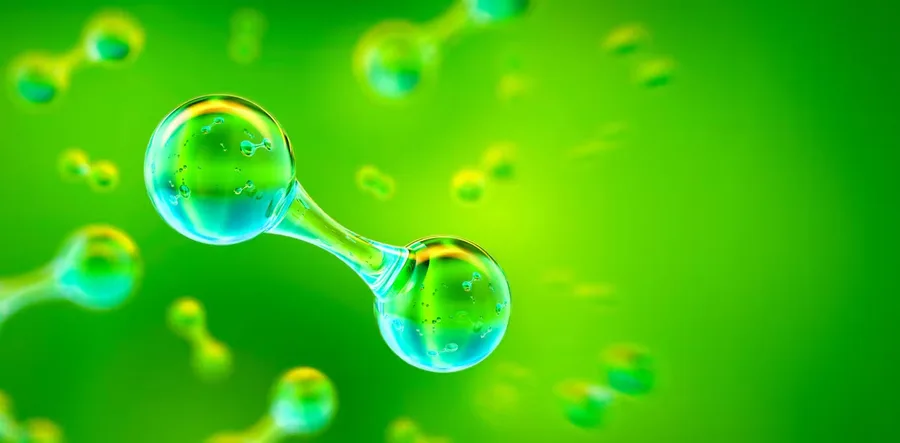
Our new approach lets us separate, store and transport tricky gases like hydrogen as a solid - and for a fraction of the energy.

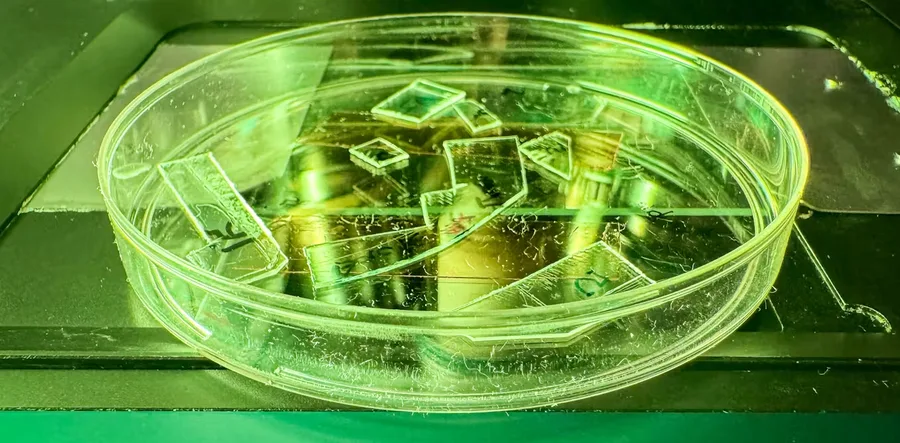
The textured acrylic plastic surface, inspired by insect wings, could help prevent the spread of major viruses.

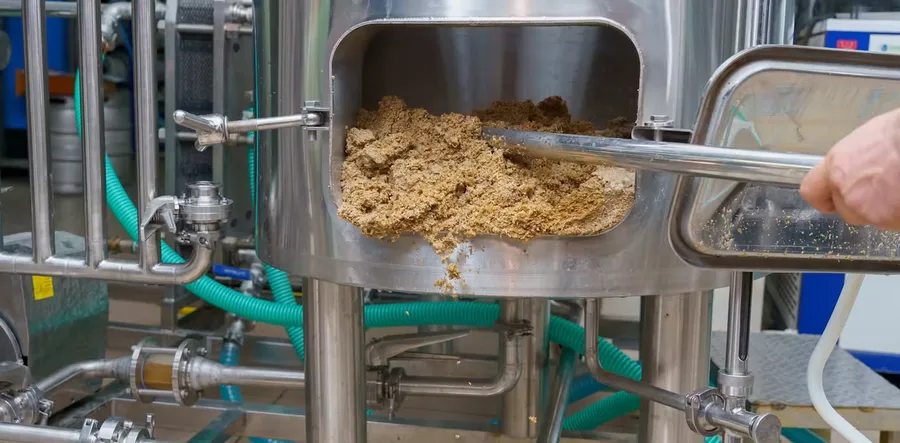
Breweries nationwide create waste at several stages of the beer-making process. Repurposing parts of this waste could improve antibacterial drugs.

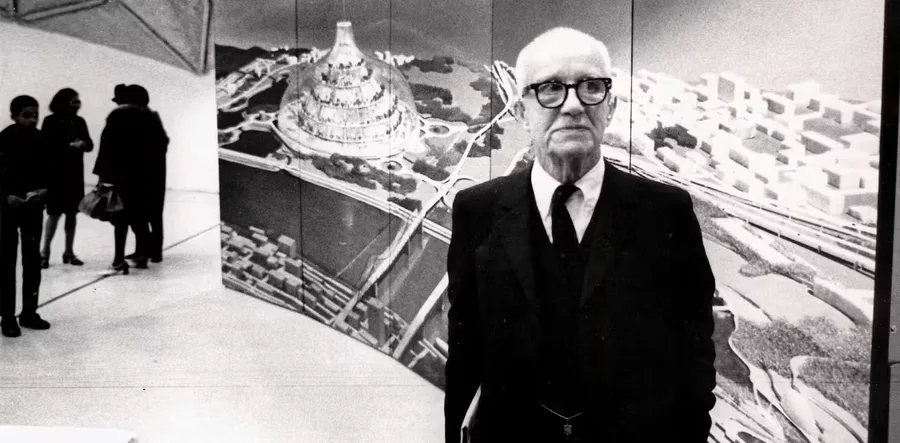
Few 20th-century scientific figures are as hard to classify as Buckminster Fuller.

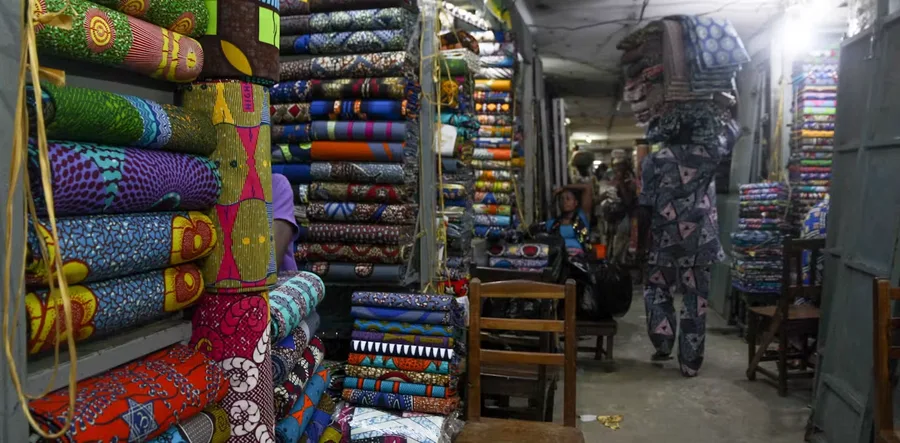
Together with higher cotton production, nanotextile products can boost Nigeria’s textile industry and the economy.

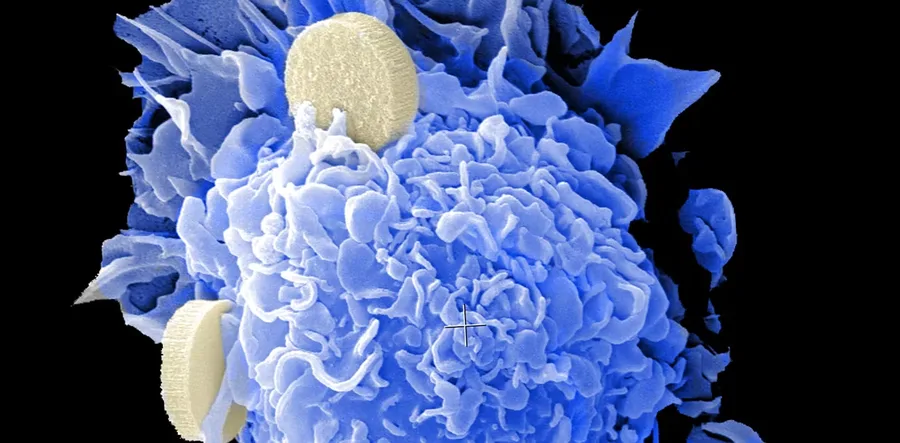
The COVID-19 mRNA vaccines put nanomedicine in the spotlight as a potential way to treat diseases like cancer and HIV. While the field isn’t there yet, better design could help fulfill its promise.

Your GP shines a light in your eyes, orders a blood test and requests some medical imaging. All rely on light to help diagnose disease.

Moderna co-founder Robert Langer developed the process that made COVID-19 vaccines possible. He spoke about his journey helping develop the science for various lifesaving treatments.

research.ioSign up to keep scrolling
Create your feed subscriptions, save articles, keep scrolling.