What teens eat might matter more for their mental health than previously thought. A sweeping review of nearly 20 studies found that healthier diets are often linked to fewer depressive symptoms, while poor eating habits may go hand in hand with greater psychological distress. Interestingly, focusing on whole dietary patterns—not just individual nutrients—showed more consistent benefits, suggestin…
New fathers appear to have fewer mental health diagnoses during pregnancy and the early months after birth. But that early stability does not last. About a year later, depression and stress-related disorders increase significantly, surprising researchers. The findings suggest that the emotional toll of fatherhood builds over time rather than hitting immediately.
GLP-1 medications like semaglutide (Ozempic) may offer unexpected mental health benefits alongside weight loss. A large study found major drops in depression, anxiety, and psychiatric-related hospital visits among users. Even substance use disorders were significantly lower during treatment. Researchers suspect both lifestyle improvements and direct brain effects could be at play.
The largest review of medicinal cannabis to date found it doesn’t effectively treat anxiety, depression, or PTSD—despite millions using it for those reasons. Researchers warn it could even make mental health worse, raising risks like psychosis and addiction while delaying proven treatments. Some limited benefits were seen for conditions like insomnia and autism, but the evidence is weak. The find…
Researchers have discovered a surprising change in how cells produce energy in people with depression. Brain and blood cells in young adults with major depressive disorder produced more energy molecules at rest but had trouble increasing energy production when needed. Scientists believe this imbalance may contribute to symptoms such as fatigue and low motivation. The finding could help pave the w…
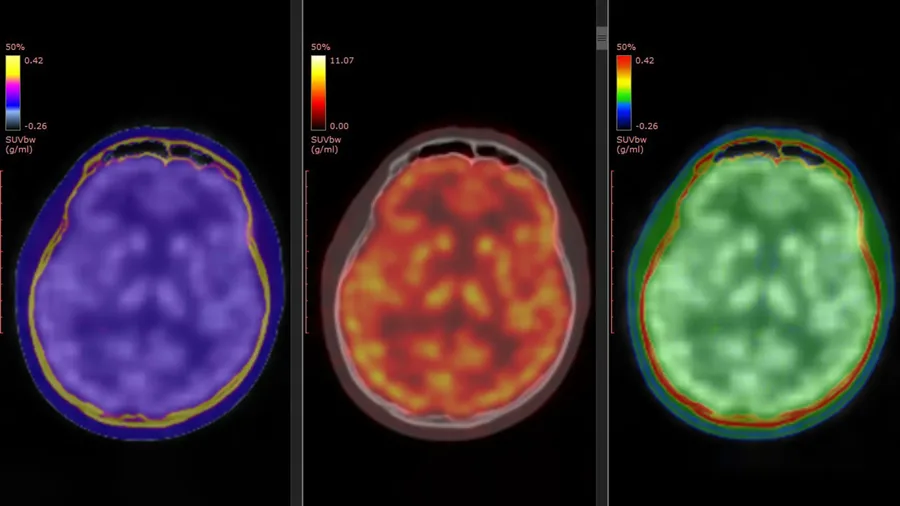
A new brain-imaging study has revealed how ketamine produces its fast antidepressant effects in people with treatment-resistant depression. Researchers tracked changes in a critical brain receptor that helps neurons communicate and found that ketamine reshapes its activity in specific brain regions tied to mood and reward. These shifts strongly matched improvements in patients’ symptoms. The find…
Scientists studying 1,300 golden retrievers have uncovered genetic clues explaining why some dogs are more anxious, energetic, or aggressive than others. Remarkably, several of the same genes linked to canine behavior are also tied to human traits like anxiety, depression, and intelligence. The discovery suggests dogs and humans share biological roots for emotions and behavior. Understanding thes…
A new experimental drug is showing remarkable promise for children with Dravet syndrome, a severe genetic form of epilepsy. In clinical trials, the treatment zorevunersen cut seizures by as much as 91% while also improving quality of life for many patients. The therapy works by boosting the function of a key gene involved in nerve cell signaling. Encouraging results have led researchers to launch…
Worrying about getting older—especially fearing future health problems—may actually speed up aging at the cellular level, according to new research from NYU. In a study of more than 700 women, those who felt more anxious about aging showed signs of faster biological aging in their blood, measured using cutting-edge “epigenetic clocks.” Fears about declining health had the strongest link, while co…
Sugary drinks may be linked to more than just physical health problems in teens. A new review of multiple studies found a consistent association between high consumption of beverages like soda, energy drinks, sweetened juices, and flavored milks and increased anxiety symptoms in adolescents.
A sweeping review of global research suggests that exercise—especially aerobic activities like running, swimming, and dancing—can be one of the most powerful ways to ease depression and anxiety. Across tens of thousands of people aged 10 to 90, exercise consistently reduced symptoms, often matching or even outperforming medication and talk therapy.
Swapping just an hour of TV a day for something more active could significantly lower the risk of developing major depression—especially in middle age. A large Dutch study tracking more than 65,000 adults over four years found that replacing 60 minutes of TV with other activities cut depression risk by 11% overall, and by nearly 19% in middle-aged adults. The more time people reallocated—up to tw…
Depression in older adults may sometimes signal the early stages of Parkinson’s disease or Lewy body dementia. Researchers found that depression often appears years before diagnosis and remains elevated long afterward, unlike in other chronic illnesses. This suggests depression may reflect early brain changes rather than emotional distress alone.
A sweeping new review of ADHD treatments—drawing on more than 200 meta-analyses—cuts through years of mixed messaging and hype. To make sense of it all, researchers have launched an interactive, public website that lets people with ADHD and clinicians explore what actually works, helping them make clearer, evidence-based decisions—while also highlighting a major gap: most solid evidence only cove…