Statistics – The Conversation


Early trial results for a multi-cancer blood test have sparked excitement, but the technology still fails to detect three in every five cases.

Canada does a poor job of gathering labour relations information. In a period of rising inequality and renewed workplace conflict, stakeholders need better data.

An analysis of Lotto entries shows many players gravitate to the same number combinations, increasing prize sharing and reducing value.

Policy research often looks at measures in isolation, ignoring the complex bigger picture.

Kevin Keegan’s cancer diagnosis and a surprising statistical quirk. What car crashes, shark attacks and workplace safety have in common.

Students had to compile a portfolio and discuss it in an interview to demonstrate their understanding and ability to apply the knowledge.

Researchers design studies that might disprove what’s called their null hypothesis – the opposite of the claim they’re interested in exploring.

Unlocking this hidden workforce could be a game-changer in strengthening Australia’s social fabric.

In this age of algorithms, personalized insurance is encountering legal limits, especially the ban on discrimination. Can we balance accurate pricing, solidarity, and fairness?

The main comparisons in the unpublished report are skewed, and it is being presented as stronger evidence than its design really allows.

The word misinformation is loaded, and overused. The difficulty of assessing evidence is partly to blame.

But the new monthly index might create the impression there’s more inflation than there actually is.

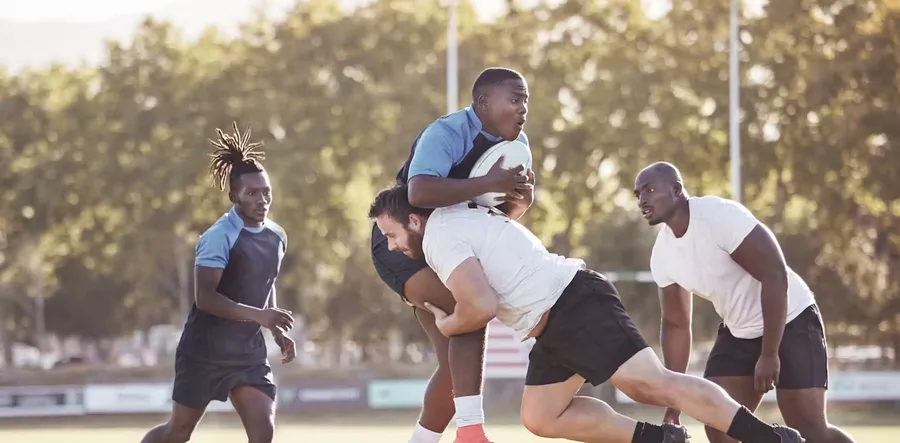
How to understand the risks of head injuries in sport – beyond the alarming headlines.

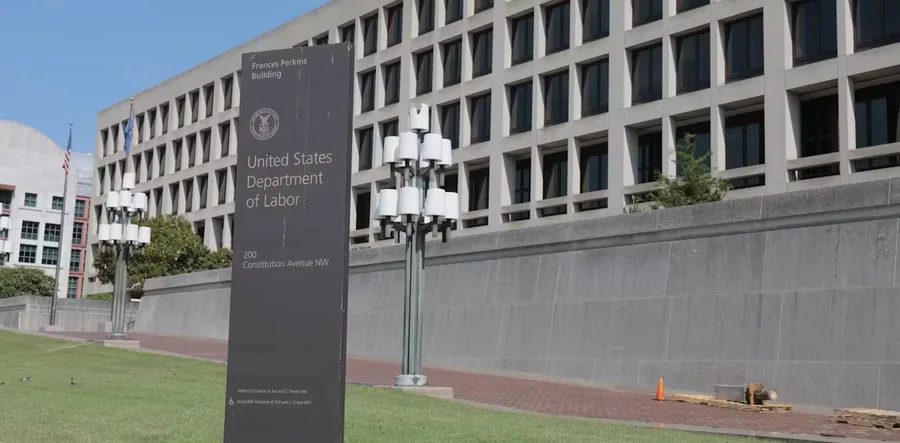
Detailed data that US government agencies collect and make available has underpinned research about people, medicine, science, crime, jobs, housing, climate and the economy.

As Trump works to undermine US economic institutions, some Wall Street traders are making money from private data sources that pre-empt official statistics.

The government, because it takes the lead in implementing official policies, is in a unique position to collect and store sensitive data collected over long periods of time.


Students created sci-fi and fantasy stories with characters that represented ideas in statistics.

Data science and machine learning algorithms can help us form probabilistic forecasts of things like sporting events.

If you only search in one location. there’s only a one in 143 billion chance of finding the hard drive.

research.ioSign up to keep scrolling
Create your feed subscriptions, save articles, keep scrolling.