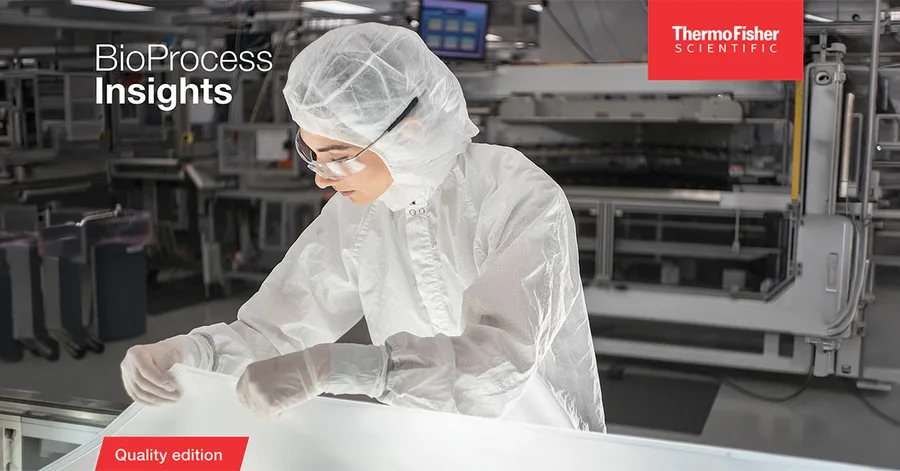
Isolated Automation vs. Distributed Control Systems Explore more strategies in the Bioprocess Insights Hub. The post How can biomanufacturers strengthen process control as they scale operations? appeared first on Life in the Lab .
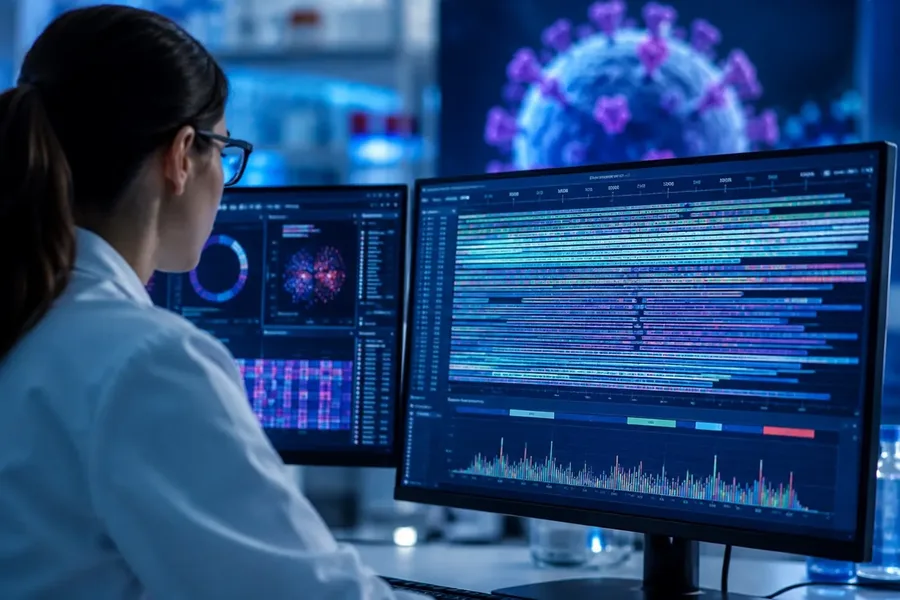
A custom bioinformatics pipeline is a purpose-built analytical workflow designed to detect genomic features that standard tools may overlook. In biopharma R&D, this level of customization is often required to answer specialized biological questions. Biopharma research increasingly depends on detecting subtle genomic features — structural variants, truncated transcripts, rare viral populations — t…
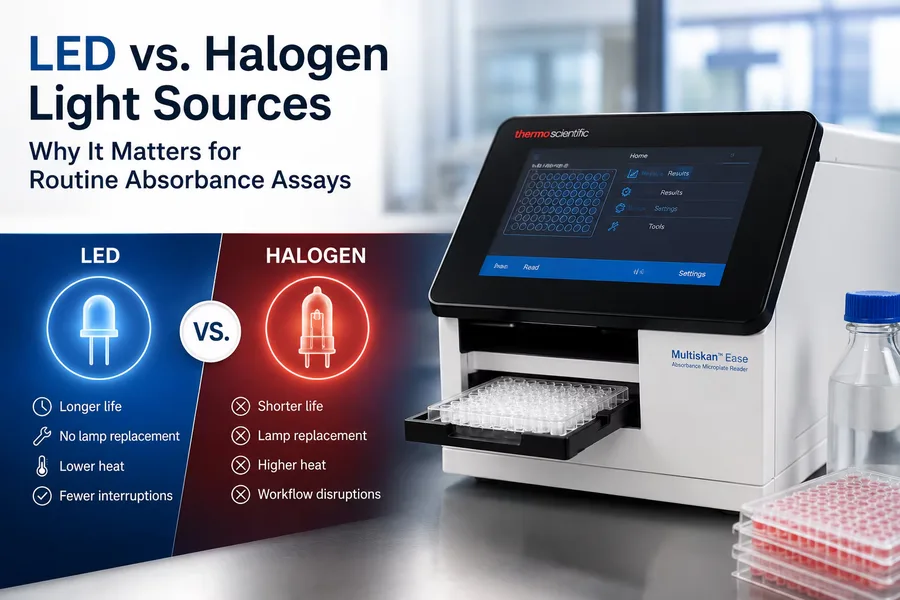
If you’re choosing an absorbance microplate reader, one important feature to evaluate is the light source. While both LED and halogen light sources can accurately perform routine absorbance assays, LED-based optics offer several practical advantages for many laboratories, including longer operating life, reduced maintenance, lower heat generation, and fewer workflow interruptions. For routine app…
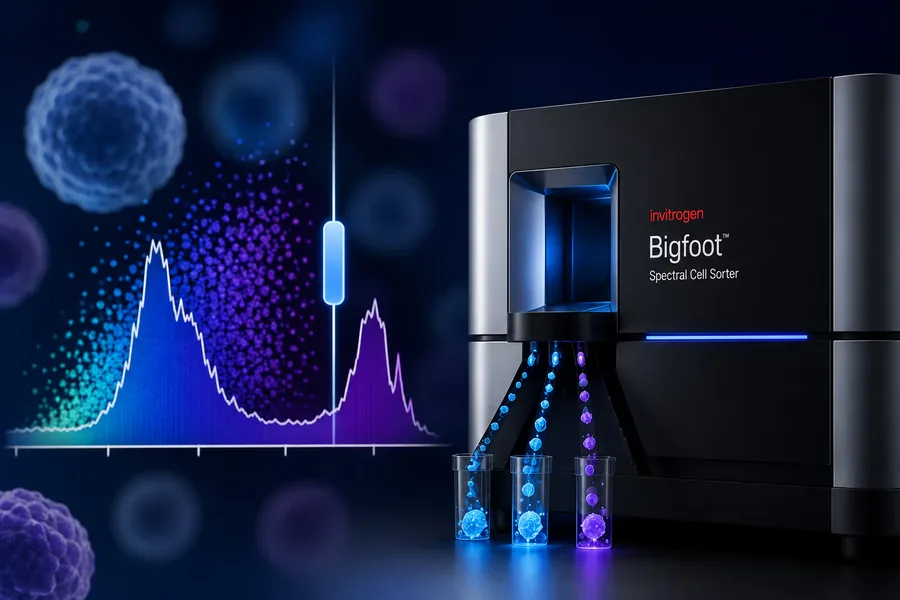
The flow cytometry threshold determines which events are acquired and evaluated by an instrument, making it a foundational control point for data quality and downstream analysis. However, threshold considerations differ significantly between flow cytometry analyzers and high-speed cell sorters. In cell sorting workflows, threshold placement directly influences abort rates, sort efficiency, recove…
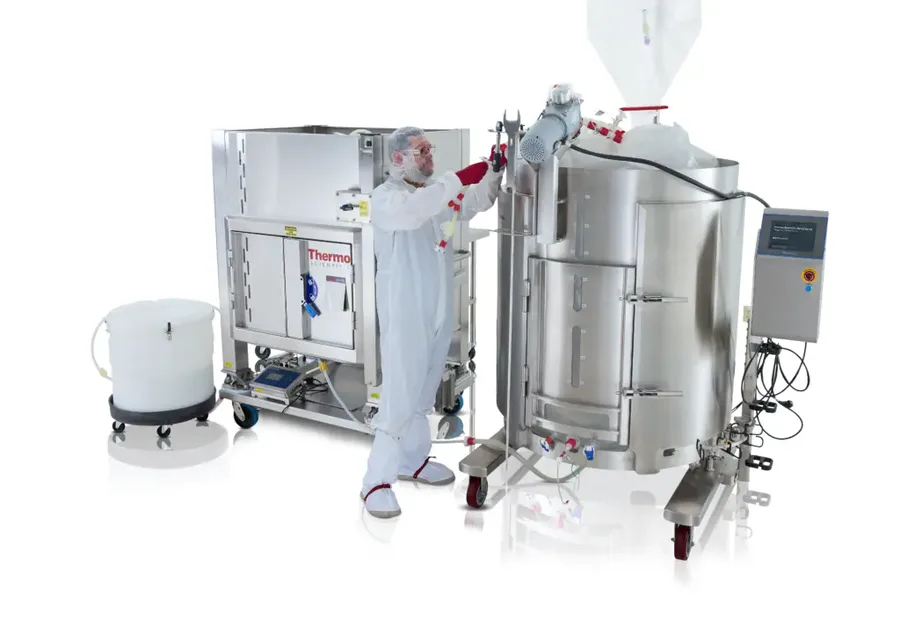
For Research Use Only. The post Single-Use Mixing Technologies: Supporting Scalability, Consistency, and Efficiency in Bioprocessing appeared first on Life in the Lab .
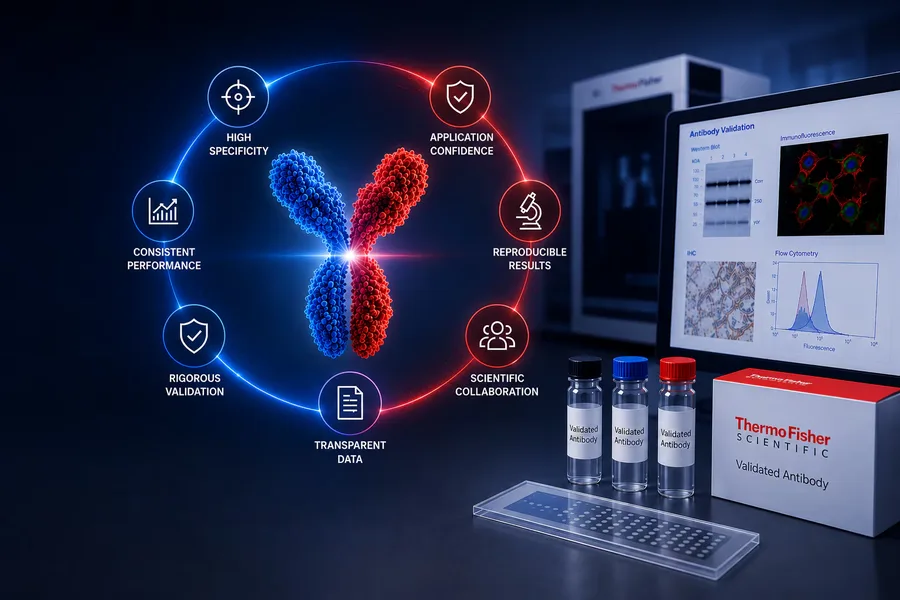
Author: Anna Cartier Empowering researchers with open, independent antibody validation data Scientists rely on antibodies to generate accurate, reproducible results—but inconsistent antibody performance remains a common source of experimental failure. To help address this, Thermo Fisher Scientific collaborates with YCharOS to provide independent, openly accessible validation data. Using standardi…
How Bartlett Tree Research Laboratories scales molecular workflows using flexible, automated DNA extraction chemistry Written by Lillie Manley, Thermo Fisher ScientificCo-written by Borden, Gray, and Tigges, Bartlett Tree Research Laboratories High-throughput DNA extraction is essential for laboratories working with large, complex, and variable sample types, particularly in plant research and dev…
Why laboratory equipment audits matter Laboratory equipment audits play a critical role in ensuring the accuracy, reliability, and compliance of regulated laboratory operations. Whether conducted internally or by regulatory agencies, these audits verify that equipment is properly calibrated, maintained, routinely qualified, and documented in accordance with applicable regulations and quality stan…
For Research Use Only. Not for use in diagnostic procedures. The post Integrated process strategies are helping shape the future of bioprocess development appeared first on Life in the Lab .
Spatial imaging is a group of techniques that enables researchers to study proteins, RNA, and other biological markers within intact tissue while preserving their spatial location. Unlike traditional molecular approaches that analyze cells independently, spatial imaging helps provide insight into how biological signals are organized throughout tissue and how different cell populations interact wi…
Single cell analysis and spatial imaging are complementary approaches that help researchers investigate the complexity of the nervous system. Single cell analysis helps provide detailed information about gene and protein expression within individual cells, while spatial imaging reveals how those cells are organized within intact tissue. Together, these approaches allow researchers to study cellul…
Spatial imaging enables researchers to visualize the location of proteins and RNA molecules within intact tissue samples while preserving tissue architecture. In neuroscience and brain mapping applications, multiplex imaging approaches such as immunofluorescence (IF), immunohistochemistry (IHC), and in situ hybridization (ISH) help researchers analyze multiple biomarkers within a single tissue se…
A multiomics workflow can provide deeper biological insight by connecting proteomic, genomic, and transcriptomic data from the same sample. However, when sample material is limited or heterogeneous, splitting specimens across separate extraction workflows can increase sample consumption, introduce variability, and make cross-omics comparisons more challenging. Sequential extraction offers an alte…
What if scientists could program cells to destroy only the ones that are harmful, leaving healthy cells untouched? This question sits at the center of some of today’s most important breakthroughs in gene editing and precision medicine. While traditional CRISPR tools like Cas9 are known for editing DNA, emerging technologies are beginning to push beyond The post From Gene Editing to Cell Eliminati…
Product spotlight Explore more strategies in the Bioprocess Insights Hub The post How Can Biomanufacturers Actively Reduce Particulate Burden in Their Workflow? appeared first on Life in the Lab .
Would you like to speak to a technical representative about the benefits of domain-specific resins? Frequently Asked Questions The post Beyond Protein A: Improving purification strategies for misbehaving mAbs appeared first on Life in the Lab .



 research.io