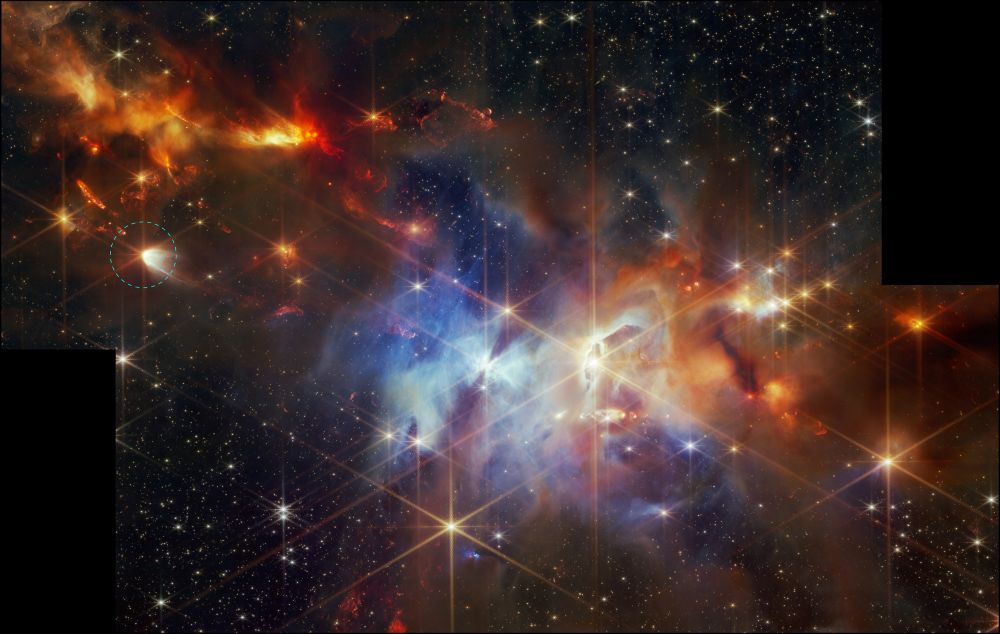
When Henry Hsieh entered graduate school, he was interested in comets for a fairly simple reason: they seemed exciting. Unlike distant objects that might appear as little more than points of light, comets changed. They ... Read More
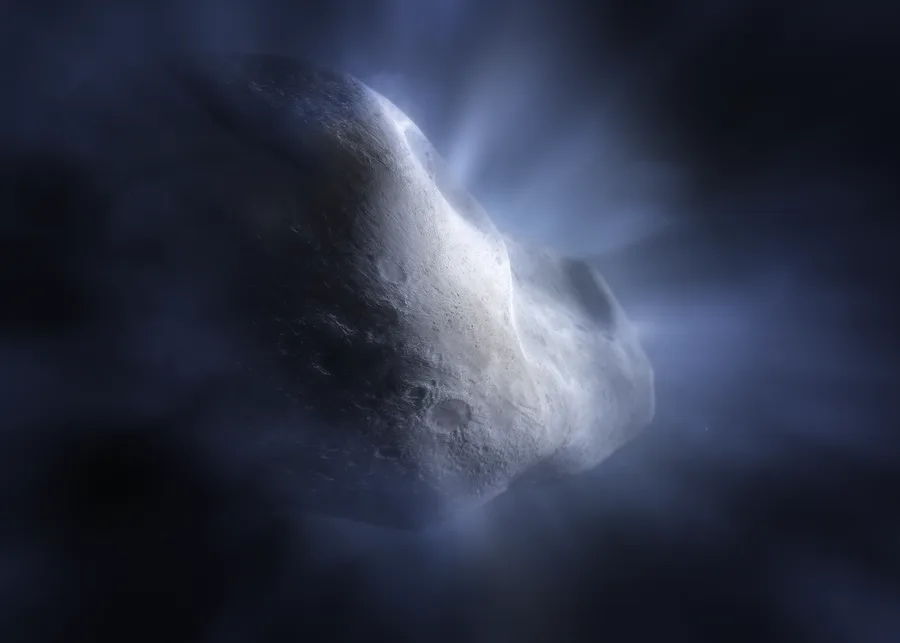
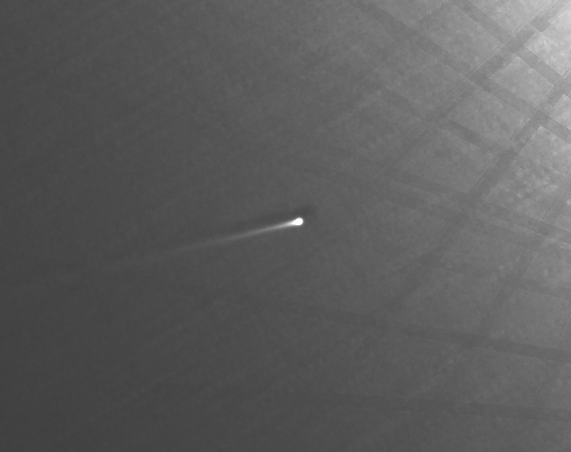
Observing comets is tricky. They’re easier to see when they’re closer to the Sun, but proximity to the star heats them up and releases volatiles. That creates a coma around the comet, which shrouds its nucleus, hiding it from studious observations. So studying comets requires large telescopes that can see them further away, far from […] The post Some Comets are Naked, and One Just Got Caught Phot…
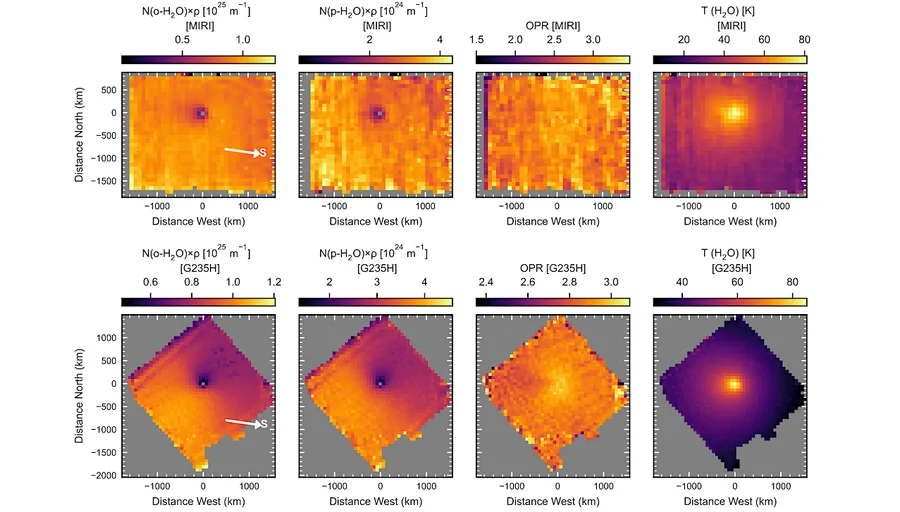
[astro-ph.EP] We report a survey of molecular emission from cometary volatiles using the James Webb Space Telescope (JWST) toward Oort cloud comet C/2022 E3 (ZTF) carried out on UT 2023 […] The post JWST Spatial-Spectral Mapping of Green Comet C/2022 E3 (ZTF) appeared first on Astrobiology .
Comets are known for providing breathtaking observations of their long and shiny tails when they travel too close to the Sun. This happens because comets are made of ice and primarily orbit far from the Sun, but as their icy core heats up it evaporates, resulting in the aforementioned breathtaking observations. But while evaporating comets make for great public photos, scientists who study comets…
David Dickinson (https://www.universetoday.com/authors/david-dickinson)
7/21/2026
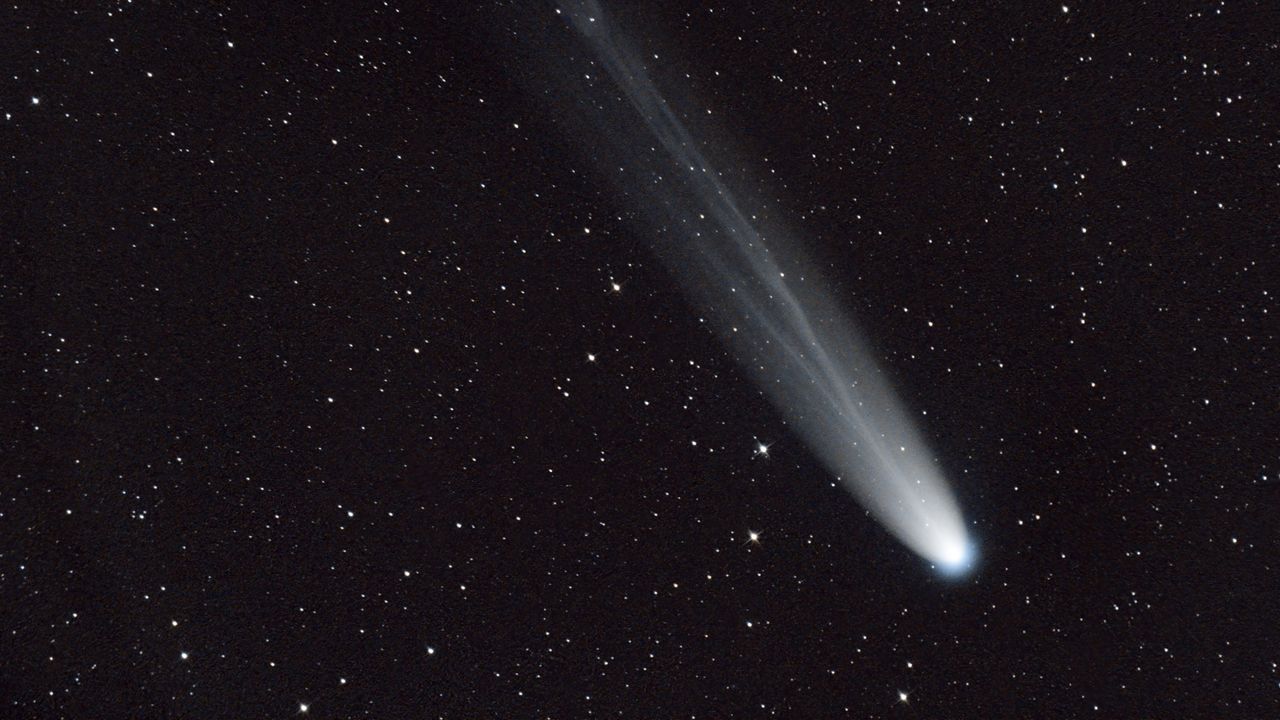
A low-number periodic comet is stalking our fair planet this summer, and putting on its best show of several generations. We’re talking about Comet 10P/Tempel. The comet is currently loitering in the early dawn sky, presenting a good target for large binoculars or a small telescope. But act fast, as the comet is taking the plunge southward in August, post-perihelion.
Comets are small, roundish bodies made of dust grains mixed with ice. Most travel along elliptical orbits that occasionally bring them close to the Sun. The main icy body of the comet is its nucleus. It’s small, generally less than 6 miles (10 kilometers) in diameter. When far from the Sun, comets appear faint because Continue reading "The best comets this century" The post The best comets this c…
Nature Astronomy, Published online: 10 July 2026; doi:10.1038/s41550-026-02913-7 Subtle orbital shifts prompted deep imaging of near-Earth object 1998 SH2, which uncovered a weak tail and confirmed cometary activity. The result indicates that more near-Earth objects currently classified as asteroids may also exhibit hidden low-level activity.
Astronomers have found that interstellar comet 3I/ATLAS contains an unusually large amount of methanol. Every interstellar object that passes through our solar system offers a rare chance to sample material forged around another star. Now, new observations of comet 3I/ATLAS using the Atacama Large Millimeter/submillimeter Array (ALMA) have revealed a chemical surprise: the comet is [...]
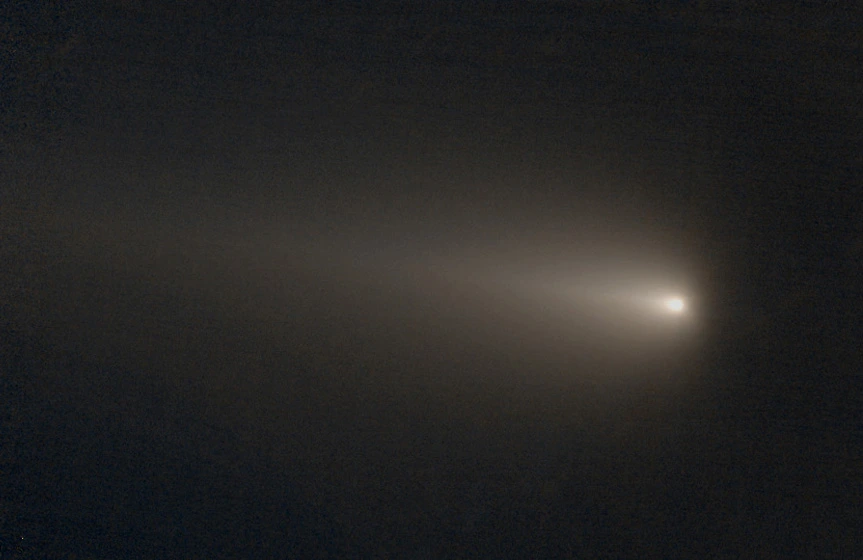
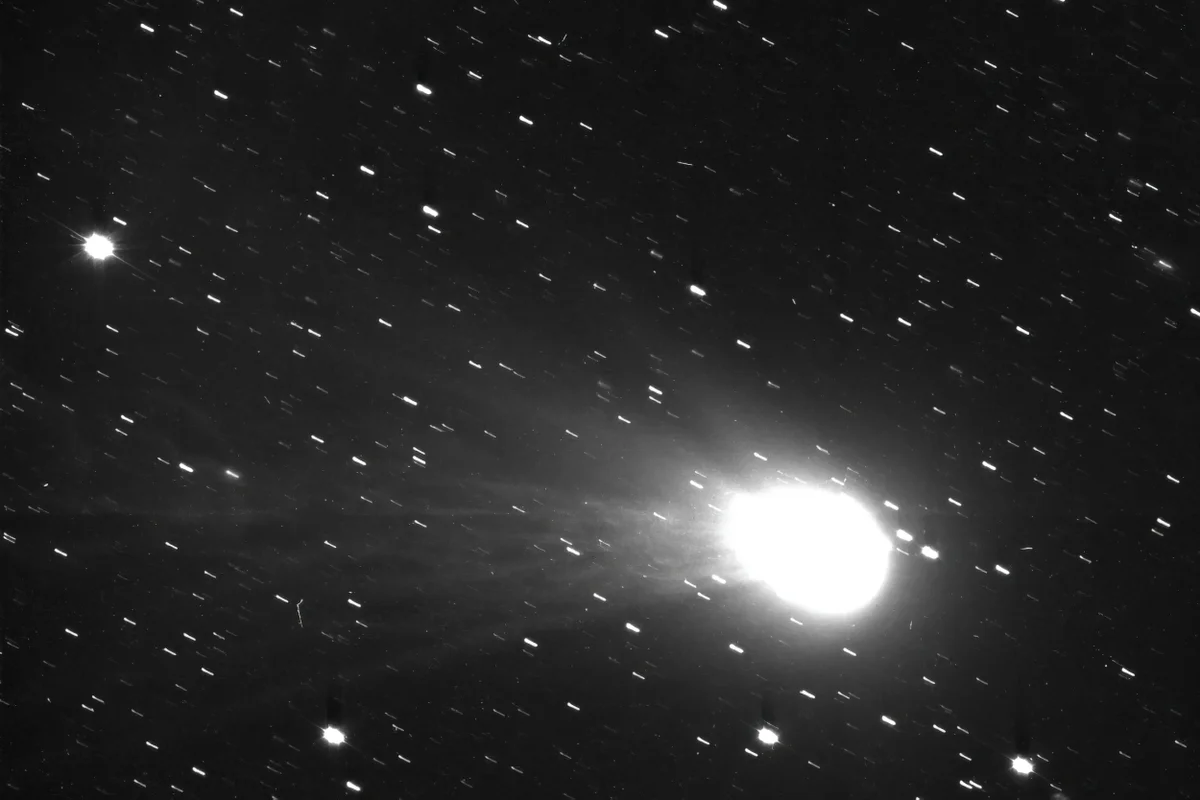
Gerald Rhemann, taken from Farm Tivoli, Namibia Comet C/2025 R3 PanSTARRS has survived its close pass of the Sun and while decreasing in magnitude, it is now on display in the evening sky for Southern Hemisphere observers. The imager took 11 minutes of LRGB exposure with a 12-inch f/3.6 scope. The post PanSTARRS reemerges appeared first on Astronomy Magazine .
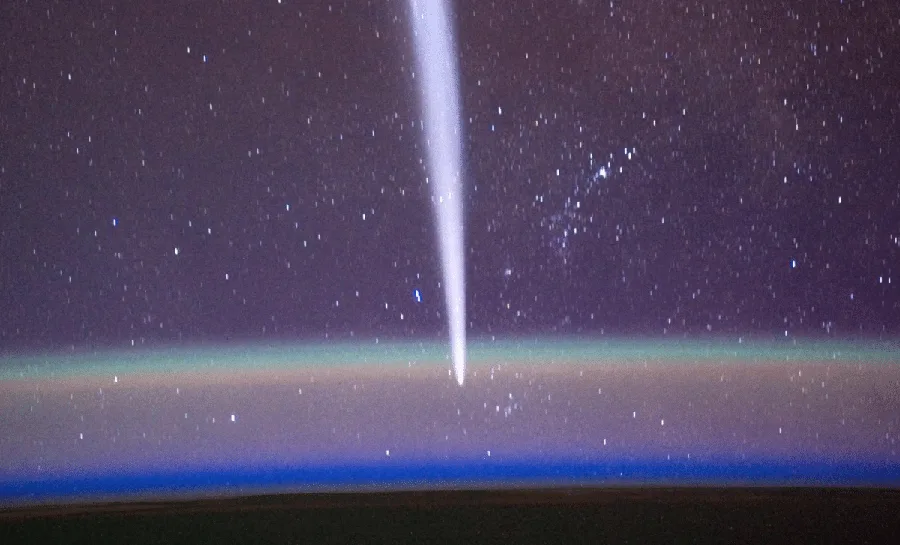
On April 4, comet C/2026 A1 (MAPS) plunged toward the Sun — flying about twice as far from our star as the Moon is from Earth. Comet watchers held their collective breath, waiting to see whether comet MAPS would survive its sweltering passage by the Sun. The SOHO (Solar and Heliospheric Observatory) spacecraft — a joint NASA and ESA […] The post NASA Heliophysics Spacecraft Witness Comet’s Demise…
Understanding how asteroidal and cometary debris evolves and travels through the inner Solar System is critical for predicting impact risks and maintaining the safety of orbital infrastructure. Particles of all sizes and sources pose significant hazards to satellites operating in near-Earth and cislunar space. As such, modeling and analyzing how small asteroidal and cometary particles evolve over…
Get the world’s most fascinating discoveries delivered straight to your inbox.
You are now subscribed
Your newsletter sign-up was successful
Want to add more newsletters?
Join the club
Get full access to premium articles, exclusive features and a growing list of member rewards.
A rare "sungrazer" comet is about to pass very close to our star and could become visible in daylight — or it could comp…
As the comet prepares for its perilous perihelion passage, we look at what to expect.
We're all wondering the same thing. How bright will Comet C/2026 A1 MAPS get? Will it become a splendid sight like some of its sungrazing siblings of the past or will it fracture and fade? With perihelion less than three weeks away, a definitive answer is lacking, but we can still speculate. First, let's examine…
In late 2025 a mysterious comet flew between the orbits of Earth and Mars and reached a speed of more than 150,000 miles per hour during its closest approach to the sun. The rare interstellar guest to our solar system captured astronomers’ attention, and many trained their observations onto it in a bid to understand what exactly it is, why it is here and where it might be going.
Every new piece o…
Comets inhabit the cold reaches of the Solar System: the Kuiper Belt and the Oort Cloud. Occasionally, one passes through the inner Solar System, but mostly they keep to themselves out there. These dirty snowballs are agglomerations of rock and dust, and frozen volatiles like water, carbon dioxide, methane, and ammonia. They also contain organic materials.
But one of comets' key components is cry…



 research.io