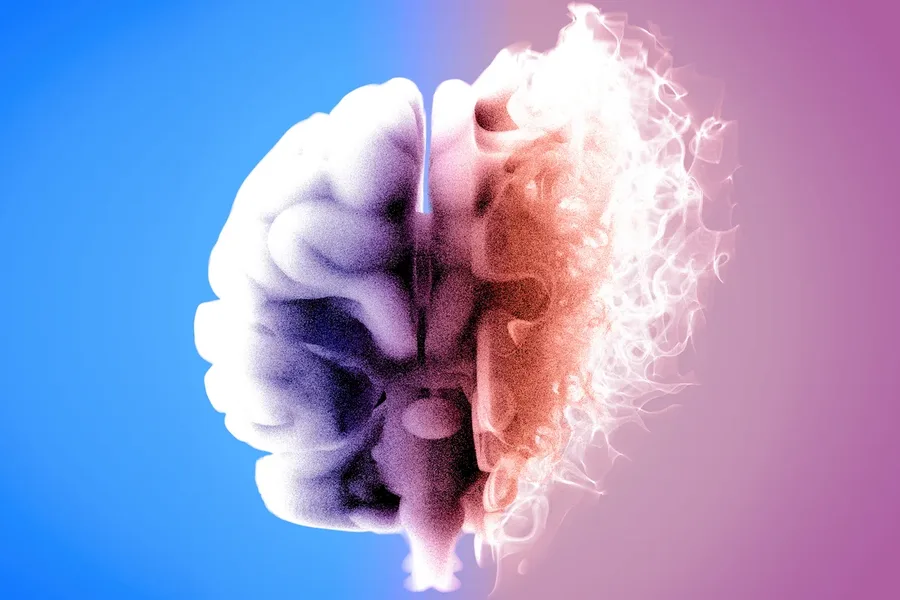
When survivors of trauma recount their experiences, they are often questioned because of how they relay their stories. They may have problems remembering what happened, or their memories may be jumbled or even contradictory. People hearing those stories—attorneys, reporters, healthcare workers or friends—may expect a clearer, linear narrative.
Those unaffected by trauma may also be surprised to h…
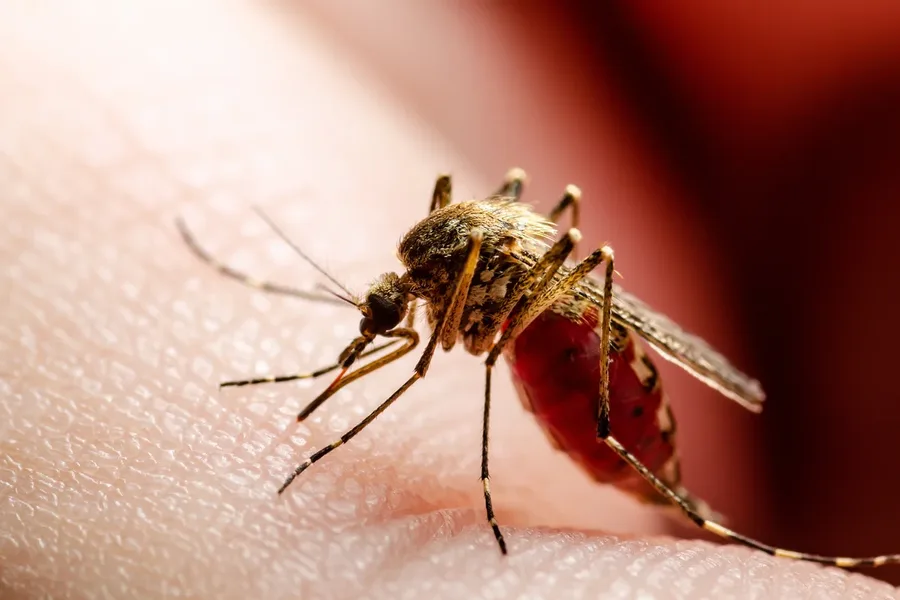
Hundreds of people across the U.S. have been sickened with a mosquito-borne illness that can cause flulike symptoms, debilitating headaches and, in rare cases, even brain swelling.
This week New York City reported its first human case of West Nile virus for the year; health officials said the infected individual may have contracted the virus outside of the city. But officials have found West Nile…
From what I can gather, Freddie Mercury—the rightfully celebrated lead singer of Queen—was about the same height as I am.
So while I’m certainly not Freddie Mercury’s twin, would you say I’m Freddie Mercury–like? Besides having our heights in common, I also am male, have facial hair and can carry a tune (though at that, I am not a champion). Weirdly, we both also worked with rock stars named Bria…
China is the world leader in solar power, but the country’s massive boom in this clean energy source could have unintended consequences for the country’s birds.
Using birdwatching and policy data from more than 2,300 counties across China, a new analysis found that areas with stricter policies enforcing solar energy development have seen decreases in bird diversity over the last 10 years. The stu…
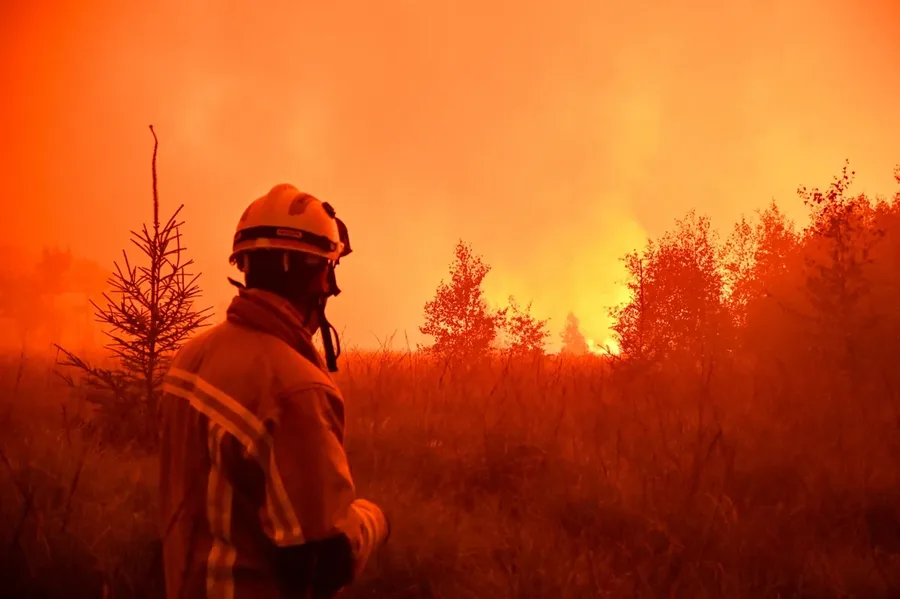
Europe is on fire. This summer the European Union has seen more than 1,750 wildfires. The flames have forced hundreds of thousands of people to evacuate across France and Spain. Belgium is currently battling its worst wildfire in a century. And in some parts of Greece, fires have forced tourism to come to a screeching halt. Some 1.5 million acres have burned so far—and the season isn’t even over …
Without drastic interventions, data centers in space could disrupt scientific observations and fragile ecosystems by adding almost innumerable new “stars” to the heavens above
The country’s latest mission, Chang’e-7, will be the first to ever land directly at the moon’s south pole. Whatever it finds there could radically reshape a new space race
Five common microorganisms found on Earth could survive at the lunar south pole, a new study finds, presenting a contamination risk for future human missions


 research.io