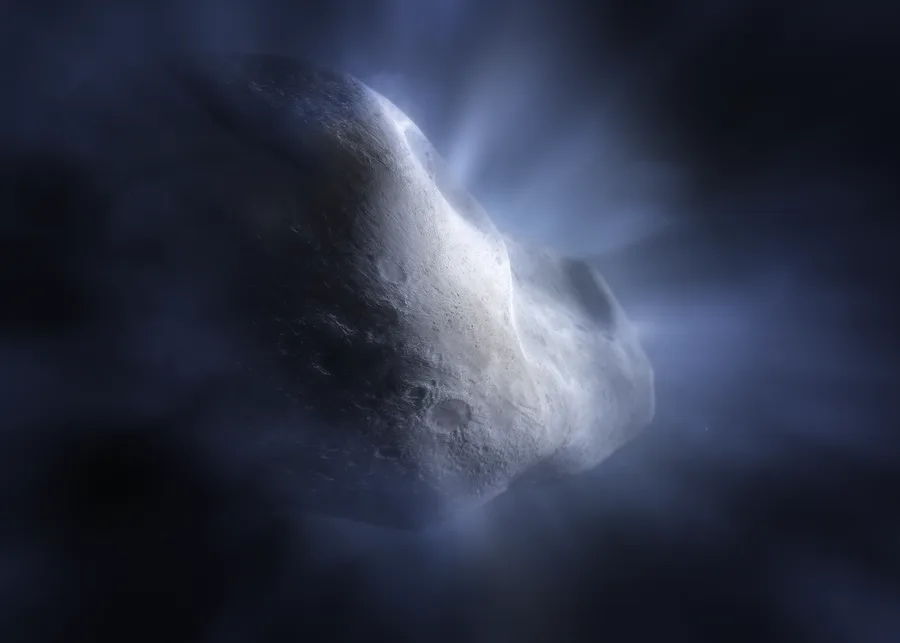
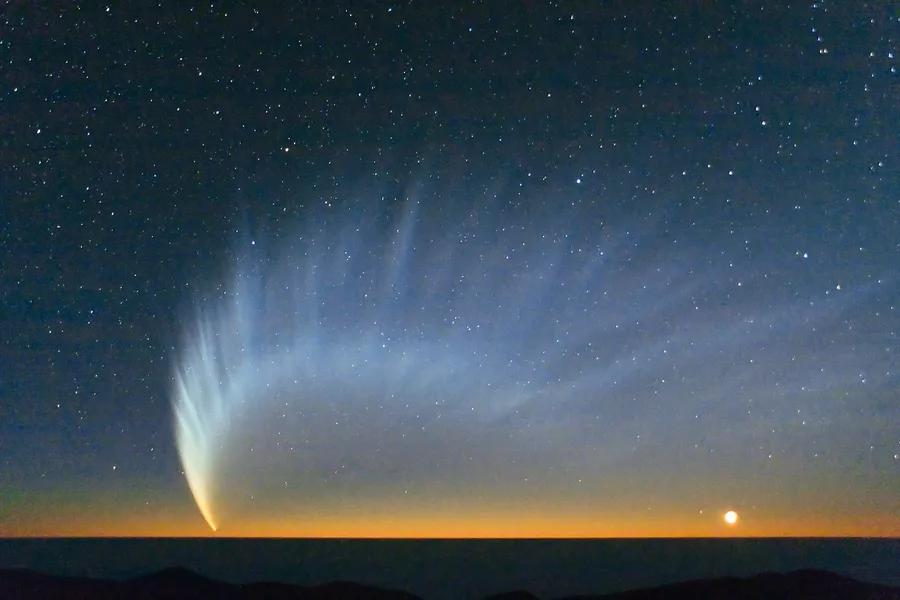
When Henry Hsieh entered graduate school, he was interested in comets for a fairly simple reason: they seemed exciting. Unlike distant objects that might appear as little more than points of light, comets changed. They ... Read More
On Monday, September 11, 2006, the first episode of Astronomy Cast was promoted across the Internet. Twenty years later, on September 7, 2026, episode 800 will hit a podcast player near you. Hosted by Planetary ... Read More
August 20, 2026, TUCSON, Ariz. – Planetary Science Institute (PSI) has named Samantha (Sam) Riestenberg as its new Science Communications Manager and Public Information Officer, where she will lead efforts to share PSI research and ... Read More
PSI Senior Scientist Isaac Smith’s students at York University in Toronto have been very busy with Mars-related research. “My lab has published 10 papers already in 2026, including nine led by students and one led ... Read More
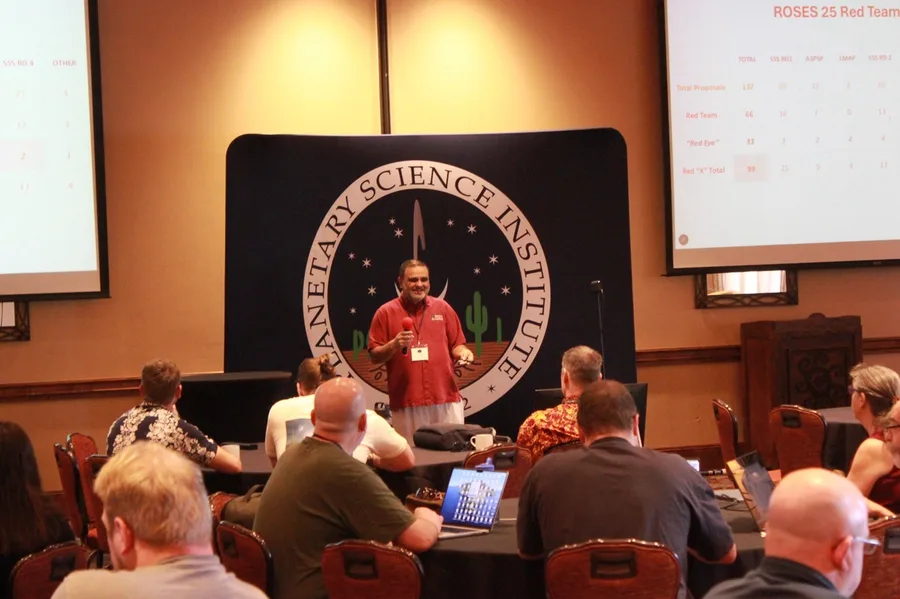
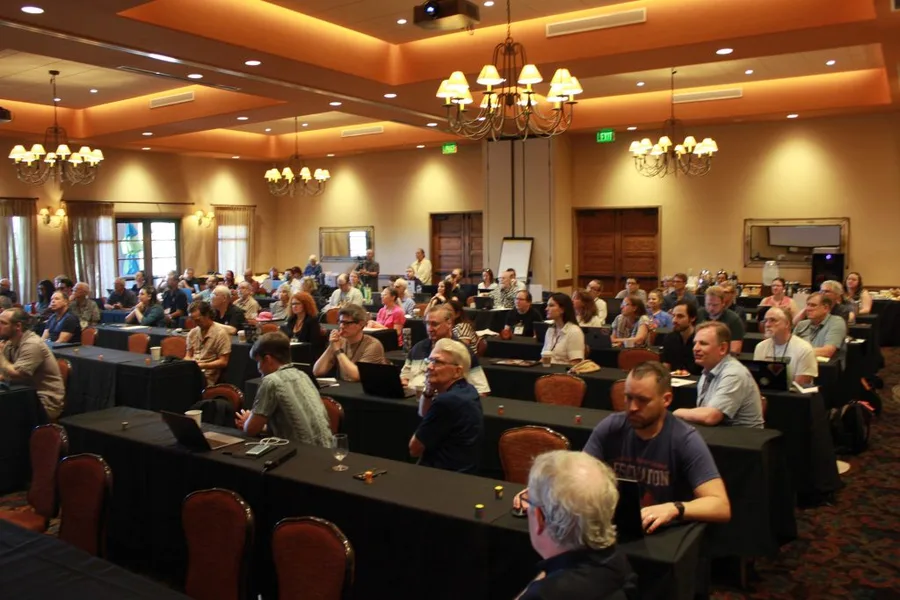
Participants in the Planetary Science Institute’s 2026 retreat held at Tucson’s Hacienda del Sol Guest Ranch Resort July 29-31 were offered a full agenda featuring a wide array of scientific presentations and topics for discussion. Gareth ... Read More
One of the highlights of the Planetary Science Institute’s annual retreat is the banquet. After a busy day of activities, researchers, staff and guests gathered for a cocktail hour at the resort’s Hacienda Room and ... Read More
More than 125 researchers, trustees, administrative staff and guests gathered at the Hacienda del Sol Guest Ranch Resort July 29-31 for the Planetary Science Institute’s 2026 annual retreat. Director Amanda Hendrix gave an overview presentation ... Read More
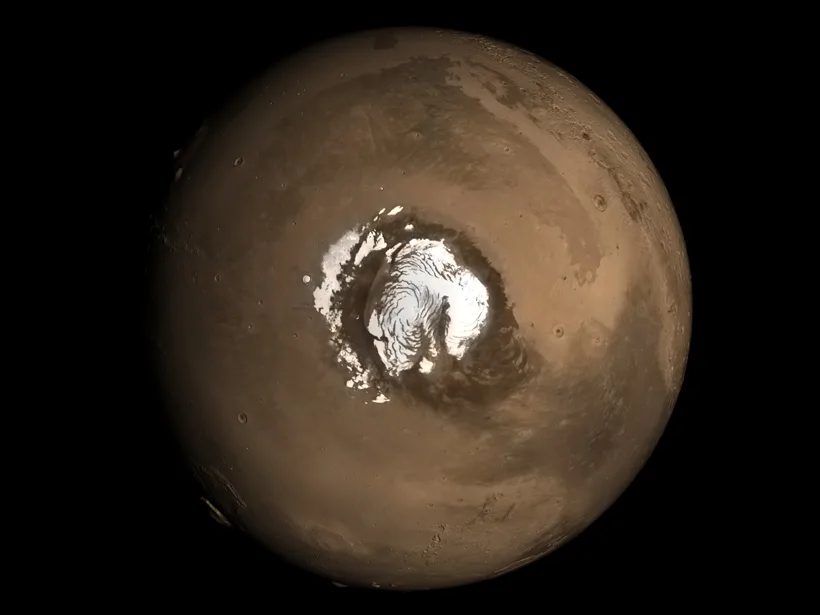
We know Mars has water ice in its polar regions, but astronauts (and their solar powered equipment!) would much rather experience life closer to Mars’ equator. As NASA looks toward landing humans on the Red ... Read More
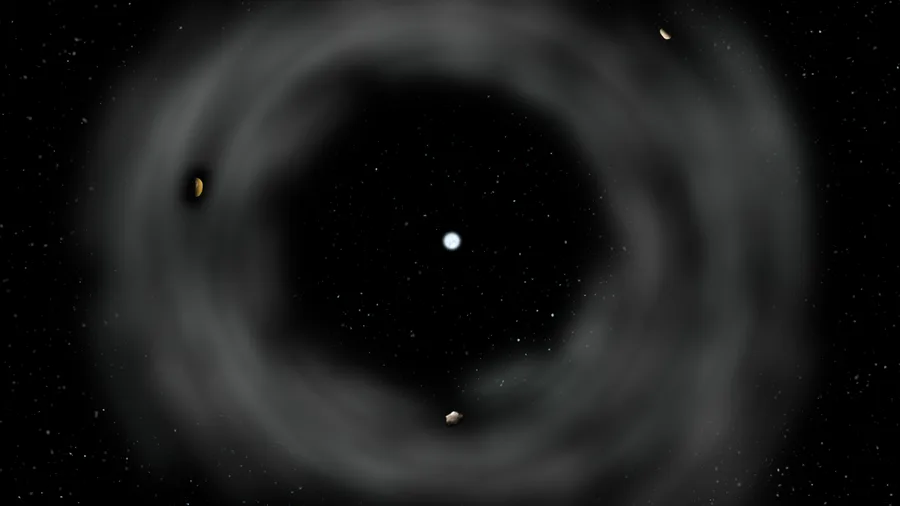
Just as you may look to your grandparents to understand what to expect as you age, researchers look to elder stars to understand how our Sun and solar system will evolve. PSI researchers Jordan Steckloff ... Read More
The Rocky Mountain outpost of the Planetary Science Institute marked its 10th anniversary with a July 18 open house event. Established July 18, 2016, the Colorado office currently houses seven PSI researchers working on a ... Read More
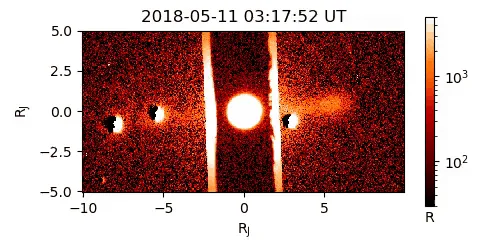
July 23, 2026, TUCSON, Ariz. — A careful statistical study between observations recorded by NASA’s Juno mission and observations recorded by The Planetary Science Institute’s Io Input Output observatory (IoIO) shows that IoIO observations reliably ... Read More
The Colorado office of the Planetary Science Institute is marking its 10th anniversary with a July 18 open house event. Established July 18, 2016, the office currently houses seven PSI researchers working on a wide ... Read More
This fascinating piece of artwork depicts familiar constellations and challenges viewers to experience what the star grouping might look like from somewhere other than Earth. To see the installation being created, CLICK HERE. This intriguing sculpture was created by PSI’s Senior Scientist Jamie Molaro.
On June 22, 2026 PSI Pierazzo International Student Travel Award winner Emily Elizondo received her certificate at the “Building the Hard Rocky Planets – From Mercury to the Asteroid Belt” workshop in Saint-Michel-l’Observatoire, France. PSI ... Read More
Pamela L. Gay has been honored with the 2026 Westford Academy Alumni Distinguished Award for bringing the world of planetary science to the public. Westford Academy in Westford, Mass., is one of the oldest public ... Read More
PSI hosted a dozen pre-K to 6th grade teachers from across Southern Arizona for the STEMAZing Solar System Exploration – Workshop for Educators. “The three-day workshop helped teachers to learn more about the Solar System ... Read More
The Gaia mission has allowed researchers to understand the motions of stars like never before, even revealing possible interactions between our Solar System and nearby stars. Planetary Science Institute Senior Scientist Nathan Kaib and collaborator ... Read More
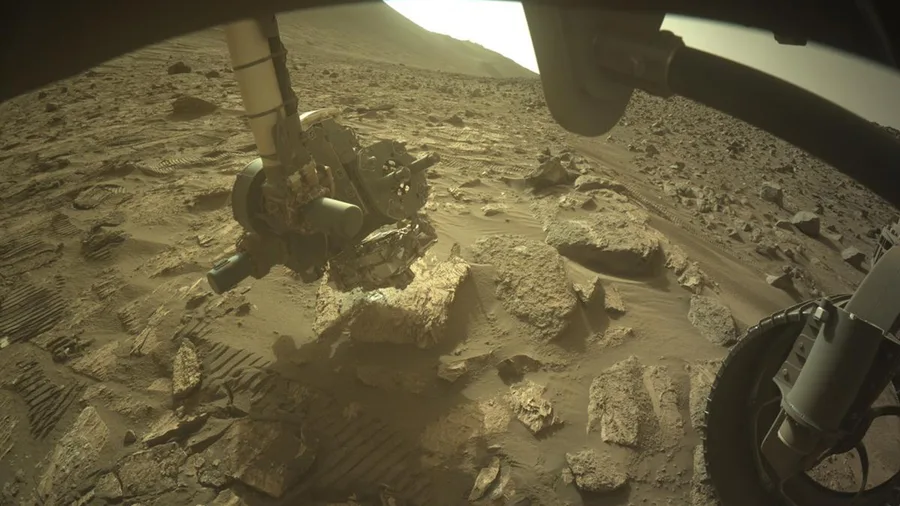
In September of last year, NASA announced that its Perseverance rover discovered a potential biosignature, which is a substance or structure that might have a biological origin. A new paper, published in Science Advances, unambiguously ... Read More
PSI staffers gathered for lunch and cake to say goodbye to Public Information Officer Mikayla Kelley who is moving to the University of Arizona as a senior research writer. Lunch included Kelley’s favorite kale and ... Read More
Planetary Science Institute Senior Scientist Jeff Morgenthaler created and oversees PSI’s Io Input/Output observatory (IoIO), a small telescope designed to study how gas from Jupiter’s moon Io moves into and out of the space around ... Read More




 research.io