According to Google DeepMind’s official blog, the company has released AlphaGenome Atlas, a free platform offering precomputed predictions for the molecular effects of all 9 billion possible single-nucleotide variants in the human genome. Built on DeepMind’s AlphaGenome model, the Atlas also introduces the AVI (AlphaGenome Variant Impact) score, a single ranking number combining AlphaGenome and […
OpenAI has introduced Rosalind Workbench, a new research-preview environment available through the ChatGPT app that brings scientific tools, specialized biology models, and data workflows into a single connected space — letting researchers move from a biological question to inspectable evidence without losing the thread between disconnected tools. Scientific research rarely happens inside a singl…
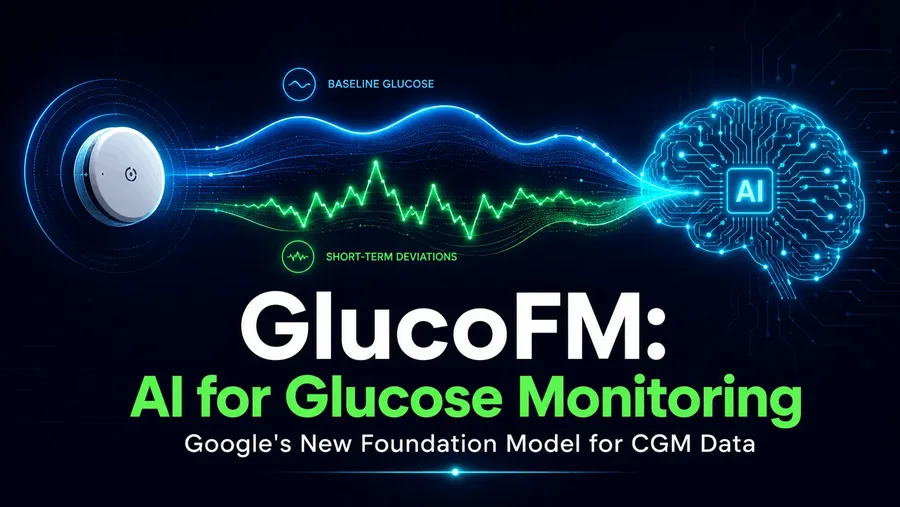
Wearables have gotten remarkably good at estimating how much we move and how well we sleep. But glucose regulation — the hidden machinery behind metabolic health — doesn’t show up directly in motion or heart-rate data. It needs its own signal. That’s where continuous glucose monitors (CGMs) come in, tracking interstitial glucose every few minutes […] The post GlucoFM: Google’s New Foundation Mode…
For years, genomics has had a dirty little secret: even our best reference genomes have gaps. Now, a large international team of the National Human Genome Research Institute (NHGRI) at the NIH, along with the National Institute of Standards and Technology (NIST), has closed most of those gaps for good. Their new study introduces what […] The post Scientists Create a Near-Perfect Telomere-to-Telom…
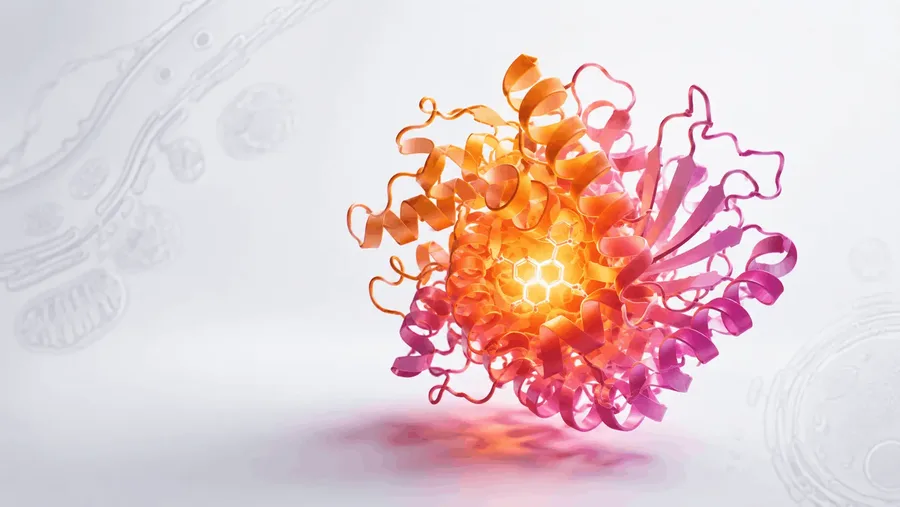
Imagine trying to identify every resident of a bustling metropolis from a rooftop, at night, with only a handful of flashlights. That’s essentially the challenge cell biologists face when trying to track individual proteins inside a cell packed with millions of molecular neighbors. A new tool called NovoTags is about to hand researchers a lot […] The post NovoTags: How AI-Designed Proteins Are Gi…
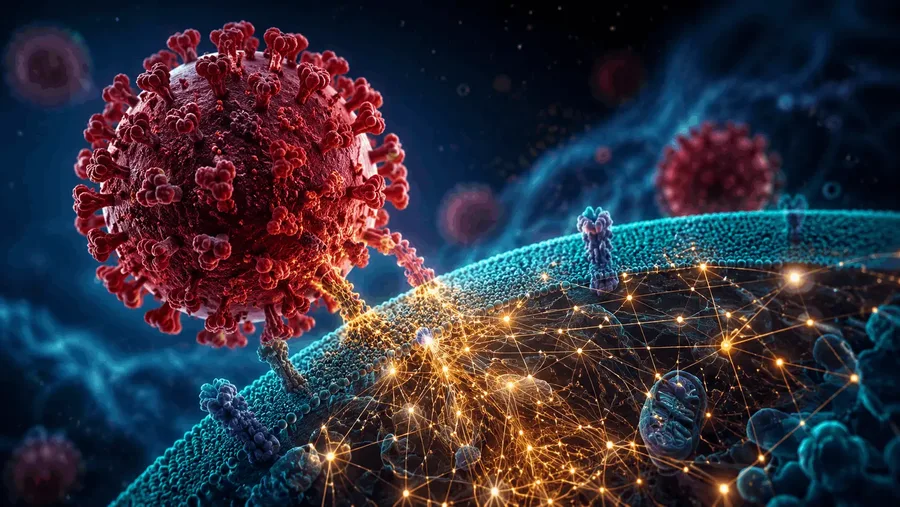
Every winter, the influenza A virus infects millions of people. In a handful of cells, it manages to do something very hard for scientists to observe: it enters a human cell, releases its own genetic material, and starts rewiring almost everything around it. We have known for decades that this rewiring happens, but seeing exactly […] The post Scientists Reveal How the Influenza A Virus Rewires Hu…
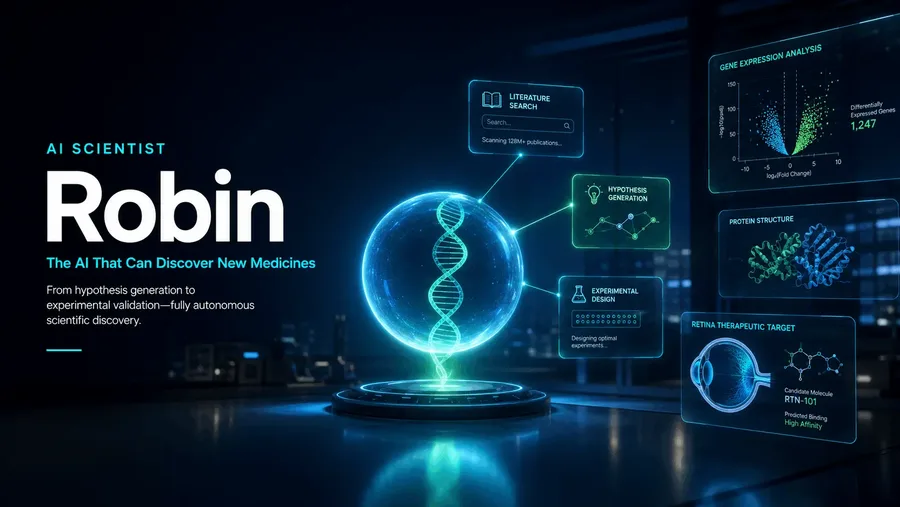
A team from the FutureHouse, University of Oxford and Fordham University published a paper in Nature describing something that sounds like science fiction but is very real lab work: an AI system that proposed, tested, and refined a new drug candidate for an eye disease almost entirely on its own. The system is called Robin, […] The post Meet Robin: A Multi-Agent AI Framework for Scientific Discov…
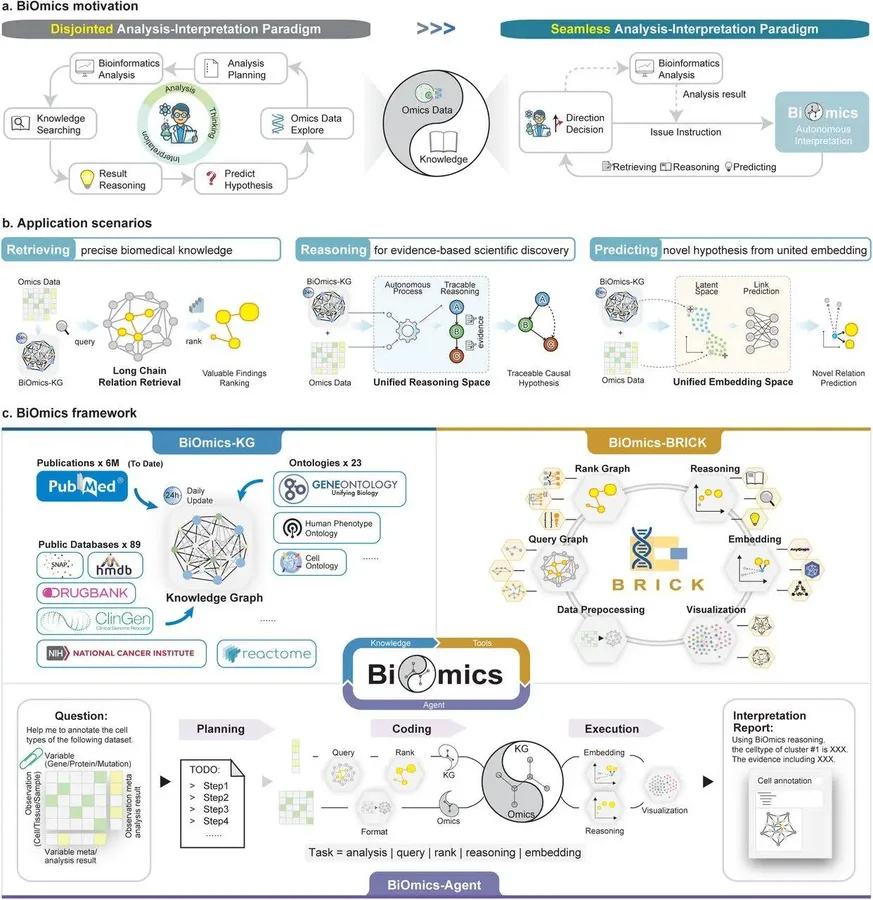
Biology today produces more data than anyone knows what to do with. Sequencers spit out genomes, single-cell experiments generate massive expression matrices, proteomics platforms churn out thousands of protein measurements, and yet, turning all of that into an actual understanding of what is happening inside a cell or a disease remains painfully slow. A team […] The post Meet BiOmics: The AI Age…
The interdisciplinary team, spanning researchers from the University of Surrey, Imperial College London, IISc, and others, discovered Virulence Associated Dikinase (VadK), which evolved from pyruvate phosphate dikinase to histidine kinase. It regulates the methylcitrate cycle used by Mycobacterium tuberculosis to process energy sources from host lipids. Without ΔvadK mutants, the TB bacteria fail…
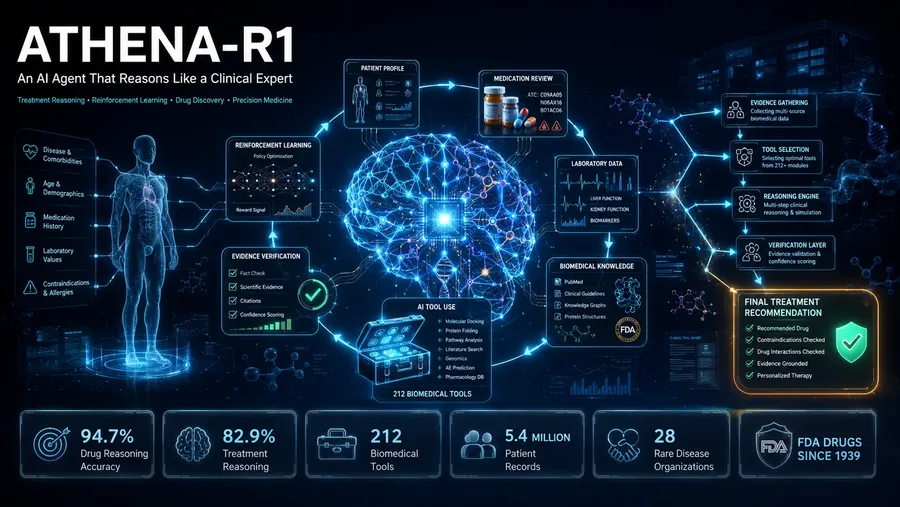
Picking the right treatment for a patient is rarely a one-step decision. A doctor has to think about the disease, the patient’s other health conditions, the drugs they’re already taking, possible interactions, and warnings that keep changing as new research comes out. It’s a slow, careful process of gathering facts before concluding. A team of […] The post ATHENA-R1: A Reinforcement Learning AI A…
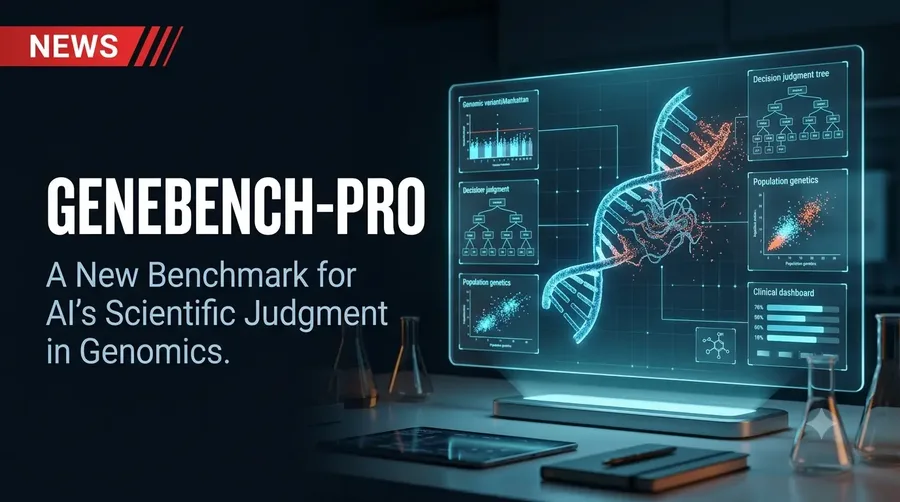
Here’s an uncomfortable question for anyone building AI tools for genomics: can a model tell the difference between a real biological signal and a batch effect? Can it recognize when a QC flag should send it back to the drawing board? Most AI benchmarks test whether a model can execute a known analysis pipeline. Almost […] The post OpenAI Unveils GeneBench-Pro to Benchmark AI in Genomics and Tran…
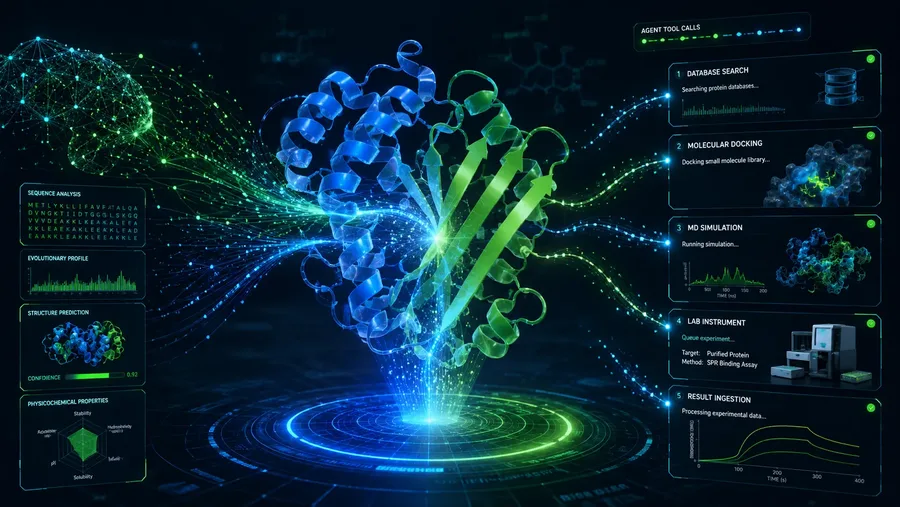
NVIDIA launched the BioNeMo Agent Toolkit, a set of AI-ready tools that lets AI agents act like scientists by enabling them to choose models, reason across workflows, and execute environments using BioNeMo Skills to run full scientific workflows in pharma, biotech startups, and labs. AI agents are becoming powerful research assistants in the life sciences, […] The post NVIDIA BioNeMo Agent Toolki…
Artificial intelligence is rapidly becoming an indispensable research partner in the life sciences. But while many AI tools excel at writing code or summarizing papers, scientific discovery demands much more—it requires integrating literature, analyzing complex datasets, running computational workflows, and generating testable hypotheses. That’s where Claude Science enters the picture. Claude Sci…