Civic Science Media Lab
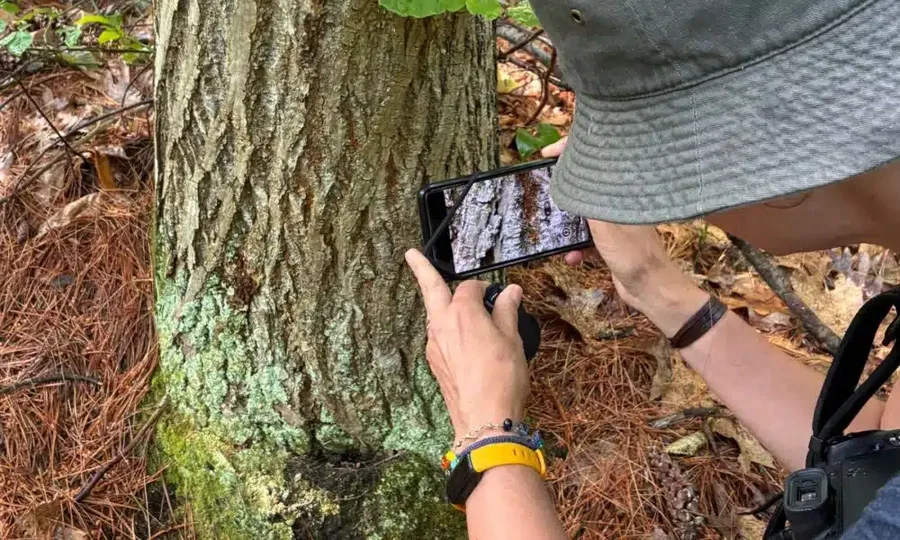
“Every time somebody uploads a photo to iNaturalist or another citizen science project, it is an observation of biodiversity, but it's also an observation of how someone interacted with the natural world." - Corey T. Callaghan The post Researchers examine the expanding use of participatory science data by state agencies appeared first on Civic Science Media Lab .
On the deck of the Intrepid Sea, Air & Space Museum, the aircraft-carrier-turned-museum docked off the West Side of New York City, amateur astronomers peered through telescopes for the first […] The post Scenes from Astronomy Night at the Intrepid Museum, New York City appeared first on Civic Science Media Lab .
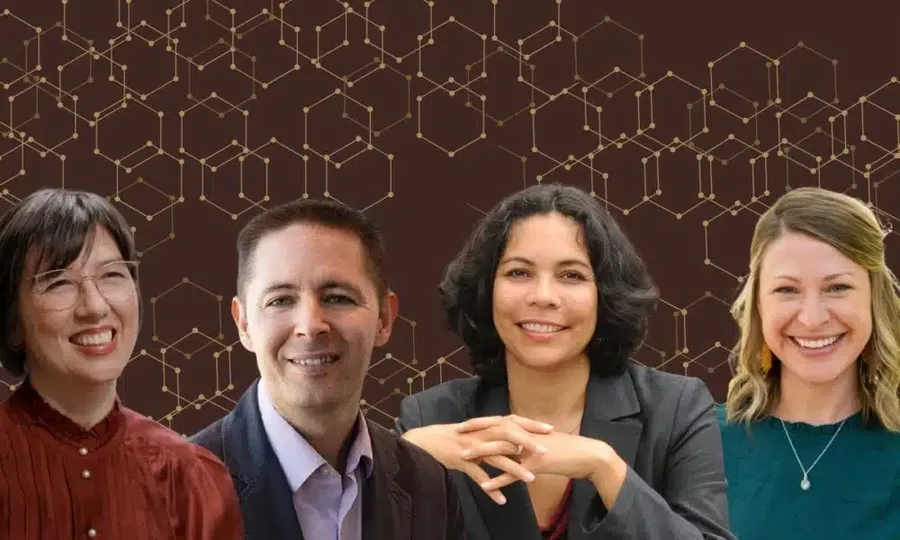
Melissa Anderson, Alexander Wilkins, and Timothy Riker discuss engaging the Deaf community in research, accessible communication, and centering community priorities. The post What it takes to include Deaf voices in scientific research appeared first on Civic Science Media Lab .

A 2024 paper published in Frontiers in Education examines content knowledge gains and instructor impacts in a middle school neuroscience outreach program in Michigan using multiple assessment approaches. The post Brain Explorers distills lessons from evaluating its neuroscience outreach programs: a research digest appeared first on Civic Science Media Lab .
Dear colleagues, We are seeking instructors to participate in survey on science communication in undergraduate Biology. Science communication skills are essential for students to respond to complex societal challenges. Undergraduates […] The post Dear Colleagues: Participate in a survey on science communication in Biology appeared first on Civic Science Media Lab .

“That’s a big goal, and the through line to what I do is trying to bring humanity into science, or to humanize scientists, which also is a big reason why I got into doing a lot of science communication and science writing work." — Risa Schenbly The post Risa Schenbly’s journey to researching ecological grief and telling its stories appeared first on Civic Science Media Lab .
CSF Index BIOBUS: BIOB ▲ 25.9% Rev YoY FY2024 vs FY2023 · Form 990 BioBase Harlem is a BioBus-operated lab that hosts school groups and after-school programs, offering hands-on science […] The post After School Science: Wild New York City — BioBase Harlem in pictures appeared first on Civic Science Media Lab .
BioBase Harlem is a BioBus-operated lab that hosts school groups and after-school programs, offering hands-on science sessions with microscopes and other lab equipment for students in grades 3 through 12. Opened […] The post After School Science: Wild New York City— A BioBase Harlem visit in pictures appeared first on Civic Science Media Lab .
This was an incredible opportunity to learn from practitioners around the globe and highlight how Third Spaces foster forward-looking opportunities by encouraging new ways of thinking. The post SciArt community reflections spark a desire for Third Spaces appeared first on Civic Science Media Lab .
We’re at a crossroads. As AI-generated images become easier to produce, there’s a temptation to replace skilled illustrators with algorithms. This would be a catastrophic mistake for science communication. The post Dear Colleagues: This is why science communication needs visuals appeared first on Civic Science Media Lab .
“The reason that this really works as a science project is a little bit of an accident of geography” - Dr. Jill Leonard The post In Michigan, a citizen science project tracking salamander migration is bringing a community together and building a dataset appeared first on Civic Science Media Lab .
In Episode 6 of Season 1 of Science Engaged, I speak with Dr. Benjamin Richards. He is the senior marine scientist and research mentor for the OceanEYEs participatory science project as part of the National Oceanic and Atmospheric Administration, or NOAA Fisheries. Dr. Richards discusses how NOAA researchers use deep-sea camera systems to monitor fish populations in the Pacific, particularly deep…
Dear Colleagues, We are seeking biologists, political scientists, and language scientists (all broadly construed) to participate in a survey about the barriers researchers face when attempting to communicate with lay audiences about their specific research area, and how those barriers may be similar or different across fields. The survey doesn’t target the usual things about barriers to public en…
Take-home points Research!America just announced its 2026 Civic Engagement Microgrant cohort, selecting 17 projects from 132 applicants to fund early-career scientists building local civic science initiatives across the United States. Across eight cycles from 2019 to 2026, the program has funded 151 projects according to online records. Support for the program has come from multiple funders over …
In this 22nd episode of Changemakers, host D’Maia Curry talks with Melanie Brown, an award-winning radio producer, journalist, and presenter at BBC Studios, about her path into science journalism and how she approaches storytelling at the intersection of science, the environment, and society. Brown reflects on her early work in international development and the challenge of connecting audiences t…
Why it matters: It has been widely argued that universities should update promotion and tenure systems to better value activities that advance access to knowledge, accelerate discovery, and especially strengthen public engagement with science (see Aurbach et al., 2023). But implementation has been slow and uneven. A new funding initiative is testing whether that can change. What we know: Six univ…
In this episode of Science Engaged, I speak with Scott Loarie, Executive Director of iNaturalist, a nonprofit organization that launched an app to connect people with nature to drive global conservation. Loarie discussed the platform’s success in engaging more than 4 million users in global biodiversity conservation. iNaturalist has documented one in four species on Earth, with 300 million verifi…
NEW YORK CITY – On Saturday, March 7, Stand Up for Science (SUFS) held 26 rallies across the United States, including an event at Manhattan’s City Hall Park. The organization describes its mission as “defend and advance America’s scientific ecosystem.” At the New York rally, participants carried signs addressing vaccines, research funding, and broader science policy debates. As part of our civic …
research.ioSign up to keep scrolling
Create your feed subscriptions, save articles, keep scrolling.