Study examines how social roles emerge and remain stable, how the prefrontal cortex represents leading, following, and a partner's position, and what happens to teamwork when that region is switched off. A companion AI model inferred the values guiding each animal's choices.
A new UCLA study found that a school-based program that teaches structured breathing techniques and social-emotional skills significantly improved social connectedness among teenage girls who had experienced high levels of childhood trauma. This group is at a substantially elevated risk for anxiety, depression and long-term physical and mental health problems.
What if dolphins are listening in on their prey--and their prey are listening right back? Researchers spent two months eavesdropping on dolphins along Florida's Atlantic coast, using an autonomous wave glider to capture their underwater sounds and clues about where they socialize and hunt. The study revealed distinct acoustic hotspots where dolphins gathered and socialized, and where they hunted …
A brief chat about firearm safety can sharply increase the willingness among gun owners to consider temporarily storing their firearms outside the home during times of crisis, a step that could help reduce suicide risk, according to a Rutgers-led study.
An international study finds that older adults who have strong beliefs about how other seniors should behave also report having more memory problems themselves. The study suggests a relationship between "ageist attitudes" and memory.
Because gamblers often up the ante rather than cut their losses when their online bets and parlays are a bust, researchers at the West Virginia University John Chambers College of Business and Economics are studying loss-chasing behavior to help protect Mountain State gamblers and their families from the associated risks.
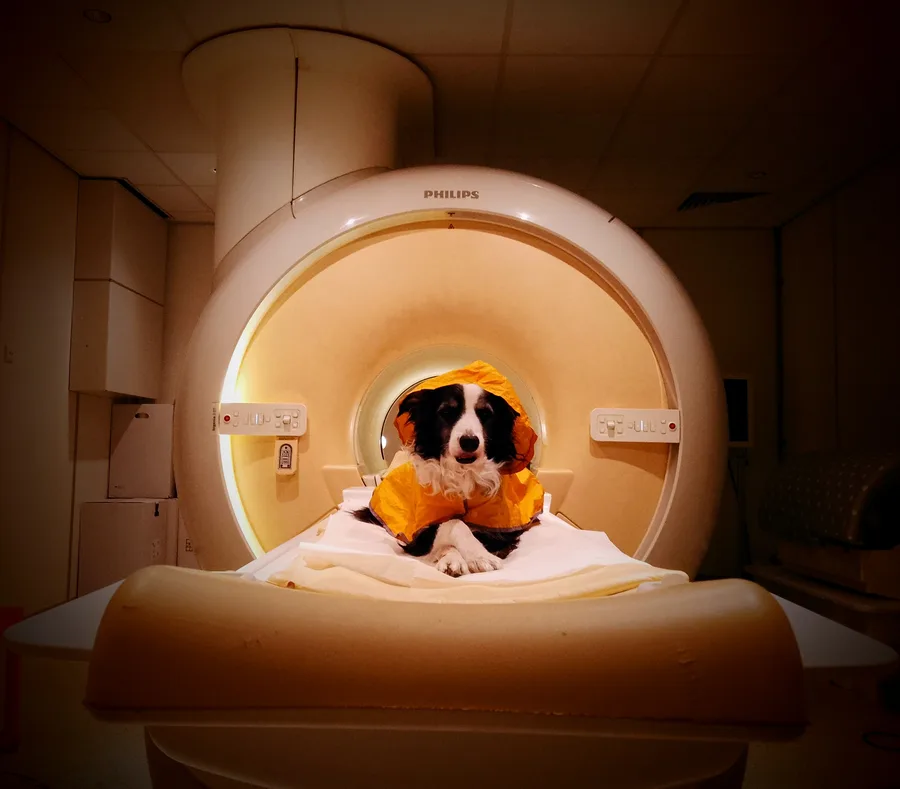
Scientists -- and dog lovers -- have long known that dogs are remarkably good at reading human laughs, frowns, and tears. But the biology behind this ability has remained largely unexplored, until now. In a current study published in the Cell Press journal iScience, researchers from the University of Vienna peered inside the brains of dogs as they viewed images of various expressions. The brain s…
Meat is a rare and highly prized resource for wild guinea baboons (papio papio). Yet, contrary to long-standing assumptions based on human hunter-gatherer societies, a new study by the german primate center - leibniz-institute for primate research (dpz) now reveals that female guinea baboons do not preferentially choose males who are more skilled at acquiring meat as their mates. The research tea…
Researchers have shown that measurements taken from a person's fingertip could help identify physical patterns associated with stress, anxiety and depression.
New research uses a computational model to explain how ant colonies produce synchronized bursts of activity, finding that a single "first mover" ant can trigger a rapid chain reaction that spreads through the whole colony.
Do organizations perform better under a single leader or when individuals organize themselves? A new honeybee-inspired study published in the journal PNAS suggests that while both approaches can succeed, decentralized groups may have an edge when communication is strong and there's just the right mix of risk-takers and cautious followers.
Children's Hospital Los Angeles highlights how its social workers are expanding access to pediatric behavioral healthcare through integrated care, crisis intervention, child abuse prevention and family-centered support amid rising youth mental health needs.
Previous research has suggested that overconfidence may also help children learn. Believing they can succeed, the theory goes, might encourage them to persist longer at difficult tasks and eventually see performance improvements. New research, however, suggests that this apparent learning advantage may be a statistical illusion.
Facilitating conversations on controversial topics in medicine can be an uncomfortable experience but it is a necessary part of medical education. These conversations require respect, empathy, and a willingness to lean into the discomfort of hearing a colleague, patient, or classmate express views that may starkly differ from your own.




















 research.io