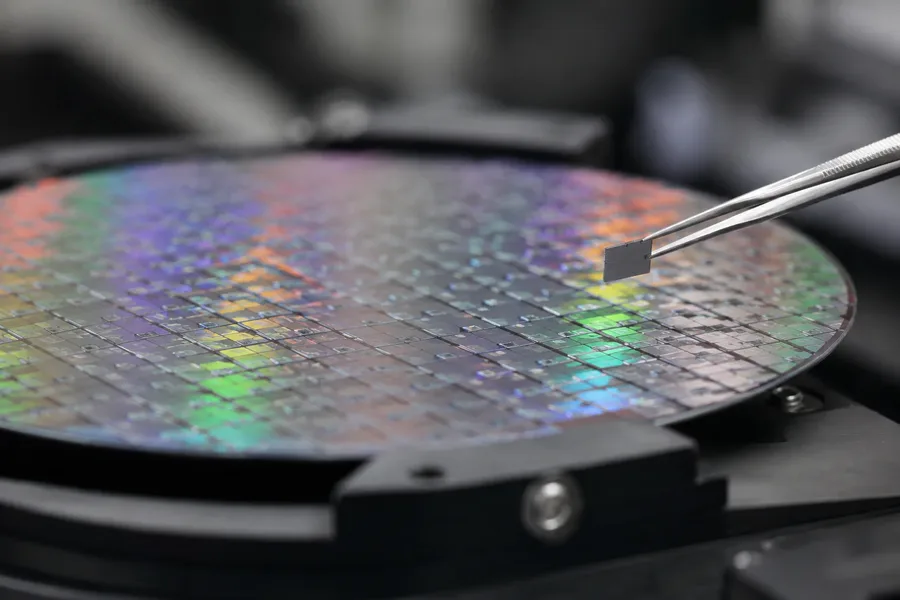
Researchers developed atomically thin amorphous carbon films that combine an ultralow dielectric constant with high dielectric strength, mechanical hardness, and resistance to copper-ion diffusion. The films retain their dielectric properties down to 0.8 nm and can be grown conformally below 300 °C, highlighting their potential for highly scaled semiconductor technologies.
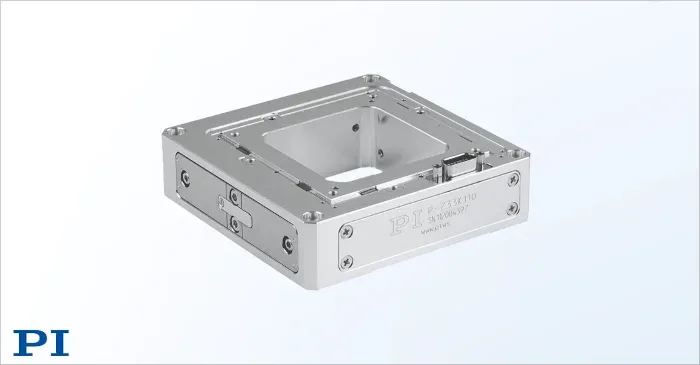
PI (Physik Instrumente), a global leader in precision motion control and nanopositioning technology, offers the P-733 XYZ piezo nanopositioning stage, delivering 0.1 nm (1 Å) positioning resolution for demanding applications in super-resolution microscopy, atomic force microscopy (AFM), surface nanometrology, and advanced imaging.
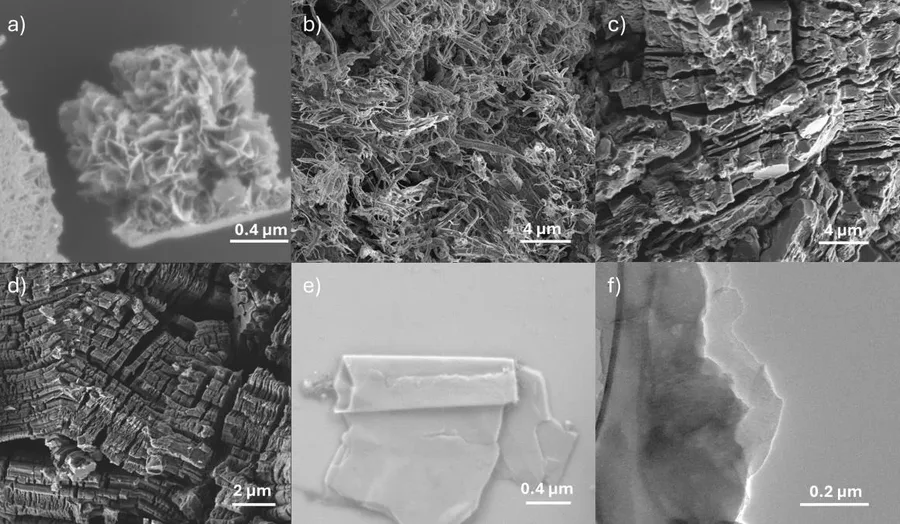
Researchers developed a potentially scalable metallurgical route that converts crystalline boron into dispersible, amorphous B/O-rich two-dimensional nanosheets through lithium alloying, chemical delithiation, and exfoliation. The nanosheets were incorporated into solution-processed SiC composite coatings with high solar absorptance, highlighting their potential for energy and photonic applicatio…
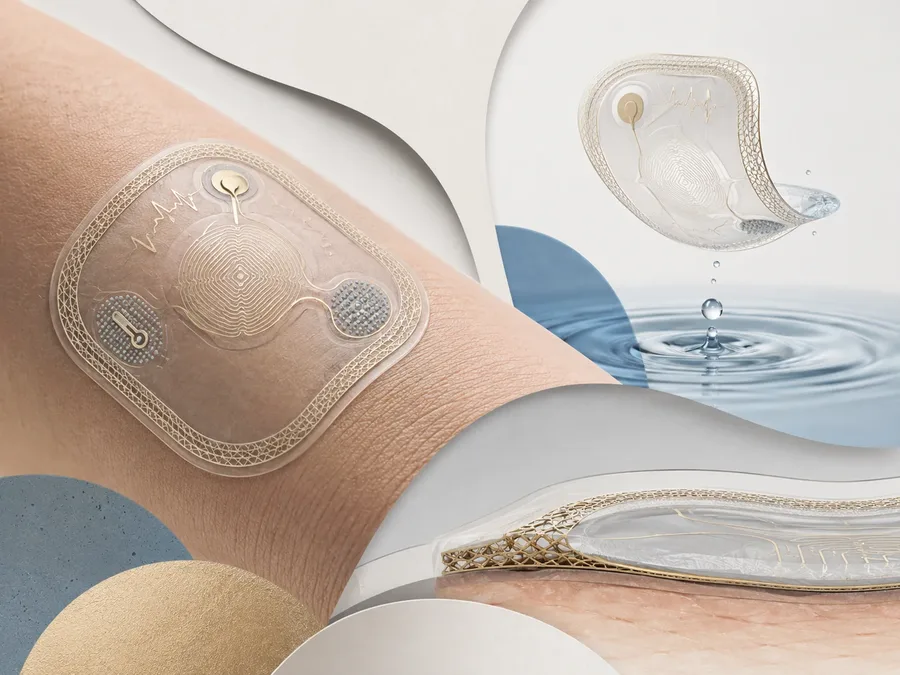
Researchers developed an edge-supported nano-thick epidermal electronics platform that combines an approximately 500 nm sensing region with a reinforced 5 µm scaffold for easier handling, release, and reuse. The design enabled water-assisted release and highly conformal skin sensing, with low-impedance sEMG electrodes, a 0.48 ms temperature sensor, and a pressure sensor reaching 62.9 kPa?¹ sensit…
Biomass-derived green nanomaterials offer a renewable approach to removing persistent pollutants through adsorption, catalytic degradation, and redox reactions while reducing reliance on hazardous synthesis chemicals. The review reports promising removal efficiencies for heavy metals, dyes, and pesticides but highlights unresolved challenges involving scalability, real-world performance, reusabil…
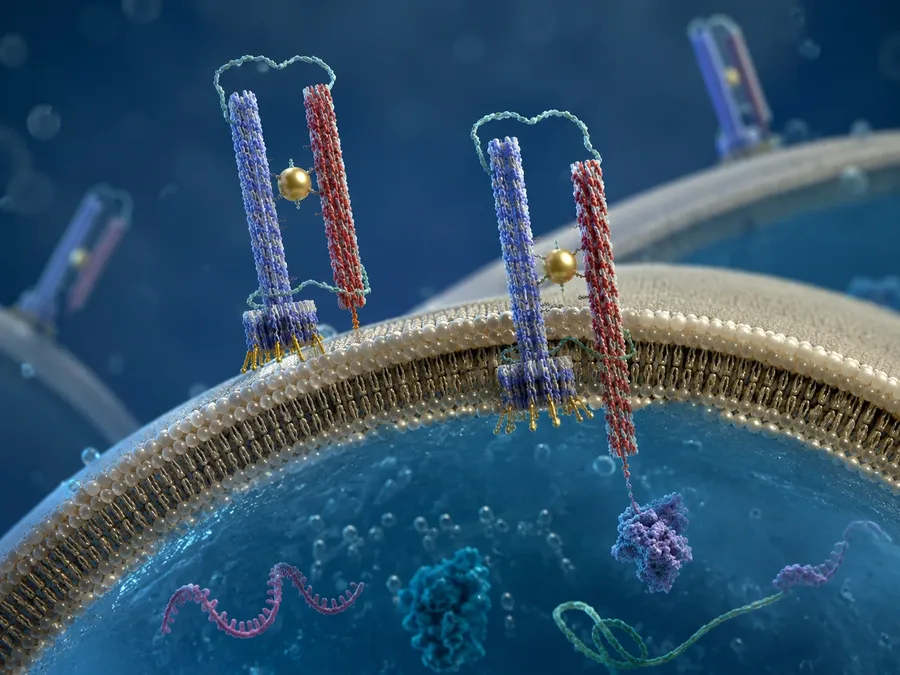
Researchers engineered a fuel-driven DNA origami nanosyringe that moves in approximately 14 nm steps to reversibly penetrate model lipid membranes and transport molecular cargo. The device also triggered localized DNA assembly, RNA transcription, and catalytic RNA cleavage inside synthetic cell-like vesicles.
Short-lived radioactive isotopes, or radioisotopes, can image tumors or inflict high levels of cellular damage to them. As a result, these radioisotopes can be effectively used in cancer treatments.
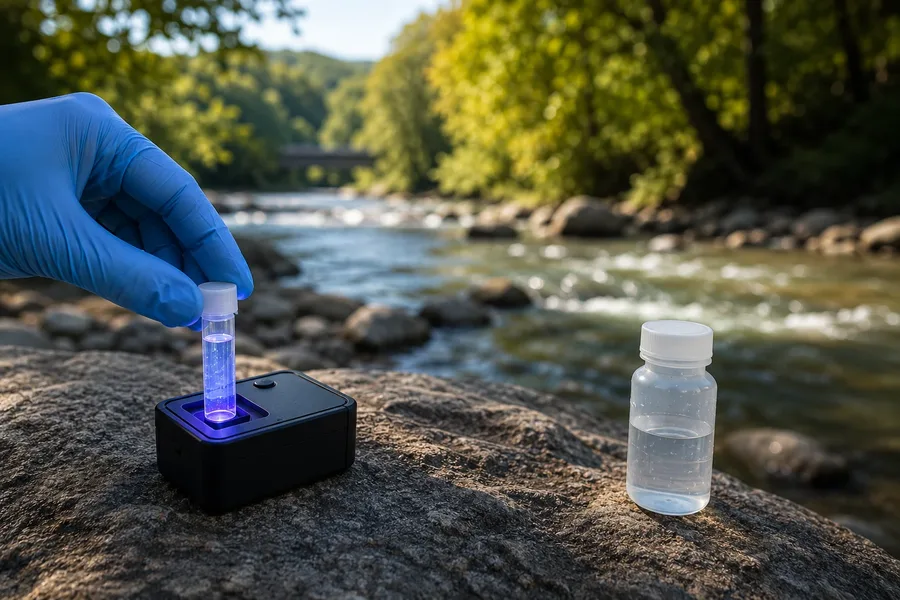
Researchers developed AquaFluoSense, a portable biosensor that combines aptamer-functionalized CdTe quantum dots with fluorescence-based detection to measure lead and arsenic in water.
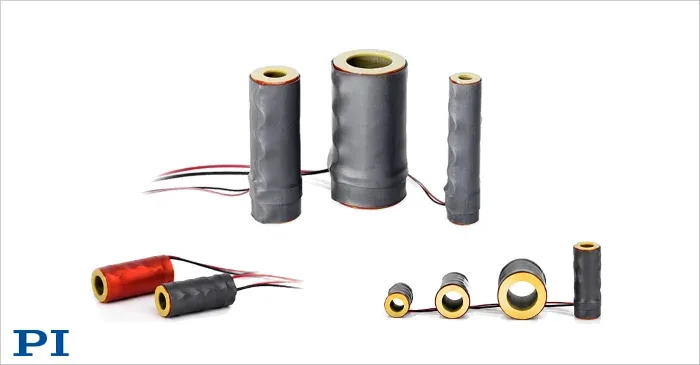
PI (Physik Instrumente), a global leader in precision motion control and nanopositioning, offers high-force piezo actuators for applications requiring fast, nanometer-scale motion while maintaining an unobstructed central opening.
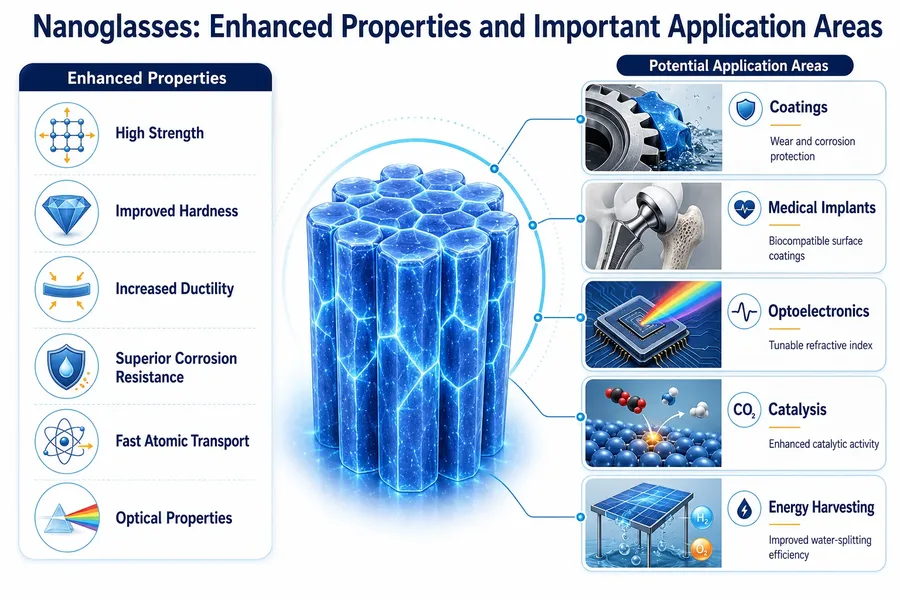
Nanoglasses use nanoscale glass grains and distinct glass-glass interfaces to introduce controllable structural, chemical, and thermodynamic heterogeneity into amorphous materials. The perspective highlights columnar thin-film nanoglasses as a promising platform for tuning mechanical properties, atomic transport, magnetism, optics, and catalysis through interface engineering.