Forensic science – The Conversation


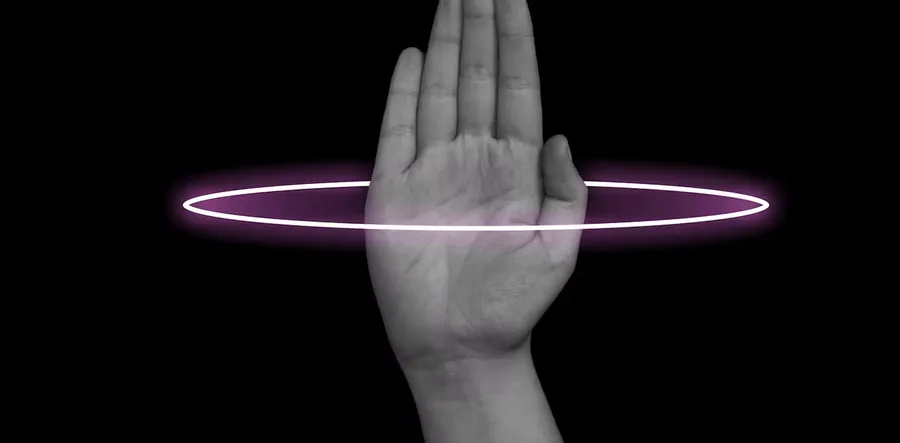
Human scent could one day be used as evidence in forensics and as diagnostic information in medicine.

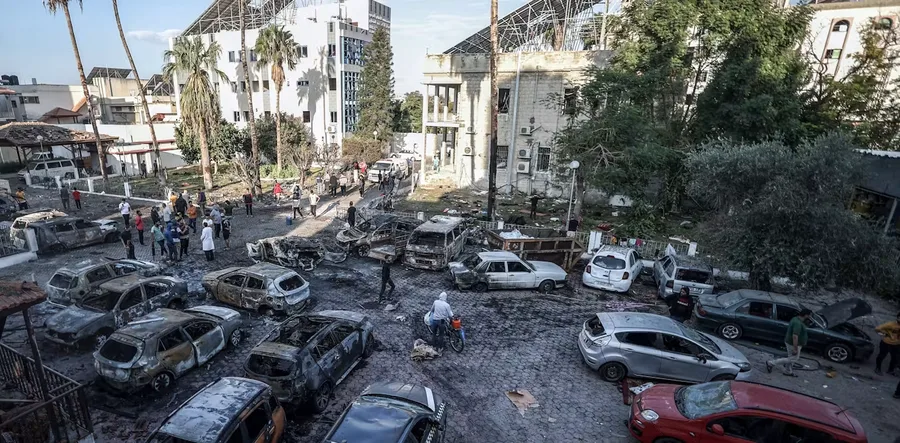
The hospital blast site has largely been cleared, Hamas says. But a forensic scientist explains what other evidence independent experts could look to while conducting an investigation.

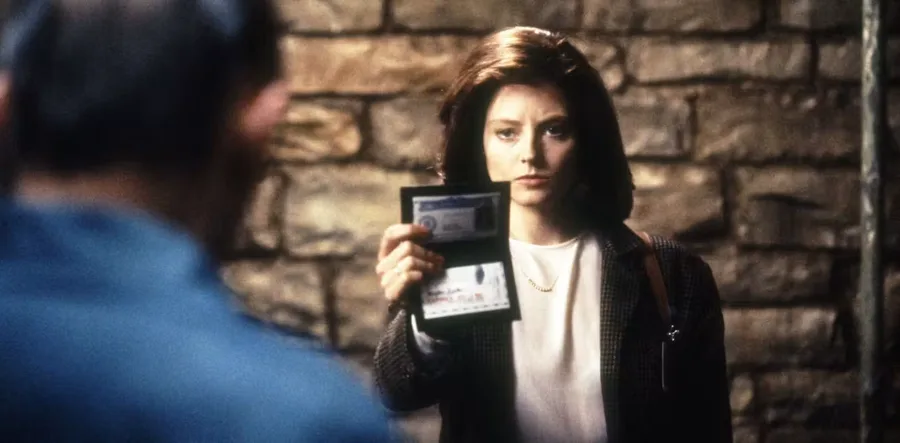
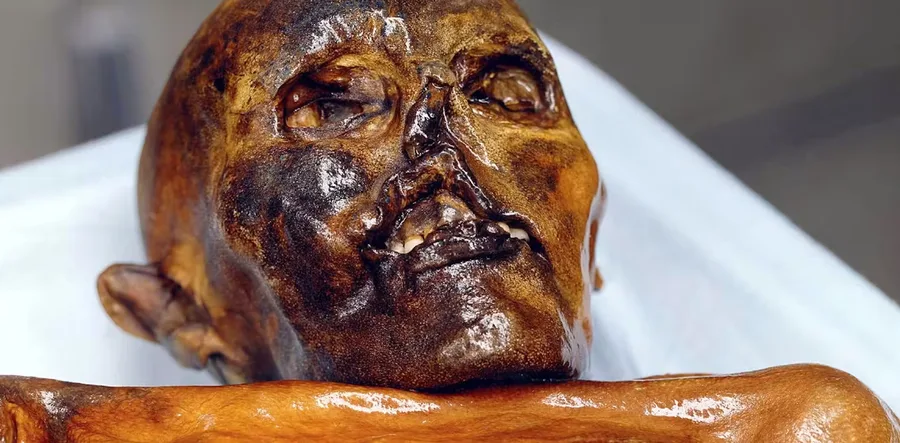
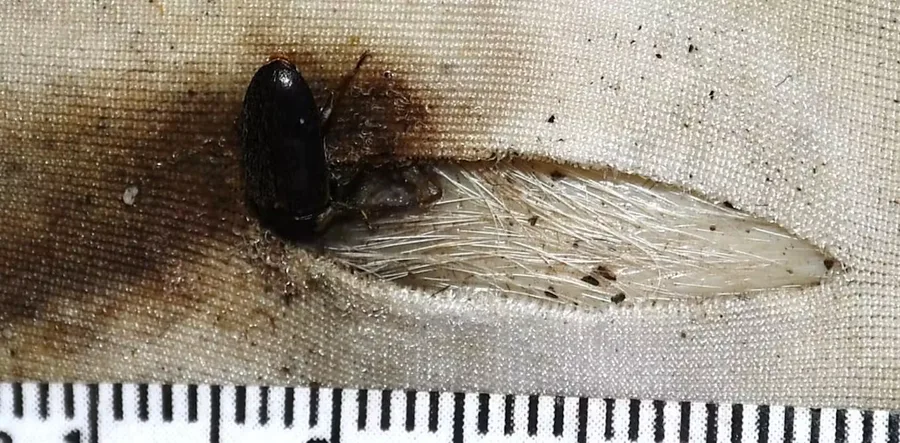
Forensic scientists would conduct the film’s infamous moth cocoon scene rather differently today.

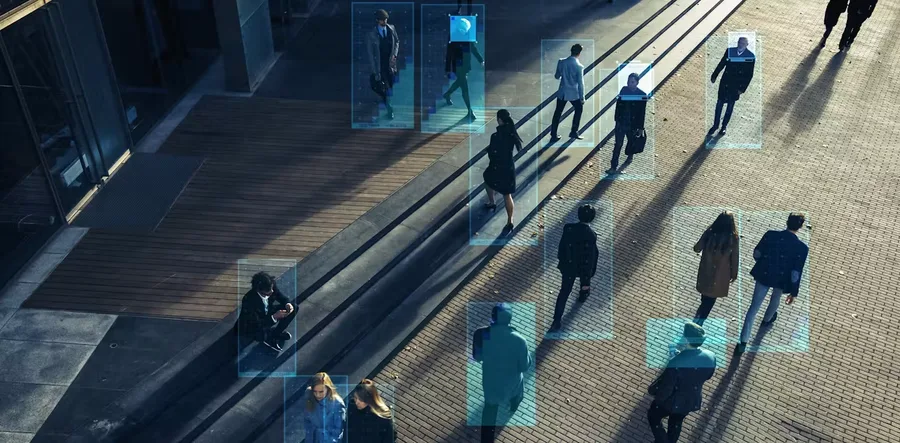
CCTV is a popular form of digital evidence but it can be unreliable and problematic.

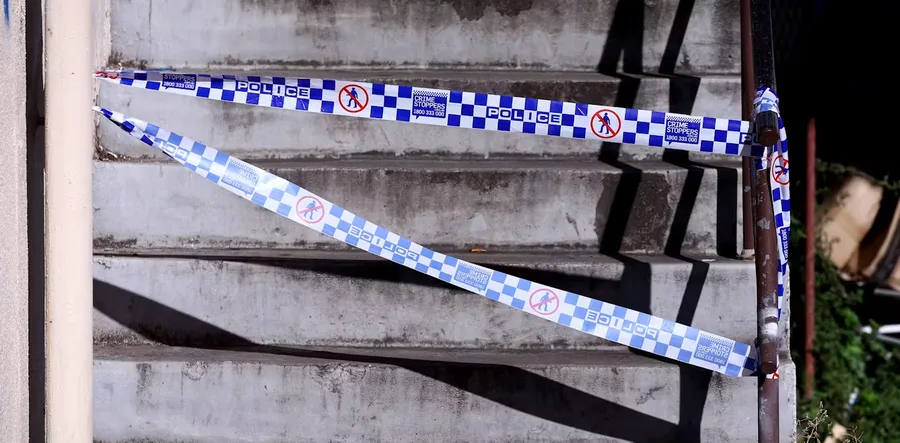
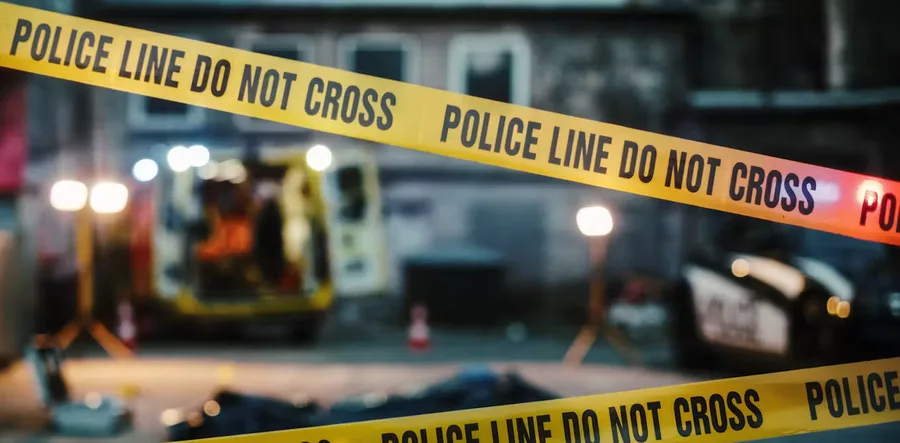
If you’ve only ever seen crime scenes on TV shows, the reality will likely surprise you.

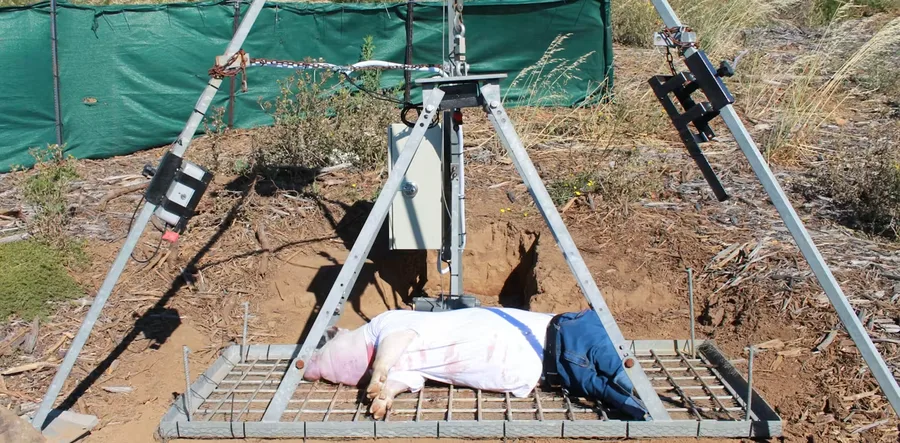
Pigs, specifically those weighing around 60kg, are useful in human decomposition studies.

We can predict hair and eye colour with reasonable accuracy from DNA, but other characteristics are being investigated.

Using robots to simulate stabbings can enhance forensic accuracy – and the pursuit of justice.

New innovations in understanding how a dead body breaks down can be scaled globally.


Borrowed from geology, subsurface imaging may help us solve crimes – if we know how best to use the tools.

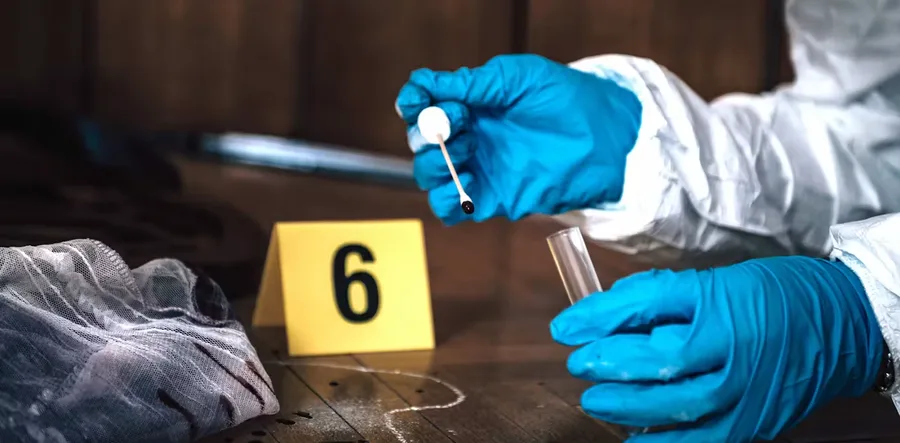
A uniquely identifying population of bacteria can survive on clothes for months after a person wears them.

Fatal stabbings are the leading cause of homicide in countries with restricted access to firearms, including Australia. New research could help solve these cases.

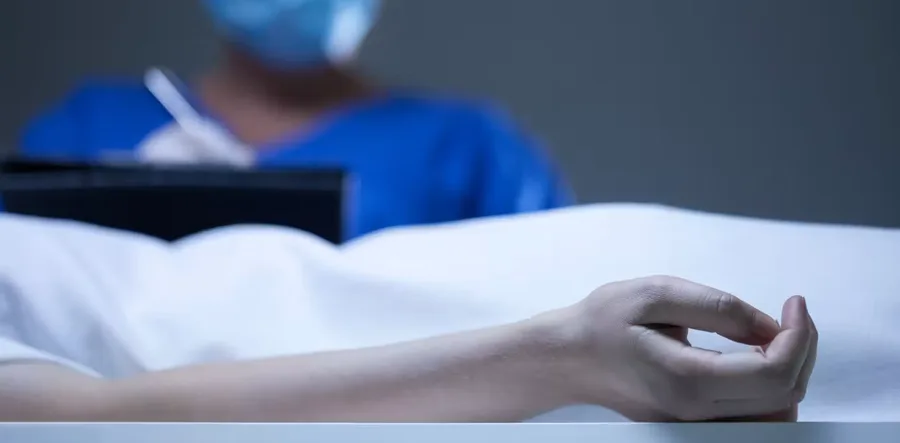
Through each step of the autopsy process, the dignity and respect of the deceased is prioritised by all involved.

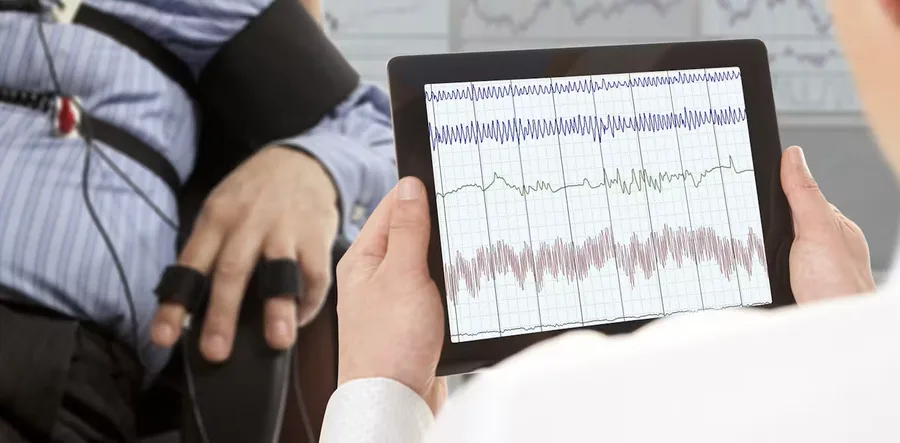
Most methods for detecting lies actually detect signs of stress – which makes them extremely unreliable.

The meanings we carry around in our heads seem so natural and inborn that we fail to realise other people can have quite different understandings.

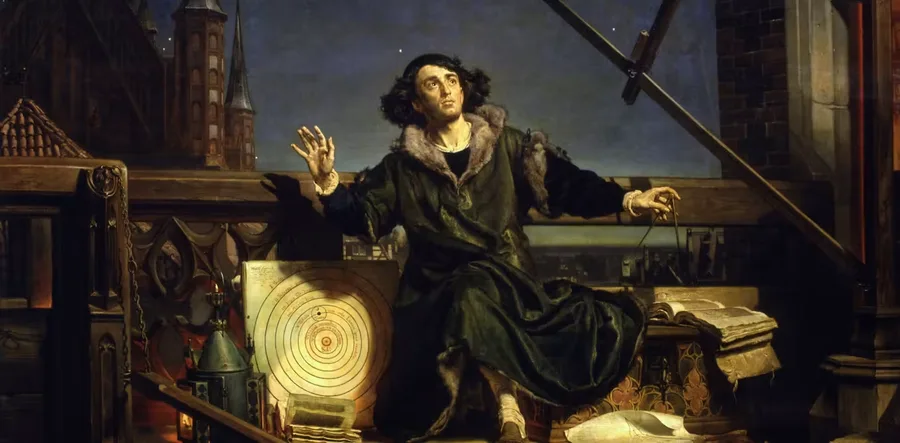
A team of archaeologists discovered the remains of the 16th-century father of modern astronomy, who demonstrated that the Earth orbits the Sun.

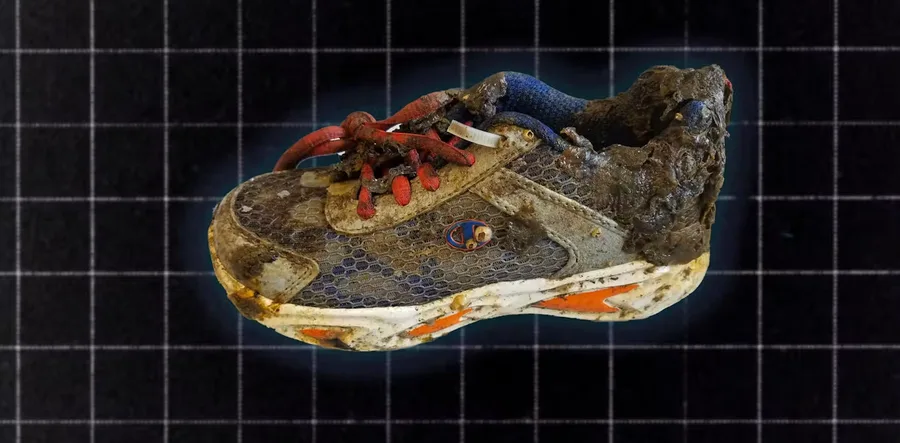
When human remains are found underwater, forensics needs a different approach. To understand what happens at sea, we need to study it.

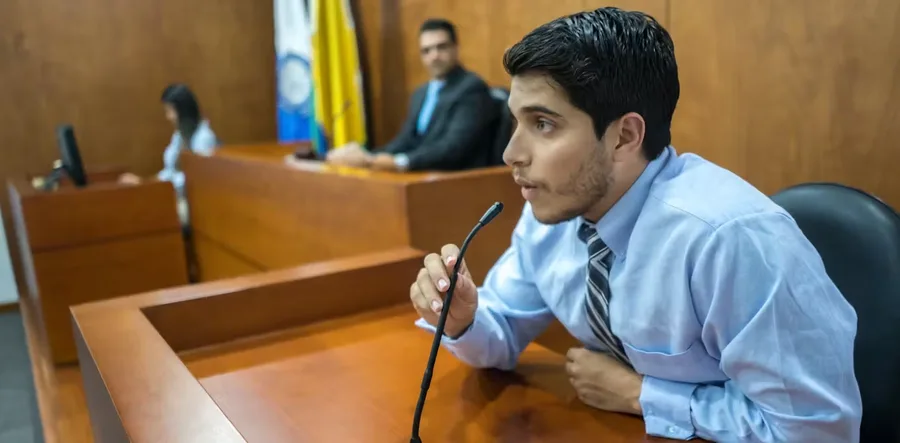
Educating mock jurors about what kinds of statements are appropriate − or not − led to more critical assessments of forensic testimony and improved the quality of their decisions.

research.ioSign up to keep scrolling
Create your feed subscriptions, save articles, keep scrolling.