Geology – The Conversation


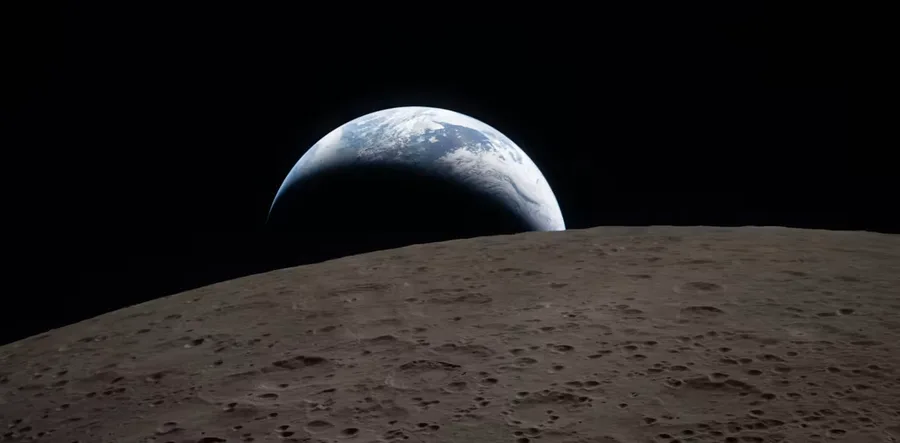
From geology training on Mushuau Innu First Nation territory in Labrador, to a new NASA Science Evaluation Room, Gordon Osinski takes us behind the scenes of Artemis II.

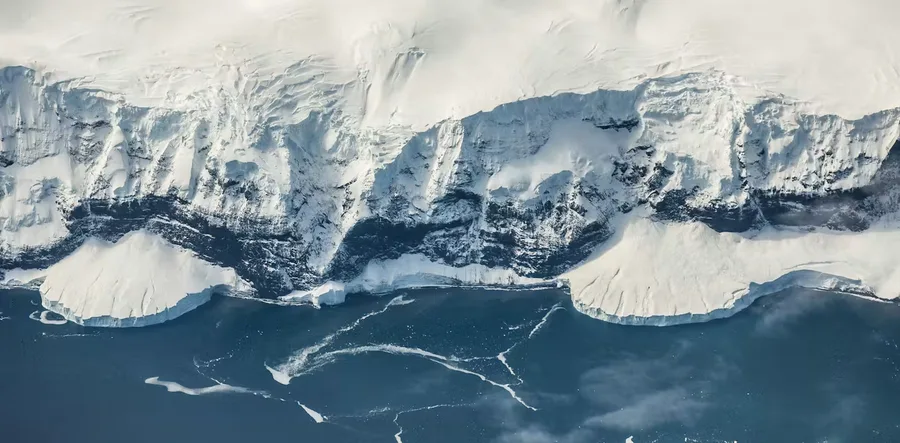
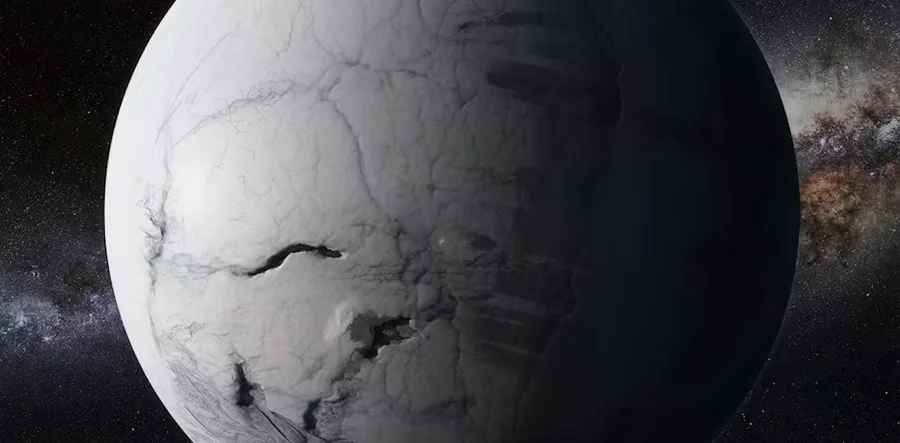
New solutions to two interlinked mysteries reveal how and why the Antarctic’s enormous ice sheet formed.

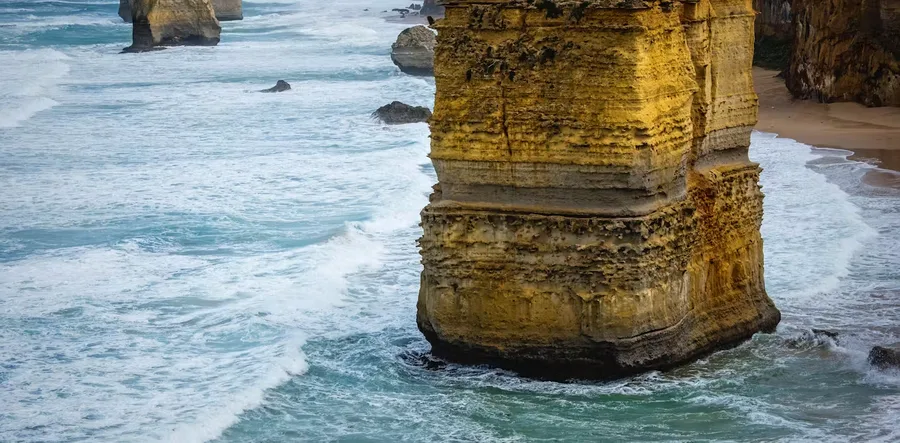
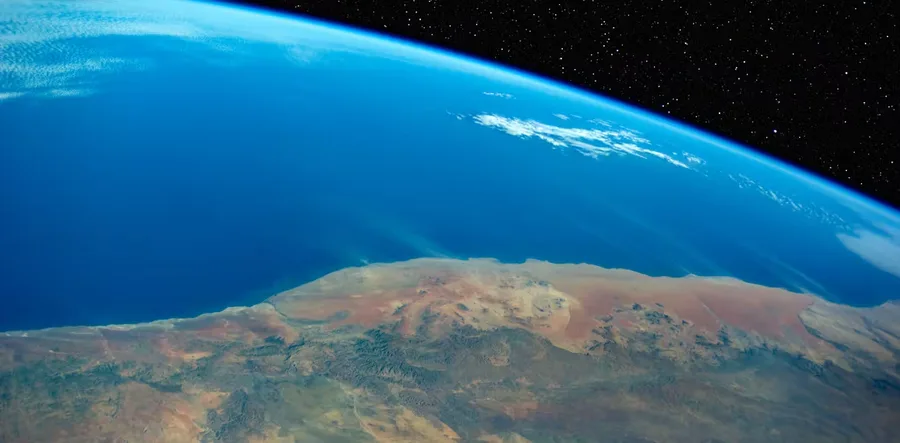
Australia’s iconic towering limestone stacks hold a detailed archive of millions of years of climate history.

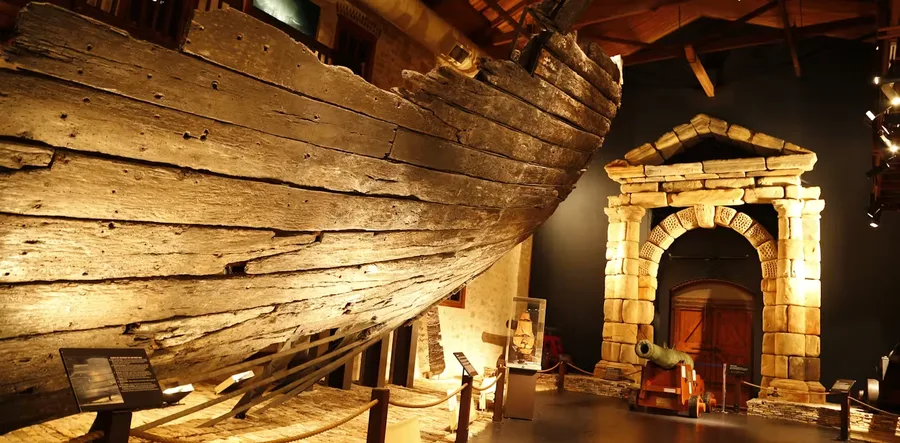
Nearly four centuries after the Batavia wrecked, a new study about its precious cargo shows that stories can indeed be written in stone.


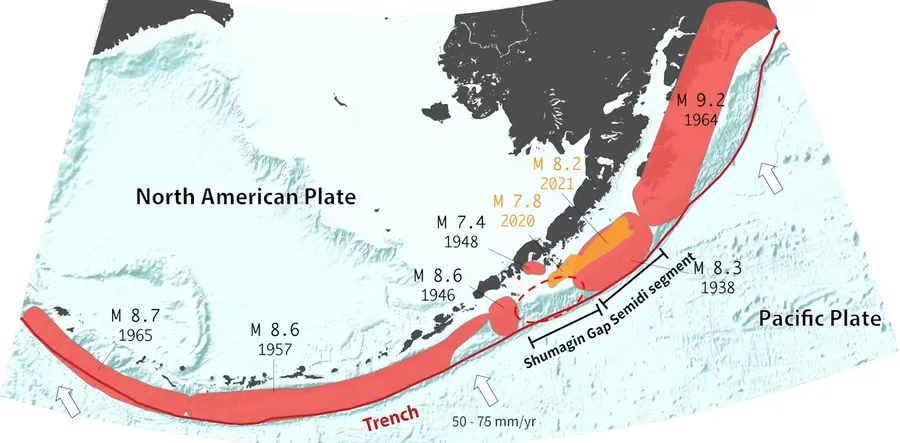
Understanding why some faults creep rather than sticking and causing massive earthquakes is important for gauging the future risk of both earthquakes and tsunamis.

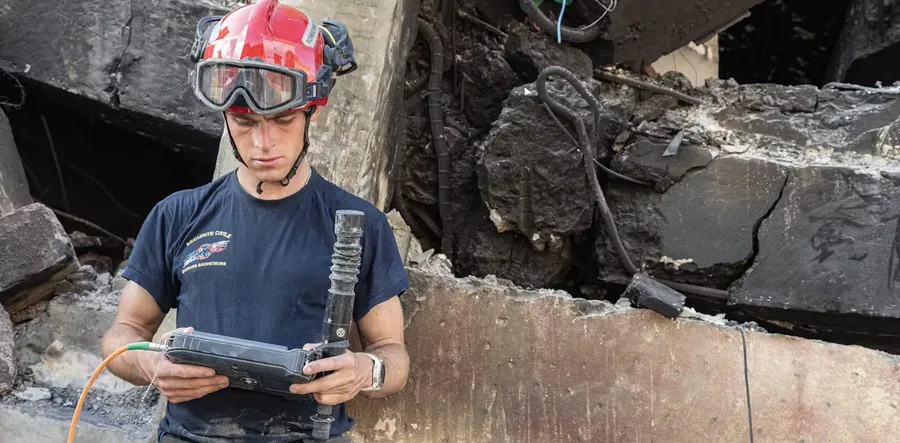
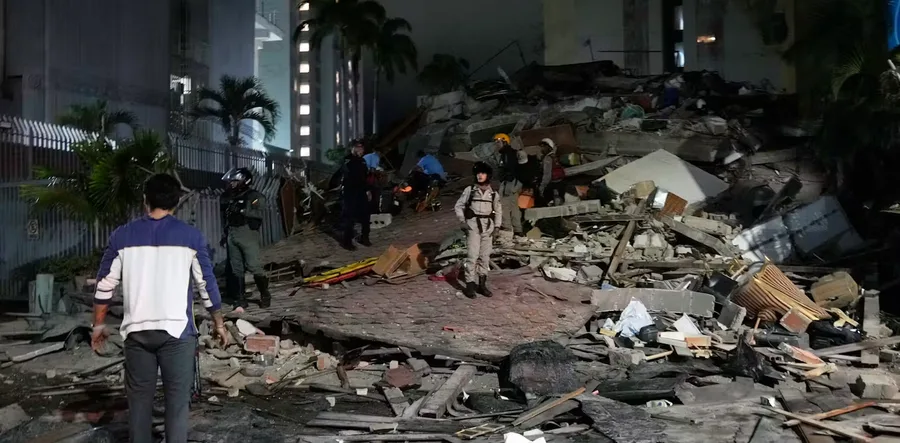
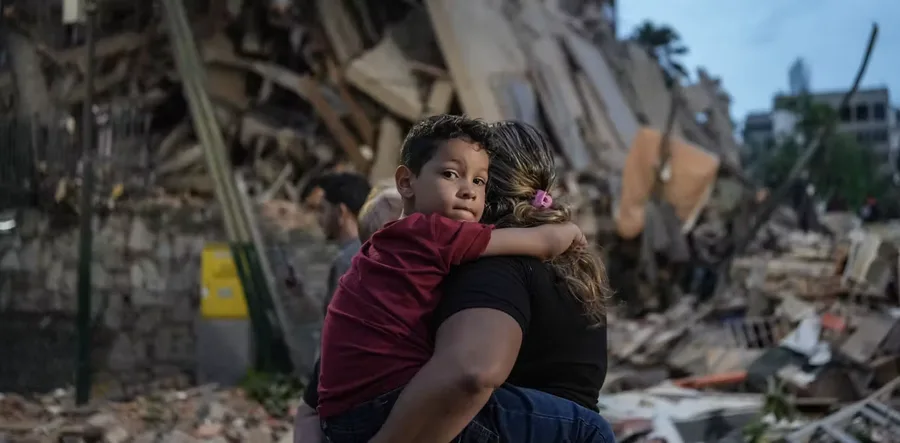
The two deadly earthquakes happened just 39 seconds apart, but were seismologically distinct.

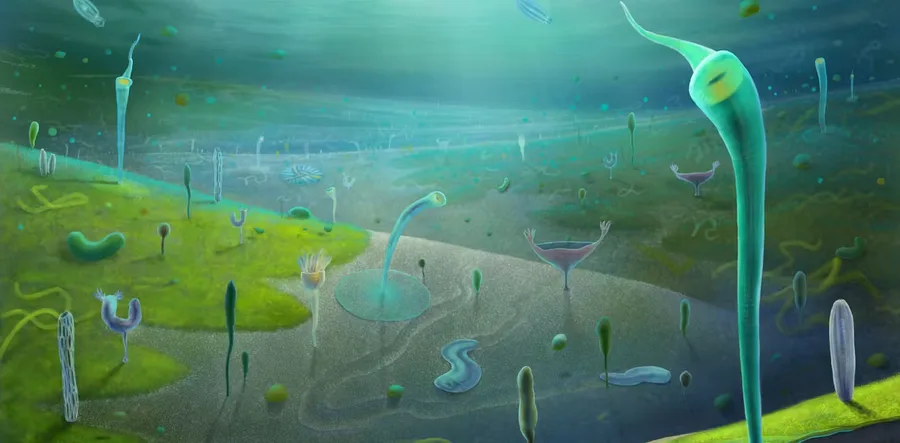
Did Earth’s major diversification event really happen in one sudden explosion? Our fossil discovery suggests not.

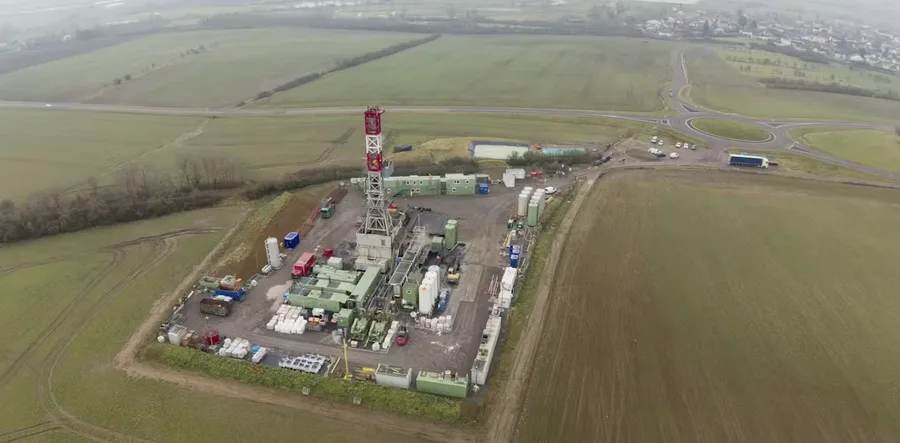
Hydrogen demand around the world is projected to grow significantly by 2050. Some of that supply could come from nature itself.

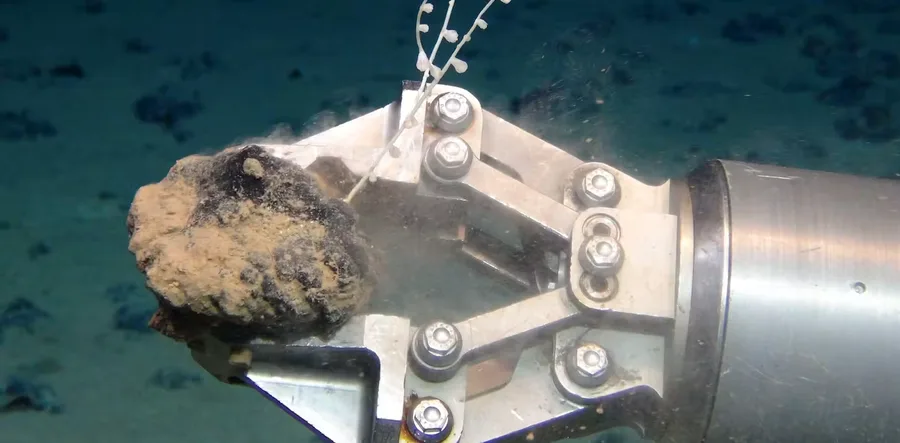
Critical minerals are found in several forms in the ocean, from potato-size nodules to brine pools. They are also in some of the least understood parts of our planet.

Thoreau’s work as a pioneering physical scientist is almost invisible in popular culture, according to a geologist and Thoreau historian.

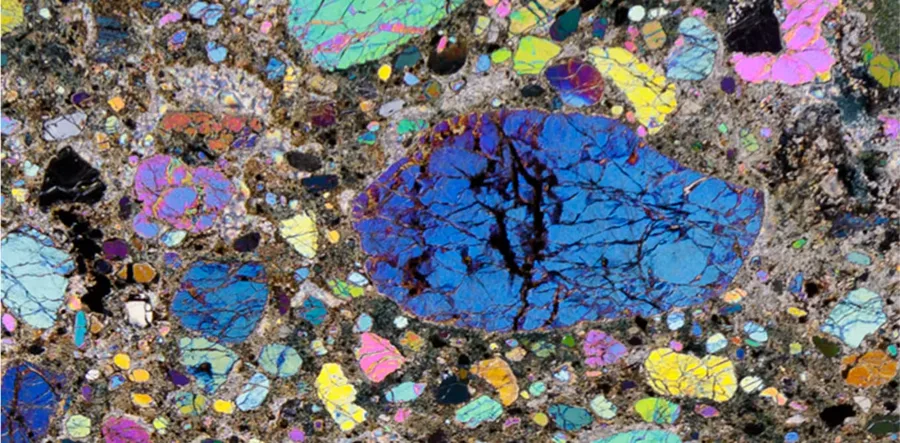
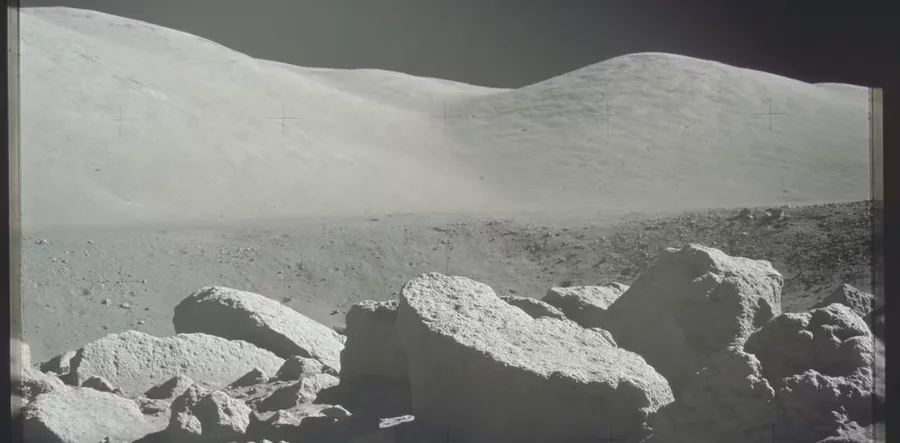
A chemical signature in a lunar rock offers new insights into what early oxygen conditions were like on the Moon.

Understanding what happened in these forests 56 million years ago may help humanity recognize similar thresholds before we cross them again, the lead author of a new study writes.

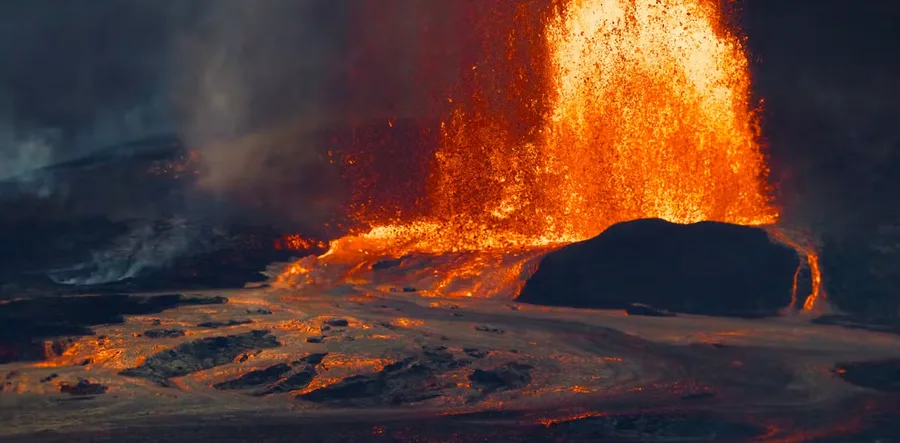
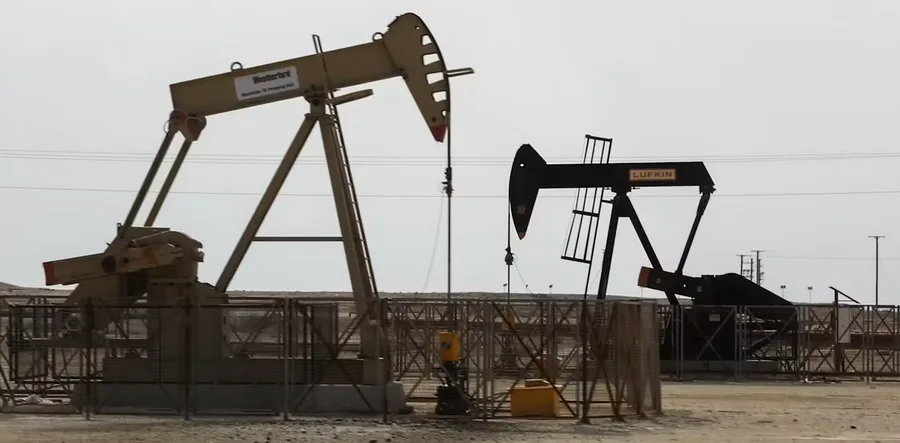
For sheer abundance and ease of production of oil and natural gas, it simply doesn’t get any better than the Persian Gulf region.

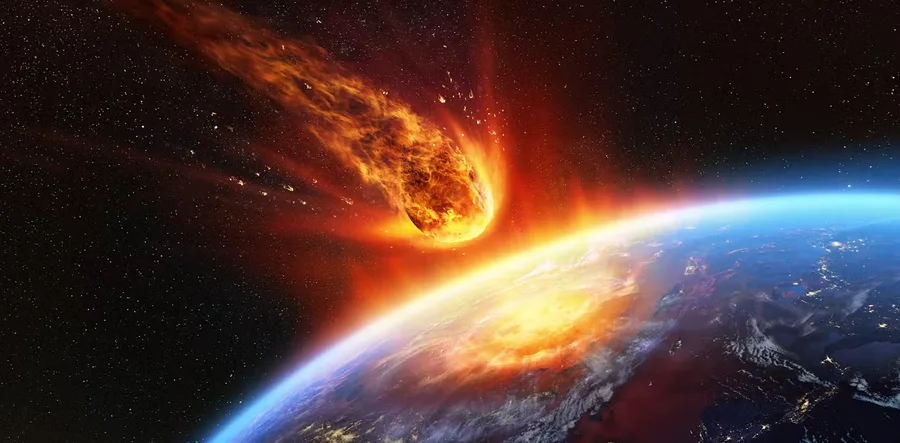
The oldest known impact structure on Earth has been confirmed in outback Australia.

Both faults are along plate boundaries that move in similar ways and have ruptured in enormously destructive earthquakes in the past.

500 million years of fossils reveal how ‘escape routes’ along coastlines can decide who survives climate change.

research.ioSign up to keep scrolling
Create your feed subscriptions, save articles, keep scrolling.