A few minutes of sprinting may reshape the bloodstream far more dramatically than a much longer moderate workout. Six 30-second sprints altered nearly a quarter of the blood proteins measured and more than 200 metabolites, while 90 minutes of moderate cycling produced far smaller immediate changes. Many of the proteins affected by sprinting were also associated with lower risks of obesity, type 2…
A long-term brain study found that common risks such as smoking, high blood pressure, heart disease, and high blood lipids were strongly linked to damage associated with vascular dementia. The findings suggest that healthier lifestyle choices could help delay dementia by reducing several harmful brain changes at once.
A massive genetic study has identified nine new genes linked to hyperemesis gravidarum, the most severe form of pregnancy sickness, bringing the total number of known risk genes to ten. The discoveries provide fresh insight into why some women experience debilitating nausea and vomiting during pregnancy while others do not. Several of the newly identified genes are involved in appetite, nausea, m…
Scientists at the University of Illinois Chicago have turned an unlikely source into a potential new weapon against cancer: bacteria that naturally live inside tumors. They developed a peptide called aurB, inspired by a bacterial protein, that infiltrates cancer cells and effectively cuts off their energy supply by targeting the mitochondria—the cells’ power plants.
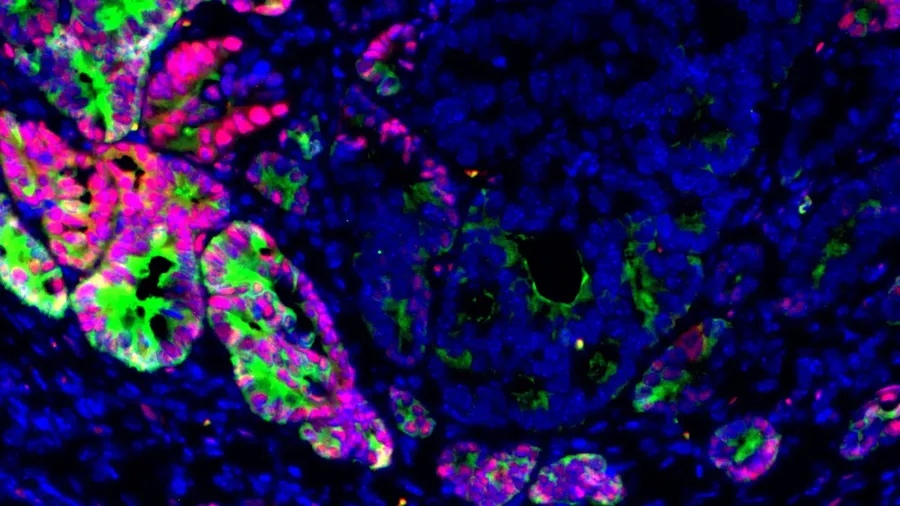
Scientists have identified a molecular switch that may help explain how colorectal cancer becomes deadly. When levels of a gene-regulating factor called GATA6 drop, cancer cells can shed their normal identity and transform into highly adaptable, fetal-like cells capable of spreading through the bloodstream and establishing new tumors in the liver. The study suggests that this dangerous transition…
Scientists at UCLA discovered a surprising reason aging muscles heal more slowly. In older muscle stem cells, a protein called NDRG1 builds up and acts like a brake, slowing the cells’ ability to jump into repair mode after injury. But there’s a twist: that same protein helps the cells survive the stresses of aging, allowing them to stick around longer.
Researchers have uncovered a molecular “switch” that helps explain why exercise keeps aging muscles healthy. By reducing levels of a gene called DEAF1, physical activity allows older muscles to clear out damage, repair themselves, and maintain strength.