Aortic aneurysm and dissection (AAD) are life-threatening vascular diseases associated with progressive aortic wall degeneration and a high risk of rupture. Despite advances in surgical and endovascular techniques, effective disease-modifying pharmacological therapies remain limited. Mitochondria are central regulators of cellular energy metabolism, redox homeostasis, and apoptosis, and their fun…
Thoracic aortopathy is influenced by angiotensin II (AngII) and exhibits regional heterogeneity with the ascending aorta being particularly susceptible. In this region, smooth muscle cells (SMCs) and selected fibroblasts originate from the second heart field (SHF) and cardiac neural crest (CNC). While our previous study revealed a critical role of SHF-derived cells in AngII-mediated aortopathy, t…
A healthy brain depends on healthy blood vessels. New research from Lund University suggests that this simple connection may be especially important for understanding why some people develop dementia. The study found that several risks people can potentially control were tied mainly to damage in the brain’s blood vessels rather than to the classic signs […] The post Dementia Risk May Start in You…
BackgroundEndothelial microvesicles (EMVs) carrying circular RNAs (circRNAs) have emerged as promising novel biomarkers of ageing-associated disorders. This study investigated the potential of plasma EMVs-circ_0006222 as vascular ageing (VA) and carotid atherosclerosis (CAS) biomarkers.MethodsA circRNA microarray was applied to screen for differentially expressed circRNAs in plasma EMVs obtained …
BACKGROUND: Vascular smooth muscle cells (VSMCs) play a central role in atherosclerosis by undergoing phenotypic modulation from a quiescent, contractile state to a range of synthetic phenotypes, including fibroblast-like, macrophage-like, and lipid-laden foam cell–like states. However, a comprehensive multimodal characterization and understanding of the transcriptional programs driving these tra…
In short, modern treatments for problematic veins are highly effective and minimally invasive.
- Minimally invasive options. Advanced technologies allow for quick treatment without hospitalization.
- Health over aesthetics. Removing damaged veins prevents serious future complications.
- Quick recovery time. Patients typically return to normal activities immediately afterward.
Considering varicose…
Decreased activity of a specific signaling pathway in the brain vessels of aging mice and humans was linked to a decline in vascular function and subsequent neurodegeneration, according to a recent Northwestern Medicine study published in the Journal of Clinical Investigation. The post Study Discovers Novel Biomarker for Vascular Aging and Neurodegeneration appeared first on News Center .
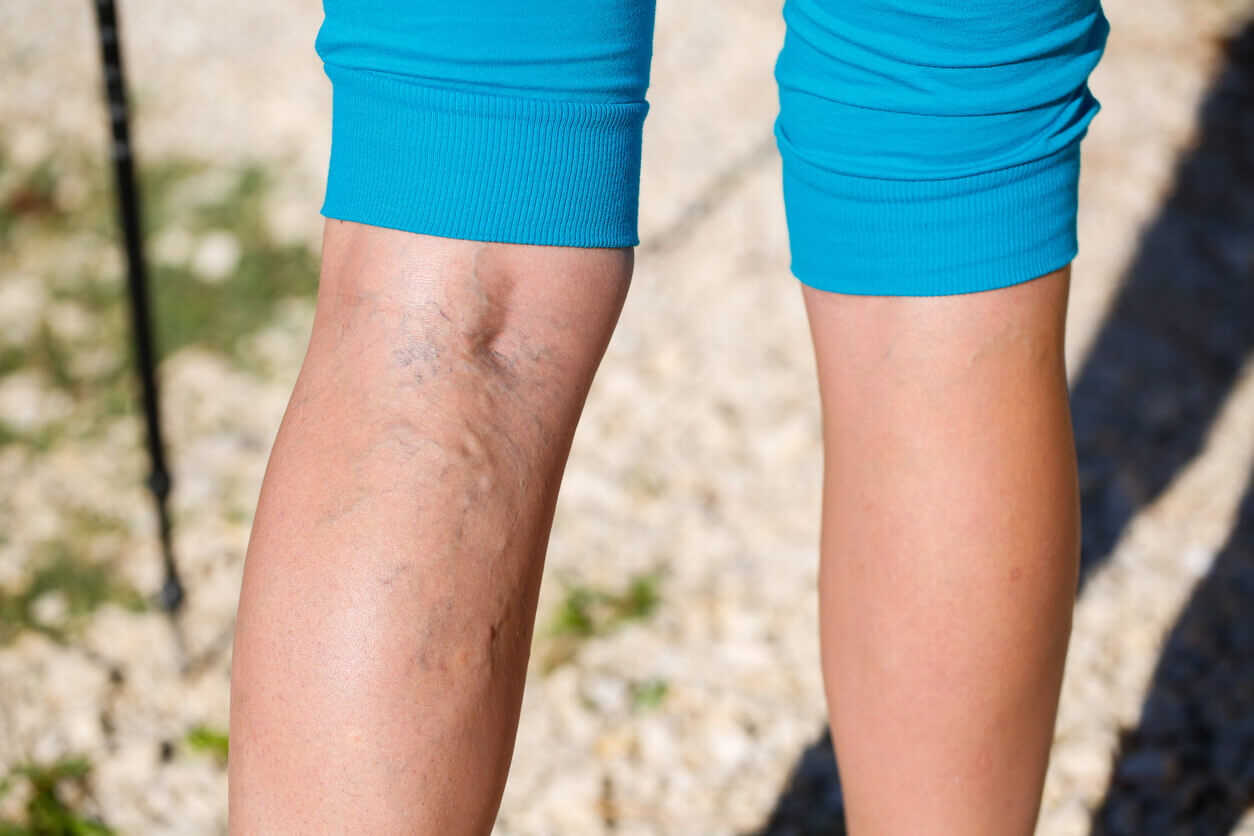
Vein disease is always talked about based on the symptoms, however, these medical conditions can have a significant impact on a person’s quality of life, too. Vein disease refers to conditions that affect the normal functioning of veins, typically in the legs. Some examples of vein diseases are spider veins, varicose veins, and deep vein


 research.io