satellite-technology

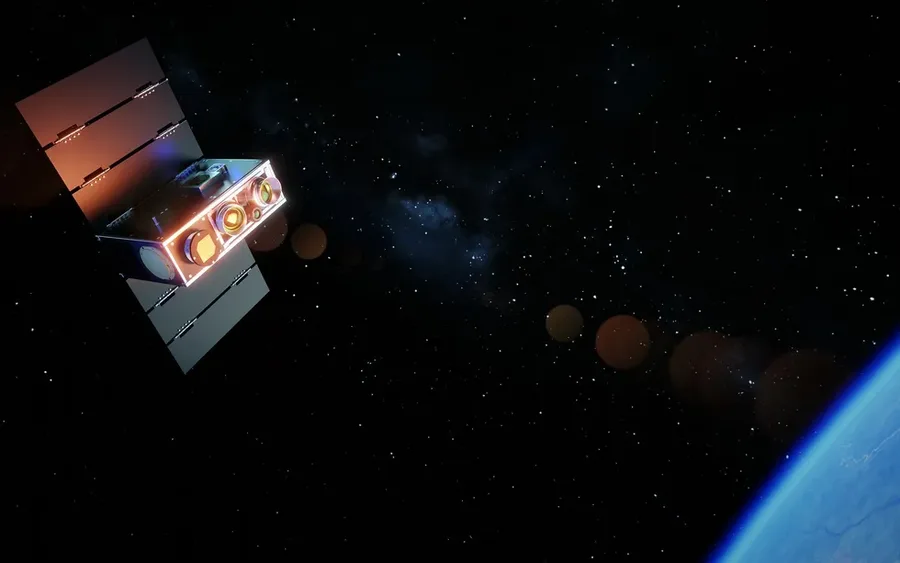
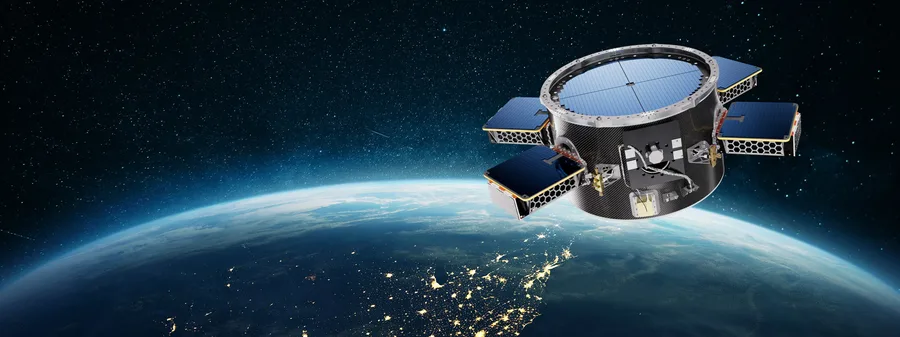
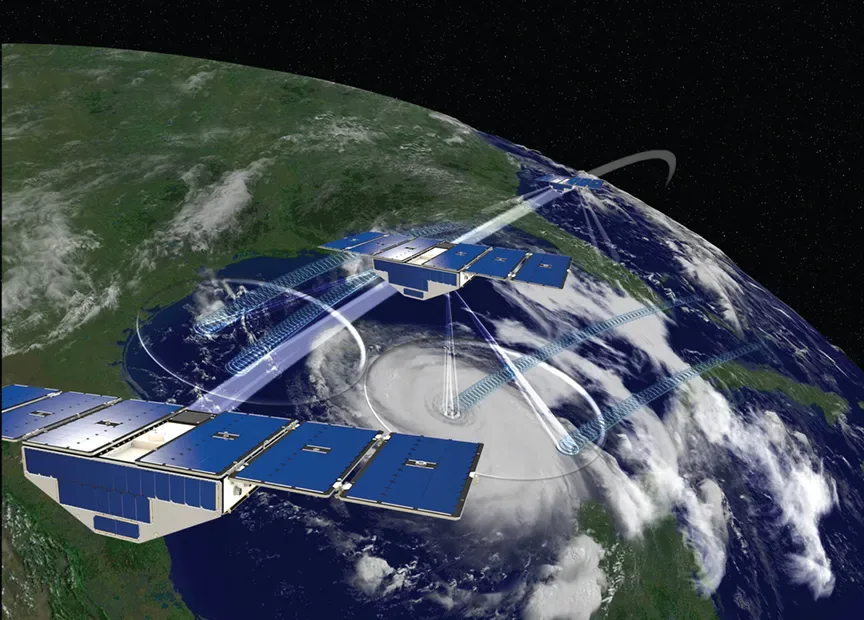
NASA’s Cyclone Global Navigation Satellite System (CYGNSS), which launched in 2016, is deorbiting on New Year’s Day. The technology will live on, commercialized by Muon Space, a Silicon Valley startup that grew out of a Stanford class project.   The satellites lack propulsion systems, so they have been steadily losing altitude since launch.  They would naturally deorbit sometime next year, burnin…

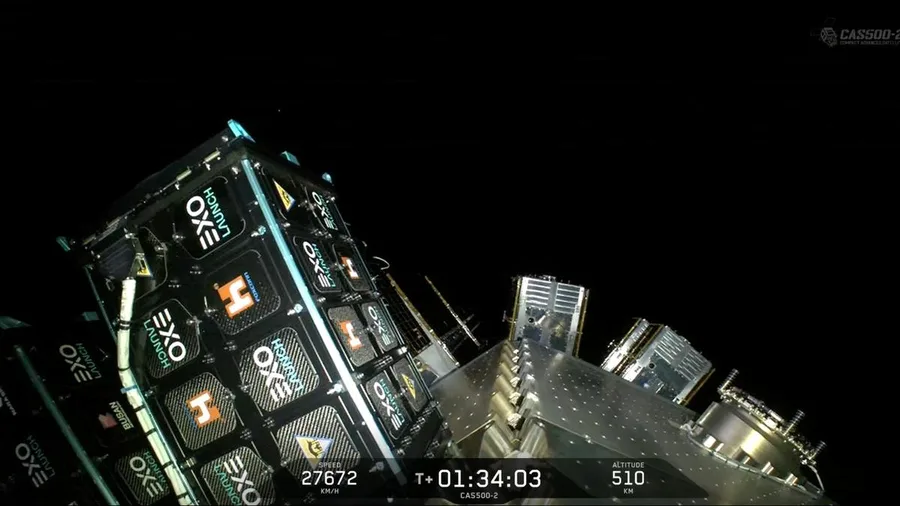
Rocket launches this week On Tuesday, July 7, at 3:10 a.m. EDT, SpaceX is targeting the launch of its Transporter 17 rideshare mission from Vandenberg Space Force Base in California. Flying on a Falcon 9 Block 5, the mission carries a mix of small satellites from multiple commercial and government customers under SpaceX’s dedicated smallsat Continue reading "Transporter-17, two debut flights, and…

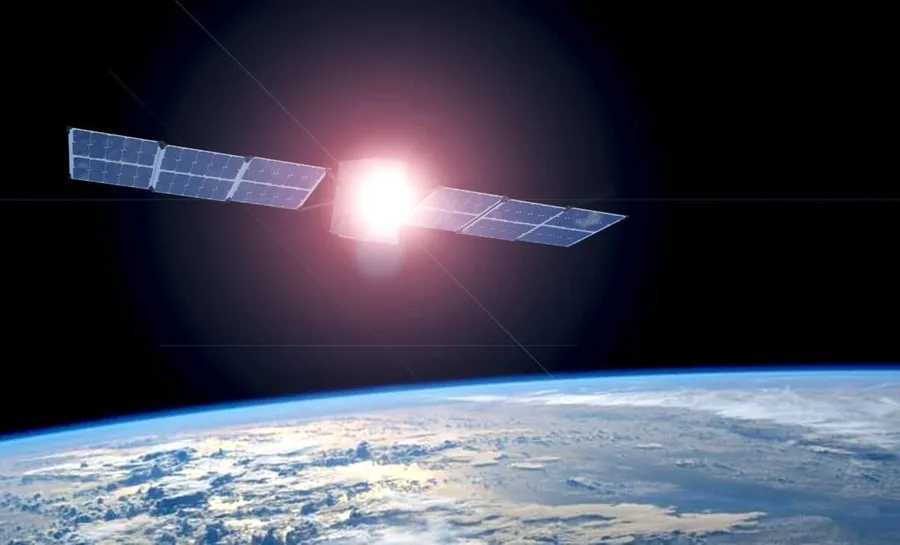
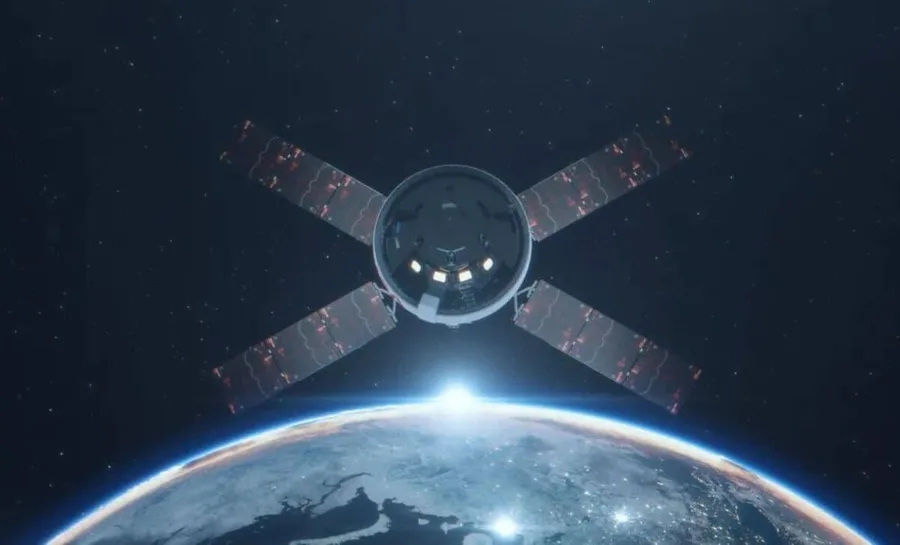
Britain is in talks to become one of the first countries to adopt Elon Musk's "Starshield" military satellite network in a landmark deal. The system, first developed for the US, is designed for military and intelligence missions with enhanced security features, while SpaceX's standard Starlink broadband service is aimed at consumer and commercial use. Sources close to the matter said the Ministry…

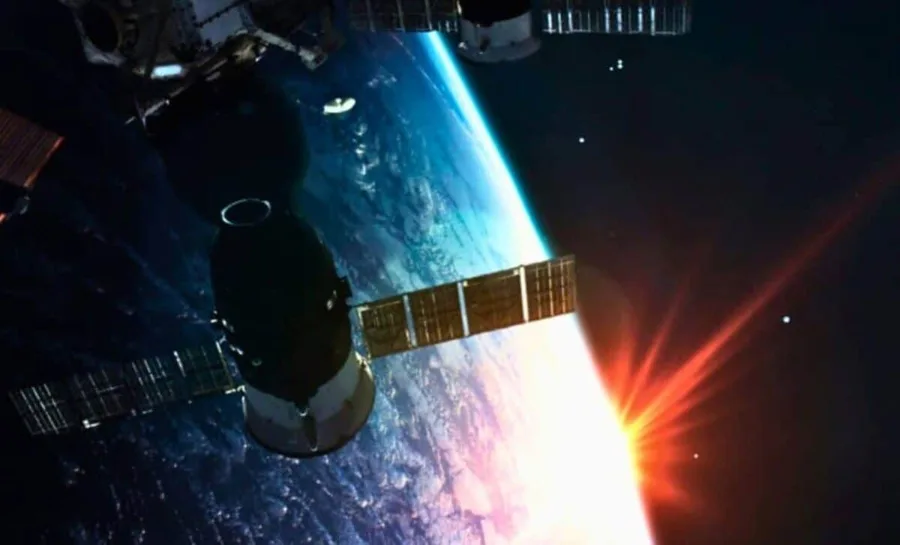
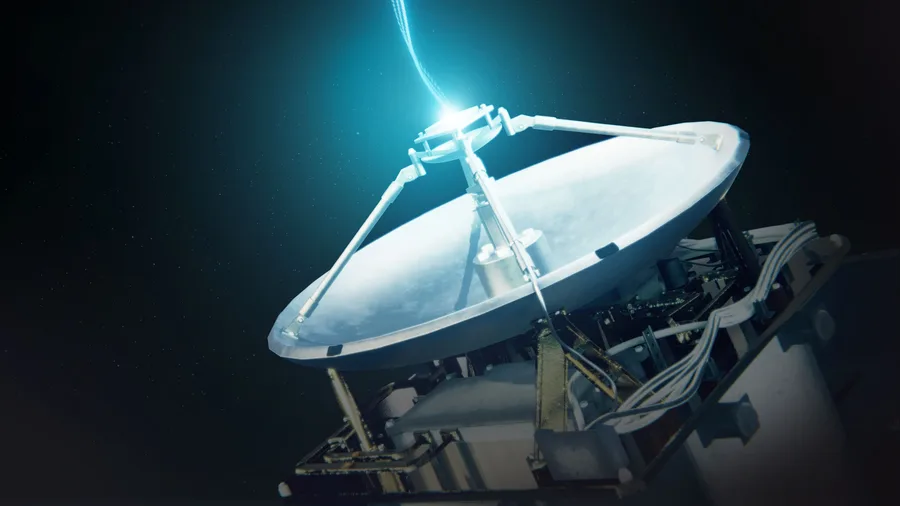
NASA’s Polylingual Experimental Terminal (PExT), designed to enable interoperability between satellite relay networks, has completed its planned technology demonstration. Given the primary mission’s success and the flexibility of the technology, NASA has extended operations to pursue new partnership opportunities and additional capability demonstrations. The terminal launched July 23, 2025, aboar…

Signal-in-Space Monitoring Accuracy (SISMA) is regarded as a key indicator for the integrity monitoring of the BeiDou Navigation Satellite System (BDS-3). It is used to evaluate the quality of broadcast ephemeris in real time. However, the conventional SISMA estimation method in the BDS-3 ground operation and control system is severely constrained by the deployment of ground monitoring stations, …

As thousands of new satellites continue launching into orbit, scientists say a major bottleneck is no longer in space—it is on the ground. Researchers at University of California San Diego have developed a new type of satellite ground station that could dramatically improve how data is received from satellites while making the system cheaper and […] The post New rooftop antenna system could repla…

Mark Thompson (https://www.universetoday.com/authors/mark)
4/28/2026

Researchers at the Institute of Science Tokyo have developed an origami inspired foldable antenna for CubeSat satellites that weighs just 64 grams yet in orbit, it deploys to two and a half times its stowed size. The antenna folds away neatly for launch and deploys automatically in space, achieving high gain communications performance from a package small enough to fit in your pocket and could on…

research.ioresearch.io

Sign up to keep scrolling

Create your feed subscriptions, save articles, keep scrolling.

Already have an account?