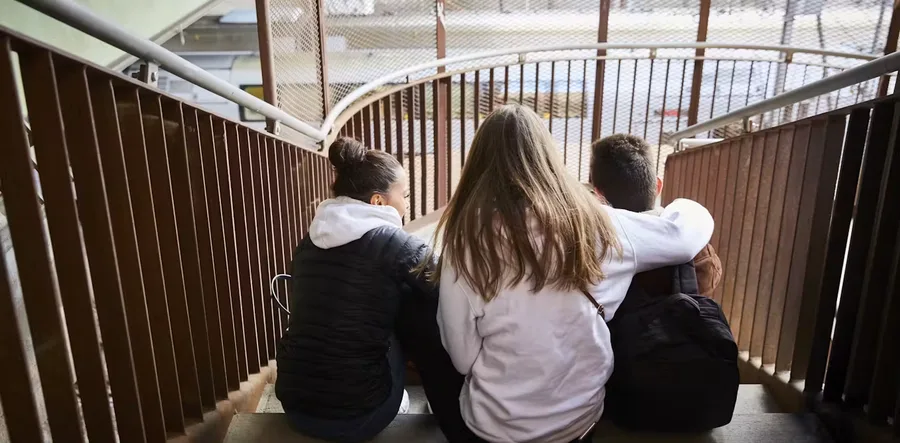
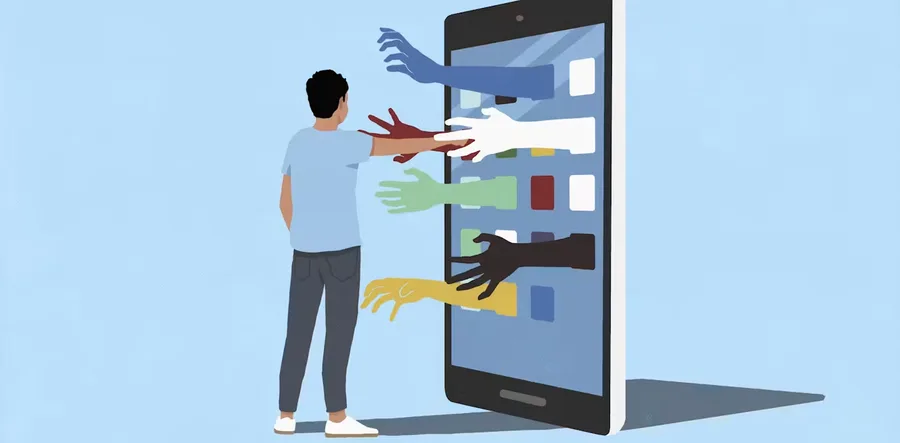
Having larger in-person networks appeared to protect young people against developing severe depression symptoms. But large online networks had the opposite effect.
Karen Stollznow·...·University of Colorado Boulder; Griffith University
5d ago
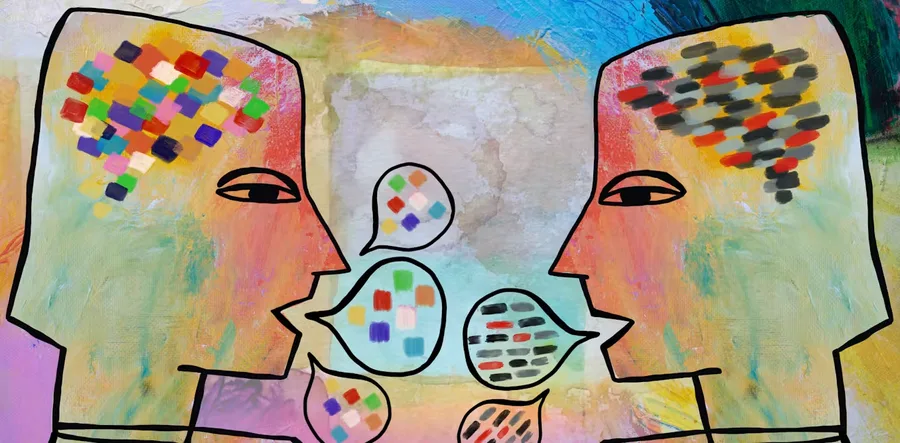
Spoonerisms can be silly and make you laugh. But linguists see something more: a rare glimpse of how the mind plans speech before we even open our mouths.
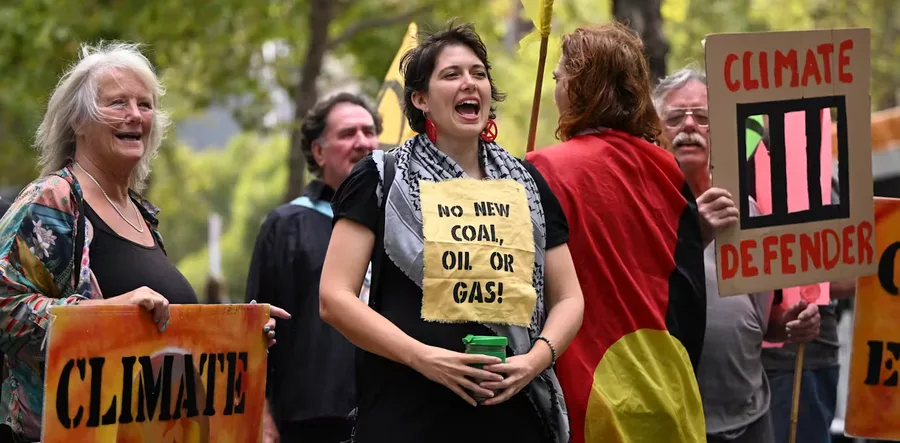
New research shows experiences of adversity are linked with stronger perceptions of injustice – and a greater tendency to believe in conspiracy theories.
Whether students feel pressure to get good grades or keep up with classmates, the anxiety this effort produces can have long-term effects on their brains.
Do you hear ‘psychotherapy’ and imagine lying on a couch, talking about dreams? Here’s where that image comes from – and why it might be time for an update.
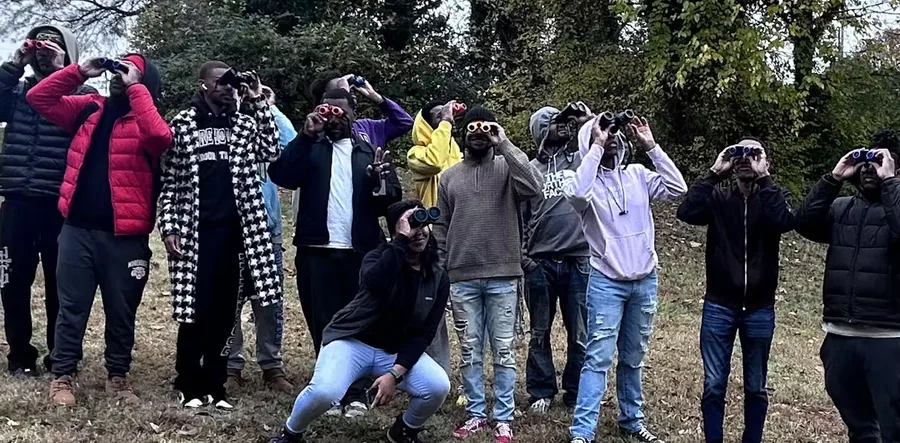
With social media communities and naturalist apps, birding is easier to get into than ever. A psychologist explains why it may also be just what the doctor ordered.
A psychologist explains why dark political humor doesn’t prove young people are nihilistic, but rather reveals what happens when moral seriousness no longer feels credible.
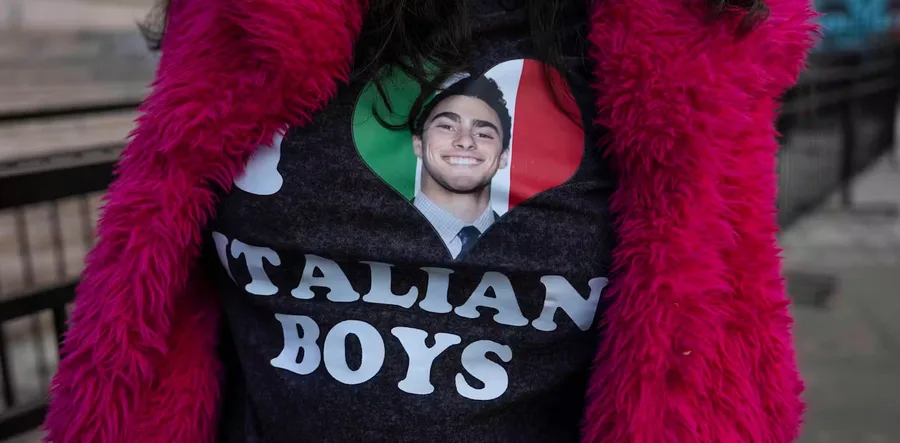
A psychologist explains why the dark humor around Mangione’s case isn’t evidence of nihilism but of what happens when demands for moral seriousness stop feeling credible.
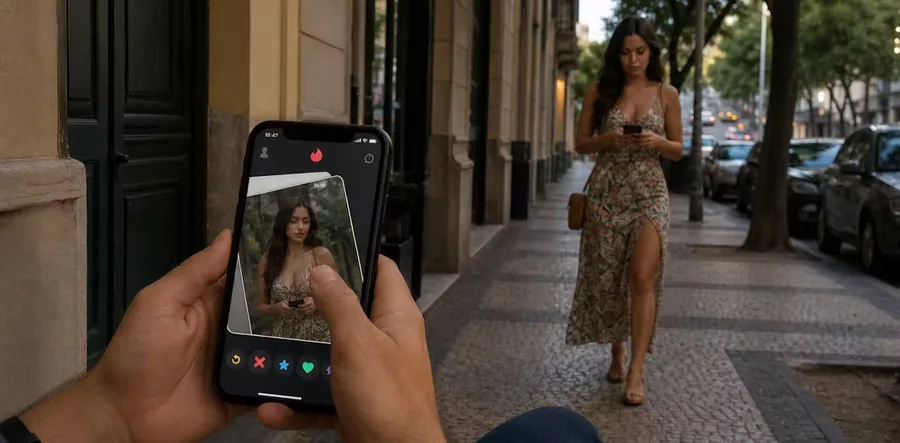
The promise of dating apps like Tinder was to make it easier to meet people, but the results have included more casual sexual encounters, greater difficulty finding stable relationships and an even more competitive dating scene.






 research.io