Scientists aren’t always right, and new evidence can always emerge to disprove a theory. Still, philosophy helps explain why there is good reason for us to trust science regardless.
Politics always influences what questions scientists ask. Their intertwined relationship becomes a problem when politics dictates what answers science is allowed to find.
Unrealistic, outdated ideas that idealize science can set the public up to distrust scientists and the research process. A philosopher of science describes 3 aspects of how science really gets done.
An intellectually humble person may have strong commitments to various beliefs − but balanced with an openness to the likelihood that others, too, may have valuable insights, ideas and evidence.
Figuring out whether de-extinction is possible is as much a technical puzzle as a philosophical one. Add two kinds of DNA to the mix, and it gets even more complex.
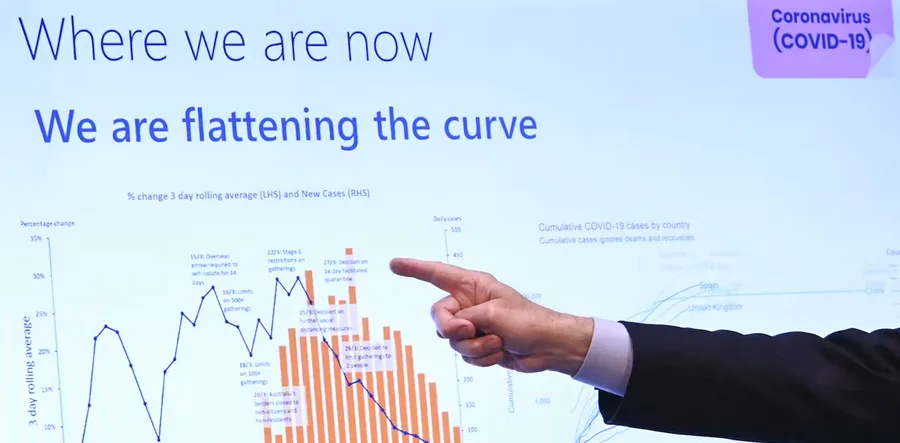
If expert advice on the pandemic turns out to be wrong, it will have dire consequences for how reliable scientific evidence is treated in other policy areas, such as climate change.
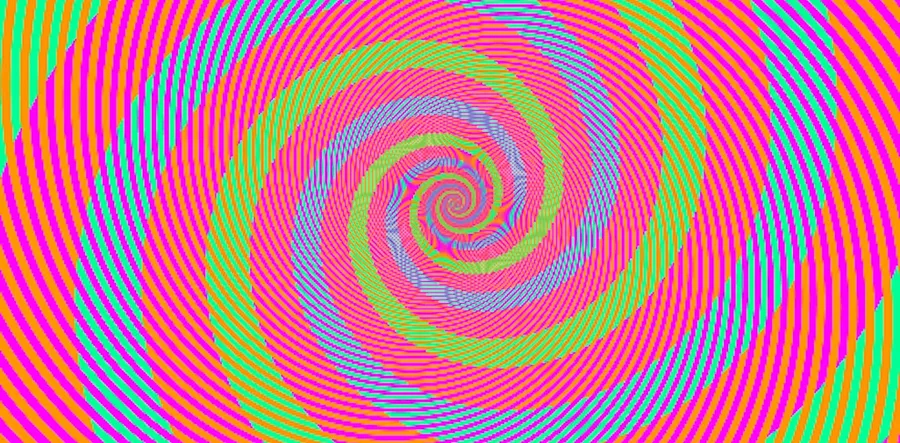
An object’s color appears differently under different lighting and against different backgrounds − for different viewers. But that doesn’t mean colors are subjective.
Scientists need to be good at asking questions, investigating the world to find answers, and keeping in mind that no matter how much they know, there’s always more to learn.
While some worry “wokeist” ideology could corrupt scientific merit, it could be our problematic understanding of the latter poses an even greater threat to science, two philosophers argue.
‘Reality, including ourselves, is nothing but a thin and fragile veil’: a new interpretation of quantum physics says objects have no independent existence.
Stephen Francis Mann·...·Max Planck Institute for Evolutionary Anthropology
3d ago
Some scientists believe the ‘free energy principle’ can explain the behaviour of all living things – but others say it paints the world with too broad a brush to be useful.

















 research.io