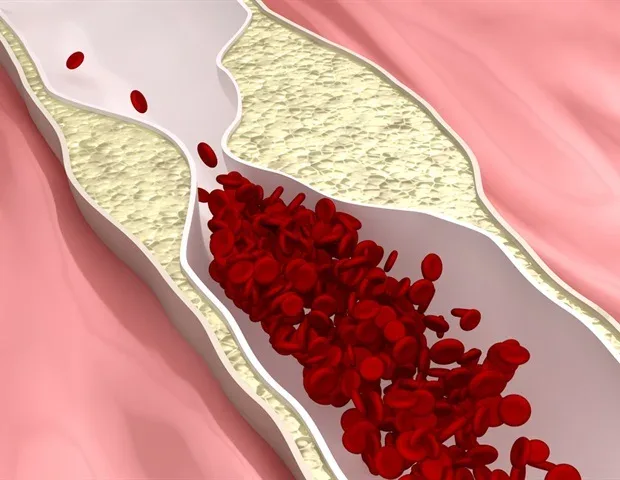
Glycoprotein VI, or GPVI for short, is a surface receptor found exclusively on platelets and their precursor cells, megakaryocytes in the bone marrow. GPVI is primarily responsible for binding collagen at the site of an injured blood vessel, which triggers the activation and aggregation of platelets.
TL;DR: Varicose vein removal is recommended when conservative treatments such as compression stockings and lifestyle changes fail to provide relief, when complications including venous ulcers or recurrent blood clots develop, or when symptoms significantly reduce quality of life. Varicose vein removal is not always the first answer — but it becomes the right one when
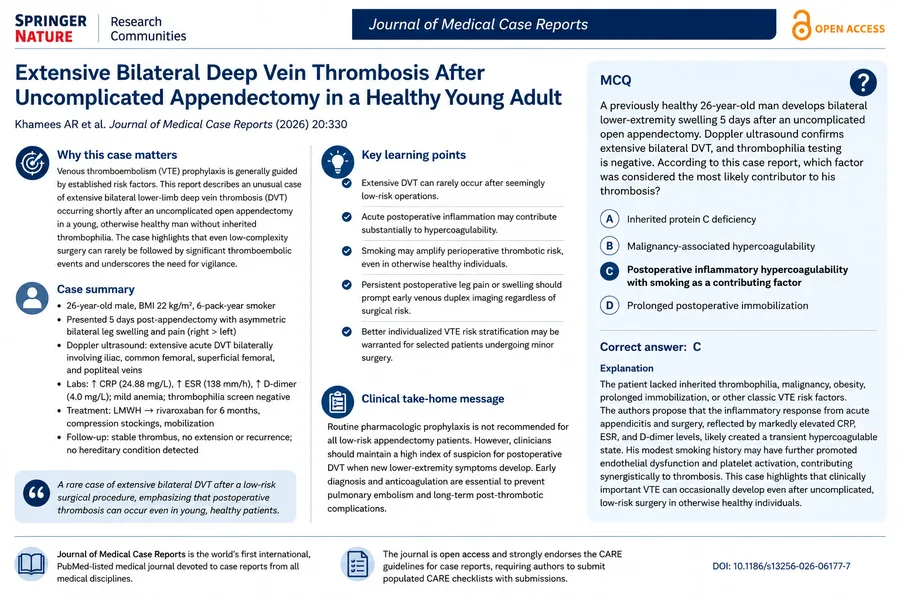
A healthy 26-year-old man developed extensive bilateral deep vein thrombosis just days after an uncomplicated open appendectomy, challenging assumptions that minor surgery carries negligible thromboembolic risk.
A procedure designed to reopen blocked veins successfully reduced pain, swelling and disability in people with post-thrombotic syndrome — a common and often debilitating complication of deep vein thrombosis — according to results of a clinical trial published in The New England Journal of Medicine. The post Stents Can Ease Symptoms of Post-Thrombotic Syndrome appeared first on News Center .
A study by researchers at Baylor College of Medicine and collaborating institutions reveals a previously unrecognized way blood vessels can protect themselves from damage and slow the development of atherosclerosis. The findings, published in the Proceedings of the National Academy of Sciences, have implications for both vascular precision medicine and the safety of certain emerging cancer treatm…
REVA Medical, LLC today announced primary endpoint results from the MOTIV BTK randomized pivotal clinical trial evaluating the MOTIV(r) sirolimus-eluting bioresorbable vascular scaffold in patients with critical limb-threatening ischemia (CLTI).
Botox is widely known as a cosmetic treatment used to reduce wrinkles. However, scientists are now discovering that it may also have an important medical use. A new study suggests that Botox injections could help treat serious and painful conditions caused by poor blood flow to the fingers. When blood does not flow properly to […] The post Botox can be surprising treatment for poor blood flow in …
In short,
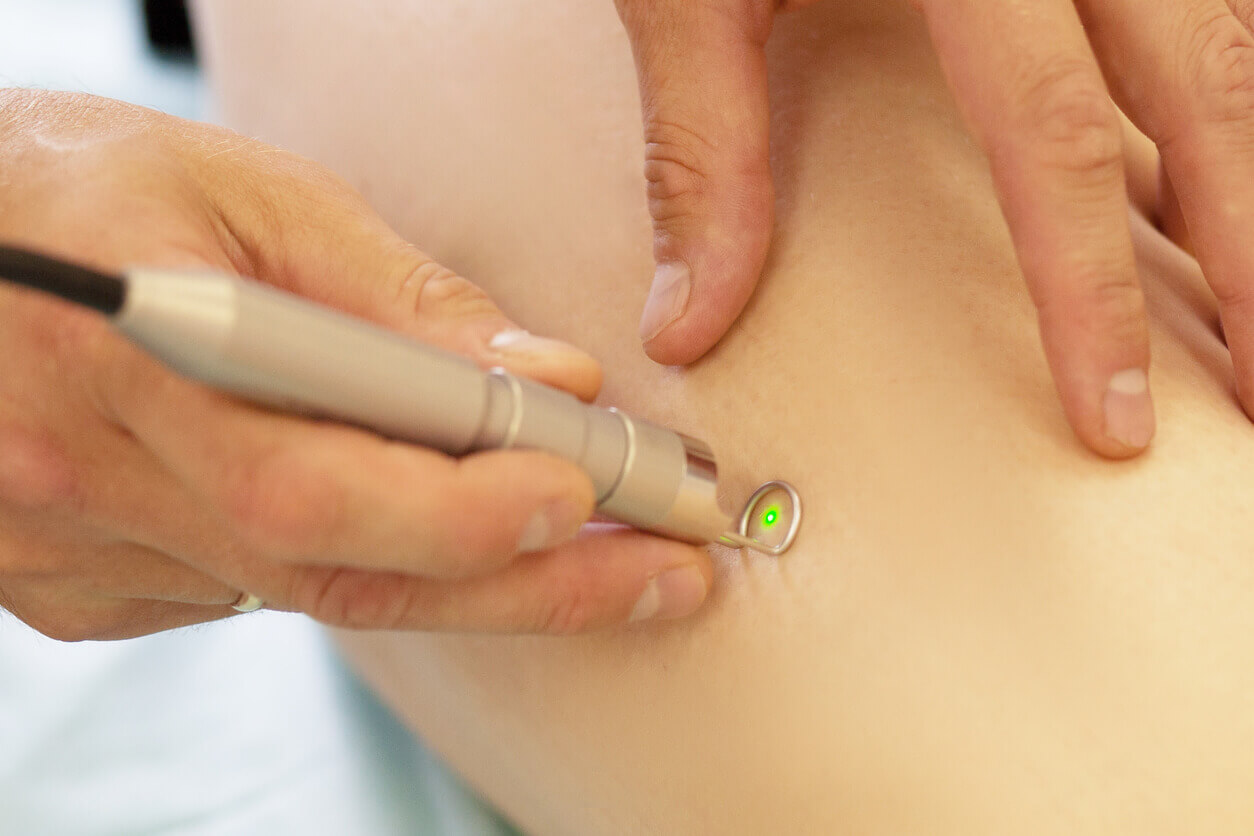
- Modern varicose vein removal uses minimally invasive procedures with minimal downtime.
- Treatment options include endovenous ablation, sclerotherapy, and microphlebectomy.
- Advanced techniques provide better outcomes with less discomfort than traditional surgery.
Understanding Varicose Veins and Modern Treatment Approaches
Varicose vein removal has evolved significantly over the pas…
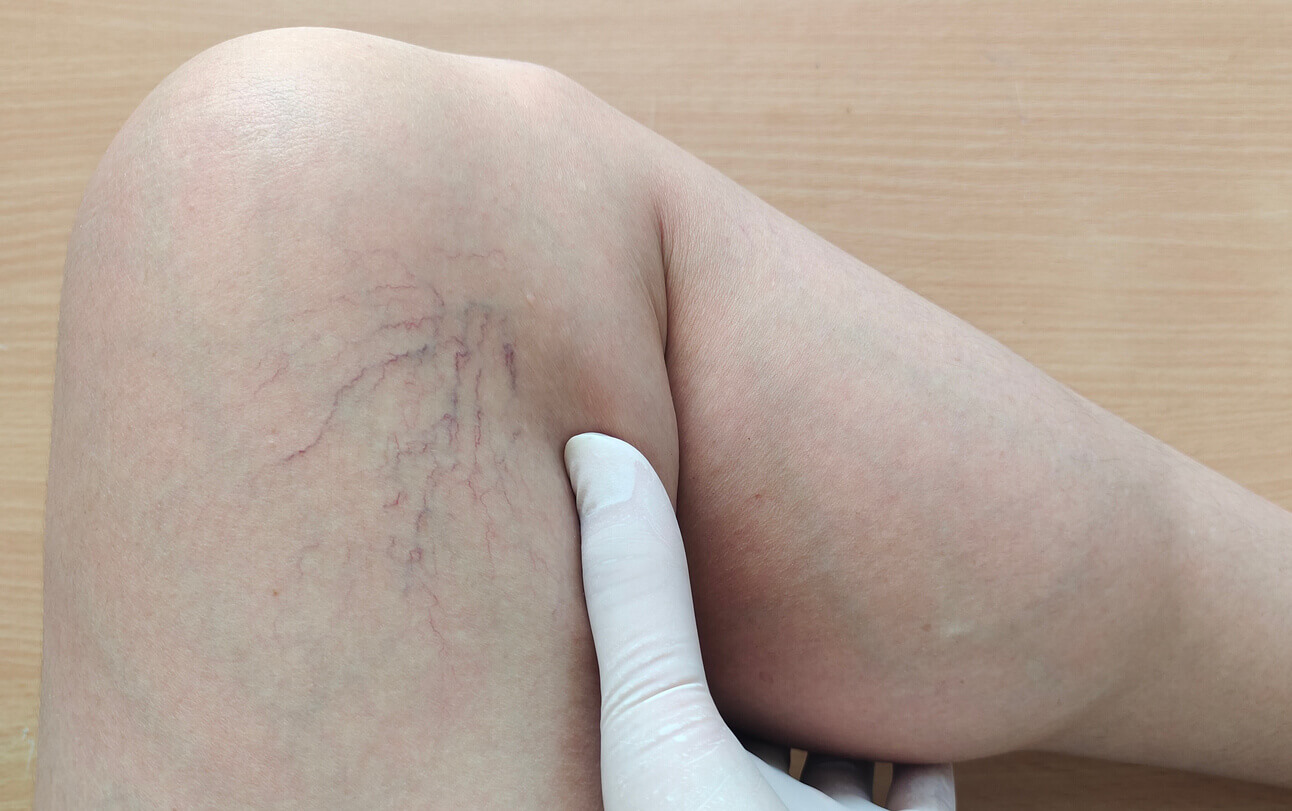
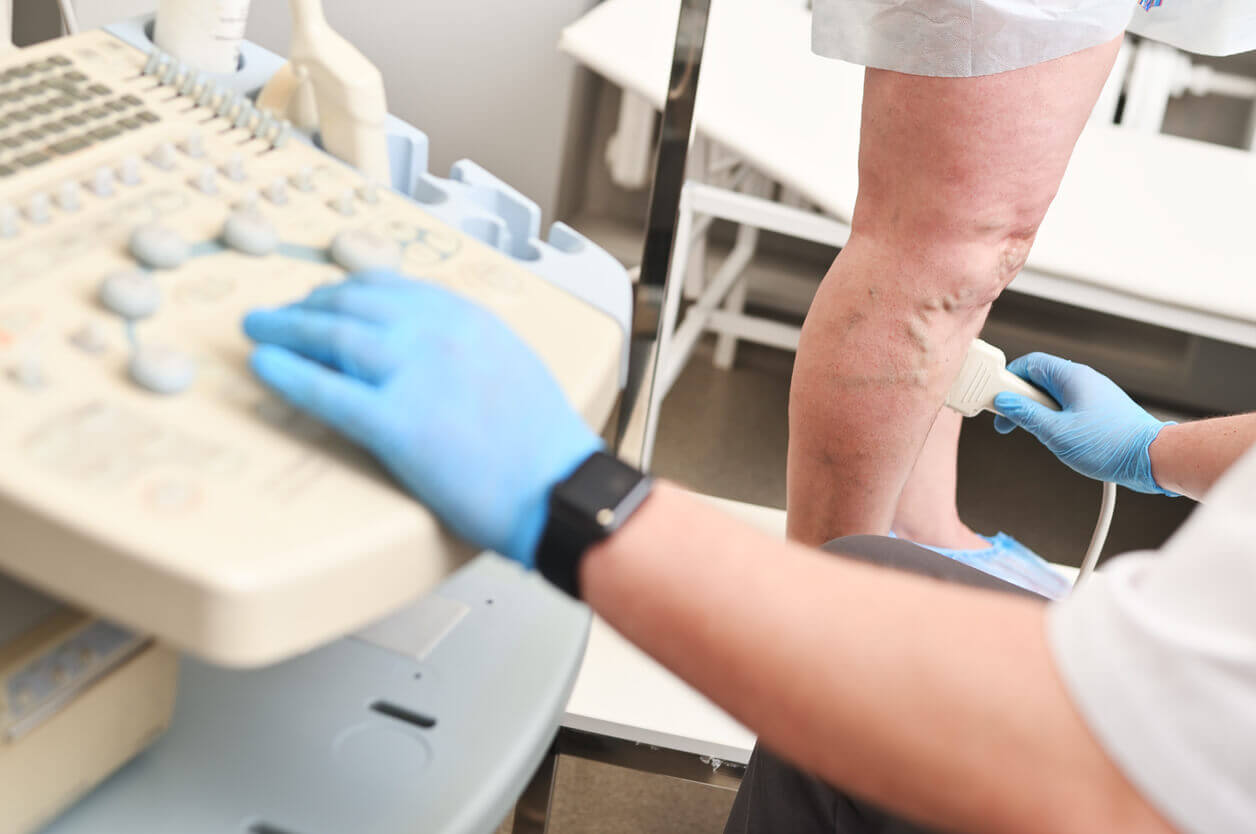
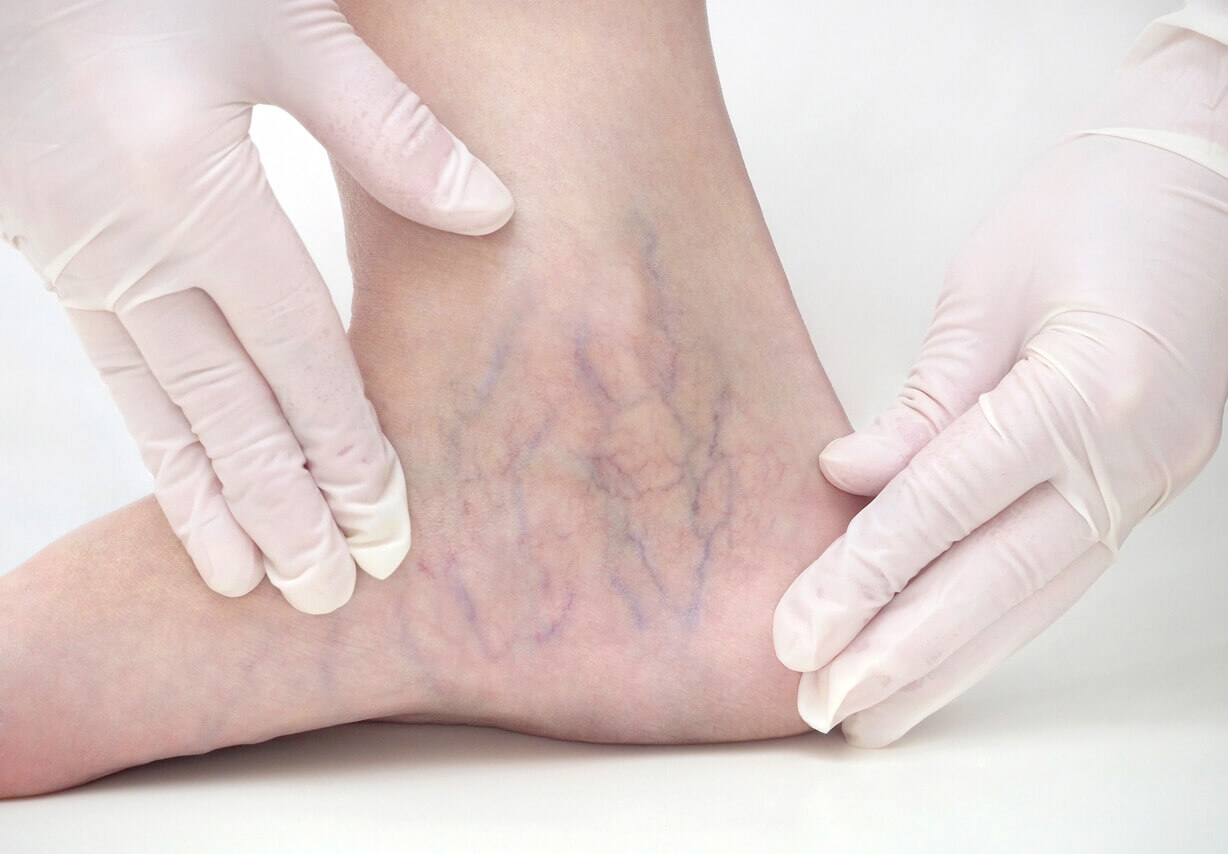
Varicose veins can be more than just a cosmetic issue. These swollen, twisted veins can cause discomfort, indicate underlying vascular issues, and, if ignored, lead to serious complications.
But how do you know when it is time to seek varicose vein treatment? Understanding the signs, risks, and treatment options is the first step toward improving both your comfort and overall vascular health.
Thi…
Hypersensitivity to cold often underestimated as subjective symptom, say researchers Hypersensitivity to the cold, especially ice cold feet, as well as a feeling of heaviness in the legs, are linked to the presence of varicose veins, finds a large study published in the open access journal Open Heart. Cold hypersensitivity is often underestimated as a subjective ...
Vein diseases are diseases that affect the veins. These blood vessels play a crucial role in the circulatory system by carrying blood back to the heart from various parts of the body. They contain valves that prevent the backward flow of blood, ensuring it moves in one direction toward the heart. However, issues with the
Telmisartan, an angiotensin receptor blocker drug, did not improve walking performance in patients with lower extremity peripheral artery disease, according to a recent clinical trial published in JAMA. The post Evaluating Treatment Options for Peripheral Artery Disease appeared first on News Center .








 research.io