
taxonomy

The number of new species of Ecuadorian Magnolia Linnaeus (1753: 535) continues to increase as exploration of the Andes progresses. Currently, 24 species of Magnolia are recorded for Ecuador (Vázquez-García et al. 2012, 2013, 2015a, 2015b, 2016, 2017, 2018, Arroyo et al. 2013a, 2013b, 2019, Pérez et al. 2016, 2023), which belong to M. sect. Splendentes Dandy in Vázquez (1994: 4) and Talauma Baill…

During a survey of wood-decaying fungi in the subalpine forests of Southwest China, distinctive corticioid specimens were collected from fallen Abies trunks. Based on a combination of morphological characteristics and multigene phylogenetic analyses of the internal transcribed spacer (ITS) and nuclear large subunit (nLSU) sequences, these specimens were found to represent a highly distinct and st…

Leuctrid specimens were examined from a collection expedition conducted over 20 years ago by Dr. Wolfram Mey. Rhopalopsole luzonensis sp. nov., R. absentia sp. nov., and R. rotundus sp. nov. are described based on male specimens. Additionally, a distribution hypothesis, discussion of female specimens, and an updated checklist are briefly provided.

Biodiversity decline is transpiring at rates unimaginable, yet biodiversity monitoring is hampered by a plethora of factors, including the incomplete inventory of baseline diversity and the dwindling population of skilled taxonomists. Bridging this impediment in species inventory of "dark taxa", or hyperdiverse groups often understudied in taxonomy, is particularly crucial in the tropics facing i…

Myxomycetes (true slime molds) are amoebozoan protists involved in decomposition and nutrient cycling in terrestrial ecosystems. Recent molecular studies have led to major taxonomic revisions in Physaraceae, including the establishment of the genus Nannengaella for highly calcified species previously placed in Physarum. To refine the taxonomy and distribution of Nannengaella in China, we used an …

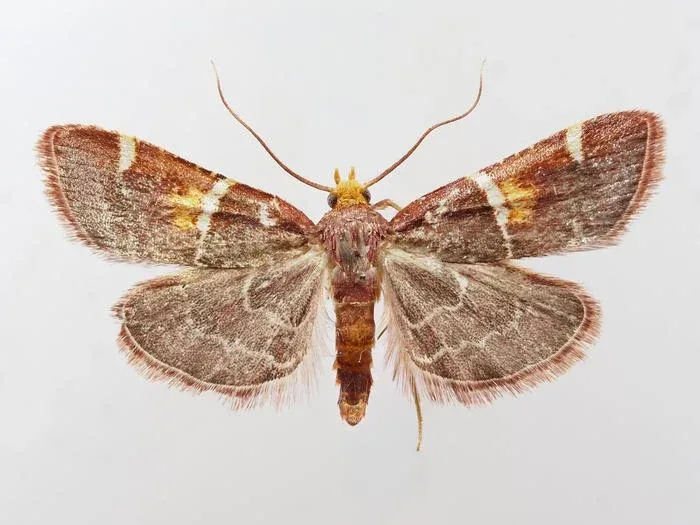
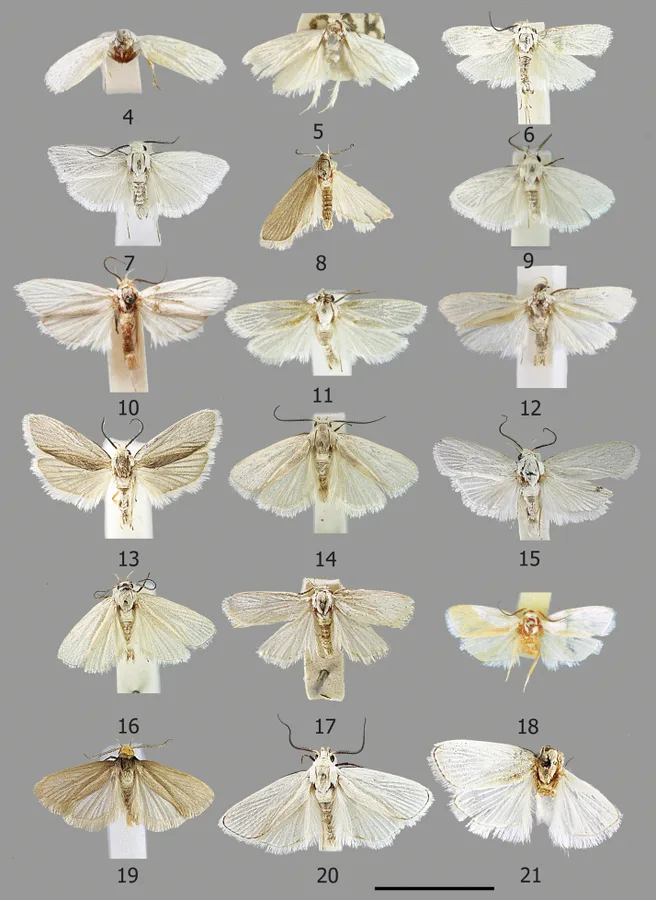
Somewhere in the naming of animals, science and theology have always made uneasy company. The Old Testament hands Adam his first job: go through every creature and give it a name. Taxonomy, in other words, is possibly the oldest human profession. Peter Huemer, a moth researcher at the Tyrolean State Museum in Innsbruck, seems to reckon it’s also one of the most urgent. His newest contribution to …

Researchers discovered that a poison frog species described decades ago was based on a mix-up involving the wrong museum specimen. The frog tied to the official species name turned out to be brown, not the colorful animal shown in the original photo. After tracing old records and images, scientists corrected the error and reclassified the frog as part of an already-known species. The case undersc…

Wildlife & Biodiversity - Juniper Publishers Abstract With the devaluing of the skills of morphological taxonomists misidentification of parasites appears to be increasing. In this paper examples from the acanthocephalan literature are reported. The need for morphological taxonomic expertise is emphasised including the importance of examining specimens. Keywords: Helminth misidentification; …

By the middle of the 20th century the museum-based classical zoologists were being looked down on. Their traditional pursuit of describing, naming and cataloguing species that were believed to be newly discovered, or of revising classifications and taxonomy of whole groups of animals, was—and indeed in Britain still is—most definitely out of fashion. The classical museum zoologists, with some not…

research.ioresearch.io

Sign up to keep scrolling

Create your feed subscriptions, save articles, keep scrolling.

Already have an account?