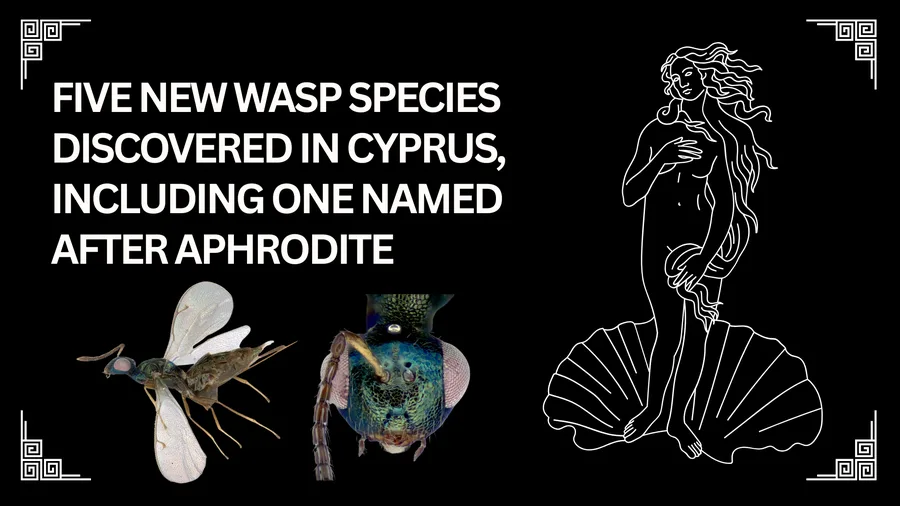
New research expands the knowledge on chalcid wasps in Cyprus, with five new species described from the island. One was named after the Greek goddess Aphrodite. The post Five New Wasp Species Discovered In Cyprus, Including One Named After Aphrodite first appeared on Blog .
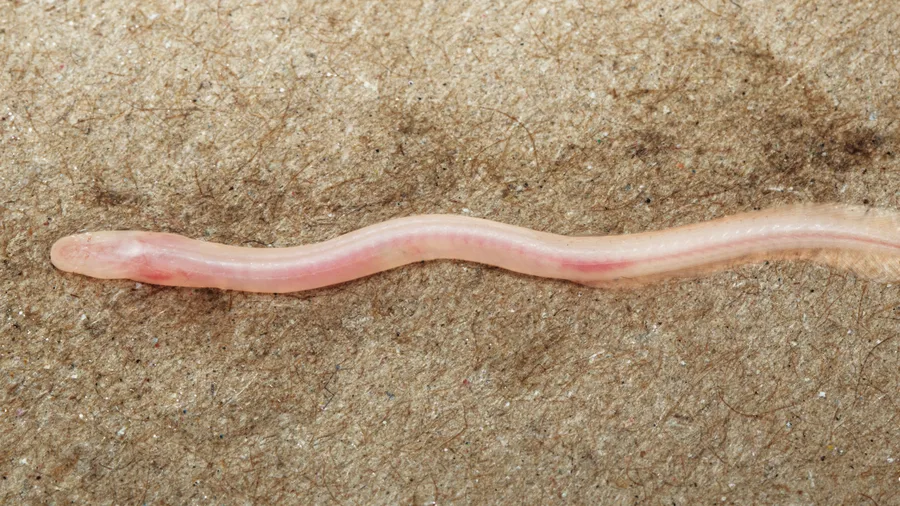
Gangaichthys indonepalicus is the first subterranean fish to be recorded from the Gangetic Basin. The post TikTok Video Leads to Discovery of Rare Underground Eel in India first appeared on Blog .
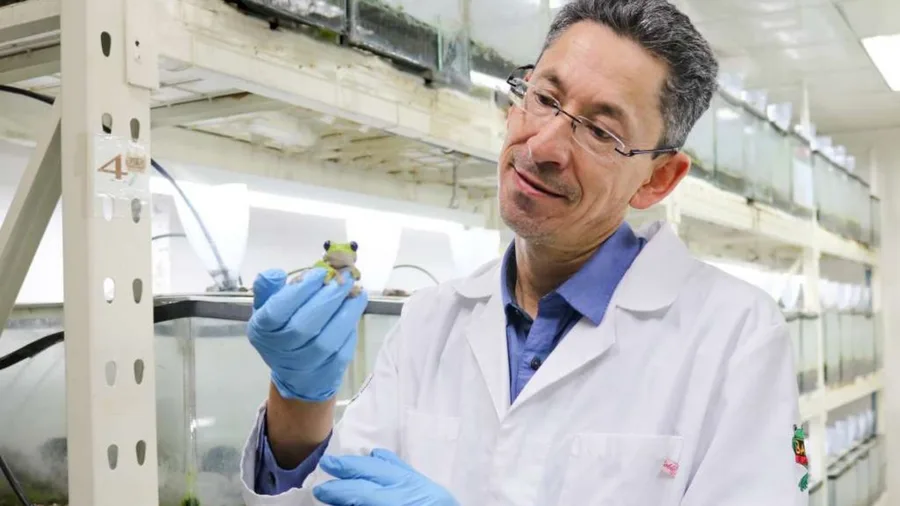
Pristimantis milpe is an abundant and widely distributed species that had been confused with another species for over a century. The post A mystery kept in London led to the discovery of a new Ecuadorian frog first appeared on Blog .
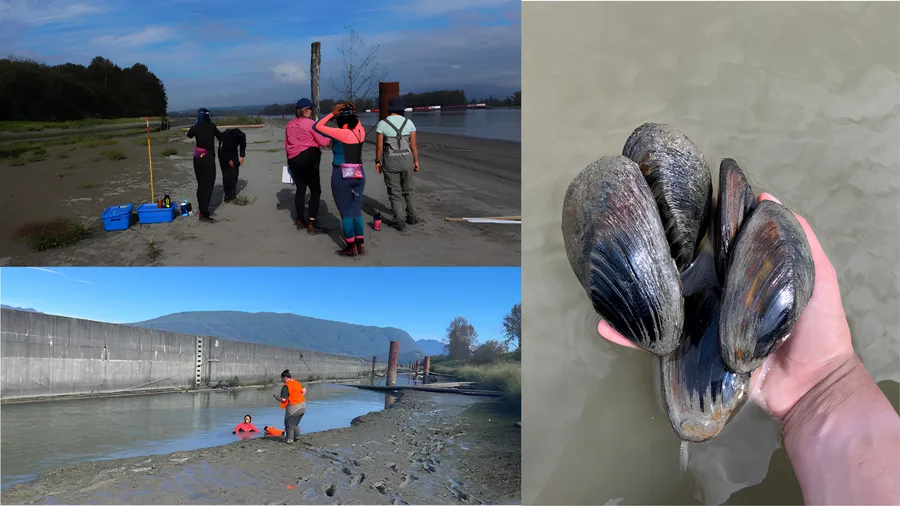
A photo on iNaturalist sparked a three-year research project that led to the discovery of a new subpopulation of the endangered Rocky Mountain Ridged Mussel in Canada. The post From Scroll to Science: How an iNaturalist Photo Revealed an Endangered Mussel in a BC Watershed first appeared on Blog .
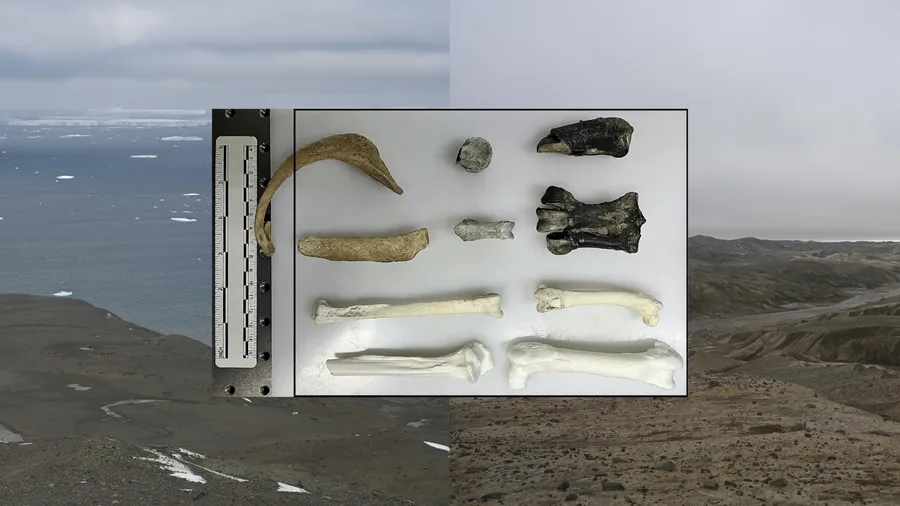
A team of palaeontologists studying penguin fossils from Seymour Island have demonstrated how ancient bird bones can act as chemical archives of past climate change. The post Ancient Penguin Fossils Offer New Window into Antarctica’s Changing Climate first appeared on Blog .
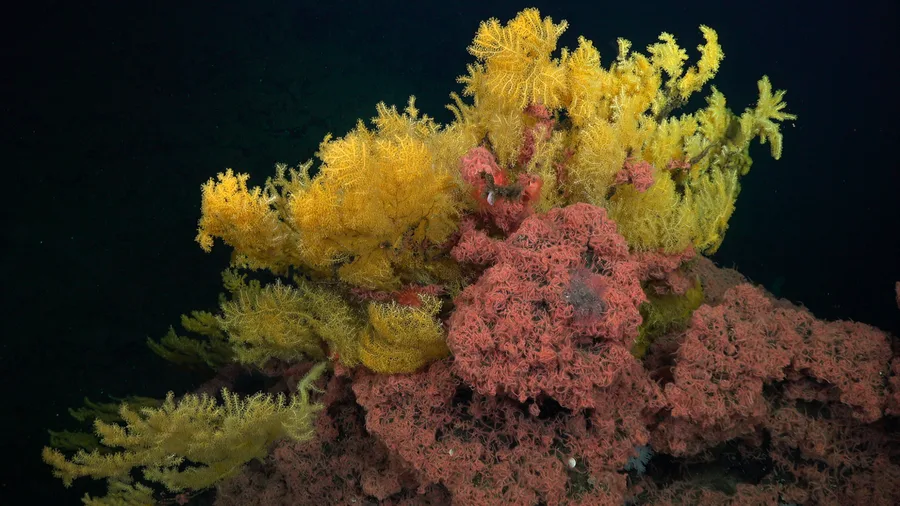
The coral was found thriving in large numbers on rocky outcrops that were almost entirely blanketed by brittle stars. The post A Coral Among the Stars: New Species Discovered on Costa Rica’s Deep-Sea Seamounts first appeared on Blog .
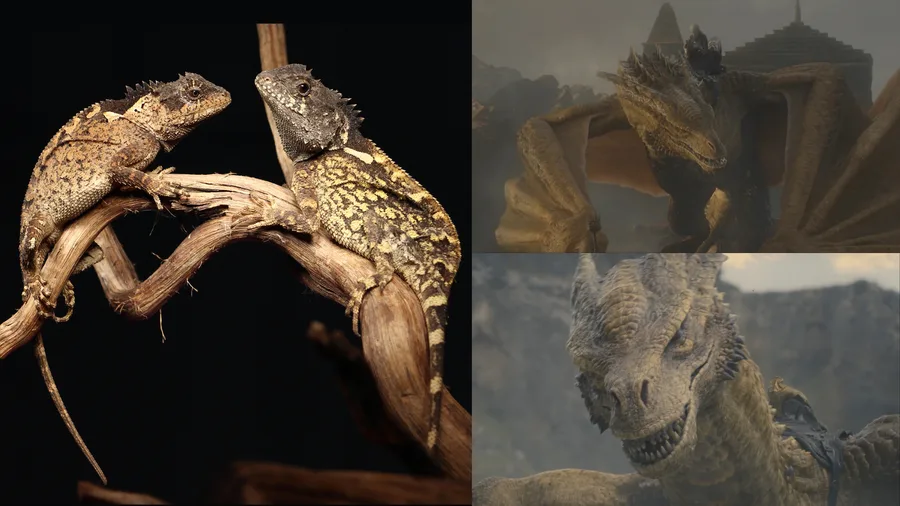
Meet Acanthosaura syrax, the mountain horned dragon lizard named after Syrax - Queen Rhaenyra Targaryen's dragon in House of the Dragon. The post New Mountain Dragon Lizard From Thailand Named After Syrax From House Of The Dragon first appeared on Blog .
The study also forecasts that as many as 28 further species could eventually be confirmed in the country. The post Landmark review confirms 227 mammal species in Honduras, the country’s most comprehensive assessment in nearly three decades first appeared on Blog .
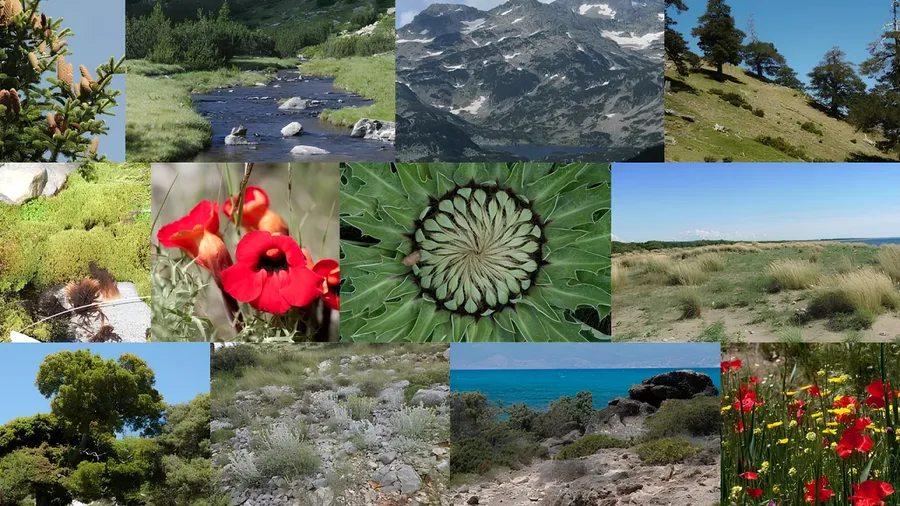
A newly launched Special Collection “Vegetation of the Balkan Peninsula” in the open-access, peer-reviewed IAVS journal is now welcoming submissions. The post Call to contribute to a Special Collection “Vegetation of the Balkan Peninsula” in Vegetation Classification and Survey first appeared on Blog .
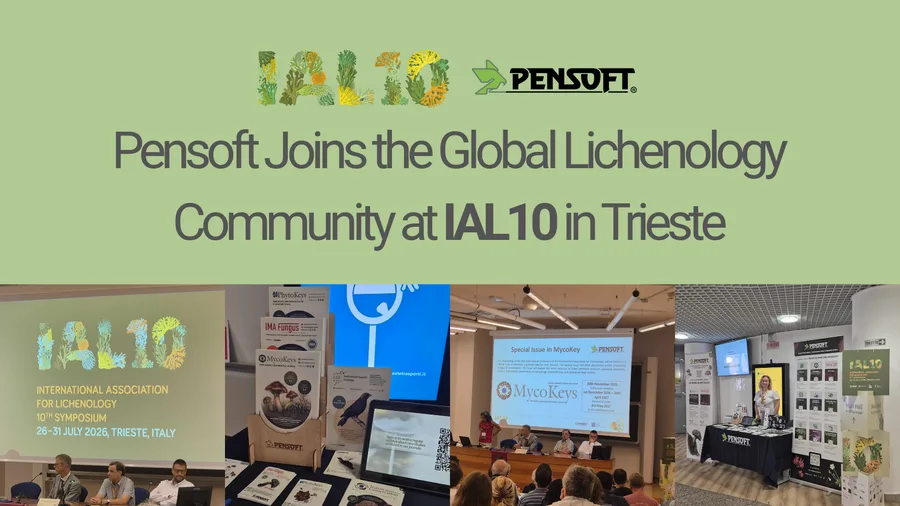
The 10th Symposium of the International Association for Lichenology took place in Trieste, where Pensoft showcased its plant science and mycology journal portfolio. The post Pensoft Joins the Global Lichenology Community at IAL10 in Trieste first appeared on Blog .
This study reports a large bowl-shaped depression from Late Cretaceous fluvial deposits in Bolivia, associated with sauropod trackways. The post A Cretaceous Cold Case: The mysterious affair at Mullurina Mayu (Bolivia) first appeared on Blog .
Between 26-31 July, Pensoft Publishers joined more than 2,600 ecologists, researchers, and conservation professionals in Salt Lake City for the 111th Annual Meeting of the Ecological Society of America (ESA2026). The post Pensoft at ESA 2026: Connecting with the Ecology Community in Salt Lake City, USA first appeared on Blog .
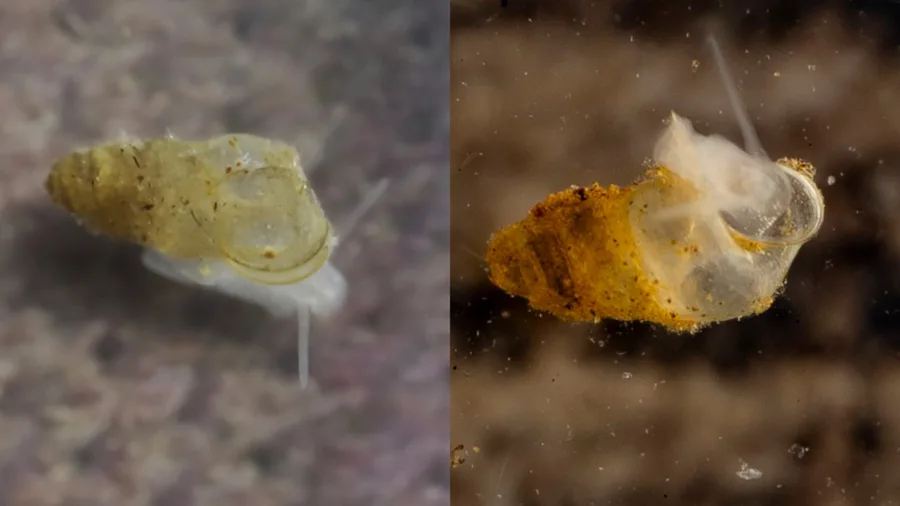
This study marks the first freshwater cave snail ever recorded in China, and it represents the highest-altitude distribution known among cave-dwelling species in the family Erhaiidae. The post China’s First Cave-Dwelling Freshwater Snail Named After A Mythical Mountain God first appeared on Blog .
International research team identifies South America's unique coastal lake system as a global hotspot for tracking environmental change The post Hidden Freshwater Giants Could Become The World’s Next Climate Observatories first appeared on Blog .
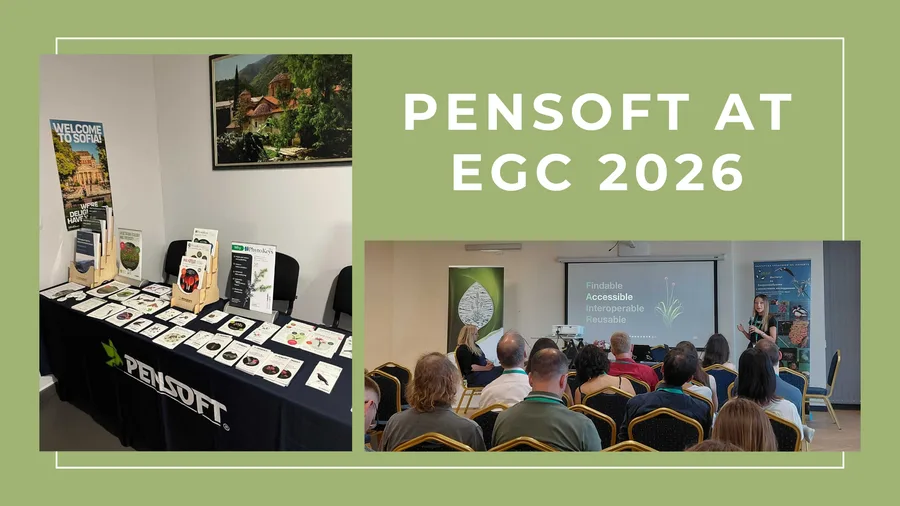
As a longstanding supporter of vegetation science publishing, and publisher of Vegetation Classification and Survey, Pensoft was proud to sponsor EGC 2026 and attend throughout the week. The post Connecting Science and Conservation: Pensoft at the 21st Eurasian Grassland Conference first appeared on Blog .
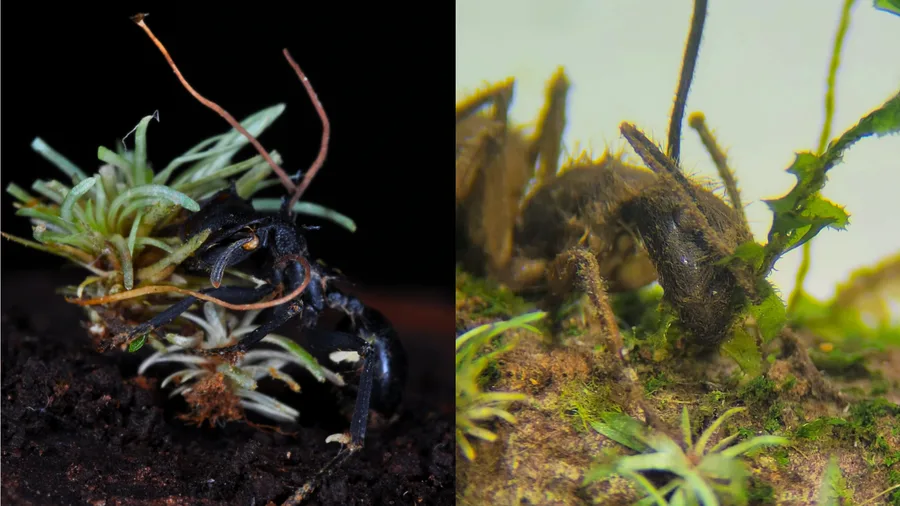
Research led by INPA scientists reveals that the parasite, famous for altering ant behavior, also shelters within vegetation, suggesting a dual ecological journey never before observed in manipulating lineages of the genus. The post Amazonian ‘zombie’ fungus harbours a hidden stage inside forest mosses, new study reveals first appeared on Blog .
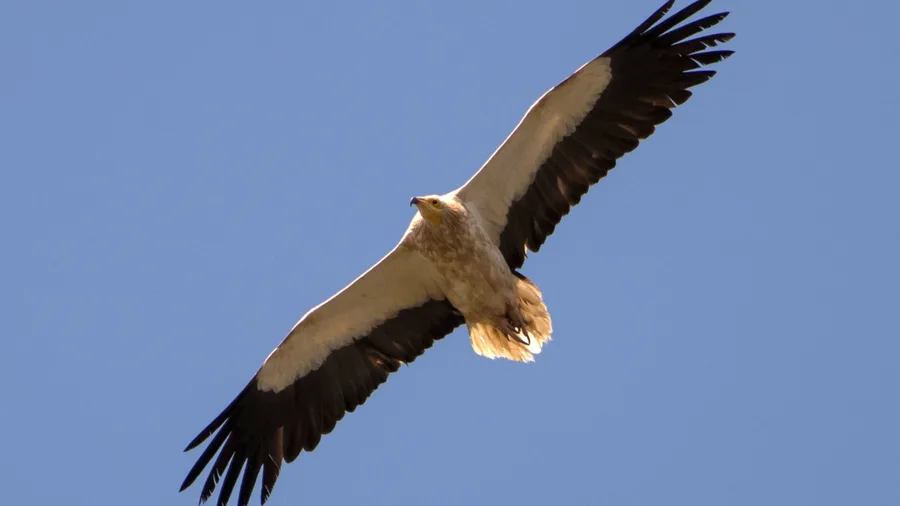
Calabria's updated bird checklist now lists 363 species, 43 more than in 1993, including Italy's first documented breeding White-rumped Swift and continued Egyptian Vulture nesting. The post A New Checklist For The Birds Of Calabria: 363 Species At Mediterranean Crossroads first appeared on Blog .
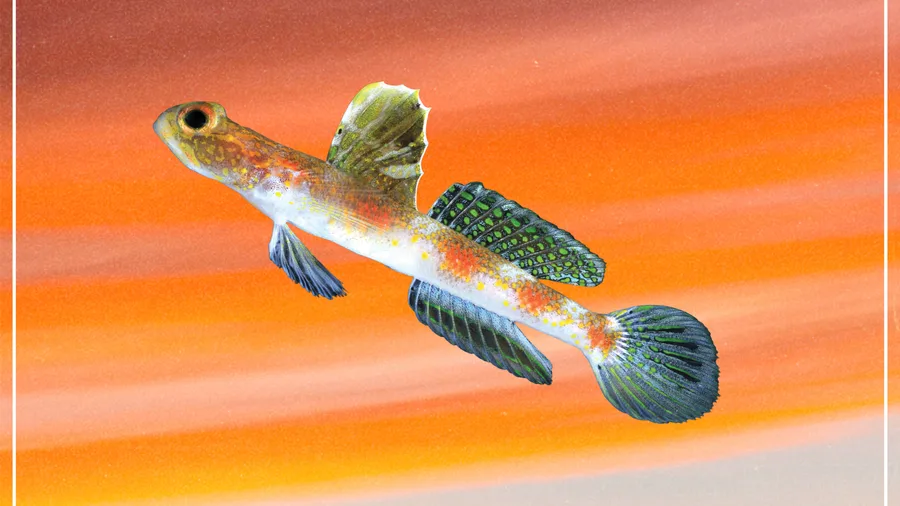
Researchers have described a beautiful new species of shrimpgoby from the coastal waters off Banyuwangi, East Java, and given it a name that pays tribute to both its fiery colouration and birthplace. The post Sunrise Over the Seabed: New Shrimpgoby Species Named for the “Sunrise of Java” first appeared on Blog .
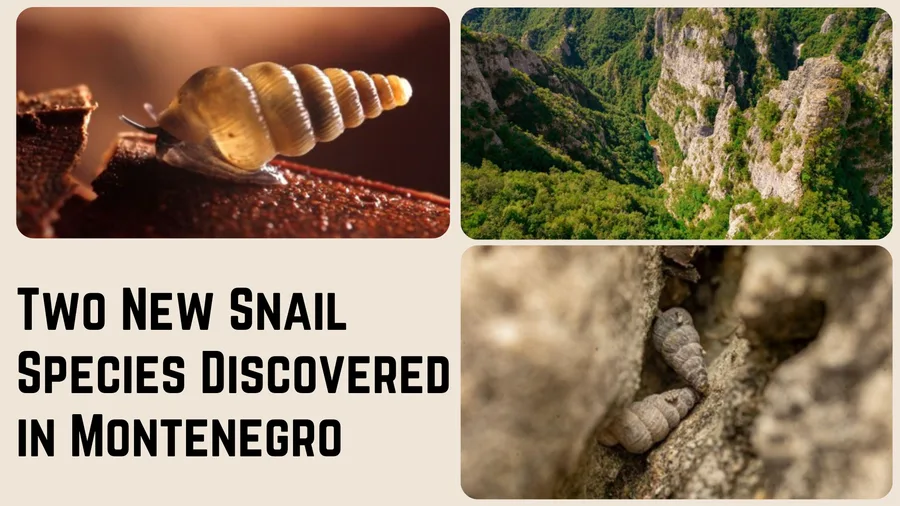
Scientists and citizen volunteers discovered two new snail species in northwestern Montenegro, highlighting the region's hidden biodiversity and bolstering calls to protect Komarnica Canyon within Durmitor's World Heritage Site instead of building a hydropower plant. The post New Snail Species Bolster Case For Protecting Montenegro’s Biodiversity first appeared on Blog .
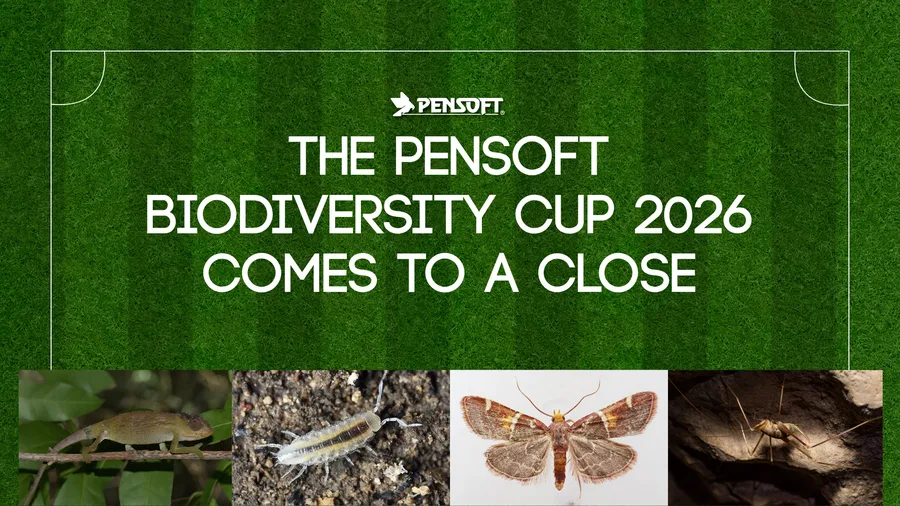
Now that the 2026 FIFA World Cup is over, it's time for us to blow the final whistle on Pensoft's Biodiversity Cup. The post The Pensoft Biodiversity Cup 2026 comes to a close first appeared on Blog .
research.io
Sign up to keep scrolling
Create your feed subscriptions, save articles, keep scrolling.



 research.io