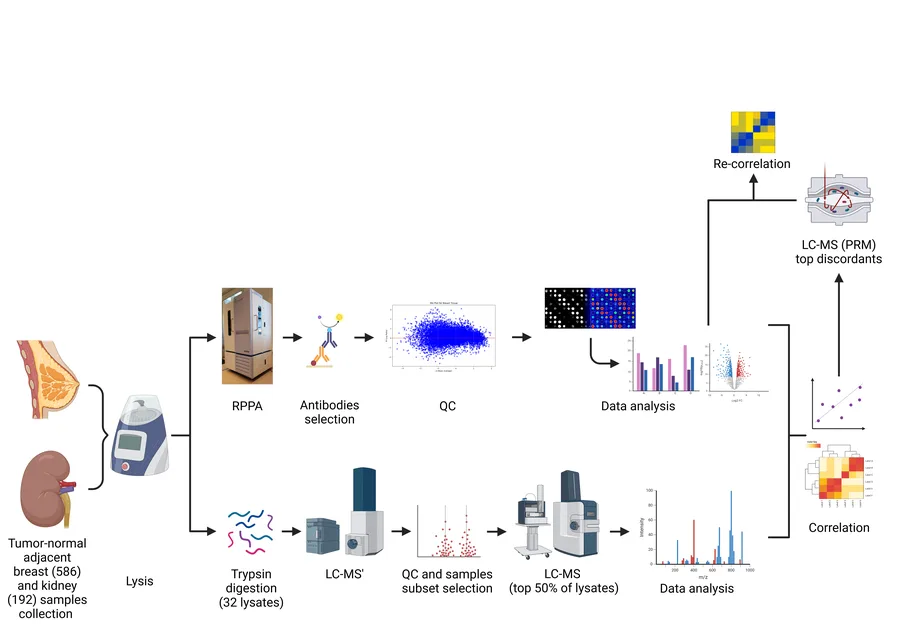
Cancer research has been transformed by genomics, but cancer is ultimately executed at the protein level. In this study, we compared RPPA and LC-MS on matched breast and kidney tumour samples to ask whether two proteomic platforms see the same biology, and how reliably they agree.
Proteomics for patients and society
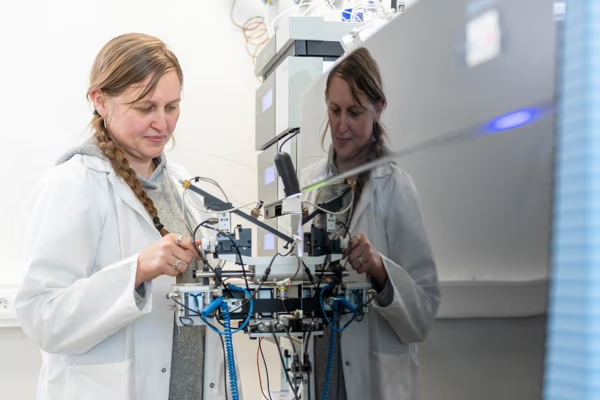
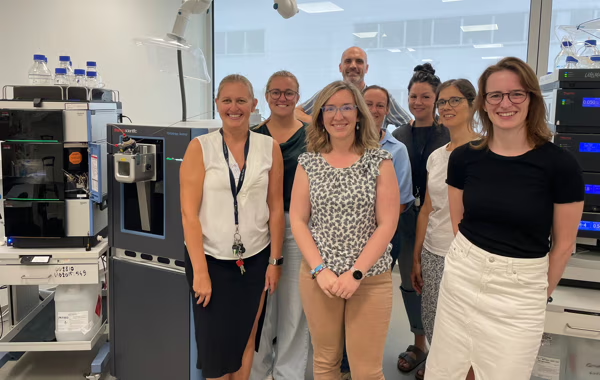
How the VIB Proteomics Core is rebuilding its pipeline to power clinical studies, patient diagnostics, and biomarker discovery
The VIB Proteomics Core is rebuilding its pipeline, aiming for high throughput through faster sample preparation, cutting-edge mass spectrometry, and interactive data analysis. This upgrade is also part of unlocking something that matte…
Scientists have developed a novel, robust proteomics technique that can more accurately identify and spatially characterize thousands of proteins in single cells within human tissue samples, as detailed in a recent study published in Nature Communications. The post Novel Approach Improves Protein Characterization in Human Tissue appeared first on News Center .
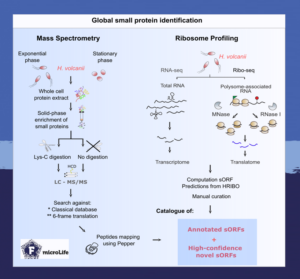
Small proteins are an emerging field of research while little is known about their functions – the least in archaea. Their minuscule protein size makes them a challenge not only to work with but also to discover. The study “Revealing the small proteome of Haloferax volcanii by combining ribosome profiling and small-protein optimized mass spectrometry” […] The post #FEMSmicroBlog: The untapped wor…
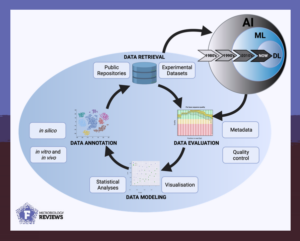
To fully understand the impact of microbes on our lives, we need to better understand the functions of their proteins. With the explosion of omics data, we now have the basics to characterize the vast amounts of prokaryotic proteins. The review “Elucidating the functional roles of prokaryotic proteins using big data and artificial intelligence” in […] The post #FEMSmicroBlog: AI for functional pr…
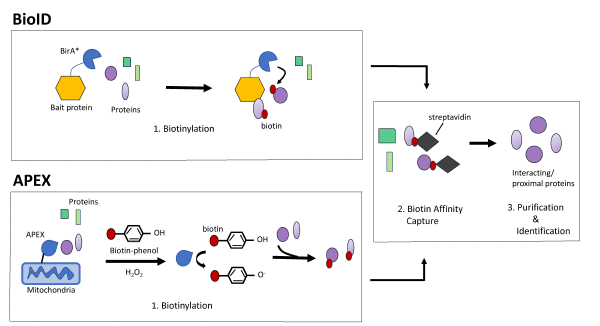
There are approximately 2-4 million proteins per cubic micron in bacteria, yeast, and mammalian cells (Milo, 2013). The number of interactions between these proteins is hard to imagine yet alone study.
To elucidate these interactions scientists have long used antibody based affinity purification and mass spectrometry approaches. Recently however, scientists have developed newer methods termed pro…
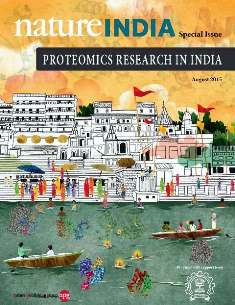
Nature India is happy to announce the launch of the much-awaited Special Issue on “Proteomics Research in India“. Nature India has published the freely downloadable issue with support from the Department of Biosciences and Bioengineering, Indian Institute of Technology Bombay (IITB). Read more Continue reading →