Science stories are equal to success stories. Right? Wrong. In thinking of scientists as successful people, we often assume that their career paths are straightforward, meticulously planned, and yield positive outcomes. However, things don’t always go as planned. Behind every small success, there’s probably a string of failures — work that did not make it to the curriculum vitae, rejected papers,…
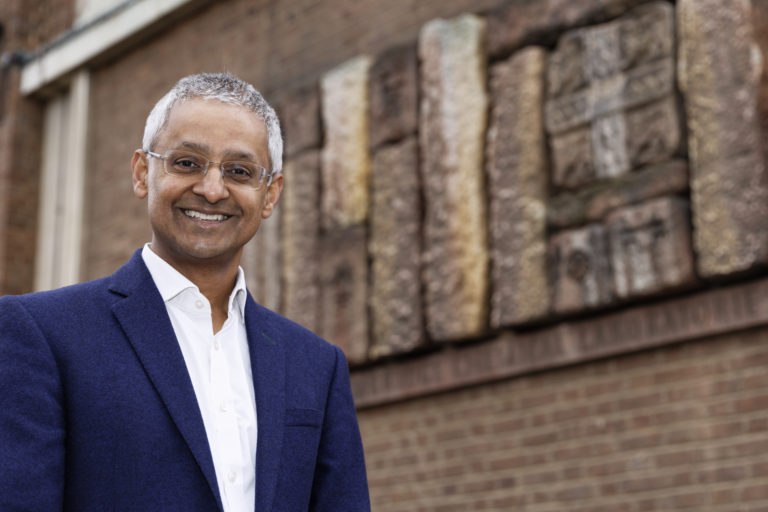
Indian-born British chemist Shankar Balasubramanian recently won the Millennium Technology Prize, instituted by the Technology Academy Finland, for development of revolutionary DNA sequencing techniques. Vanita Srivastava caught up with him to understand the award winning genetic sequencing work that has widely impacted the fields of genomics, medicine and biology.
[Shankar Balasubramanian is a H…
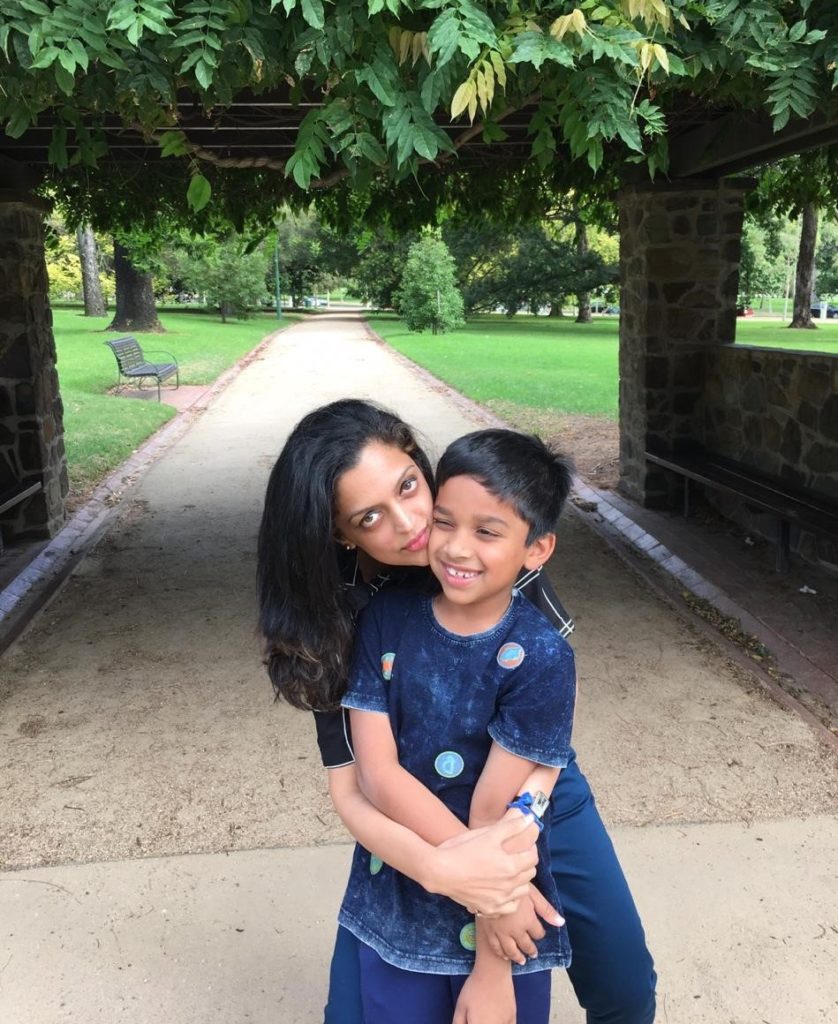
Karishma S Kaushik, an Assistant Professor and Ramalingaswami Fellow at the Institute of Bioinformatics and Biotechnology in Savitribai Phule Pune University turned the pandemic into an opportune time to spur children’s interest in science, including her own son’s.
My phone pinged in the middle of the session. It was a message from my almost 10-year-old son. “Spelling mistake in slide 36. Instead…
H-index is an author-level metric that measures both productivity and citation impact of an author’s publications across the global scientific community. It is calculated by counting the number of publications in which an author has been cited by other authors. H-index 100 means each of the latest 100 of the author’s papers have been cited at least 100 times. Read more Continue reading →
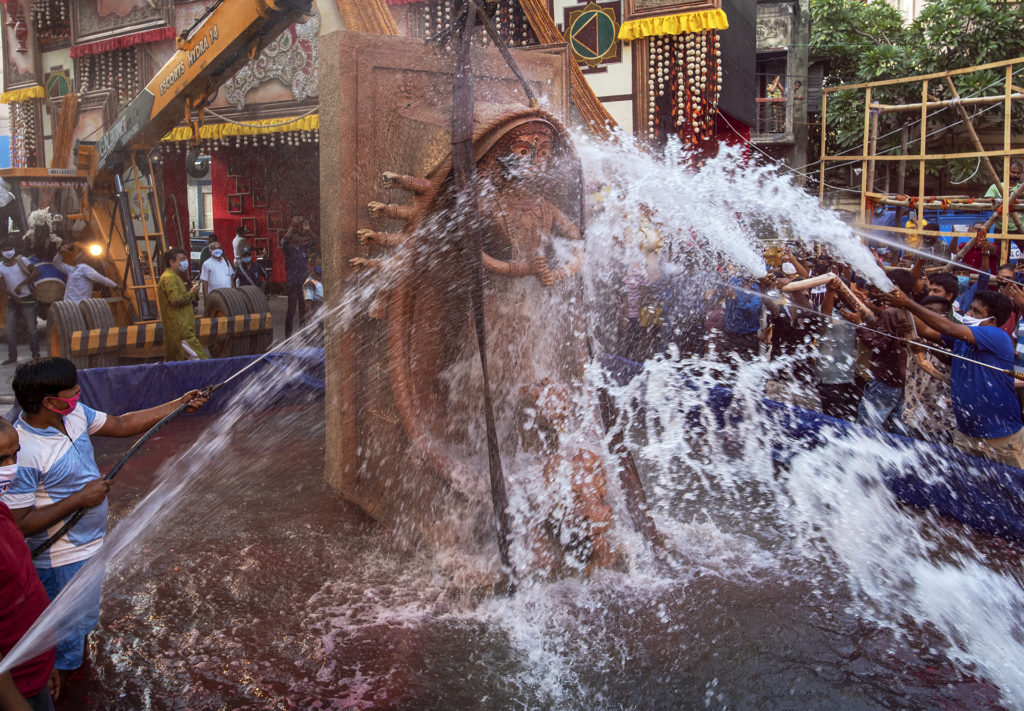
“The annual Durga Puja festivities end with the immersion of the gods’ idols in river Hooghly, a tributary of the Ganges. Every year thousands of people take part in the idol immersion processions. Following COVID-19 restrictions, the West Bengal government created temporary water bodies to ‘immerse’ the clay-made idols by dissolving them with high power water jets, like in this picture taken at …
Another ‘ahead of print’ issue was out. I was anxiously scanning it for my article. There it was! The next obvious thing to do would be to announce this exciting news on all possible social media channels, ‘humbly’ displaying my scientific and literary skills, proud of my name leading the decorated list of authors. Read more Continue reading →
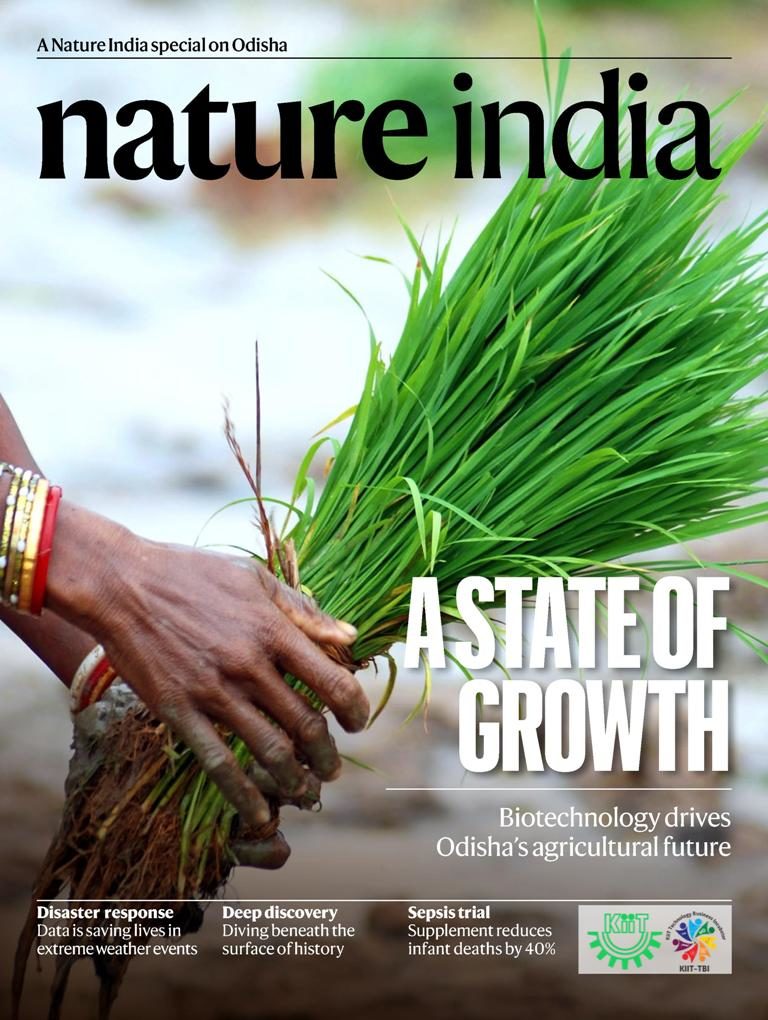
A state known for its heritage, culture and disaster management, and as an emerging hub of scholarship and research, Odisha is making its mark. This special issue captures the aspirations of and challenges for the eastern Indian state in becoming the next national science hub. Read more Continue reading →
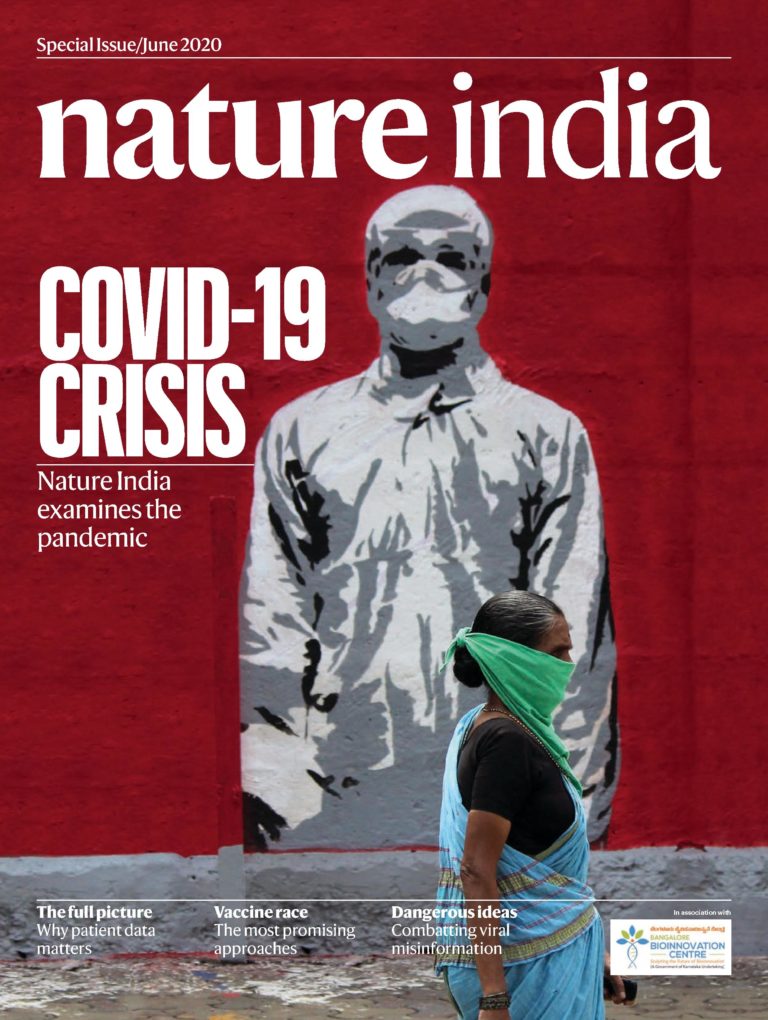
Very early on it became clear that the COVID-19 pandemic was not just a challenge for scientists and medical professionals. Almost a year into the coronavirus’s rampage across the world, there’s no doubt about the long-term impact that SARS-CoV-2 will continue to have on every facet of human life — from healthcare to education, social interaction, businesses, environmental concerns, and political…
Amidst the pandemic, we have been a little hesitant to launch our annual photo contest. When the world is grappling with millions of deaths and infections, professionals and families are facing unprecedented challenges, and movement of people is restricted, is it the right time for a photo competition? But as the year comes to an end, various science-led efforts have yielded results globally in t…
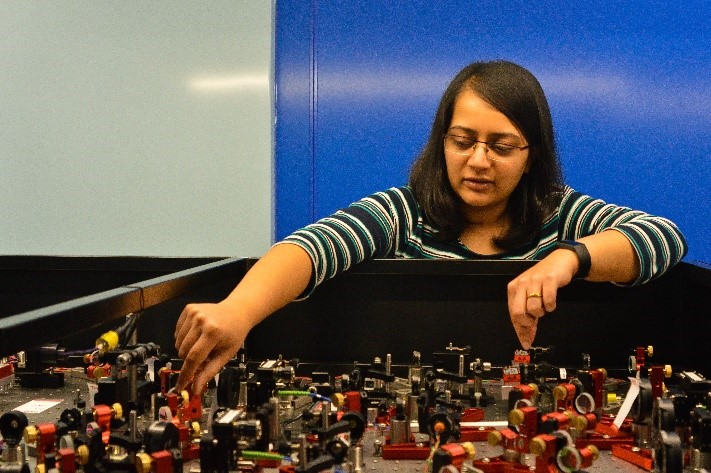
During the COVID-19 lockdown which led to the closure of many labs around the world, Amruta Gadge, a postdoctoral researcher in the Quantum Systems and Devices group at the University of Sussex*, made headlines for remotely setting up a Bose–Einstein condensate from her living room. Gadge, an alumna of the University of Pune, tells us how she achieved that. Read more Continue reading →
Being a psychiatrist, I have been overwhelmed with the explosion of data, discussion and debate on mental health even before COVID-19 was declared a pandemic by WHO in March 2020. Surprisingly, a virus has suddenly helped peak interest in an aspect of public health that has long been overshadowed in our societies by stigma and neglect. Read more Continue reading →
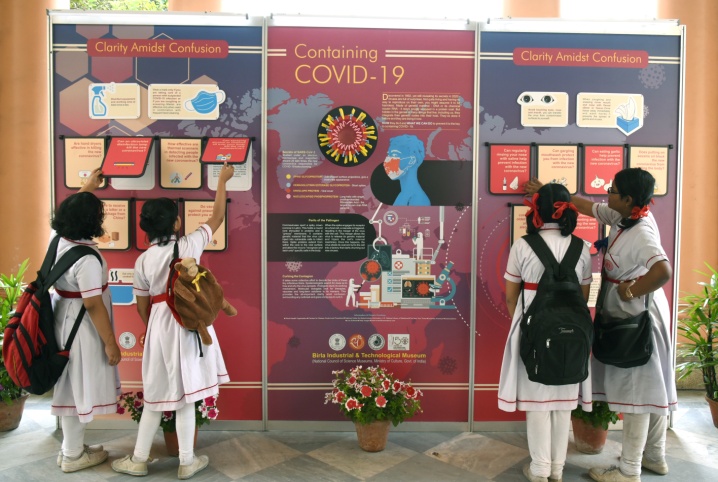
In the middle of a pandemic, imagine planning a science exhibition that explains the contagion to people. What should it feature — test-kits, ventilators, surgical masks and PPE suits? Does the museum have enough supplies to create exhibits? Can the exhibits be sanitised and safely displayed for the audience? Will enough people turn up? Read more Continue reading →
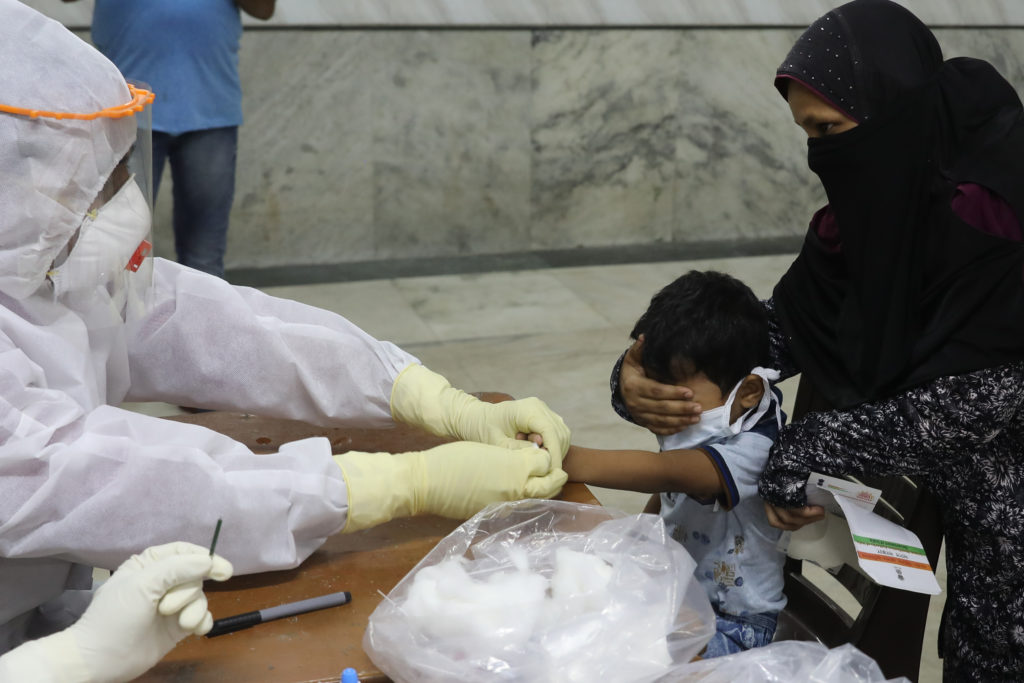
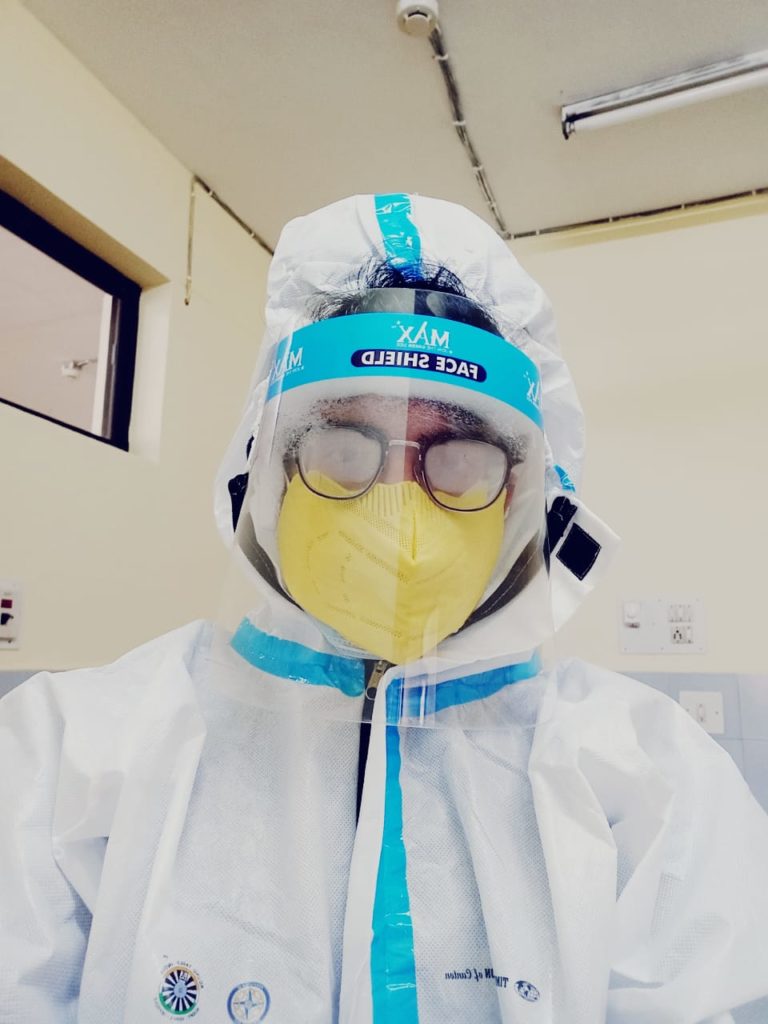
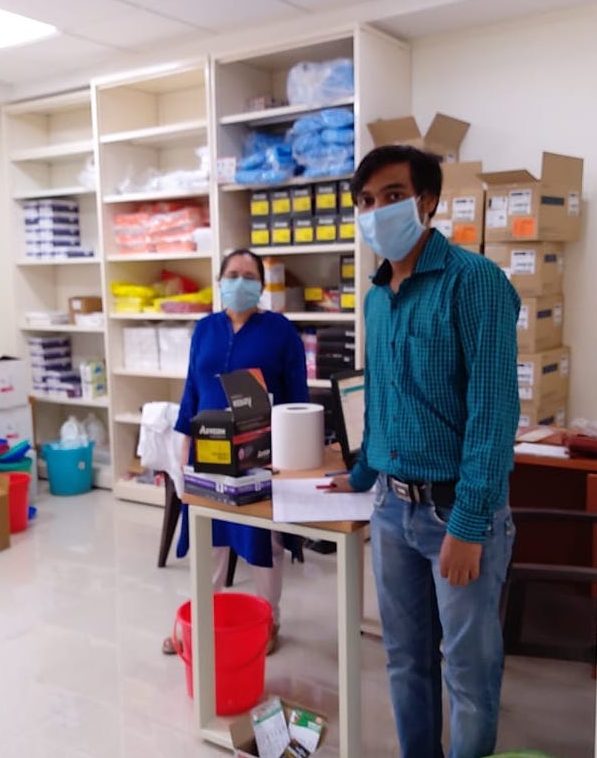
Mridula Nambiar, a biologist at the Indian Institute of Science Education and Research (IISER) Pune, begins her day early to be at the COVID-19 testing centre, on a rather deserted campus of her institute – most students went home just before India’s two-month national lockdown that began 25 March 2020. Read more Continue reading →
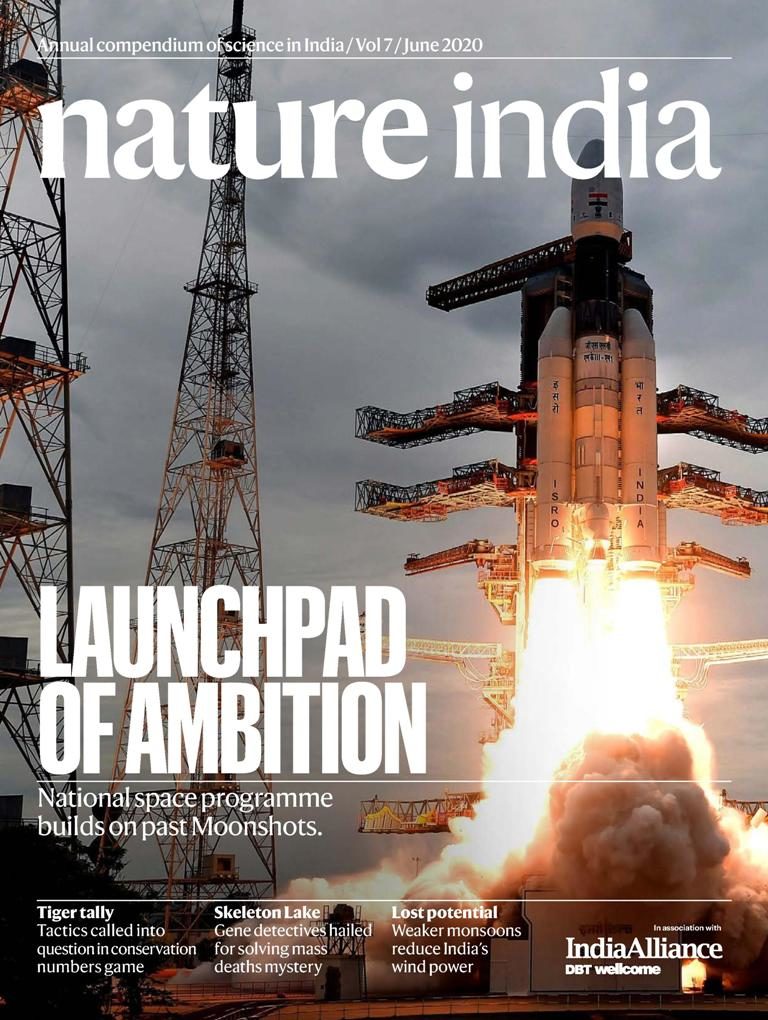
Critics of India’s space programme have demanded justification in the past for sending rockets into space while the urgent issues of poverty, unemployment, illiteracy, and poor health cry for attention and funding. India has maintained that her space programme runs on less than a tenth of NASA’s budget, making it one of the most economical in the world and producing development-based benefits for…
We spend crores of rupees trying to go to the Moon and other planets and bring back rocks. But nature is bountiful, even lugging space debris to our door step free of cost. Read more Continue reading →
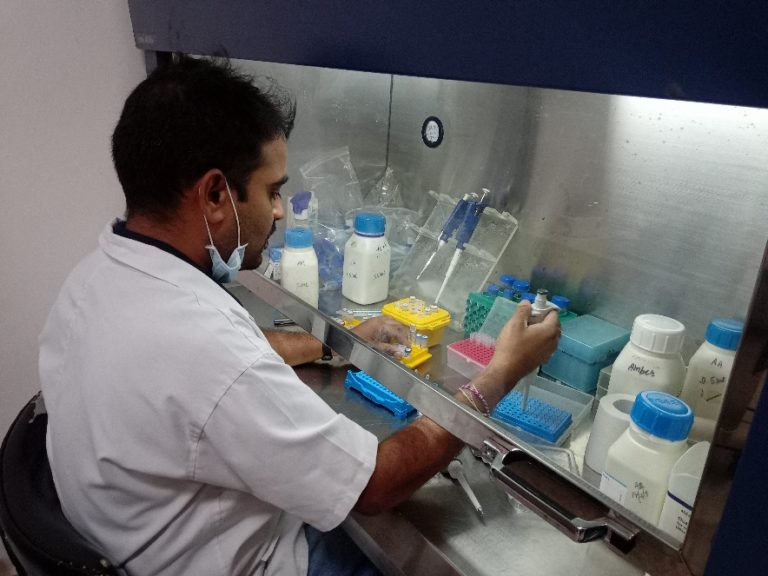
India’s Prime Minister Narendra Modi recently called for self-reliance in the country’s fight against the COVID-19 crisis. Being a biologist by training, the question that came to my mind immediately was: are India’s biologists and biotechnologists self-reliant in their laboratories across the country? Read more Continue reading →



 research.io