Every few months we highlight some of the new plasmids, antibodies, viral preps, and more in the repository through our Hot Plasmids articles . This month, we’ve got lots of exciting materials to talk about, from the latest prime editors and new CRISPR tools to antibodies and a viral astrocyte tracer for neuroscience research. There’s so much to share, let’s dive in!
Every August, the CRISPR community returns to Cold Spring Harbor Laboratory for the Genome Engineering: CRISPR Frontiers conference . This year’s meeting gathered researchers across the field, from the bacteriophage-defense biology that revealed these systems to clinical research using CRISPR in patients.
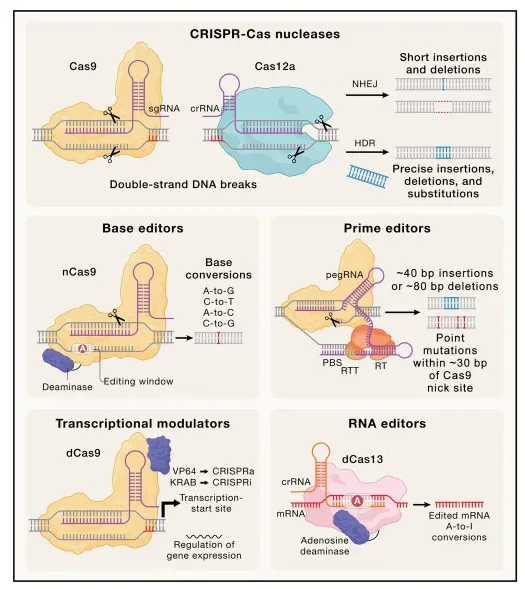
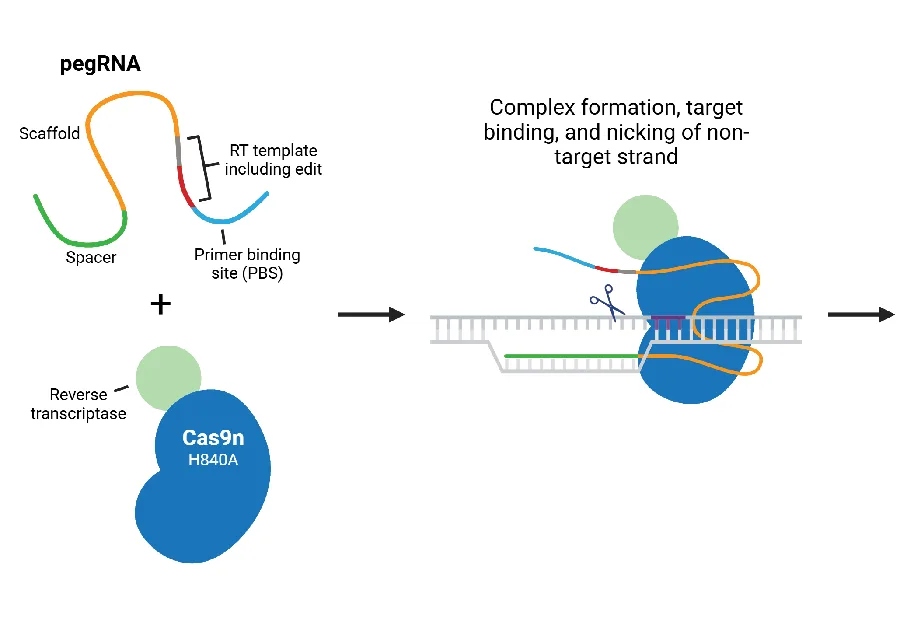
Over 75,000 pathogenic genetic variants have been identified in humans and cataloged in the ClinVar database . Previously developed genome editing methods using nucleases and base editors have the potential to correct only a minority of those variants in most cell types. But prime editing, a CRISPR technique developed in David Liu’s lab in 2019, has added considerably more precision and flexibili…
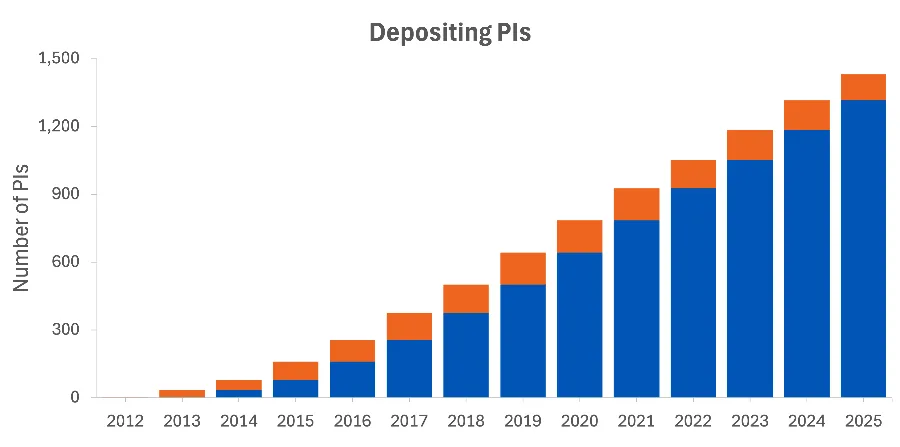
Each plasmid in Addgene’s collection contains a story, hidden in the wealth of data all plasmids come with. The story tells who made the plasmid, who is using it, where it comes from and where it’s going, what it does, and even what advancements it has helped make.
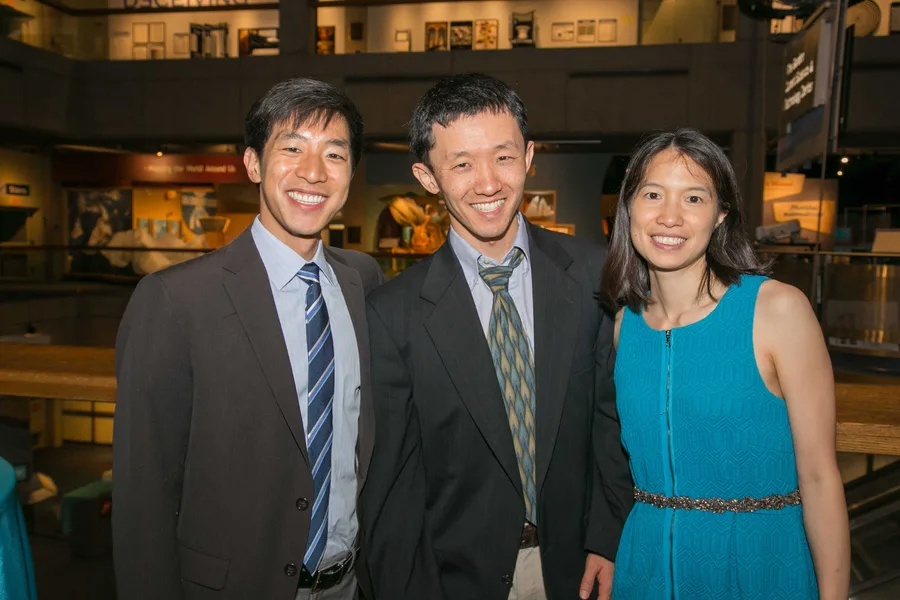
As co-founder Melina Fan, PhD, transitions to Chief Scientific Advisor, we reflect on the problem she set out to solve 20 years ago, the community she helped build, and where she and Addgene go next.
Modeling is not just a job for humans — it is also a job for many different organisms. And like human modeling, biological modeling turns out to be surprisingly glamorous and diverse. But what comes to mind when you picture a “model organism”? A mouse? A pesky fruit fly? Science’s favorite worm, the nematode? Or, if you’re a plant person, maybe a mustard weed?
For many PhDs, the transition from graduate school or a postdoc into the next career step can feel like running an experiment without a clear protocol. You may have spent years optimizing conditions, troubleshooting assays, and becoming deeply familiar with one narrow scientific question. Then, suddenly, you are asked to answer a much broader and more uncomfortable one: What do I want to do next?
Guiding a cell through differentiation to its eventual fate requires a precise recipe of molecular signals, with transcription factors (TFs) as the key ingredients. With the right combination of TFs, scientists can also reprogram cell identity in the lab. In immune cells, such reprogramming could be useful to treat cancer and autoimmune diseases — but only a handful of immune cell types have know…
iGEM isn’t any old science fair. “The world’s biggest synthetic biology competition” brings together hundreds of student teams to build projects and solve problems using molecular biology.
Every few months we highlight some of the new plasmids, antibodies, viral preps, and other materials in the repository through our Hot Plasmids articles . This month, we’ve got some new biosensors for neuroscience research, popular plasmids for a common lab enzyme, and more!
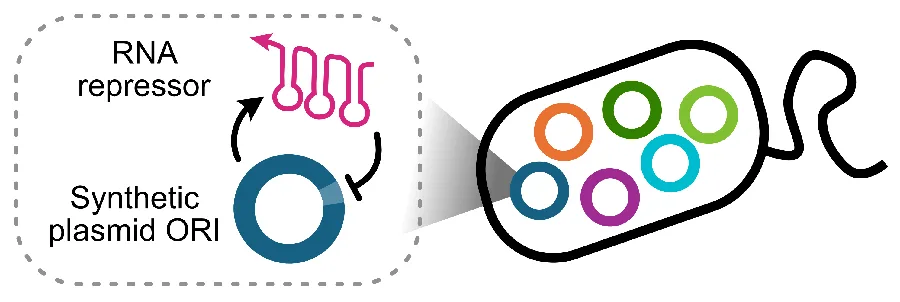
By Baiyang Liu and James Chappell, Rice University. For decades, we’ve been designing experiments around two major limitations of plasmids: copy number and incompatibility. While functional, such workarounds are clunky. To address this, we created a synthetic origin of replication (ORI) that allows us to modify the plasmid instead of the experiment.
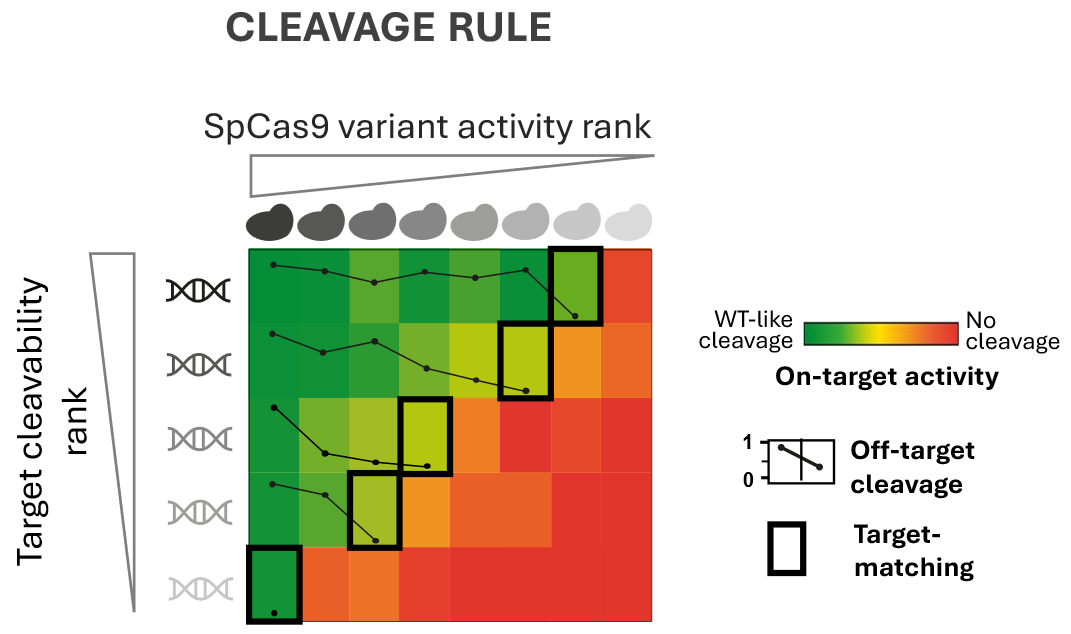
By Balázs Csoma, Hungarian Research Network CRISPR nucleases are remarkably precise molecular tools for cutting DNA. But “remarkably precise” does not mean “perfectly specific.” In reality, CRISPR nucleases occasionally make mistakes and cleave DNA sequences that only resemble the intended target. These unintended cuts cause the dreaded off-target effects that can wreck experiments and, in clinic…
Deaminet 2026, held in Palm Springs in late January, brought together researchers studying deaminase enzymes across disciplines: from structural biologists resolving APOBEC proteins at atomic resolution, to cancer biologists dissecting mutational processes, to medical researchers advancing base and prime editing toward the clinic. Across talks spanning mechanism, off-target biology, and in vivo d…
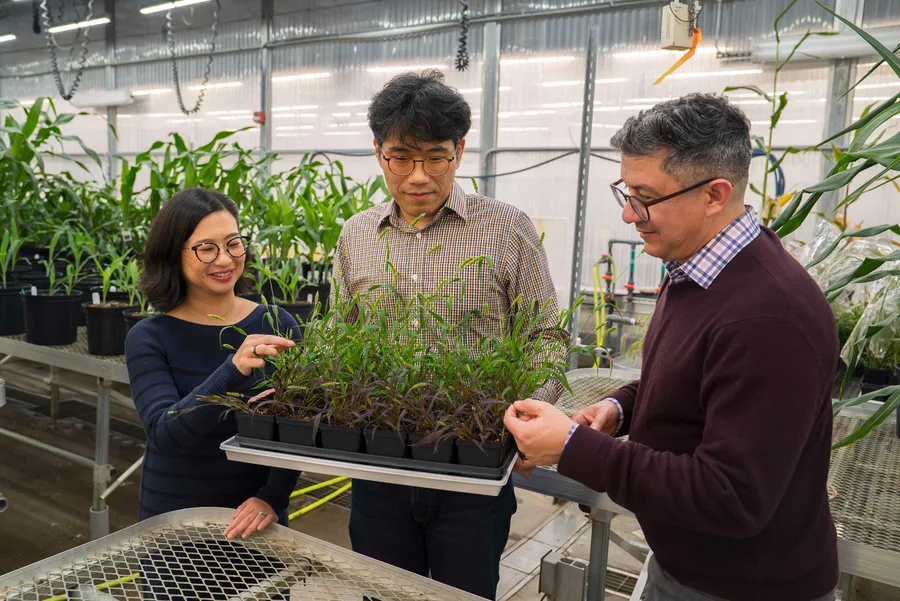
Do you have a green thumb — or, perhaps, are you one of those people who kills every plant they touch? The whole trouble with houseplants is they can’t bark, meow, or cry when they need something. But what if we could equip plants with a way to warn us about concerning growing conditions?
Every few months we highlight some of the new plasmids, antibodies, viral preps, and more in the repository through our Hot Plasmids articles . This month, check out hot new AAV packaging plasmids, CRISPR libraries, and more!
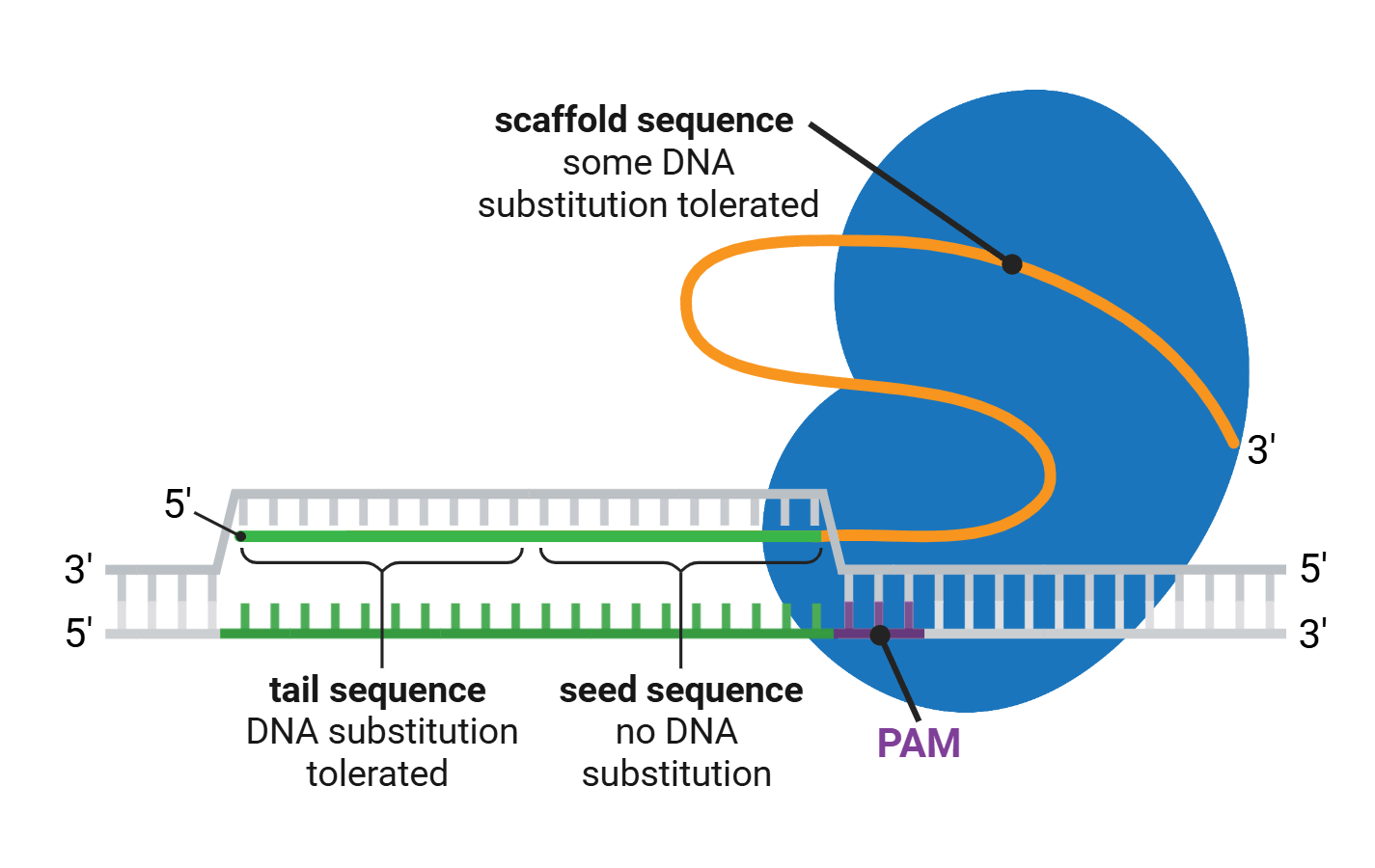
The genome-editing tool CRISPR is famously RNA-guided... except when it’s not. Turns out, carefully designed RNA-DNA hybrid strands work just as well—or maybe even better—at guiding Cas nucleases to specific genomic targets.
Throughout its 20-year history, Addgene’s mission has been to empower scientists to advance discoveries by reducing barriers, facilitating access to high-quality research materials, tools, and resources, while also fostering scientific collaboration. The first request through Addgene in 2004 allowed the transfer of a plasmid between two academic laboratories. While Addgene is well known for facil…
Who doesn’t love a library? A traditional library might contain thousands or millions of different books. Addgene’s pooled libraries are a little different: each is a collection of plasmids that share the same backbone and differ only in a small region. This makes them useful for a wide variety of high-throughput experiments.









 research.io