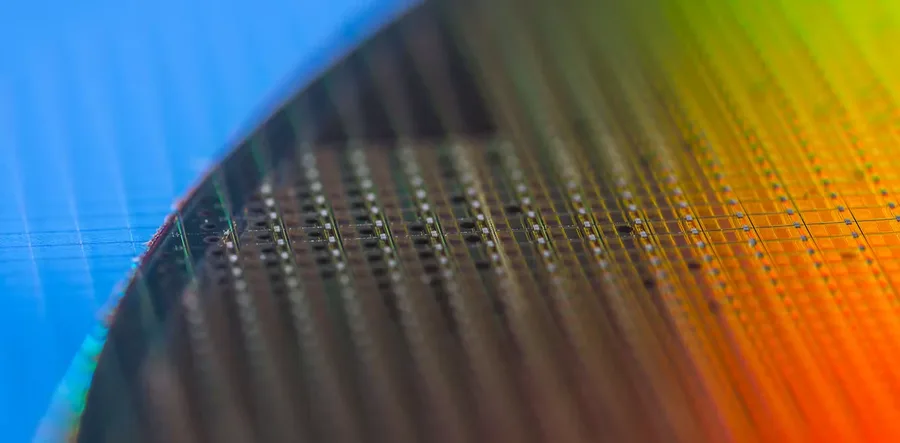
Since the 1960s, silicon ‘nanomaterials’ have driven the information revolution. But as their potential is exhausted, is it time for ‘atomaterials’ such as graphene to drive innovation still further?
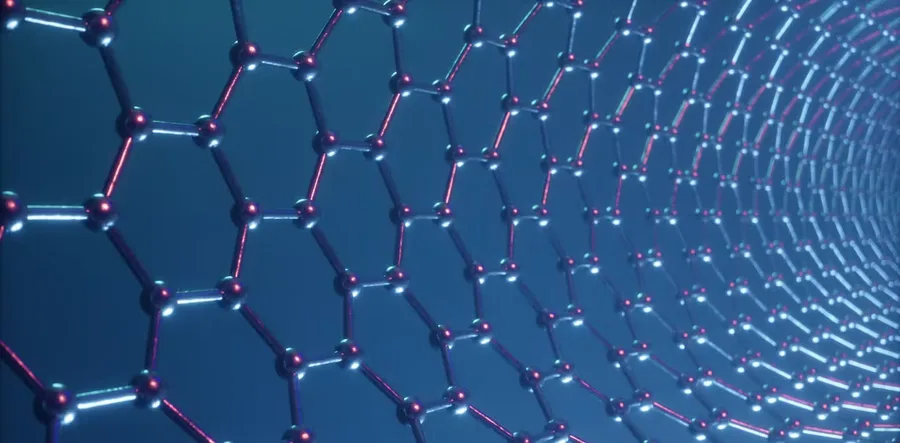
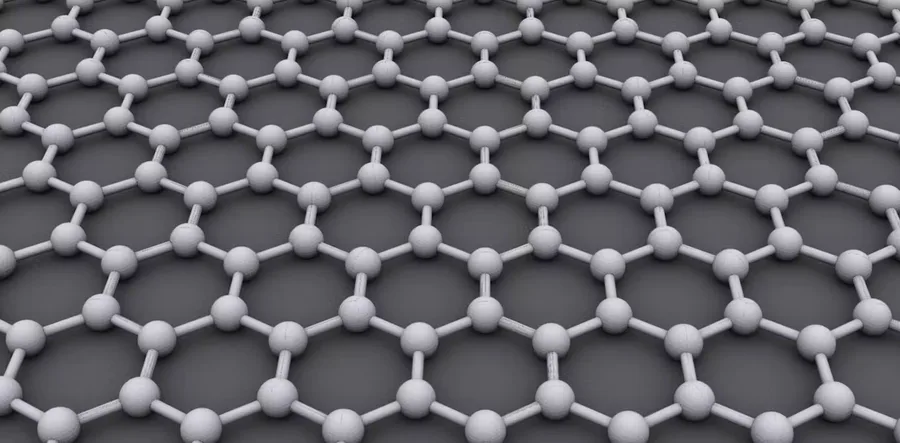
Graphene is superstrong and superconductive, and it has applications in everything from construction to electronics. But to date there have been almost no commercial uses of the material.
A new type of material can make it easy to put antennas almost anywhere – no matter how thin the space, or even on surfaces people need to be able to see through.
Less-toxic hair dye would be a great invention. But discounting the risks that come with nanoparticles could undermine other efforts to protect human health and environmental from their effects.
Cloud seeding – spraying materials into clouds to increase precipitation – has been around for nearly 80 years. But only recently have scientists been able to measure how effective it really is.
Researchers are developing new ways to produce widely used silica nanomaterials so that these substances and any by-products won’t harm the environment.
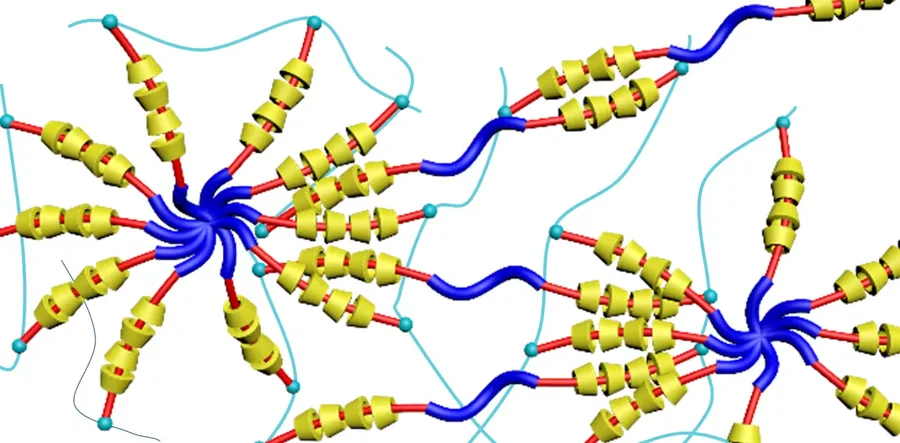
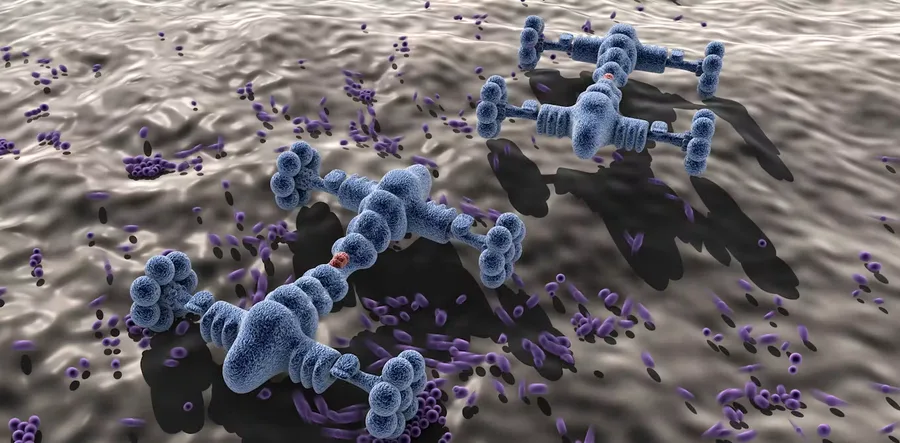
Research on molecular machines won last year’s Nobel Prize in chemistry. Now scientists have figured out a way to get these tiny molecules to join forces and collaborate on real work on a macro scale.
As the components in electronic devices are shrinking to the nanoscale, even a single atom out of place can disrupt their function. But this also presents an opportunity to make them even better.
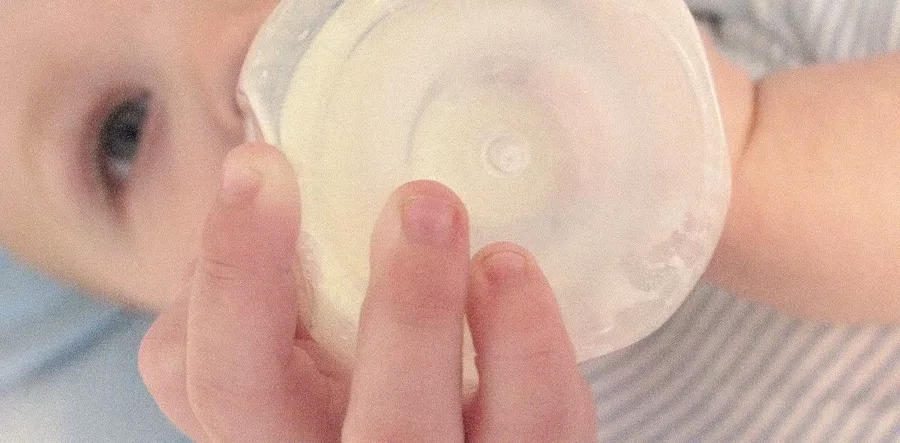
Microscopic needle-like particles don’t seem like something you’d want to feed a baby. Whether safe or not, the way we deal with nanoscale food additives leaves plenty of other questions.
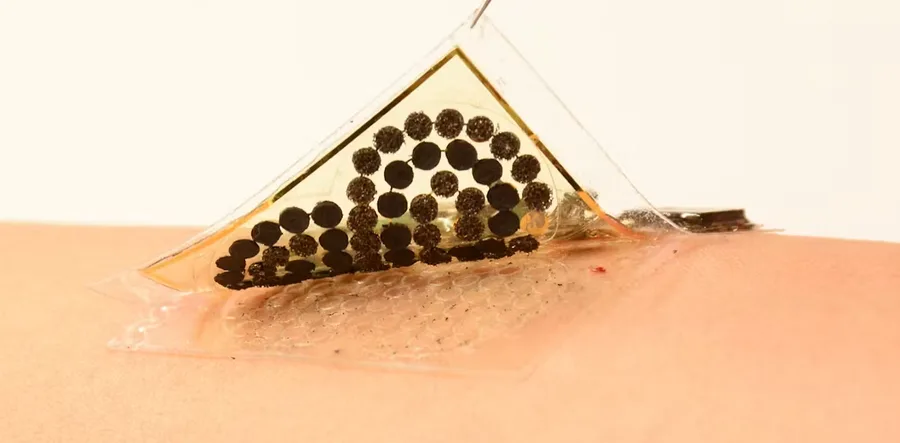
Lightweight, flexible materials can be used to make health-monitoring wearable devices, but powering the devices is a challenge. Using fuel cells instead of batteries could make the difference.
Two new studies from Food Standards Australia and New Zealand show there’s no evidence that nanoparticles in food present a health risk, but there’s more research to be done.
From tiny robotic doctors repairing your body to the latest climate change-tackling tools, nanotechnology is fighting an invisible battle on our behalf.







 research.io