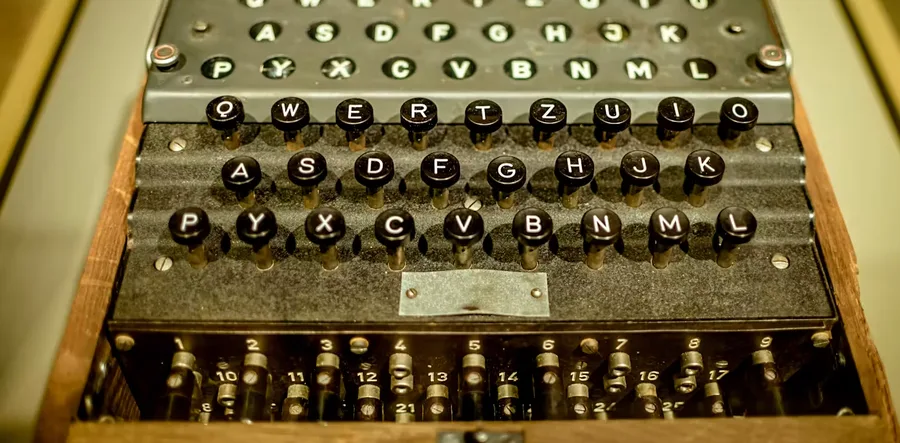
Computer capabilities have boosted our decryption technology to great heights. How will the future compare to a past, one in which codes were thought to be a means of communicating after death?
NFTs are made the same way as crypto coins, but where every crypto coin is like every other, each NFT is a unique digital item – from images to sound files to text.
Blockchain technology is familiar to us in the form of digital currency bitcoin. And if it makes it way to the mainstream, could it change the way the world does business forever?
Australians vote on a piece of paper and put that into a box which is then counted. We don’t know how to replicate this transparent, verifiable process over the internet.
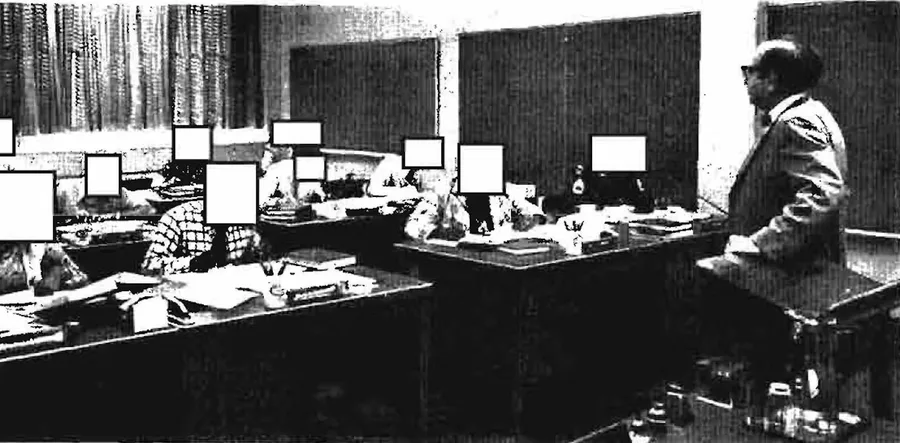
Researchers tried several times to have the document declassified, including in 1992, 2004 and 2016. It was initially written to help American NSA agents crack difficult coded messages.
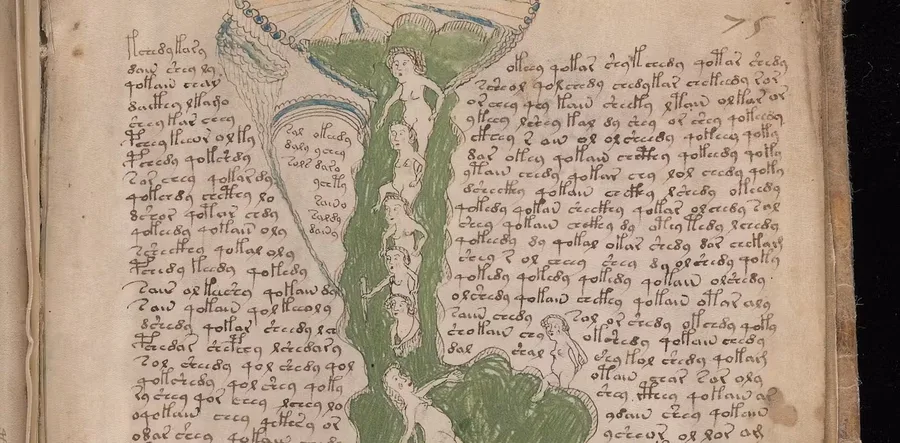
The Voynich Manuscript has researchers, the media, and the public hooked. But pseudo-explanations for the book’s ‘code’ reveals a serious problem with society’s relationship with science.
A paper published by researchers at Google claimed that they had achieved computing quantum supremacy, but leaks and counter-claims have created a stir.
A major focus of the federal government’s defence policy update is the need to develop quantum-based defence technology that will help Canada address two big threats: the Arctic and cyber security.












 research.io