Evidence from Massachusetts suggests that a multistep process discourages enrollment. The findings could help policymakers stave off a sharp decline in coverage when COVID-19 policies change.
Like any personal touch, there’s a chance this common fundraising step makes people feel warm and fuzzy inside. But a five-year research project found that it doesn’t make donors more generous.
An experimental study found that the vast majority of women didn’t support a pay policy that corrected for an advantage they received, slightly more than men in the same position.
People who object to affirmative action were more likely to discriminate against job candidates with Black-sounding names than those who supported it, whether or not they had to rush.
Returns cost companies billions of dollars in lost sales. They also generate emissions and packaging waste. Two logistics experts offer some tips from psychology for more sustainable returns.
Konrad Grabiszewski·...·Prince Mohammad Bin Salman College (MBSC) of Business & Entrepreneurship
3d ago
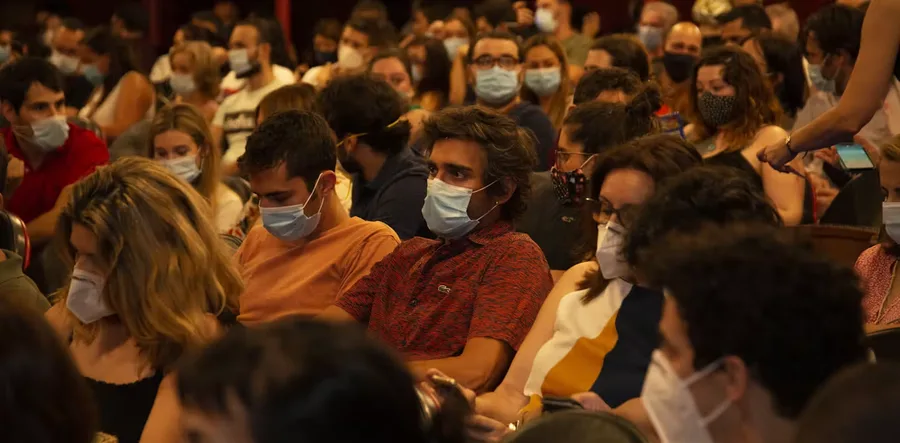
Policies meant to improve public health – like mandatory face masks during the coronavirus pandemic – need to take into account how people might adjust other behaviors in response.
People tend not to think that their own emotions could simply be wrong. But research shows that people excessively dislike others who disagree with them.
New research shows that when companies do things like give to charity or reduce their carbon footprint, consumers perceive their products as less risky.
A scholar who studies consumer decision-making explains just what it is in the human mind that makes people susceptible to nudges toward one behavior or another.
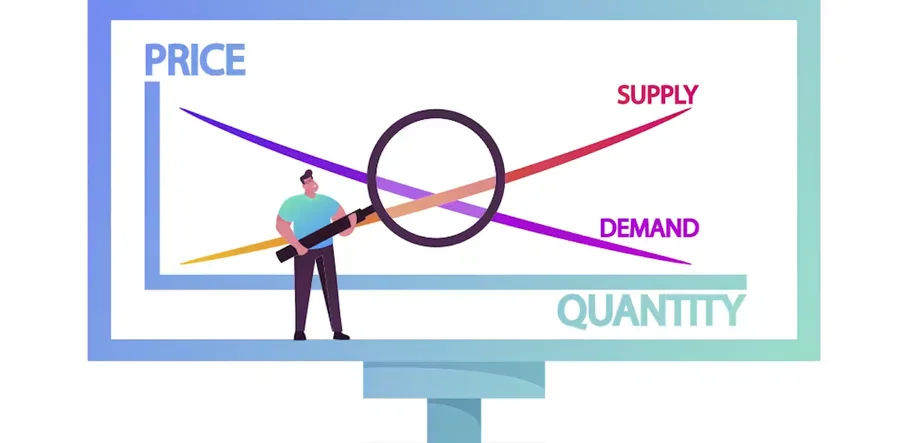
Gov. Kathy Hochul hit the brakes on congestion pricing in June but now is ready to roll, with a lower fee. Critics, including New Jersey officials and President-elect Donald Trump, remain opposed.
Cognitive neuroscientists use brain imaging and behavioral economic games to investigate people’s sense of fairness. They find it’s common to take care of yourself before looking out for others.


















 research.io