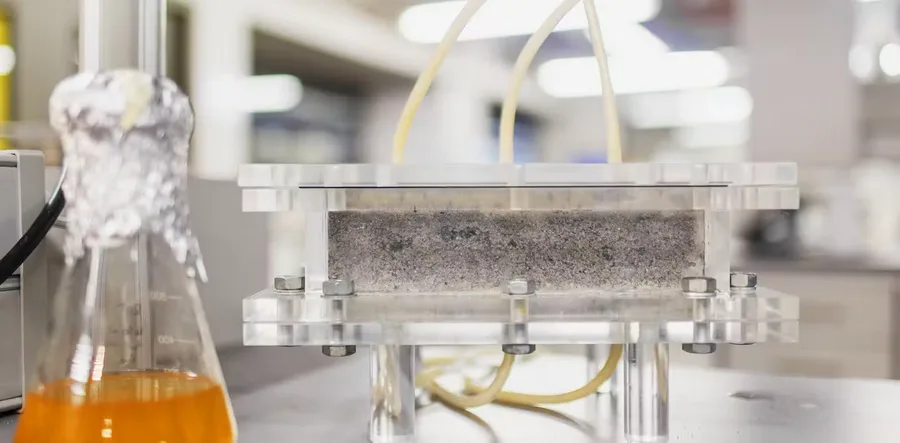
For decades, construction companies have used fireproofing chemicals associated with risks to human health and the environment. We need safer alternatives.
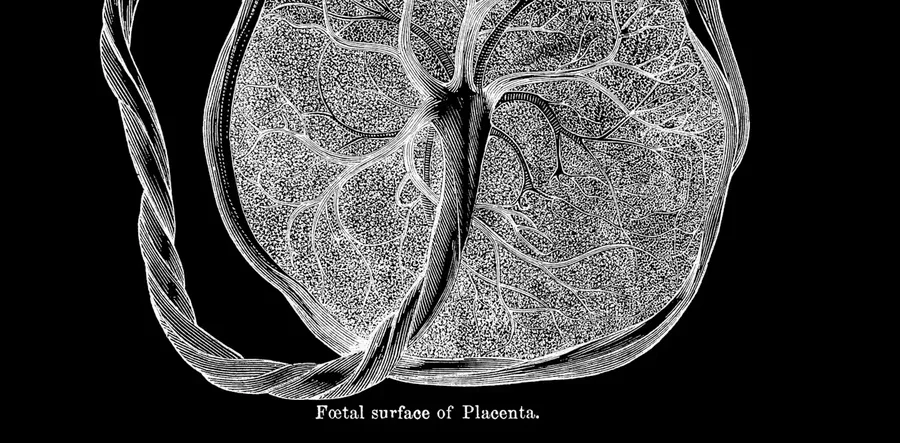
Placentas contain a rich amount of nutrients and stem cells, but there’s a difference between eating it at home for wellness and using it in the clinic to improve wound healing.
Some medical conditions involve cartilage tissue loss, which is why skin grafting is vital. Lab-grown cartilage could be the way forward for human tissue repair and reducing animal testing.
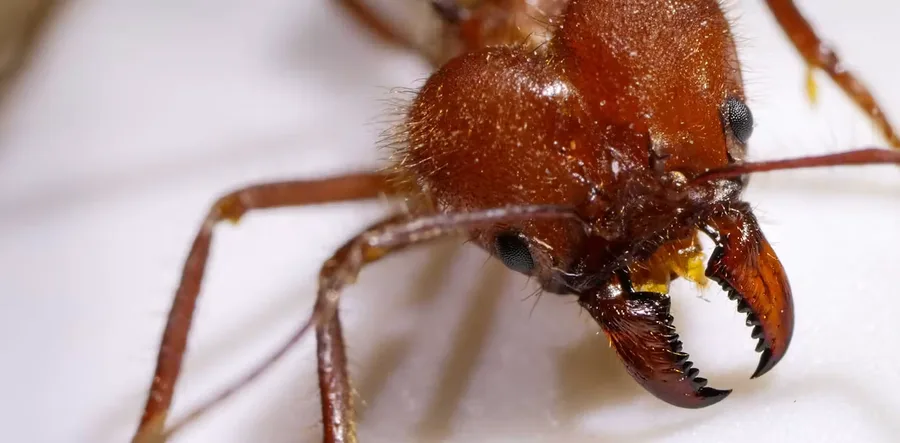
Many small animals make their teeth and claws from a smooth blend of proteins and heavy elements. These materials can form very sharp tools that make it possible to cut tough substances using tiny muscles.
Most of my work takes place in the lab. But recently I became involved with an organisation which allows me to connect with the very people who could one day benefit from my research.
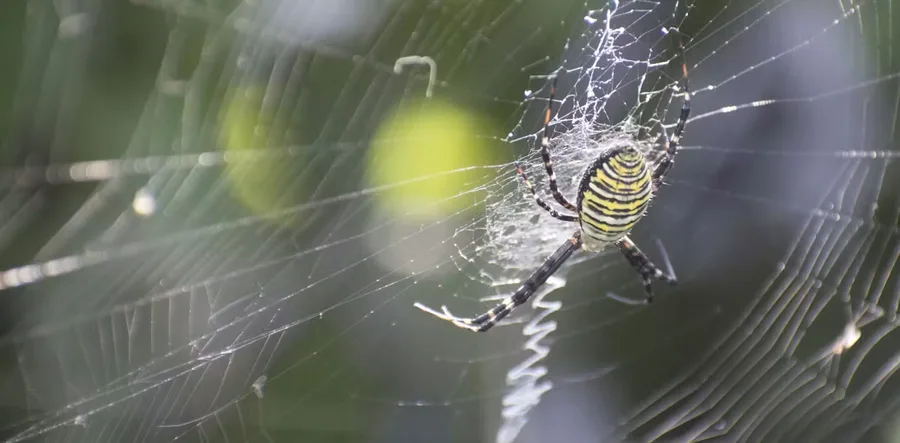
The glue that gives spider webs their stickiness is a form of spider silk protein. Researchers can imagine cool uses for a synthetic version – but had to wait for the tricky glue gene to be sequenced.