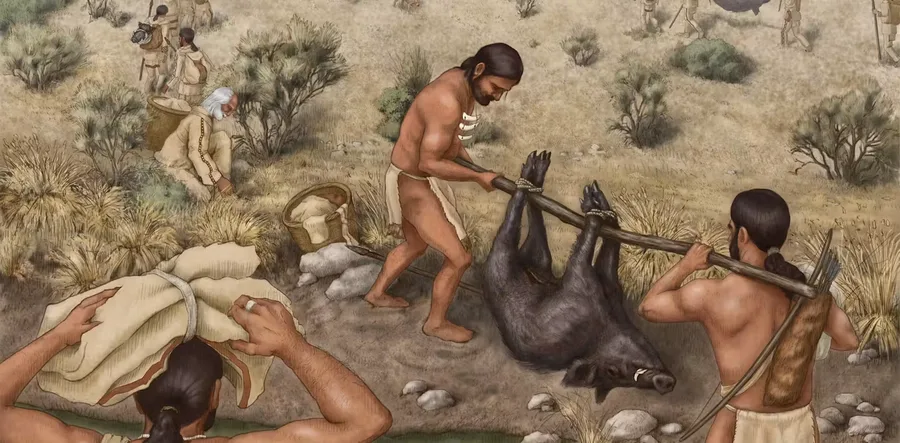
Humans have feasted since the dawn of agriculture – but a new find suggests the practice of bringing exotic food to a communal gathering is even older.
Ludovic Slimak·...·Auteurs historiques The Conversation France; Université de Toulouse
3d ago
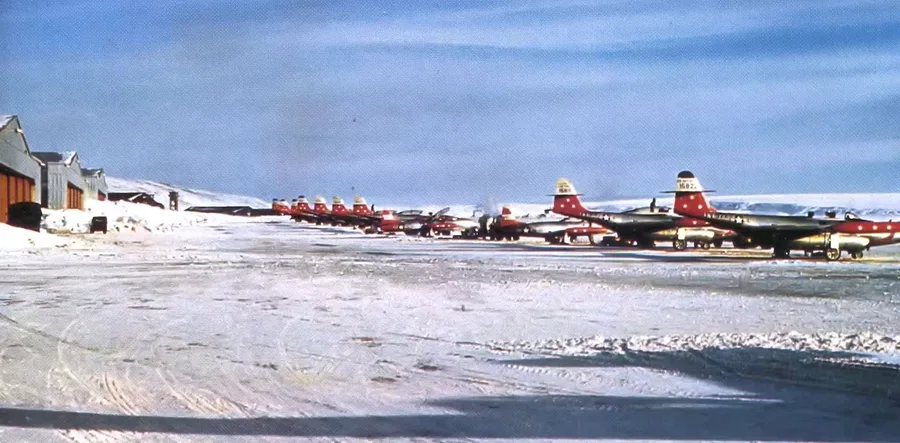
In 1951, the French Explorer Jean Malaurie witnessed the building of a US military base in Greenland in near total secrecy, which marked an irreversible turning point for Inuit societies.
An anthropologist’s new book lays out the formula for human innovation, from stone tools to supercomputers. Depending on developments in the next few years, AI could hit the gas or the brakes.
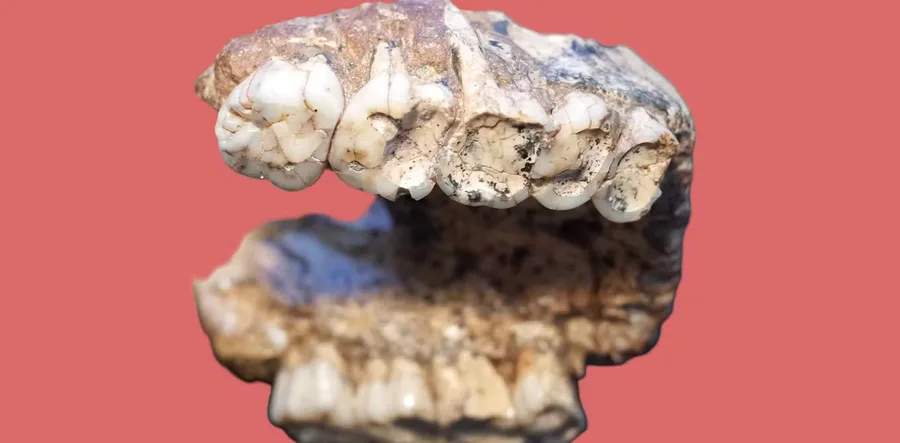
New research on the size relationship between brains and wisdom teeth suggests that bigger brains aren’t necessarily the driving force in human evolution.
Animals can learn from each other, maintaining their cultures for long periods of time. What sets people apart may be the uniquely open-ended ways we invent new ideas and share and build on them.
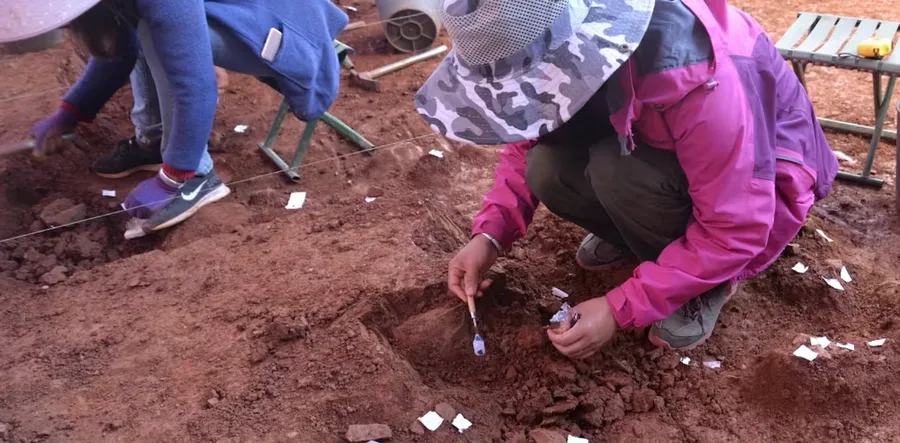
Discovery in China of tools called Quina scrapers suggests the people of East Asia were as inventive and flexible with technology during the Middle Paleolithic era as those in other parts of the world.
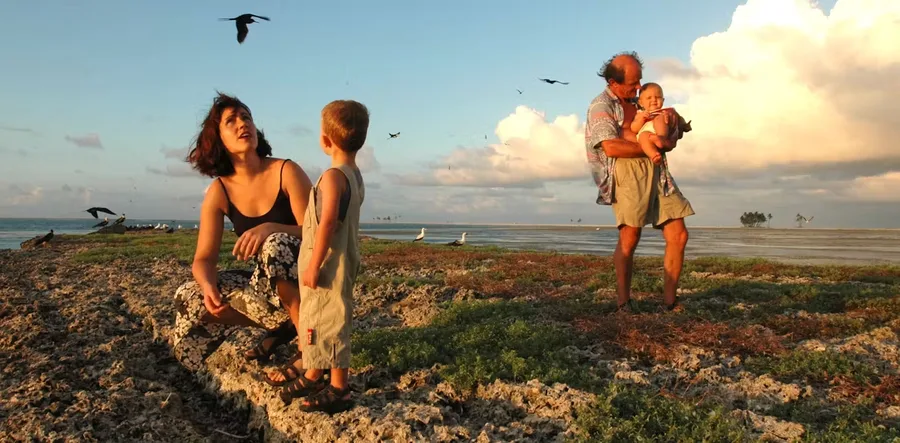
Dads today are spending dramatically more time with their kids than they did a generation ago. But there’s a less encouraging trend tucked into this development.
During a year of extraordinary uncertainty, workers built resilient networks within and across boundaries and distance. An anthropologist explains how these clusters and long-distance ties help people cope, organize and adapt.
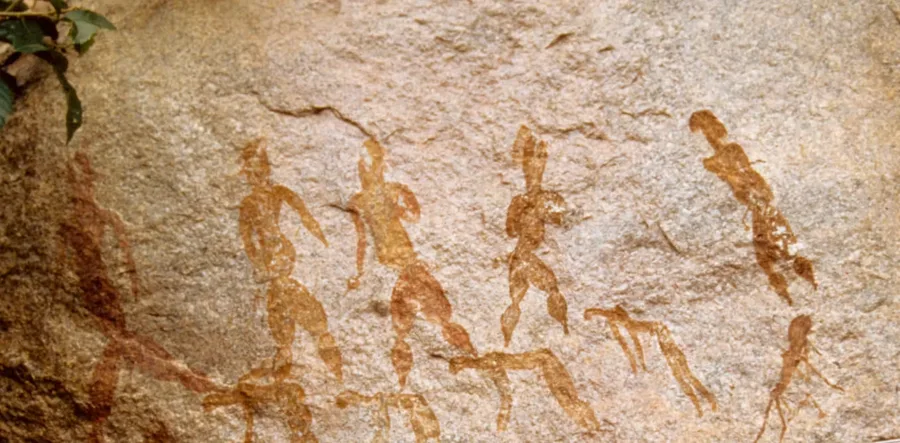
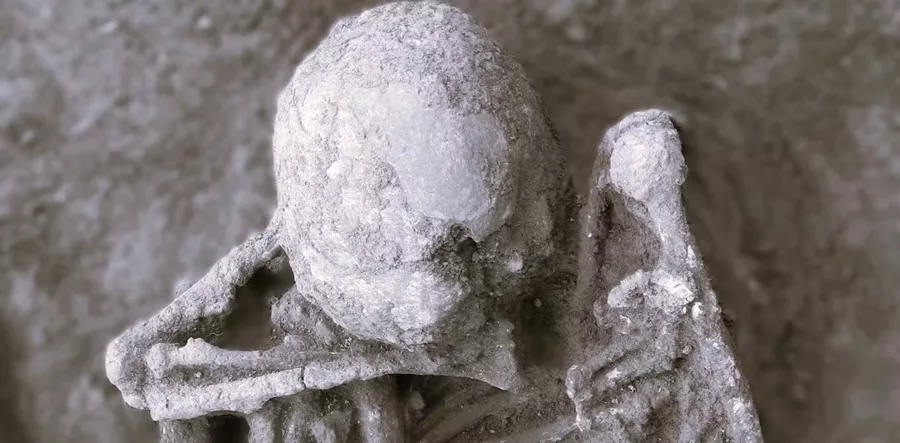
New research shows a tradition of smoke-drying human remains persisted for thousands of years across southern Asia and beyond – even into the modern day.