Aaron McGowan·...·Rochester Institute of Technology
28d ago
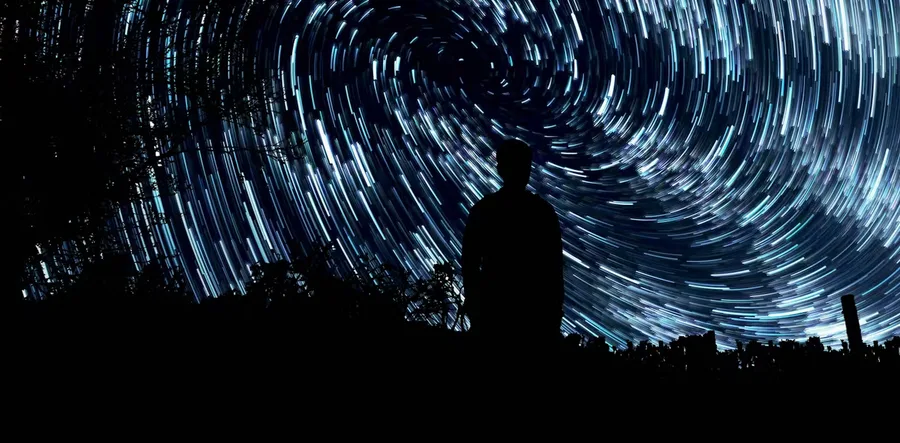
Physicists know a lot about the most fundamental properties of the universe, but they certainly don’t know everything. 2021 was a big year for physics – what was learned and what’s coming next?
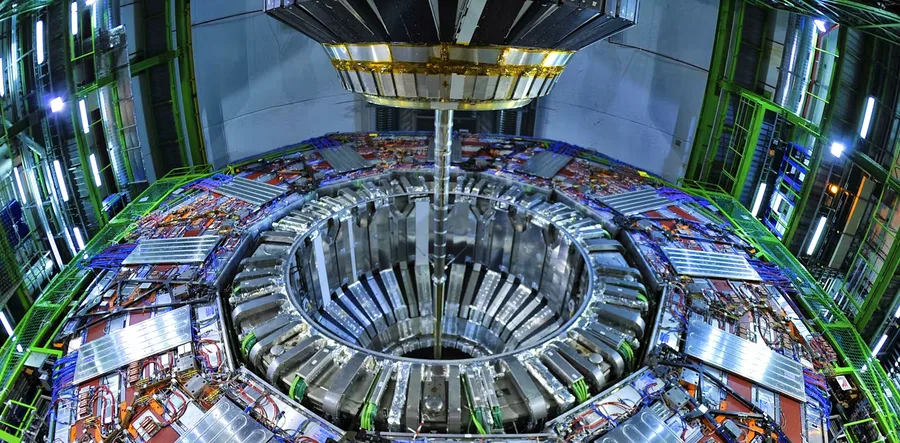
Our two best theories of nature, quantum mechanics and general relativity, are incompatible with each other in many ways – leaving physicists to dig deeper.
Michael Zemcov·...·Rochester Institute of Technology
28d ago
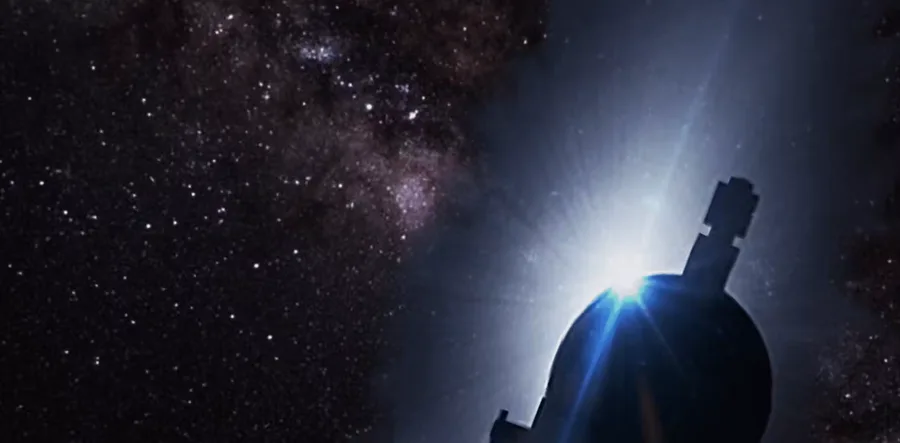
Such a mission could be developed soon, allowing astrophysicists to take selfies of the solar system and use the Sun’s gravity as a lens to peer deep into space.
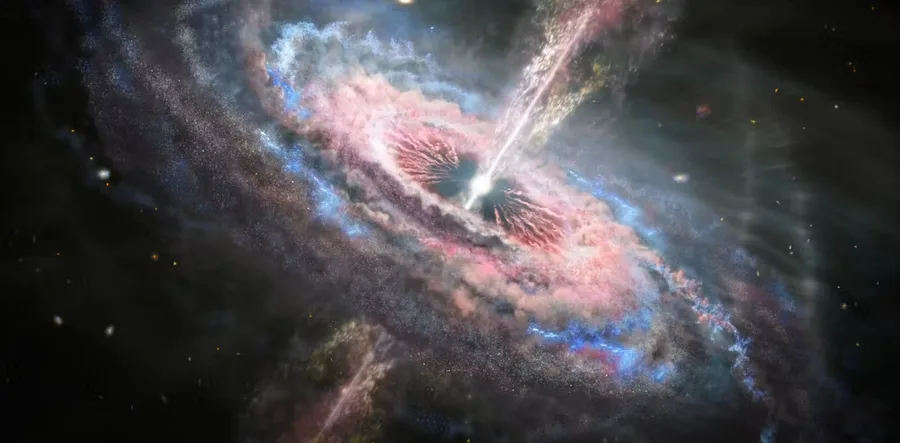
Bright, flickering galaxies called quasars were thought to pose a problem for our understanding of the cosmos – but new research shows Einstein was right yet again.
Physicists often say space-time “exists,” but what does that really mean? A hidden confusion between happening and being could be warping our view of reality.
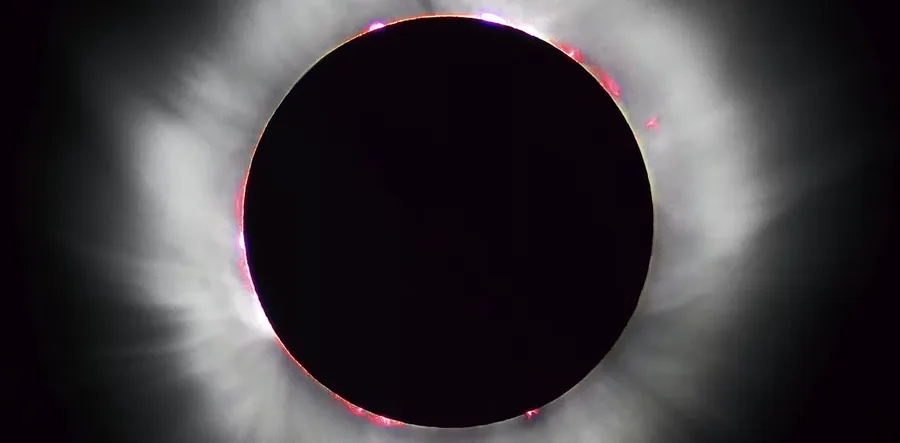
What’s the most impressive natural phenomenon known to humankind? Probably a solar eclipse! Here’s a brief overview ahead of this summer’s big celestial event.
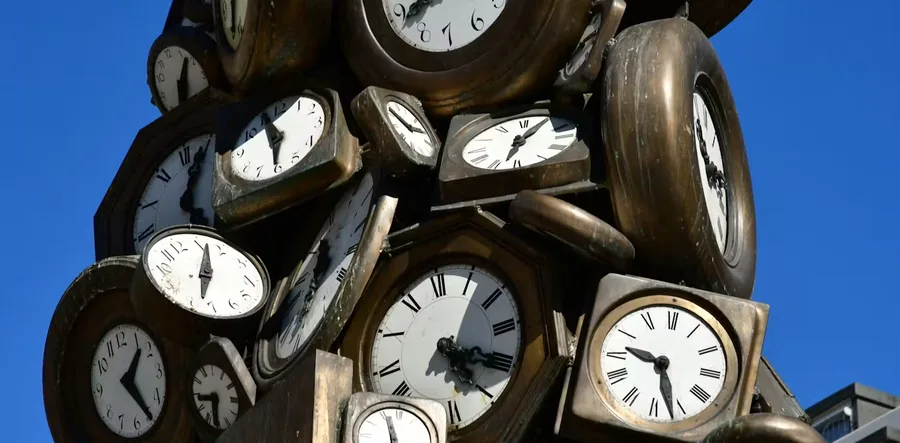
Is time real, or an illusion? The best answer may be neither: Both physics and philosophy suggest that time is a projection of the mind onto a timeless reality.